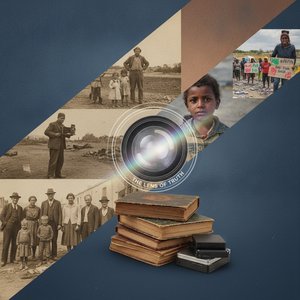
A Pioneer of the Photographic Lens: The Life and Legacy of Charles F. Bretzman
Charles F. Bretzman, a name perhaps unfamiliar to many today, stands as a pivotal figure in the history of Indianapolis photography and visual documentation of early 20th-century American life. Born in Hanover, Germany, on July 26, 1867, his journey took him across continents before establishing a lasting artistic footprint in the heart of Indiana. Bretzman’s story is one of entrepreneurial spirit, technical mastery, and a dedication to capturing the evolving face of a burgeoning city. Arriving in the United States in 1885, he didn't immediately settle; instead, he embarked on a period of exploration, traveling extensively before finding his permanent home in Indianapolis around 1900. This early exposure to diverse landscapes and communities undoubtedly shaped his artistic vision, fostering an observant eye for detail and a sensitivity to the human condition that would characterize his work.Establishing a Visual Chronicle: The Bretzman Studio
Upon settling in Indianapolis, Bretzman swiftly established the Koehne Studio – also known as the Bretzman Photo Company or simply the Bretzman Studio – on South Illinois Street. This wasn’t merely a business venture; it was the foundation of a family legacy and a vital hub for visual storytelling. The studio quickly gained prominence, becoming renowned for its high-quality portraiture and commercial work. Bretzman's skill lay not only in technical proficiency but also in his ability to capture the essence of his subjects, imbuing each photograph with personality and depth. He wasn’t simply recording images; he was crafting visual narratives. His studio expanded in 1914, moving to larger quarters on the top floor of the Fletcher Savings and Trust Building, a testament to its growing success and influence within the city. Beyond portraits, Bretzman's lens documented Indianapolis’s burgeoning urban landscape, capturing significant events and the lives of prominent citizens. He became intrinsically linked with the city’s identity, providing a visual record of its transformation during a period of rapid growth and change.The First Official Eye of Speed: Documenting the Indianapolis 500
Perhaps Bretzman's most enduring claim to fame lies in his role as the first official photographer of the Indianapolis 500-mile automobile race. This appointment, beginning with the inaugural race in 1911, cemented his place in motorsports history and provided him with a unique platform to showcase his skills. The early years of the Indy 500 were chaotic and dangerous, yet Bretzman fearlessly captured the speed, drama, and raw energy of this groundbreaking event. His photographs weren’t just records of the race; they were visceral depictions of an era when automobile racing was pushing the boundaries of technology and human courage. These images offered a glimpse into a world of roaring engines, daring drivers, and enthusiastic crowds, becoming iconic representations of American speed and innovation. The documentation of this event alone ensured his place in Indiana’s cultural heritage.A Family Affair: Continuing the Legacy
The Bretzman photographic legacy didn't end with Charles. His son, Charles Noble Bretzman, and grandson, Erich, both followed in his footsteps, continuing to operate the family business for nearly eighty years. This intergenerational commitment speaks volumes about the passion and dedication instilled by the founder. C. Noble Bretzman brought his own distinctive style to the studio, specializing in illustrative photography and becoming a sought-after photographer for advertising campaigns and dance performances. He was particularly known for his work with L.S. Ayres department store and Indianapolis ballet companies. Erich continued the tradition, even serving as a U.S. Army photographer before joining the family business. The Bretzman Photo Company finally closed its doors in 1976 upon Noble’s retirement, marking the end of an era but leaving behind a rich archive of images that continue to offer invaluable insights into Indianapolis's past. Today, their work is preserved in institutions like the Indiana Historical Society and the Library of Congress, ensuring that their visual chronicle remains accessible for generations to come.A Lasting Impression: Bretzman’s Significance
Charles F. Bretzman was more than just a photographer; he was a documentarian, an artist, and a chronicler of his time. His work provides a unique window into the social, cultural, and technological landscape of early 20th-century Indianapolis. His photographs are not merely historical artifacts but vibrant testaments to a bygone era. He captured the faces of prominent figures like Hoosier poet James Whitcomb Riley and Carl G. Fisher, founder of the Indianapolis Motor Speedway, preserving their likenesses for posterity. Through his lens, we gain a deeper understanding of the people, places, and events that shaped the city’s identity. Bretzman's legacy extends beyond his individual photographs; it lies in the enduring power of visual storytelling and the importance of documenting our shared history. His dedication to his craft and his commitment to capturing the essence of his subjects continue to inspire photographers and historians alike, solidifying his place as a true pioneer of the photographic art form.კითხვები და პასუხები
როგორ შემიძლია Charles F. Bretzman-ის შემოქმედების წლიურ ქრონოლოგიაში თვალი ვადევნო?
Charles F. Bretzman-ის ნამუშევრების ქრონოლოგიური თანმიმდევრობით ნახვა შესაძლებელია ხელოვანის ნამუშევრების ქრონოლოგია გვერდზე.
რა ქვეყანაში დაიბადა Charles F. Bretzman?
Charles F. Bretzman დაიბადა United States of America-ში.
როგორ ვიპოვო Charles F. Bretzman-ის ნამუშევრები კონკრეტული პალიტრის მიხედვით?
Charles F. Bretzman-ის ნამუშევრების კონკრეტულ პალიტრაში მოსაძებნად გამოიყენეთ ხელოვანის ფერების პალიტრის მიხედვით გვერდი.