Charles Auty პორტრეტი

5 ყველაზე ცნობილი Charles Auty-ის ნახატი, თითოეული მათგანი უნიკალური

განახლდა ნოემბერი 2026 · დალაგებულია ჩვენი პოპულარობის ქულების მიხედვით (ძიება, ნახვა და შეკვეთები თითოეული ნამუშწაროსთვის) · 5 ნამუშევარი Charles Auty ჩვენს კატალოგში

მოკლედ რომ ვთქვათ

The Road to Fleshwick (1936) არის Charles Auty-ის ის ნამუშწარო, რომელიც ყველაზე მეტ ყურადღებას იქცევს; ორიგინალი იმყოფება Manx Museum-ში, Douglas. ამის შემდეგ, მზერა გადადის Bispham Village in 1880 (1880)-სა და Coastal Scene Looking South from Niarbyl-ზე. ჩვენს კატალოგში არსებული Charles Auty-ის 5 ნამუშწაროდან ეს 5 ყველაზე ცნობილია; თითოეული მათგანი წარმოადგენს უნიკალურ ორიგინალს, რომელიც წარმოდგენილია წელით, მუზეუმითა და იმ მიზეზით, რის გამოც ის დღემდე ცოცხლობს.

Realism ყველაზე მეტი ნამشევრი: Manx Museum

Charles Auty-ის 10 საუკეთესო ნამუშgeryო, გალერეის თcraftით

1
The Road to Fleshwick (1936) ავტორის: Charles Auty

The Road to Fleshwick

1936 · Oil · Manx Museum, Douglas

The road cuts through a valley, a pale ribbon winding between heavy layers of green. Trees and grass press close to the edges of the track, their textures rendered with a quiet realism. In the distance, two bodies of water rest under the weight of the mountains, catching the light in still, silent patches. The landscape holds a sense of deep stillness.

2
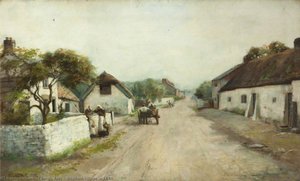
Bispham Village in 1880 (1880) ავტორის: Charles Auty

Bispham Village in 1880

1880 · Oil On Canvas · Grundy Art Gallery, Blackpool

There is a particular stillness found in this view of Bispham Village from 1880. The scene unfolds along a narrow dirt road that draws the eye toward a hazy, distant horizon, creating a sense of deep, receding space. Along the edges of this path, buildings are arranged with a natural, unforced rhythm, suggesting a close-knit community nestled within the landscape. A horse-drawn cart moves slowly down the lane, its presence…

3
Coastal Scene Looking South from Niarbyl ავტორის: Charles Auty

Coastal Scene Looking South from Niarbyl

Oil On Canvas · Manx Museum, Douglas

A large, dark rock formation occupies the left foreground of this oil painting, establishing a heavy, grounded presence against the sea. From this rocky outcrop, the eye moves across a sandy and uneven shoreline toward the central expanse of water. The composition follows a horizontal format, where the horizon line is defined by a steady, flat boundary between the ocean and the sky. In the distance, on the right side…

4
Bispham Village Scene ავტორის: Charles Auty

Bispham Village Scene

Oil On Canvas · Grundy Art Gallery, Blackpool

The scene unfolds along a narrow dirt road in Bispham, where the atmosphere of a quiet afternoon prevails. Figures move through the landscape, some carrying umbrellas as if prepared for a sudden rain or navigating an overcast day. A woman walks with her child, their presence adding a layer of human intimacy to the rural setting. Buildings line the edges of the path, arranged with a natural rhythm that suggests…

სუბიექტები, რომლებმაც Charles Auty-ის ყურადღება მიიპყრო

ამ ორიგინალებში ყველაზე ხშირად განმეორებადი არის 네 თემა, რომელთაგან თითოეულს თავისი საუკეთესო ნიმუში წარმოგვიდგება.

მუზეუმები, სადაც Charles Auty-ის ორიგინალები ინახება

ამ გვერდზე წარმოდგენილი მხატვრობის შედეგების უმეტესობას 2 მუზეუმი ინახავს.

მუზეუმი ქალაქი Charles Auty შემოქმედებაలు ამ სიიდან მოპოვებული ნახატები
Manx Museum, DouglasManx Museum Douglas 3 The Road to Fleshwick, Coastal Scene Looking South from Niarbyl, Creg Malin, Peel
Grundy Art Gallery, BlackpoolGrundy Art Gallery Blackpool 2 Bispham Village in 1880, Bispham Village Scene

Charles Auty წლების განმავლობაში: თითოეული მათგანის უნიკალური ორიგინალი

57-წლიანი კარიერა, 1880-დან 1936-მდე: Charles Auty-ის ყველაზე ცნობილი ორიგინალი ნამუშევრები, წარმოდგენილი წლების მიხედვით.

ნამუშევრები წლების მიხედვით

შეარჩიეთ წელი ორიგინალების სანახავად.

Charles Auty-ის ნახატები: კითხვები გალერეისთვის

რა არის Charles Auty-ის ყველაზე ცნობილი ნამუშწარებიდან ერთერთი?გაამჟღავნეთ პასუხი

The Road to Fleshwick (1936), Manx Museum, Douglas. შემდეგ მოდიან Bispham Village in 1880 (1880) და Coastal Scene Looking South from Niarbyl.

რამდენი ნამუშწარებია ცნობილი Charles Auty-ის შემოქმედებიდან?გაამჟღავნეთ პასუხი

ჩვენს კატალოგში წარმოდგენილია 5 ნამუშწევრი Charles Auty-ისგან, დათარიღებული 1880-დან 1936-მდე.

სად შეიძლება ყველაზე ცნობილი Charles Auty-ის ორიგინალების ნახვა?გაამჟღავნეთ პასუხი

ძირითადად Manx Museum (Douglas) და Grundy Art Gallery (Blackpool)-ში. ზემოთ მოცემულ მუზეუმების ცხრილში ისინი ყველა listed.

რომელი ცნობილი Charles Auty ტილოა ყველაზე ადრეული და რომელი — ყველაზე გვიანდელი?გაამჟღავნეთ პასუხი

ამ გვერდზე ყველაზე ადრეული არის Bispham Village in 1880 (1880), ხოლო ყველაზე გვიანდელი — The Road to Fleshwick (1936).

რა თემებს ანიჭებდა უპირატესობას Charles Auty?გაამჟღავნეთ პასუხი

Mountains (2), Trees (2) და Dirt road (2), ამ გვერდზე წარმოდგენილ 5 ნამუშწარეს შორის.

რა მასალებით ხატავდა ყველაზე ხშირად Charles Auty?გაამჟღავნეთ პასუხი

Oil On Canvas, ამ გვერდზე არსებული 5 ნამუშწაროსგან 3 ცალიდან.

Charles Auty-ის შემოქმედება რომელ მიმდინარეობას მიეკუთვნება?გაამჟღავნეთ პასუხი

Realism, ამ გვერდზე წარმოდგენილი ორიგინალების მიხედვით.

რა Charles Auty-ის ორიგინალების ნახვა შემიძლია Manx Museum-ში?გაამჟღავნეთ პასუხი

The Road to Fleshwick, Coastal Scene Looking South from Niarbyl და Creg Malin, Peel: Manx Museum, Douglas-ში წარმოდგენილია ამ გვერდზე მოცემული ნამუშევრების 3 ცალი.

Charles Auty: მხატვრის პორტრეტი

A Life Captured in Landscape

Charles Auty moved through the landscapes of Britain with the quiet precision of a man observing a world on the cusp of change. Born in Liverpool, he was the son of a stone mason, raised in an environment that shared a creative thread with his brother, Frank. While some accounts place his beginnings in Dewsbury, Yorkshire, his life was defined by a series of shifts between urban centers and the rugged edges of the coast. He lived and worked in London, but it was the Isle of Man that provided much of his most enduring subject matter. In the early twentieth century, he established himself at The Studio in Bradda, Port Erin, a location that allowed him to witness the raw, unadorned textures of the sea and stone.

His career, active and exhibiting between 1881 and 1919, was marked by a devotion to the realistic details of his surroundings. He did not seek to alter the natural world but rather to document its stillness. His work often focused on the English countryside and the coastal geography of the Isle of Man, capturing scenes that reflected a pre-industrial era. Whether rendering the heavy layers of green in a valley or the misty atmosphere of a distant mountain, his approach remained grounded in direct observation.

Technique and Observation

Auty worked primarily with oil and watercolour, utilizing techniques that emphasized the physical presence of his subjects. In his oil paintings, such as those depicting Bispham Village, he employed a deliberate layering of paint to create a tactile surface. This method allowed him to render the grit of a dirt road or the organic weight of foliage with a sense of realism. He possessed a particular skill for atmospheric perspective, using light and shadow to build depth, making distant elements appear lighter and less defined to suggest the presence of air and moisture.

His watercolours often shared this same commitment to truth. In works like Creg Malin, Peel, he captured the moody, rugged cliffs with a focused economy of line and tone. His palette was frequently restrained, favoring the muted colors of an overcast afternoon or the soft, diffused light of the British landscape. This choice of color helped him avoid harsh shadows, focusing instead on the subtle transitions of tone that define a quiet moment in nature.

Exhibition and Legacy

Though he may be considered a little-known painter by some, Auty’s presence was felt in several significant artistic circles. He exhibited his work at the Royal Academy and the Royal Hibernian Academy, as well as at various venues in Liverpool and the Yorkshire Union of Artists. His paintings have found homes in notable collections, including the Manx National Heritage and the Grundy Art Gallery in Blackpool.

The breadth of his subject matter included:

  • Coastal scenes and sea cliffs of the Isle of Man
  • Rural village life and agricultural landscapes of England
  • Quiet, wooded valleys and mountain terrains
  • Marine studies and seascape compositions

By the time of his death in 1936, Auty had left behind a body of work that serves as a record of a specific, tranquil era. His paintings remain focused on the intersection of man-made paths and the untamed elements of the earth, preserving the stillness of the landscapes he once walked.