მოკლედ რომ ვთქვათ
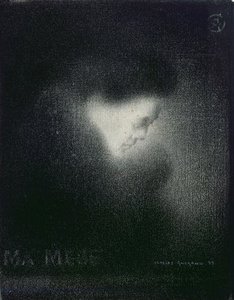
შარლ ანგრანდი-ის ყველა დატოვებული ორიგინალიდან ყველაზე ცნობილი My Mother, არის. მისდავითვე მოდიან Wheat და Le Pont De Pierre In Rouen. ჩვენს კატალოგში წარმოდგენილია შარლ ანგრანდი-ის 22 ნამუშევარი; გალერეაში შენარჩუნებულია 21 ყველაზე აღიარებული ნახატი, რომელთაგან თითოეულს თან ახლავს შექმნის თარიღი, მუზეუმი და ისტორია.
შარლ ანგრანდი-ის 10 საუკეთესო ნამუშgeryო: გალერეის არჩევანი
A Couple In The Street
In the heart of a bustling urban landscape, Charles Angrand’s "A Couple In The Street" invites the viewer to step into a transient moment of intimacy amidst the rhythmic chaos of city life. The painting captures a man and a woman navigating a crowded thoroughfare, their proximity suggesting a shared secret or a quiet bond that remains undisturbed by the surrounding throng. As they move through the public sphere, there…
შარლ ანგრანდი-ის შერჩევა გრძელდება, 11-დან 21-მდე
სუბიექტები, რომლებმაც შარლ ანგრანდი-ის ყურადღება მიიპყრო
ამ ორიგინალებში ყველაზე ხშირად განმეორებადი არის ოთხი თემა, რომელთაგან თითოეულს თავისი საუკეთესო ნიმუში წარმოგვიდგება.
Mothers 2 ნამუშევარი
Intimate moment 2 ნამუშევარი
Portraits 2 ნამუშევარი
Rural landscape 2 ნამუშევარი
მუზეუმები, სადაც შარლ ანგრანდი-ის ორიგინალები ინახება
ამ გვერდზე წარმოდგენილი მხატვრობის შედეგების უმეტესობას 7 მუზეუმი ინახავს.
| მუზეუმები | ქალაქი | შარლ ანგრანდი შემოქმედება | ამ სიიდან ნახატები |
|---|---|---|---|
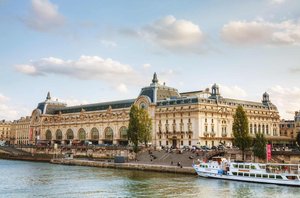
| პარიზი | 1 | A Couple In The Street | |
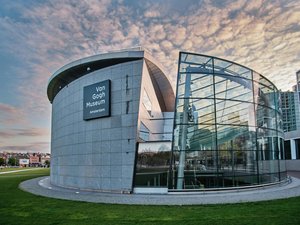
| ამსტერდამი | 1 | The Seine, Morning (Saint-Ouen) | |
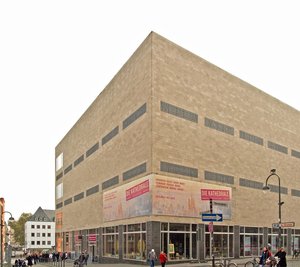
| კოლონია | 1 | House under Olive Trees / Hut in an Orchard | |
| ჰელსინკი | 1 | Le Bucheron | |
| Indianapolis | 1 | Path In The Country | |
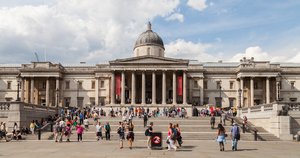
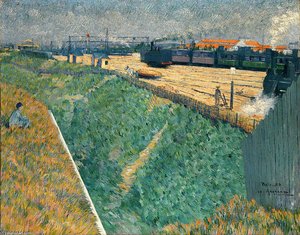
| ლონდონი | 1 | The Western Railway At Its Exit From Paris | |
| ჰიუსტონი | 1 | The Harvesters |
შარლ ანგრანდი წელიწადმიწლით: ორიგინალები, რომლებიც განსაზღვრავენ თითოეულ მათგანს
1886-დან 1903-მდე, შარლ ანგრანდი 18 წლის განმავლობაში მოღვაწეობდა: ეს შერჩევა ასახავს მის გრძელწლიურ კარიერას, წლების განმავლობაში შექმნილ საუკეთესო ორიგინალი ნამუშევრების მეშვეობით.
ნამუშევრები წლების მიხედვით
შეარჩიეთ წელი ორიგინალების სანახავად.
კოლექციონერთა კითხვები შარლ ანგრანდი-ის ნახატებზე
რა ნამუშწარესით არის ყველაზე ცნობილი შარლ ანგრანდი?გაამჟღავნეთ პასუხი
My Mother,. შემდეგ მოდიან Wheat და Le Pont De Pierre In Rouen.
რა არის შარლ ანგრანდი-ის ათ ყველაზე ცნობილი ნამუშწარები?გაამჟღავნეთ პასუხი
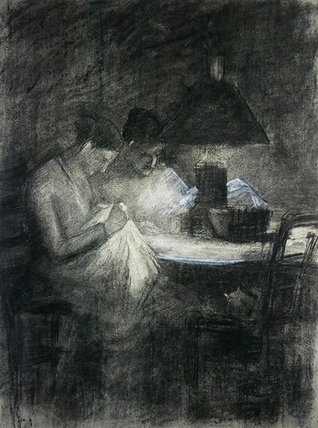
My Mother,, Wheat, Le Pont De Pierre In Rouen, Le Pont de Pierre, Rouen, A Couple In The Street, The Seine, Morning (Saint-Ouen), House under Olive Trees / Hut in an Orchard, The Seamstresses, Mother And Child და Self Portrait. ზემოთ მოცემული რეიტინგი ასახავს თითოეულის შემოქმედების წელსა და მუზეუმს.
რამდენი სურათი დატოვა შარლ ანგრანდი-მა?გაამჟღავნეთ პასუხი
ჩვენს კატალოგში წარმოდგენილია 22 ნამუშწევრი შარლ ანგრანდი-ისგან, დათარიღებული 1886-დან 1903-მდე.
რომელ მუზეუმებშია და hangs შარლ ანგრანდი-ის შედევრული ნამუშევრები?გაამჟღავნეთ პასუხი
ძირითადად Musée d'Orsay (პარიზი), ვან გოგის მუზეუმი (ამსტერდამი) და Wallraf-Richartz-Museum (კოლონია)-ში. ზემოთ მოცემულ მუზეუმების ცხრილში ისინი ყველა listed.
რა არის შარლ ანგრანდი-ის პირველი და ბოლო ცნობილი ორიგინალი?გაამჟღავნეთ პასუხი
ამ გვერდზე ყველაზე ადრეული არის The Seine, Morning (Saint-Ouen) (1886), ხოლო ყველაზე გვიანდელი — House under Olive Trees / Hut in an Orchard (1903).
რომელ თემებს ირჩევდა შარლ ანგრანდი ყველაზე ხშირად?გაამჟღავნეთ პასუხი
Mothers (2), Intimate moment (2) და Portraits (2), ამ გვერდზე წარმოდგენილ 21 ნამუშწარეს შორის.
რა ხელოვნების მიმართულებას მიეკუთვნება შარლ ანგრანდი?გაამჟღავნეთ პასუხი
Neo-impressionism, ამ გვერდზე წარმოდგენილი ორიგინალების მიხედვით.
შარლ ანგრანდი: ცხოვრება და შემოქმედება
A Life Intertwined with Art and Ideals
Charles Théophile Angrand, born in the tranquil Normandy village of Criquetot-l'Orne in 1854, was an artist whose life mirrored the turbulent currents of late 19th and early 20th century France. He wasn’t merely a painter; he was a product of his time—a period defined by artistic revolution, intellectual ferment, and burgeoning political consciousness. Angrand's journey began within a family dedicated to education, his father serving as a schoolmaster, instilling in him perhaps a foundational respect for knowledge and critical thought that would permeate both his art and his life choices. His initial artistic training at the Académie de Peinture et de Dessin in Rouen provided a solid grounding in traditional techniques, but it was a pivotal trip to Paris in 1875—an encounter with a retrospective of Jean-Baptiste-Camille Corot’s work—that truly ignited his artistic passion. The subtle lyricism and atmospheric sensitivity of Corot resonated deeply, shaping Angrand's early aesthetic inclinations towards landscape and an exploration of light and mood. Despite facing rejection from the prestigious École des Beaux-Arts, a common fate for many aspiring artists challenging established norms, he resolutely moved to Paris in 1882, balancing his artistic pursuits with a practical career as a mathematics teacher at Collège Chaptal.Embracing the Avant-Garde and Neo-Impressionism
Paris in the 1880s was a crucible of innovation, a magnet for artists seeking to break free from academic constraints. Angrand found himself immersed in this vibrant milieu, frequenting artistic hubs like Café d'Athènes, Café Guerbois, and Le Chat Noir—places where ideas were exchanged, manifestos debated, and new aesthetic directions forged. It was here he cultivated friendships with some of the most influential figures of the era: Georges Seurat, Vincent van Gogh, Paul Signac, Maximilien Luce, and Henri-Edmond Cross. These encounters proved transformative. In 1884, Angrand co-founded the Société des Artistes Indépendants alongside Seurat and Signac—a bold declaration of artistic independence that challenged the authority of the official Salon and paved the way for future avant-garde movements. Initially influenced by Impressionism, Angrand’s style underwent a significant evolution in the mid-1880s as he embraced Neo-Impressionism. Under the guidance of Seurat and Signac, he began to experiment with Pointillism—the meticulous application of tiny dots of pure color intended to blend optically in the viewer's eye. However, Angrand wasn’t a mere imitator; he infused this technique with his own sensibility, employing a more muted palette than his colleagues, skillfully using chromatic nuances to create subtle shadows and atmospheric depth.A Master of Drawing and Social Commentary
While celebrated for his paintings, Charles Angrand's mastery extended profoundly into the realm of drawing. His conté crayon drawings were particularly lauded by his contemporaries, with Paul Signac himself recognizing them as “masterpieces.” These works demonstrate an exceptional sensitivity to light and shadow, a delicate handling of texture, and a remarkable ability to capture mood and emotion with minimal means. Beyond his purely aesthetic achievements, Angrand was also deeply committed to social and political causes. He actively contributed illustrations to anarchist publications like *Les Temps Nouveaux*, demonstrating a willingness to use his art as a vehicle for expressing his beliefs and challenging the status quo. This engagement with radical politics further distinguished him from many of his contemporaries, adding another layer of complexity to his artistic persona. His association with Van Gogh is also noteworthy; Angrand’s bold brushstrokes and asymmetrical compositions inspired the Dutch master, leading to a proposed exchange of paintings—a testament to the mutual respect and influence shared between these two visionary artists.Later Years and Enduring Legacy
Following a period dedicated to drawings and pastels in the early 1890s, Angrand returned to painting around 1906, influenced by the evolving styles of Signac and Cross. His later works exhibited larger brushstrokes and more vibrant colors, occasionally venturing towards abstraction—a reflection of the broader artistic trends unfolding at the turn of the century. He spent time in Dieppe before settling in Rouen for his final years, maintaining a dedicated correspondence despite becoming increasingly reclusive. Charles Angrand passed away on April 1, 1926, leaving behind a body of work that continues to captivate and inspire. Today, his paintings and drawings are represented in prominent museum collections worldwide, solidifying his place as an important—though often overlooked—figure in late 19th-century French art. He remains a compelling example of an artist who seamlessly blended aesthetic innovation with intellectual engagement and social consciousness, leaving behind a legacy that resonates far beyond the canvas.Key Characteristics of His Work
- Neo-Impressionist Techniques: While embracing Pointillism, Angrand distinguished himself with a more muted palette compared to Seurat and Signac.
- Drawing Mastery: Angrand's conté crayon drawings were highly acclaimed for their delicate handling of light and shadow.
- Influence on Van Gogh: His thick brushstrokes and asymmetrical compositions inspired Vincent van Gogh.
- Anarchist Illustrations: Angrand actively contributed to anarchist publications, demonstrating his commitment to social and political causes.