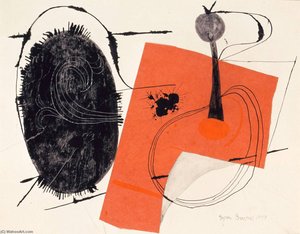
მოკლედ რომ ვთქვათ
Byron Browne-ის ყველა დატოვებული ორიგინალიდან ყველაზე ცნობილი Abstract Collage (1933) არის. მისდაក្រោយ Untitled, from the portfolio American Abstract Artists (1937) და Head (1938) მოდიან. ჩვენს კატალოგში Byron Browne-ის 11 ნამუშწარებია; გალერეამ შეინافظა ის 9 ნამუშწარო, რომლებსაც მსოფლიო ყველაზე მეტად აღიარებს, რომელთაგან თითოეული წარმოდგენილია თვის, მუზეუმისა და ისტორიის თანხლებით.
Byron Browne-ის 10 საუკეთესო ნამუშgeryო: გალერეის არჩევანი
მუზეუმები, სადაც Byron Browne-ის ორიგინალები ინახება
მუზეუმი, რომელიც ამ გვერდზე წარმოდგენილი მოდგმების უმეტესობას ინახავს.
| მუზეუმი | ქალაქი | Byron Browne შემოქმედებაలు | ამ სიიდან მოპოვებული ნახატები |
|---|---|---|---|
| დუბლინი | 1 | Head |
Byron Browne ათწლეულების მიხედვით: ორიგინალი, რომელიც განსაზღვრავს თითოეულ მათგანს
კოლექციონერთა კითხვები Byron Browne-ის ნახატებზე
რა ნამუშწარესით არის ყველაზე ცნობილი Byron Browne?გაამჟღავნეთ პასუხი
Abstract Collage (1933). შემდეგ მოდიან Untitled, from the portfolio American Abstract Artists (1937) და Head (1938).
რამდენage იყო Byron Browne, როდესაც შეიქმნა Abstract Collage?გაამჟღავნეთ პასუხი
26 წლის: Abstract Collage შექმნილია 1933 წელს, ხოლო Byron Browne დაიბადა 1907 წელს.
რამდენი სურათი დატოვა Byron Browne-მა?გაამჟღავნეთ პასუხი
ჩვენს კატალოგში წარმოდგენილია 11 ნამუშწევრი Byron Browne-ისგან, დათარიღებული 1933-დან 1958-მდე.
რომელ მუზეუმებშია და hangs Byron Browne-ის შედევრული ნამუშევრები?გაამჟღავნეთ პასუხი
ძირითადად National Gallery of Ireland (დუბლინი)-ში. ზემოთ მოცემულ მუზეუმების ცხრილში ისინი ყველა listed.
მათ რომელ წლებში შექმნა Byron Browne-მა ყველაზე ცნობილი ნამუშევრები?გაამჟღავნეთ პასუხი
1930s-ში: ამ გვერდზე წარმოდგენილი 9 ნამუშწარwerksიდან 3 შეიქმნა მაშინ, მათგან Abstract Collage.
რა არის Byron Browne-ის პირველი და ბოლო ცნობილი ორიგინალი?გაამჟღავნეთ პასუხი
ამ გვერდზე ყველაზე ადრეული არის Abstract Collage (1933), ხოლო ყველაზე გვიანდელი — (Seated Nude) (1958).
Byron Browne: ცხოვრება და შემოქმედება
Byron Browne: Pioneer of American Abstract Art
Byron Browne (1907 – 1961) stands as a cornerstone figure in the burgeoning field of American Abstract Expressionism, recognized primarily for his contributions to mural commissions and collaborations with Hans Hofmann. Born in London, England, Browne’s artistic journey began amidst the vibrant Pre-Raphaelite movement, profoundly shaping his aesthetic sensibilities before he embraced the radical experimentation of postwar abstraction. His formative years were marked by exposure to influential artists like Ford Madox Brown, whose visionary approach to Victorian social commentary instilled a deep appreciation for conveying complex ideas through visual language.- Early Influences: Browne’s initial artistic explorations centered around landscapes and portraits, reflecting the stylistic conventions of his time. However, he quickly gravitated toward Hofmann's teachings at Provincetown Art Colony, where he honed his skills in color theory and compositional techniques – principles that would become integral to his distinctive style.
- Provincetown Collaboration: Browne’s partnership with Hofmann proved pivotal in establishing him as a leader within the American Abstract Artists Group (AAA). Together, they tackled ambitious mural projects for public spaces across the United States, notably the “Massachusetts State House Mural” and “The Metropolitan Opera House Mural,” demonstrating a commitment to large-scale artistic endeavors that pushed boundaries of expression.
- Distinctive Style: Browne’s paintings are characterized by layered textures, bold color palettes—often dominated by rosy hues reminiscent of Hofmann's favored shades—and dynamic brushstrokes. He skillfully blended elements of Surrealism and Cubism, creating compositions that evoke emotional resonance while simultaneously engaging with geometric forms.
- Notable Works: Among his celebrated paintings are “Jester,” a captivating depiction of expressive gesture and color harmony; “Abstract Collage,” showcasing meticulous layering and textural interplay; and “Rosy Brown Hues,” which exemplifies Browne’s masterful manipulation of chromatic hues to convey mood and atmosphere. These pieces continue to inspire admiration for their artistic innovation and enduring beauty.


