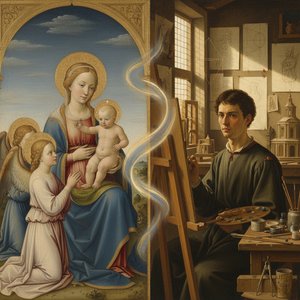
Neri di Bicci was the third in a lineage of Florentine painters. His grandfather, Lorenzo di Bicci, was a pupil of Spinello Aretino, and his father, Bicci di Lorenzo, continued the family tradition.
This familial artistic heritage profoundly shaped Neri’s early training and development.
Artistic Training and Influences
Neri studied under his father, Bicci di Lorenzo, absorbing the stylistic conventions of the time.
Early Influences: Initially, Neri’s work closely resembled that of his father. However, he gradually developed a unique style influenced by artists such as Fra Filippo Lippi, Paolo Schiavo, Fra Angelico, and Domenico Veneziano.
He joined the Confraternity of Saint Luke (Compagnia di San Luca) at a young age, demonstrating his commitment to the artistic community.
Artistic Style and Major Works
Primary Medium: Neri primarily worked in tempera on panel, creating predominantly religious works.
Notable Characteristics: His paintings are characterized by detailed execution, a refined sense of color, and often feature advanced use of foreshortening in architectural elements.
Key Works Include:
St. John Gualbert Enthroned with Ten Saints (Santa Trinita, Florence)
The Ricordanze: Neri di Bicci meticulously kept journals from 1453 to 1475, known as the 'Ricordanze'. These records provide invaluable insights into the daily life of a 15th-century painter.
They detail rates of remuneration, lists of pupils and their works, and offer a comprehensive view of artistic practices during the Renaissance.
Historical Importance: The ‘Ricordanze’ are considered the most extensive surviving documentation from a 15th-century painter's workshop. They have been crucial for art historians in understanding the economic and social context of Florentine painting.
Legacy and Recognition
While initially overshadowed by misattributions (due to confusion with his father, Bicci di Lorenzo, as noted by Vasari), Neri di Bicci’s work has gained increasing recognition in recent decades.
Contribution: He represents a significant link between the earlier traditions of Florentine painting and the innovations of the High Renaissance. His detailed craftsmanship and insightful documentation continue to fascinate art historians and enthusiasts alike.
OriginalUniqueArt.com-ის რედაქციული გუნდის მიერ
ტესტი
თითოეულ კითხვაზე მხოლოდ ერთი სწორი პასუხია.
კითხვა 1:
ბიჩი დი ნერი თაობებისეულად ცნობილ ხელოვანთა ოჯახს მიეკუთვნებოდა. ვინ იყო ნერის ბაბუა, მისი მხატვრული წარმომავლობის საკვანძო ფიგურა?
კითხვა 2:
ბიჩი დი ნერი ცნობილია თავისი ნამუშევრების დეტალური ჩანაწერების წარმოებით. როგორ ეწოდება ამ ჩანაწერებს ერთობლივად?
კითხვა 3:
რა იყო ბიჩი დი ნერის ძირითადი მასალა მისი ნახატების შესაქმნელად?
კითხვა 4:
ბიჩი დი ნერის ნამუშევრები ხშირად რელიგიურ თემებს ასახავდა. რომელ ეკლესიაში შექმნა მან მნიშვნელოვანი ნამუშევარი „წმინდა იოანე გუალბერტი ტახტზე ატარებული ათი წმინდაנთი 함께“?
კითხვა 5:
რომელ ქალაქში იყო ბიჩი დი ნერი ძირითადად აქტიური მთელი თავისი კარიერის განმავლობაში?
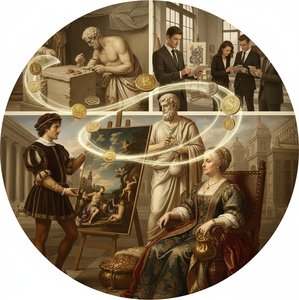
Explore the rich history of art patronage & its impact on Renaissance masterpieces. Discover how wealth, power, and artistic vision converged to create enduring legacies. Learn about commissioning art today.
Explore the life & revolutionary art of Filippo Lippi, a pivotal Renaissance painter. Discover his masterpieces, influence on Botticelli, and investment potential. Expert analysis at OriginalUniqueArt.