ბარტოლომეო ამანატტი-ის პორტრეტი

ბარტოლომეო ამანატტი-ის ნახატები: 15 ყველაზე ცნობილი ნამუშწარო, გალერეის თcraftით

განახლდა ნოემბერი 2026 · დალაგებულია ჩვენი პოპულარობის ქულების მიხედვით (ძიება, ნახვა და შეკვეთები თითოეული ნამუშწაროსთვის) · 15 ნამუშევარი ბარტოლომეო ამანატტი ჩვენს კატალოგში

მოკლედ რომ ვთქვათ

გალერეის შეხედულებით, ბარტოლომეო ამანატტი-ის ყველაზე ცნობილი ნამუშწაროა Fountain of Neptune (1559), რომლის ორიგინალი პიაცა დელა სინიორია-ში, ფლორენცია-ში hangs. Parnassus (1563) და Allegory of Winter (1563) ქმნიან იმ ტრიოს, რომელიც ყველამ იცნობს. ჩვენს კატალოგში არსებული ბარტოლომეო ამანატტი-ის 15 ნამუშწაროდან, გალერეა ქვემოთ წარმოგიდგენთ 15 ყველაზე ცნობილ მათგანს; თითოეული მათგანი არის ორიგინალი, რომლის აღწერა მოიცავს შემოქმედების წელს, მუზეუმს და იმ დეტალებს, რაც მას უნიკალურს ხდის.

1511 – 1592, სეტინიანიო Mannerism Most works: პიაცა დელა სინიორია

გალერეის ბარტოლომეო ამანატტი 10 საუკეთესო ნამი

1
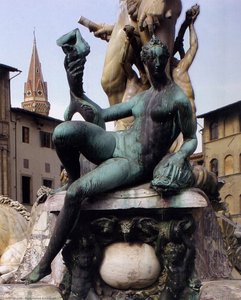
Fountain of Neptune (1559) ავტორი: ბარტოლომეო ამანატტი

Fountain of Neptune

1559 · Marble · პიაცა დელა სინიორია, ფლორენცია

In the heart of the Piazza della Signoria in Florence, Italy, the Fountain of Neptune by Bartolomeo Ammanati commands the space near the northwest corner of the Palazzo Vecchio. This monumental sculpture emerges from the urban landscape, a grand presence amidst the stone and shadow of the city. The work was commissioned by Cosimo I de' Medici in 1559, a gesture intended to celebrate the marriage of his son, Francesco…

2
Parnassus (1563) ავტორი: ბარტოლომეო ამანატტი

Parnassus

The marble figure known as Parnassus emerges from the shadows of history, a creation of the sculptor Bartolomeo Ammanati. Dating to about 1563, this work breathes life into the ancient myths that once governed the imagination of the Renaissance. The stone captures a moment of stillness within a realm of legend, inviting the viewer to wonder at the divine stories carved into its very surface.

3
Allegory of Winter (1563) ავტორი: ბარტოლომეო ამანატტი

Allegory of Winter

1563 · Stone · Villa Medici, კასელოტტო

In this stone sculpture, we encounter a figure that seems to have emerged from the very earth it inhabits. The subject is an older male, his form seated in a posture of profound stillness, reminiscent of a scholar lost in thought. His hair and beard are rendered with a detailed texture that suggests the passage of many years, catching the light in a way that emphasizes the deep lines of…

4
Victory (1540) ავტორი: ბარტოლომეო ამანატტი

Victory

In the quiet presence of Victory, the goddess Nike emerges from the stone, frozen in a moment of divine triumph. Created by Bartolomeo Ammanati about 1540, this classical sculpture captures the very essence of the Greek deity. She exists here not as a static symbol, but as a living force of motion and grace. Every line of her form suggests a sudden, purposeful movement, as if she has just descended…

5
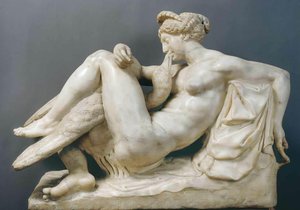
Leda with the Swan (1540) ავტორი: ბარტოლომეო ამანატტი

Leda with the Swan

In this marble work, titled Leda with the Swan, Bartolomeo Ammanati explores a moment of profound mythological tension. Created about 1540, the sculpture captures the intimate and transformative encounter between the Spartan queen Leda and the god Zeus. Having taken the form of a swan to approach her, Zeus initiates a sequence of events that would lead to Leda bearing his children. The piece focuses on this specific, quiet intersection…

6
Courtyard (1558) ავტორი: ბარტოლომეო ამანატტი

Courtyard

In this depiction of Courtyard, Bartolomeo Ammanati captures a quiet moment within the Palazzo Pitti in Florence, Italy. Created about 1558, the work presents a view of the architectural heart of the palace. The scene focuses on two ornate buildings characterized by their classical facades. These structures, defined by their rhythmic columns and arches, frame the central space of the courtyard.

7
Courtyard (1558) ავტორი: ბარტოლომეო ამანატტი

Courtyard

1558 · Photography · პალაცო პიტის მუზეუმი, ფლორენცია

Sunlight filters through an overcast sky, casting a soft, diffused glow over the grand courtyard of the Palazzo Pitti in Florence, Italy. The air feels heavy with the quiet dignity of the Renaissance, a stillness broken only by the gentle movement of people drifting through the space. At the heart of this stone enclosure, a large fountain acts as a central anchor, its water reflecting the muted colors of the…

8
Fountain of Neptune (1559) ავტორი: ბარტოლომეო ამანატტი

Fountain of Neptune

1559 · Marble · პიაცა დელა სინიორია, ფლორენცია

In the heart of Piazza della Signoria, Florence, the marble figure of Neptune rises from an octagonal basin. The sculpture, dated 1559, captures the god in a moment of dynamic tension. His muscular torso twists as he prepares to strike, a movement mirrored by the surrounding mythological figures. This work marks a transition from the balanced stability of the Renaissance toward the theatricality of the Baroque. The god's face bears…

9
Fountain of Neptune (1559) ავტორი: ბარტოლომეო ამანატტი

Fountain of Neptune

1559 · Marble · პიაცა დელა სინიორია, ფლორენცია

In the heart of Piazza della Signoria, Florence, the Fountain of Neptune rises as a monumental assertion of maritime power. Commissioned in 1559 by Cosimo I de' Medici, the sculpture was intended to celebrate the marriage of his son, Francesco I, while simultaneously projecting the growing naval ambitions of the Florentine state. The central figure of Neptune, the Roman god of water, is captured in a moment of dynamic tension.…

10
Fountain of Neptune (1559) ავტორი: ბარტოლომეო ამანატტი

Fountain of Neptune

1559 · Marble · პიაცა დელა სინიორია, ფლორენცია

Located in the Piazza della Signoria, this marble and bronze ensemble emerged from a period of intense political and artistic transition. Commissioned by Cosimo I de' Medici in 1559, the work was intended to celebrate the marriage of his son, Francesco I de' Medici, to Joanna of Austria. The sculpture functions as a public declaration of Florentine naval power, asserting the city's reach toward the Mediterranean through the language of…

ბარტოლომეო ამანატტი-ის ნახატები, რეიტინგით 11-დან 15-მდე

სუბიექტები, რომლებმაც ბარტოლომეო ამანატტი-ის ყურადღება მიიპყრო

ამ ორიგინალებში ყველაზე ხშირად განმეორებადი არის ოთხი თემა, რომელთაგან თითოეულს თავისი საუკეთესო ნიმუში წარმოგვიდგება.

მუზეუმები, სადაც ბარტოლომეო ამანატტი-ის ორიგინალები ინახება

ამ გვერდზე წარმოდგენილი მხატვრობის შედეგების უმეტესობას 6 მუზეუმი ინახავს.

მუზეუმები ქალაქი ბარტოლომეო ამანატტი შემოქმედება ამ სიიდან ნახატები
პიაცა დელა სინიორია, ფლორენციაპიაცა დელა სინიორია ფლორენცია 7 Fountain of Neptune, Fountain of Neptune, Fountain of Neptune
ბარგელის ეროვნული მუზეუმი, ფლორენციაბარგელის ეროვნული მუზეუმი ფლორენცია 3 Parnassus, Victory, Leda with the Swan
პალაცო პიტის მუზეუმი, ფლორენციაპალაცო პიტის მუზეუმი ფლორენცია 2 Courtyard, Courtyard
Villa Medici, კასელოტტოVilla Medici კასელოტტო 1 Allegory of Winter
Palazzo Ducale, LuccaPalazzo Ducale Lucca 1 Cortile degli Svizzeri
Palazzo Vecchio, ფლორენციაPalazzo Vecchio ფლორენცია 1 Goddess Opi

ბარტოლომეო ამანატტი, ერთი ავთენტური ნამუშწარები ათწლეულში

ნამუშევრები ათწლეულების მიხედვით

შეარჩიეთ ათწლეული, რათა ნახოთ ის ორიგინალი ნამუშევარი, რომელიც მას განსაზღვრავს.

ბარტოლომეო ამანატტი-ის ნახატები: გალერეის პასუხები

რომელი ბარტოლომეო ამანატტი ტილოა ყველაზე ცნობილი?გაამჟღავნეთ პასუხი

Fountain of Neptune (1559), პიაცა დელა სინიორია, ფლორენცია. შემდეგ მოდიან Parnassus (1563) და Allegory of Winter (1563).

რამდენage იყო ბარტოლომეო ამანატტი Fountain of Neptune-ის დასრულებისას?გაამჟღავნეთ პასუხი

48 წლის: Fountain of Neptune შექმნილია 1559 წელს, ხოლო ბარტოლომეო ამანატტი დაიბადა 1511 წელს.

რომელია ბარტოლომეო ამანატტი-ის 10 საუკეთესო ნამუშწარო?გაამჟღავნეთ პასუხი

Fountain of Neptune, Parnassus, Allegory of Winter, Victory, Leda with the Swan, Courtyard, Courtyard, Fountain of Neptune, Fountain of Neptune და Fountain of Neptune. ზემოთ მოცემული რეიტინგი ასახავს თითოეულის შემოქმედების წელსა და მუზეუმს.

რამდენიმე ნამუშწარები შექმნა ბარტოლომეო ამანატტი-მა?გაამჟღავნეთ პასუხი

ჩვენს კატალოგში წარმოდგენილია 15 ნამუშწევრი ბარტოლომეო ამანატტი-ისგან, დათარიღებული 1540-დან 1577-მდე.

სად hanging ბარტოლომეო ამანატტი-ის ყველაზე ცნობილი ორიგინალები?გაამჟღავნეთ პასუხი

ძირითადად პიაცა დელა სინიორია (ფლორენცია), ბარგელის ეროვნული მუზეუმი (ფლორენცია) და პალაცო პიტის მუზეუმი (ფლორენცია)-ში. ზემოთ მოცემულ მუზეუმების ცხრილში ისინი ყველა listed.

როდის შექმნა ბარტოლომეო ამანატტი-მა ყველაზე ცნობილი სურათები?გაამჟღავნეთ პასუხი

1550s-ში: ამ გვერდზე წარმოდგენილი 15 ნამუშწარwerksიდან 6 შეიქმნა მაშინ, მათგან Fountain of Neptune.

რომლებიც ბარტოლომეო ამანატტი-ის ყველაზე ადრეული და ბოლო ცნობილი ნამუშევრებია?გაამჟღავნეთ პასუხი

ამ გვერდზე ყველაზე ადრეული არის Victory (1540), ხოლო ყველაზე გვიანდელი — Cortile degli Svizzeri (1577).

რომელ თემებს მიმართავდა ბარტოლომეო ამანატტი ყველაზე ხშირად?გაამჟღავნეთ პასუხი

Architecture (9), Statue (8) და Neptune (7), ამ გვერდზე წარმოდგენილ 15 ნამუშწარეს შორის.

რა ტექნიკით მუშაობდა ბარტოლომეო ამანატტი ყველაზე ხშირად?გაამჟღავნეთ პასუხი

Marble, ამ გვერდზე არსებული 15 ნამუშწაროსგან 8 ცალიდან.

რომელ მიძღვნასთან არის დაკავშირებული ბარტოლომეო ამანატტი?გაამჟღავნეთ პასუხი

Mannerism, ამ გვერდზე წარმოდგენილი ორიგინალების მიხედვით.

რომელი ბარტოლომეო ამანატტი-ის ორიგინალები ინახავს პიაცა დელა სინიორია?გაამჟღავნეთ პასუხი

Fountain of Neptune, Fountain of Neptune და Fountain of Neptune: პიაცა დელა სინიორია, ფლორენცია-ში წარმოდგენილია ამ გვერდზე მოცემული ნამუშევრების 7 ცალი.

ბარტოლომეო ამანატტი: მხატვარი

The Sculptor of Classical Grace

Bartolomeo Ammanati (1511-1592) stands as a pivotal figure in the transition from the idealized Renaissance to the burgeoning Baroque aesthetic, cementing his legacy as one of Florence’s most celebrated sculptors. Born in Settignano, near Florence, he emerged from a family steeped in artistic tradition—his father was also a sculptor—and quickly established himself as a prodigious talent within the vibrant intellectual landscape of the Italian Renaissance. His early years were defined by a deep immersion in the classical ideals that governed the era, allowing him to bridge the gap between the serene stability of the 15th century and the dramatic movement of the late 16th century.

Ammanati’s formative years were spent honing his craft under the tutelage of Andrea del Verrocchio, arguably Florence's most influential artist of the era. Verrocchio’s workshop served as a crucible for innovation and realism, fostering Ammanati’s understanding of anatomical accuracy and masterful execution. This apprenticeship instilled in him a deep appreciation for classical ideals—particularly those championed by Michelangelo—which would profoundly shape his artistic vision. As he matured, his work began to reflect a sophisticated command over marble, moving beyond mere imitation to capture the very essence of life and motion.

The Triumph of Baroque Vision

Perhaps Ammanati’s most enduring masterpiece is undoubtedly the Fountain of Neptune in Piazza Navona, Rome. Completed in 1587, it represents a dramatic departure from earlier Renaissance fountains—characterized by serene symmetry and restrained ornamentation—towards a more dynamic and theatrical Baroque style. The sculpture depicts Neptune astride his chariot, pulling up the sea monster Caryatid, symbolizing Roman imperial power and artistic ambition. Through this work, Ammanati skillfully employed marble to convey movement and grandeur, utilizing innovative techniques that foreshadowed the stylistic developments of later masters like Bernini.

The fountain serves as a testament to his ability to transform stone into fluid, living energy. In the heart of Rome, this monumental achievement stands not just as a feat of engineering, but as a poetic expression of the sea's untamed power. The way the light interacts with the carved surfaces and the integration of water elements demonstrate a visionary approach to public art that would influence urban design for centuries to come.

Legacy and Artistic Significance

Beyond his monumental fountains, Ammanati’s repertoire included an array of exquisite portrait busts and architectural embellishments that showcased his versatility. His ability to navigate the complexities of Florentine Mannerism allowed him to create works that were both intellectually rigorous and visually captivating. His contributions to the decorative landscapes of Italy, including significant work on courtyards and public spaces, helped define the aesthetic character of the late Renaissance.

The historical significance of Bartolomeo Ammanati lies in his role as a stylistic bridge. He carried the weight of classical tradition while simultaneously embracing the emotional intensity and theatricality that would define the Baroque period. His life's work remains a vital chapter in the story of Italian art, reminding us of a time when sculpture was used to command the very elements of nature and celebrate the enduring spirit of human creativity.