ბარტოლომე ესტებან მურილიო პორტრეტი

100 ყველაზე ცნობილი ბარტოლომე ესტებან მურილიო-ის ნახატი, თითოეული მათგანი უნიკალური

განახლდა ნოემბერი 2026 · დალაგებულია ჩვენი პოპულარობის ქულების მიხედვით (ძიება, ნახვა და შეკვეთები თითოეული ნამუშწაროსთვის) · 454 ნამუშევარი ბარტოლომე ესტებან მურილიო ჩვენს კატალოგში

მოკლედ რომ ვთქვათ

სულტის უმწეო ვანასქესული ჩასახვა (1678) არის ბარტოლომე ესტებან მურილიო-ის ის ნამუშწარო, რომელიც ყველაზე მეტ ყურადღებას იქცევს; ორიგინალი იმყოფება პრადოს მუზეუმი-ში, მადრიდი. ამის შემდეგ, მზერა გადადის ორი ბავშვი ჭამს Meloni და ყურძენს (1646)-სა და ორი ქალი ფანჯარასთან (1660)-ზე. ჩვენს კატალოგში არსებული ბარტოლომე ესტებან მურილიო-ის 454 ნამუშწაროდან ეს 100 ყველაზე ცნობილია; თითოეული მათგანი წარმოადგენს უნიკალურ ორიგინალს, რომელიც წარმოდგენილია წელით, მუზეუმითა და იმ მიზეზით, რის გამოც ის დღემდე ცოცხლობს.

1617 – 1682, სევილია Ბაროკო ყველაზე მეტი ნამشევრი: პრადოს მუზეუმი

ბარტოლომე ესტებან მურილიო-ის 10 საუკეთესო ნამუშgeryო, გალერეის თcraftით

1
სულტის უმწეო ვანასქესული ჩასახვა (1678) ავტორის: ბარტოლომე ესტებან მურილიო

სულტის უმწეო ვანასქესული ჩასახვა

1678 · ზეთი ტილოზე · პრადოს მუზეუმი, მადრიდი

The Museo del Prado's celebrated “Immaculate Conception of Soult,” painted in 1678 by the prodigious Spanish artist Bartolomé Esteban Murillo, stands as a pinnacle of Baroque art. Measuring an imposing 274 x 190 cm, this oil on canvas work transcends mere religious iconography; it’s a profound meditation on faith, purity, and divine grace, born from a turbulent historical moment. Commissioned by Justino de Neve, the ecclesiastical president of the Hospital…

2
ორი ბავშვი ჭამს Meloni და ყურძენს (1646) ავტორის: ბარტოლომე ესტებან მურილიო

ორი ბავშვი ჭამს Meloni და ყურძენს

Two young boys sit close together on the dusty ground, lost in the simple, tactile pleasure of their meal. The air feels heavy with the warmth of a Seville afternoon as they share what the earth has provided. One child reaches for a cluster of grapes, the fruit perhaps cool against his skin, while his companion focuses on a slice of melon. They hold their plates with a natural, unstudied…

3
ორი ქალი ფანჯარასთან (1660) ავტორის: ბარტოლომე ესტებან მურილიო

ორი ქალი ფანჯარასთან

1660 · ზეთი ტილოზე · National Gallery of Art, ვაშინგტონი

Bartolomé Esteban Murillo's *Two Women at a Window*, painted in 1660, is more than just a depiction of two women; it’s a poignant meditation on beauty, innocence, and the quiet drama of domestic life within the context of 17th-century Spain. Executed during a period of intense religious fervor – a time when Murillo's distinctive style began to emerge – this vertical composition offers a rare glimpse into the world of…

4
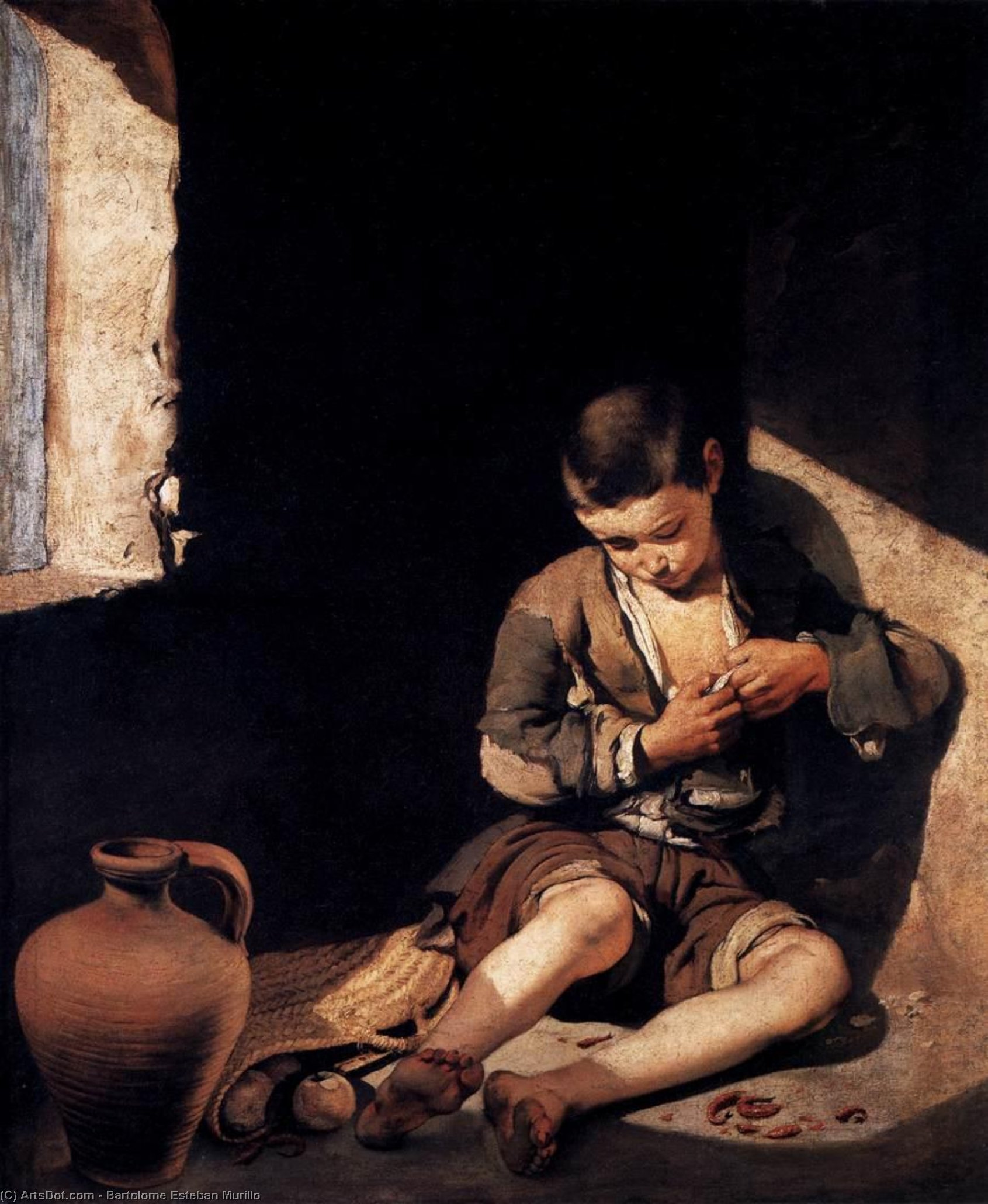
The Young Beggar (1650) ავტორის: ბარტოლომე ესტებან მურილიო

The Young Beggar

1650 · ზეთი ტილოზე

A single light source falls from above and to the right, striking the skin of a young boy seated on the ground. He occupies a dimly lit interior, his small frame positioned slightly off-center within the frame. His hands are occupied with a quiet, focused task: searching for and removing lice from his clothing. This act of self-grooming occurs amidst the debris of survival. To his left, a large earthenware…

5
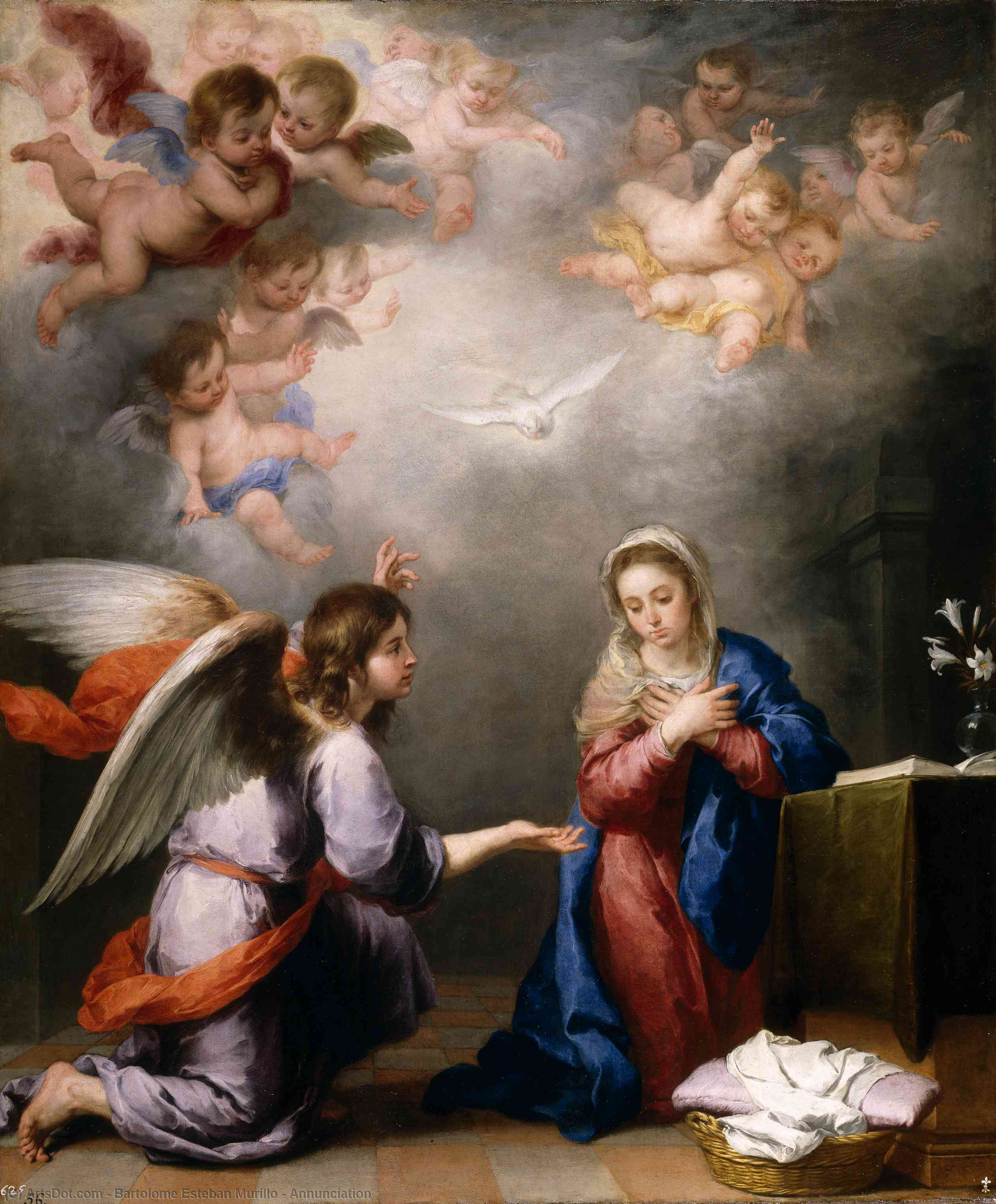
მაცნეს ავტორის: ბარტოლომე ესტებან მურილიო

მაცნეს

ზეთი ტილოზე · ერმიტაჟის მუზეუმი, სან-პეტერბურგი

The scene captures the moment Archangel Gabriel announces to Mary her role as the mother of Jesus Christ. Within a modestly furnished room, Mary kneels at a prie-dieu, her eyes cast downwards in a posture of profound reverence. A basket of handiwork sits aside, suggesting a quiet interruption of her daily labors. Above, the angel Gabriel appears with delicate wings and an expression of gentle authority, gesturing toward the dove…

6
The Baptism of Christ (1655) ავტორის: ბარტოლომე ესტებან მურილიო

The Baptism of Christ

1655 · Oil On Canvas · Gemäldegalerie, ბერლინი

To stand before this depiction of The Baptism of Christ is to be transported across the centuries, into the very crucible of Christian narrative. Bartolomé Esteban Murillo masterfully captures not merely an event, but a profound spiritual transition. The scene unfolds along the banks of the Jordan River, centering on the intimate yet monumental encounter between Jesus and John the Baptist. Observe the composition: Jesus stands with a quiet dignity…

7
the immaculate conception ავტორის: ბარტოლომე ესტებან მურილიო

the immaculate conception

Bartolomé Esteban Murillo's "The Immaculate Conception" isn’t merely a painting; it’s an immersion into the heart of 17th-century Spanish faith and artistic innovation. Completed around 1680, this oil on canvas masterpiece, currently residing in the Museo de Arte de Ponce in Puerto Rico, transcends its religious subject matter to become a profound meditation on grace, purity, and divine presence. Murillo, born in Seville amidst personal tragedy – the early loss…

8
The last supper ავტორის: ბარტოლომე ესტებან მურილიო

The last supper

Oil On Canvas

To stand before a depiction of The Last Supper by Bartolomé Esteban Murillo is to step directly into a moment suspended between profound intimacy and impending tragedy. This masterpiece, steeped in the rich tradition of 17th-century Spanish Baroque art, does more than merely illustrate a biblical narrative; it captures the very breath held in the space before destiny changes everything. Murillo’s handling of this iconic scene is nothing short of…

9
Saint Francis Receiving the Stigmata (1650) ავტორის: ბარტოლომე ესტებან მურილიო

Saint Francis Receiving the Stigmata

1650 · Oil On Canvas · English Heritage, ლონდონი

To gaze upon Bartolomé Esteban Murillo's depiction of Saint Francis Receiving the Stigmata is to step directly into the heart of Spanish Baroque piety. This masterful oil painting, executed in 1650, transcends mere portraiture; it is a profound meditation on sacrifice, divine connection, and spiritual ecstasy. The central figure, Saint Francis of Assisi, is captured in a moment of breathtaking vulnerability and ultimate grace. His outstretched arms seem not merely…

10
Immaculate Conception (1680) ავტორის: ბარტოლომე ესტებან მურილიო

Immaculate Conception

In the heart of the Spanish Baroque, Bartolomé Esteban Murillo captured a moment of profound spiritual transcendence in his masterpiece, The Immaculate Conception. Created around 1680, this oil on canvas serves as a luminous meditation on purity and devotion. The painting is characterized by its ethereal atmosphere, where a radiant glow emanates from behind the Virgin Mary, bathing her in a light that seems to defy earthly constraints. Through his…

ბარტოლომე ესტებან მურილიო-ის ცნობილი ნამუშევრები, 11-დან 100-მდე ნომრებით

11Virgin glorious ავტორის: ბარტოლომე ესტებან მურილიოVirgin glorious 12Vision of St Antony of Padua (1670) ავტორის: ბარტოლომე ესტებან მურილიოVision of St Antony of Padua1670 · ერმიტაჟის მუზეუმი 13დაკარგული შვილის დაბრუნება (1670) ავტორის: ბარტოლომე ესტებან მურილიოდაკარგული შვილის დაბრუნება1670 · National Gallery of Art 14The Apparition of the Virgin to Saint Ildefonso (1655) ავტორის: ბარტოლომე ესტებან მურილიოThe Apparition of the Virgin to Saint Ildefonso1655 · პრადოს მუზეუმი 15The Immaculate Conception (1665) ავტორის: ბარტოლომე ესტებან მურილიოThe Immaculate Conception1665 · National Gallery of Victoria 16Baptism of Christ (1665) ავტორის: ბარტოლომე ესტებან მურილიოBaptism of Christ1665 17An Old Woman Holding a Distaff and Spindle (1660) ავტორის: ბარტოლომე ესტებან მურილიოAn Old Woman Holding a Distaff and Spindle1660 18The Annunciation (1670) ავტორის: ბარტოლომე ესტებან მურილიოThe Annunciation1670 · Wallace Collection 19The Immaculate Conception (1670) ავტორის: ბარტოლომე ესტებან მურილიოThe Immaculate Conception1670 · Dayton Art Institute 20The Virgin of the Immaculate Conception (1670) ავტორის: ბარტოლომე ესტებან მურილიოThe Virgin of the Immaculate Conception1670 · Walters Art Museum 21Mary and Child with Angels Playing Music (1675) ავტორის: ბარტოლომე ესტებან მურილიოMary and Child with Angels Playing Music1675 22A Girl and her Duenna (1670) ავტორის: ბარტოლომე ესტებან მურილიოA Girl and her Duenna1670 23Baking of Flat Cakes (1650) ავტორის: ბარტოლომე ესტებან მურილიოBaking of Flat Cakes1650 · ერმიტაჟის მუზეუმი 24A Spanish Boy with a Dog (1665) ავტორის: ბარტოლომე ესტებან მურილიოA Spanish Boy with a Dog1665 25The Virgin and Child with St. Rosalina (1670) ავტორის: ბარტოლომე ესტებან მურილიოThe Virgin and Child with St. Rosalina1670 · თისენ-ბორნემიმზას მუზეუმი 26The Two Trinities (1682) ავტორის: ბარტოლომე ესტებან მურილიოThe Two Trinities1682 27The Heavenly and Earthly Trinities (The Pedroso Murillo) (1675) ავტორის: ბარტოლომე ესტებან მურილიოThe Heavenly and Earthly Trinities (The Pedroso Murillo)1675 28The Immaculate Conception (1665) ავტორის: ბარტოლომე ესტებან მურილიოThe Immaculate Conception1665 29Adoration of the Shepherds (1668) ავტორის: ბარტოლომე ესტებან მურილიოAdoration of the Shepherds1668 30Madonna in the Clouds (1660) ავტორის: ბარტოლომე ესტებან მურილიოMadonna in the Clouds1660 31The Holy Family with the Infant Baptist (1670) ავტორის: ბარტოლომე ესტებან მურილიოThe Holy Family with the Infant Baptist1670 · Wallace Collection 32Virgin and Child in Glory (1673) ავტორის: ბარტოლომე ესტებან მურილიოVirgin and Child in Glory1673 · Walker Art Gallery 33Self portrait (1673) ავტორის: ბარტოლომე ესტებან მურილიოSelf portrait1673 34A Knight of Alcántara or Calatrava (1650) ავტორის: ბარტოლომე ესტებან მურილიოA Knight of Alcántara or Calatrava1650 · მეტროპოლიტენის ხელოვნების მუზეუმი 35The Penintent Saint Jerome (1650) ავტორის: ბარტოლომე ესტებან მურილიოThe Penintent Saint Jerome1650 · პრადოს მუზეუმი 36Le jeune mendiant ავტორის: ბარტოლომე ესტებან მურილიოLe jeune mendiantლუვრი 37An Old Woman Spinning. (1650) ავტორის: ბარტოლომე ესტებან მურილიოAn Old Woman Spinning.1650 · პრადოს მუზეუმი 38The Immaculate Conception of the Virgin ავტორის: ბარტოლომე ესტებან მურილიოThe Immaculate Conception of the Virginნაციონალური გალერეა 39Saint Thomas of Villanueva Healing a Lame Man (Sketch) (1675) ავტორის: ბარტოლომე ესტებან მურილიოSaint Thomas of Villanueva Healing a Lame Man (Sketch)1675 · ბავარიის სახელმწიფო ფერწერის კოლექციები 40The Vision of Saint Francis of Paola (1670) ავტორის: ბარტოლომე ესტებან მურილიოThe Vision of Saint Francis of Paola1670 · ჟან პოლ გეტის მუზეუმი 41Le Christ au jardin des oliviers ავტორის: ბარტოლომე ესტებან მურილიოLe Christ au jardin des oliviersლუვრი 42San Agustín entre Cristo y la Virgen ავტორის: ბარტოლომე ესტებან მურილიოSan Agustín entre Cristo y la Virgenპრადოს მუზეუმი 43Sleeping Christ Child with Angels (1650) ავტორის: ბარტოლომე ესტებან მურილიოSleeping Christ Child with Angels1650 · ბავარიის სახელმწიფო ფერწერის კოლექციები 44L'apparition de l'Immaculée conception à six personnages ავტორის: ბარტოლომე ესტებან მურილიოL'apparition de l'Immaculée conception à six personnagesლუვრი 45Death of the Inquisitor Pedro de Arbues (1664) ავტორის: ბარტოლომე ესტებან მურილიოDeath of the Inquisitor Pedro de Arbues1664 · ერმიტაჟის მუზეუმი 46Adoration of the Magi (1660) ავტორის: ბარტოლომე ესტებან მურილიოAdoration of the Magi1660 · ტოლედოს ხელოვნების მუზეუმი 47Two boys playing dice (1670) ავტორის: ბარტოლომე ესტებან მურილიოTwo boys playing dice1670 · Academy of Fine Arts Vienna 48Self-Portrait (1650) ავტორის: ბარტოლომე ესტებან მურილიოSelf-Portrait1650 · The Frick Collection 49Archangel Michael plunges the devil into the abyss (1666) ავტორის: ბარტოლომე ესტებან მურილიოArchangel Michael plunges the devil into the abyss1666 · კუნსტისტორიშეს მუზეუმი 50The Angels' Kitchen (1646) ავტორის: ბარტოლომე ესტებან მურილიოThe Angels' Kitchen1646 51Saint Peter in prayer (1662) ავტორის: ბარტოლომე ესტებან მურილიოSaint Peter in prayer1662 · ვარშავის ეროვნული მუზეუმი 52The Adoration of the Magi (1670) ავტორის: ბარტოლომე ესტებან მურილიოThe Adoration of the Magi1670 · Dulwich Picture Gallery 53Saint Anne teaching the Virgin to read (1655) ავტორის: ბარტოლომე ესტებან მურილიოSaint Anne teaching the Virgin to read1655 · პრადოს მუზეუმი 54St. Justa and St. Rufina (1665) ავტორის: ბარტოლომე ესტებან მურილიოSt. Justa and St. Rufina1665 · დასავლეთው მხარეს ხელოვნების ეროვნული მუზეუმი 55The Flight into Egypt (1650) ავტორის: ბარტოლომე ესტებან მურილიოThe Flight into Egypt1650 · დეტროიტის ხელოვნების ინსტიტუტი 56Four Figures on a Step (1655) ავტორის: ბარტოლომე ესტებან მურილიოFour Figures on a Step1655 · კიმბელის ხელოვნების მუზეუმი 57The Prodigal Son taking leave of his Home (1660) ავტორის: ბარტოლომე ესტებან მურილიოThe Prodigal Son taking leave of his Home1660 · პრადოს მუზეუმი 58Madonna and Child (1638) ავტორის: ბარტოლომე ესტებან მურილიოMadonna and Child1638 59The Good Shepherd (1678) ავტორის: ბარტოლომე ესტებან მურილიოThe Good Shepherd1678 · შტედელის მუზეუმი 60The Holy Family with the Little Bird (1650) ავტორის: ბარტოლომე ესტებან მურილიოThe Holy Family with the Little Bird1650 · პრადოს მუზეუმი 61Christ Bearing the Cross (1670) ავტორის: ბარტოლომე ესტებან მურილიოChrist Bearing the Cross1670 · ფილადელფიის ხელოვნების მუზეუმი 62Two Franciscan Monks (1646) ავტორის: ბარტოლომე ესტებან მურილიოTwo Franciscan Monks1646 · კანადის ეროვნული გალერეა 63The Virgin and Child with Saints (1655) ავტორის: ბარტოლომე ესტებან მურილიოThe Virgin and Child with Saints1655 · Wallace Collection 64Laughing Shepherd Boy (1650) ავტორის: ბარტოლომე ესტებან მურილიოLaughing Shepherd Boy1650 · ბავარიის სახელმწიფო ფერწერის კოლექციები 65The Prodigal Son squandering his Inheritance (1660) ავტორის: ბარტოლომე ესტებან მურილიოThe Prodigal Son squandering his Inheritance1660 · პრადოს მუზეუმი 66The Annunciation (1680) ავტორის: ბარტოლომე ესტებან მურილიოThe Annunciation1680 · Rijksmuseum 67Portrait of a Nobleman (1670) ავტორის: ბარტოლომე ესტებან მურილიოPortrait of a Nobleman1670 · კანადის ეროვნული გალერეა 68Saint Thomas of Villanueva Giving Alms to the Poor (1665) ავტორის: ბარტოლომე ესტებან მურილიოSaint Thomas of Villanueva Giving Alms to the Poor1665 · ნორტონ სიმონის მუზეუმი 69The Holy Family (1640) ავტორის: ბარტოლომე ესტებან მურილიოThe Holy Family1640 · National Gallery of Ireland 70Sevillian Beggar Boys (Grape and Melon Eaters) (1650) ავტორის: ბარტოლომე ესტებან მურილიოSevillian Beggar Boys (Grape and Melon Eaters)1650 · ბავარიის სახელმწიფო ფერწერის კოლექციები 71Infant Sleeping (1660) ავტორის: ბარტოლომე ესტებან მურილიოInfant Sleeping1660 72Saint Mary Magdalene Renouncing the Worldly Life (1650) ავტორის: ბარტოლომე ესტებან მურილიოSaint Mary Magdalene Renouncing the Worldly Life1650 73The Prodigal Son Feeding Swine (1660) ავტორის: ბარტოლომე ესტებან მურილიოThe Prodigal Son Feeding Swine1660 · National Gallery of Ireland 74The Prodigal Son Driven Out (1660) ავტორის: ბარტოლომე ესტებან მურილიოThe Prodigal Son Driven Out1660 · National Gallery of Ireland 75The Departure of the Prodigal Son (1660) ავტორის: ბარტოლომე ესტებან მურილიოThe Departure of the Prodigal Son1660 · National Gallery of Ireland 76The Prodigal Son Receiving his Portion (1660) ავტორის: ბარტოლომე ესტებან მურილიოThe Prodigal Son Receiving his Portion1660 · National Gallery of Ireland 77St. John the Baptist with the Scribes and Pharisees (1655) ავტორის: ბარტოლომე ესტებან მურილიოSt. John the Baptist with the Scribes and Pharisees1655 · Fitzwilliam Museum 78Two Angels (1650) ავტორის: ბარტოლომე ესტებან მურილიოTwo Angels1650 · Musée d'Arts de Nantes 79The Christ Good Pastor (private collection) (1660) ავტორის: ბარტოლომე ესტებან მურილიოThe Christ Good Pastor (private collection)1660 80Virgin and Child, with rosary (1655) ავტორის: ბარტოლომე ესტებან მურილიოVirgin and Child, with rosary1655 81Saint Lawrence (1660) ავტორის: ბარტოლომე ესტებან მურილიოSaint Lawrence1660 82Adoration of the Sheperds (1655) ავტორის: ბარტოლომე ესტებან მურილიოAdoration of the Sheperds1655 · Gemäldegalerie 83S. Augustin washes Christ's Feet (1650) ავტორის: ბარტოლომე ესტებან მურილიოS. Augustin washes Christ's Feet1650 84The Infant Christ as the Good Shepherd (1650) ავტორის: ბარტოლომე ესტებან მურილიოThe Infant Christ as the Good Shepherd1650 · The Hunterian Museum and Art Gallery 85Santa Rufina (1665) ავტორის: ბარტოლომე ესტებან მურილიოSanta Rufina1665 86Laban Searching for his Stolen Household Gods (1665) ავტორის: ბარტოლომე ესტებან მურილიოLaban Searching for his Stolen Household Gods1665 · კლივল্যান্ডের ხელოვნების მუზეუმი 87Virgin and Child in Glory (1500) ავტორის: ბარტოლომე ესტებან მურილიოVirgin and Child in Glory1500 · Walker Art Gallery 88The Immaculate Conception (1670) ავტორის: ბარტოლომე ესტებან მურილიოThe Immaculate Conception1670 89A Putto-Angel holding something red: a fragment (1664) ავტორის: ბარტოლომე ესტებან მურილიოA Putto-Angel holding something red: a fragment1664 · Kingston Lacy 90The Nativity (1665) ავტორის: ბარტოლომე ესტებან მურილიოThe Nativity1665 · ჰიუსტონის fine arts მუზეუმი 91The Young Christ as the Good Shepherd (1662) ავტორის: ბარტოლომე ესტებან მურილიოThe Young Christ as the Good Shepherd1662 · ბოსტონის fine arts-ის მუზეუმი 92Faith (1664) ავტორის: ბარტოლომე ესტებან მურილიოFaith1664 93Dolorosa (1665) ავტორის: ბარტოლომე ესტებან მურილიოDolorosa1665 94The Vision of Saint Anthony of Padua (1670) ავტორის: ბარტოლომე ესტებან მურილიოThe Vision of Saint Anthony of Padua1670 · ბირმინგემის მუზეუმი და სახელოვნებო გალერეა 95The Infant Saint John Playing with a Lamb (1675) ავტორის: ბარტოლომე ესტებან მურილიოThe Infant Saint John Playing with a Lamb1675 · National Gallery of Ireland 96Portrait of a gentleman, aged 34, presumably a member of the Ostigliani family (1677) ავტორის: ბარტოლომე ესტებან მურილიოPortrait of a gentleman, aged 34, presumably a member of the Ostigliani family1677 97The Immaculate Conception (1680) ავტორის: ბარტოლომე ესტებან მურილიოThe Immaculate Conception1680 · კლივল্যান্ডের ხელოვნების მუზეუმი 98The Virgin and Child (1680) ავტორის: ბარტოლომე ესტებან მურილიოThe Virgin and Child1680 · Woburn Abbey 99Angel Raphael with a fish (1680) ავტორის: ბარტოლომე ესტებან მურილიოAngel Raphael with a fish1680 100Virgin and Child (1680) ავტორის: ბარტოლომე ესტებან მურილიოVirgin and Child1680

ბარტოლომე ესტებან მურილიო-ის ცნობილი სურათები, პერიოდების მიხედვით

სუბიექტები, რომლებმაც ბარტოლომე ესტებან მურილიო-ის ყურადღება მიიპყრო

ამ ორიგინალებში ყველაზე ხშირად განმეორებადი არის 네 თემა, რომელთაგან თითოეულს თავისი საუკეთესო ნიმუში წარმოგვიდგება.

მუზეუმები, სადაც ბარტოლომე ესტებან მურილიო-ის ორიგინალები ინახება

ამ გვერდზე წარმოდგენილი მხატვრობის შედეგების უმეტესობას 8 მუზეუმი ინახავს.

მუზეუმი ქალაქი ბარტოლომე ესტებან მურილიო შემოქმედებაలు ამ სიიდან მოპოვებული ნახატები
პრადოს მუზეუმი, მადრიდიპრადოს მუზეუმი მადრიდი 41 სულტის უმწეო ვანასქესული ჩასახვა, The Apparition of the Virgin to Saint Ildefonso, The Penintent Saint Jerome
National Gallery of Ireland, დუბლინიNational Gallery of Ireland დუბლინი 10 The Holy Family, The Prodigal Son Feeding Swine, The Prodigal Son Driven Out
ბავარიის სახელმწიფო ფერწერის კოლექციები, მუნხენიბავარიის სახელმწიფო ფერწერის კოლექციები მუნხენი 11 ორი ბავშვი ჭამს Meloni და ყურძენს, Saint Thomas of Villanueva Healing a Lame Man (Sketch), Sleeping Christ Child with Angels
ერმიტაჟის მუზეუმი, სან-პეტერბურგიერმიტაჟის მუზეუმი სან-პეტერბურგი 12 მაცნეს, Vision of St Antony of Padua, Baking of Flat Cakes
ლუვრი, პარიზილუვრი პარიზი 10 Le jeune mendiant, Le Christ au jardin des oliviers, L'apparition de l'Immaculée conception à six personnages
Wallace Collection, ლონდონიWallace Collection ლონდონი 9 The Annunciation, The Holy Family with the Infant Baptist, The Virgin and Child with Saints
Gemäldegalerie, ბერლინიGemäldegalerie ბერლინი 4 The Baptism of Christ, Adoration of the Sheperds
კანადის ეროვნული გალერეა, ოტავაკანადის ეროვნული გალერეა ოტავა 3 Two Franciscan Monks, Portrait of a Nobleman

ბარტოლომე ესტებან მურილიო ათწლეულების განმავლობაში: თითოეულ დეკადესთვის ერთი უნიკალური ორიგინალი

ნამუშევრები ათწლეულების მიხედვით

შეარჩიეთ ათწლეული, რათა ნახოთ ის ორიგინალი ნამუშევარი, რომელიც მას განსაზღვრავს.

ბარტოლომე ესტებან მურილიო-ის ნახატები: კითხვები გალერეისთვის

რა არის ბარტოლომე ესტებან მურილიო-ის ყველაზე ცნობილი ნამუშწარებიდან ერთერთი?გაამჟღავნეთ პასუხი

სულტის უმწეო ვანასქესული ჩასახვა (1678), პრადოს მუზეუმი, მადრიდი. შემდეგ მოდიან ორი ბავშვი ჭამს Meloni და ყურძენს (1646) და ორი ქალი ფანჯარასთან (1660).

რა ასაკში შექმნა ბარტოლომე ესტებან მურილიო-მა სულტის უმწეო ვანასქესული ჩასახვა?გაამჟღავნეთ პასუხი

61 წლის: სულტის უმწეო ვანასქესული ჩასახვა შექმნილია 1678 წელს, ხოლო ბარტოლომე ესტებან მურილიო დაიბადა 1617 წელს.

ბარტოლომე ესტებან მურილიო-ის რომელი 열ათმე ნახატია ყველაზე ცნობილი?გაამჟღავნეთ პასუხი

სულტის უმწეო ვანასქესული ჩასახვა, ორი ბავშვი ჭამს Meloni და ყურძენს, ორი ქალი ფანჯარასთან, The Young Beggar, მაცნეს, The Baptism of Christ, the immaculate conception, The last supper, Saint Francis Receiving the Stigmata და Immaculate Conception. ზემოთ მოცემული რეიტინგი ასახავს თითოეულის შემოქმედების წელსა და მუზეუმს.

რამდენი ნამუშწარებია ცნობილი ბარტოლომე ესტებან მურილიო-ის შემოქმედებიდან?გაამჟღავნეთ პასუხი

ჩვენს კატალოგში წარმოდგენილია 454 ნამუშწევრი ბარტოლომე ესტებან მურილიო-ისგან, დათარიღებული 1638-დან 1682-მდე.

სად შეიძლება ყველაზე ცნობილი ბარტოლომე ესტებან მურილიო-ის ორიგინალების ნახვა?გაამჟღავნეთ პასუხი

ძირითადად პრადოს მუზეუმი (მადრიდი), National Gallery of Ireland (დუბლინი) და ბავარიის სახელმწიფო ფერწერის კოლექციები (მუნხენი)-ში. ზემოთ მოცემულ მუზეუმების ცხრილში ისინი ყველა listed.

რა პერიოდში შექმნა ბარტოლომე ესტებან მურილიო-მა ყველაზე ცნობილი სურათები?გაამჟღავნეთ პასუხი

1660s-ში: ამ გვერდზე წარმოდგენილი 100 ნამუშწარwerksიდან 30 შეიქმნა მაშინ, მათგან ორი ქალი ფანჯარასთან.

რომელი ცნობილი ბარტოლომე ესტებან მურილიო ტილოა ყველაზე ადრეული და რომელი — ყველაზე გვიანდელი?გაამჟღავნეთ პასუხი

ამ გვერდზე ყველაზე ადრეული არის Madonna and Child (1638), ხოლო ყველაზე გვიანდელი — The Two Trinities (1682).

რა თემებს ანიჭებდა უპირატესობას ბარტოლომე ესტებან მურილიო?გაამჟღავნეთ პასუხი

Clouds (22), Woman (22) და Man (21), ამ გვერდზე წარმოდგენილ 100 ნამუშწარეს შორის.

რა მასალებით ხატავდა ყველაზე ხშირად ბარტოლომე ესტებან მურილიო?გაამჟღავნეთ პასუხი

Oil On Canvas, ამ გვერდზე არსებული 100 ნამუშწაროსგან 77 ცალიდან.

ბარტოლომე ესტებან მურილიო-ის შემოქმედება რომელ მიმდინარეობას მიეკუთვნება?გაამჟღავნეთ პასუხი

Ბაროკო, ამ გვერდზე წარმოდგენილი ორიგინალების მიხედვით.

რა ბარტოლომე ესტებან მურილიო-ის ორიგინალების ნახვა შემიძლია პრადოს მუზეუმი-ში?გაამჟღავნეთ პასუხი

სულტის უმწეო ვანასქესული ჩასახვა, The Apparition of the Virgin to Saint Ildefonso და The Penintent Saint Jerome: პრადოს მუზეუმი, მადრიდი-ში წარმოდგენილია ამ გვერდზე მოცემული ნამუშევრების 9 ცალი.

ბარტოლომე ესტებან მურილიო: მხატვრის პორტრეტი

Early Life, Family and Training

The story of Bartolomé Esteban Murillo begins in the heart of Seville, where he was born in late December 1617. He was baptized on 1 January 1618, entering a world that would soon demand much of him. His father, Gaspar Esteban, worked as a barber surgeon, and his mother was María Pérez Murillo. Life for the young boy was marked by early loss, as he was orphaned during his childhood. Following the deaths of his parents, he was taken in by his sister, Ana, and her husband, Juan Agustín Lagares. His stepfather was also a barber, and it was within this family circle that the boy found stability and a sense of belonging.

Artistic training for Bartolomé Esteban Murillo likely began when he was between twelve and fifteen years old. He entered the workshop of Juan del Castillo, a painter who was both his uncle and his godfather. Under Castillo’s guidance, he learned the foundational skills of his craft. This early apprenticeship provided the technical grounding that would support his later development. He eventually moved beyond the workshop of his mentor, having gained the necessary skills to pursue his own path as a Spanish Baroque painter.

Technique and Style

Murillo’s hand changed as he grew, moving away from the heavy, somber realism of his early years toward a more idealized way of seeing. In his youth, his work carried the weight and gravity of the Baroque tradition, but he eventually found a way to soften those edges. This evolution led him toward a lighter, more vaporous style in his later years. He had a way of building up forms through a layered approach, using delicate glazes and subtle brushwork to create depth. His use of color was particularly effective, producing luminous effects that seemed to emanate from within the canvas itself.

Despite the complexity of these layers, he was a prolific painter who often worked alla prima. This allowed him to complete paintings in relatively short periods, capturing a sense of immediacy. He did not rely on the dark, heavy palettes of some of his contemporaries; instead, his technique focused on a masterful manipulation of light and shadow. This approach gave his subjects a sense of warmth and accessibility, making the divine feel close and the everyday feel significant.

Key Works and Subject Matter

Murillo’s brush often turned toward the spiritual, finding a particular calling in his depictions of the Immaculate Conception. These religious works became a central part of his output, reflecting the deep devotion of his era. He also found profound meaning in the faces of the people around him, producing many paintings of contemporary women and children. These subjects were often rendered with a sense of warmth that made the sacred feel accessible and the everyday feel significant.

Beyond the quietude of religious devotion, he looked directly at the social realities of Seville. His genre scenes captured the lives of those often overlooked by history, such as flower girls, street urchins, and beggars. In these works, he did not shy away from the presence of poverty, yet he approached his subjects with a steady, empathetic gaze. This interest in the human condition is visible in works like The Young Beggar, which is held in the Musée du Louvre, and his Self-Portrait, currently in The Frick Collection, New York City.

His ability to balance the divine with the earthly allowed him to move seamlessly between different worlds. He could paint the celestial grace of The Annunciation, found in the Wallace Collection, London, with the same sincerity he used to document a child's play or a beggar's plea. This range ensured his work spoke to both the high altars of churches and the crowded streets of the city.

Legacy and Influence

Murillo’s reach stretched far beyond the streets of Seville, leaving a mark on the artistic landscape of Europe. His ability to blend religious devotion with a sense of human warmth meant that his influence traveled across borders, reaching painters who would come long after his time. Later artists, including Gainsborough and Greuze, acknowledged the impact of his luminous style on their own approach to light and form. He did not merely paint for the immediate needs of his era; he created a visual language that continued to speak to people across different centuries.

The endurance of his work is evident in the way his paintings are preserved and studied today. His canvases have found homes in prestigious museums across the globe, ensuring that his perspective on the human condition remains accessible. From the quiet dignity of his portraits to the soft light of his religious scenes, his art continues to offer something meaningful to those who encounter it. Even centuries after his death in 1682, his work remains a source of inspiration for those drawn to the intersection of grace and everyday reality.

Where to See the Works Today

To encounter the quiet grace of Murillo’s brushwork, one must travel through the great halls of Europe and beyond. In Spain, the Museo del Prado in Madrid holds several of his paintings, offering a direct connection to the spirit of the Golden Age. For those visiting the southern coast, the Museum of Cádiz in Cadiz also preserves his hand. These collections allow us to see how his style evolved from the heavy realism of his youth toward the softer, more luminous approach that defined his later years.

His reach extended far across borders, leaving a presence in many of the most significant institutions in the world. In France, the Louvre in Paris houses works that reflect his ability to capture human emotion. The Hermitage Museum in Saint Petersburg also maintains a collection of his paintings, while the Wallace Collection in London provides a space to observe his skill in detail. Even in the United States, his influence remains visible at the Timken Museum of Art in San Diego.