


1


განახლდა ნოემბერი 2026 · დალაგებულია ჩვენი პოპულარობის ქულების მიხედვით (ძიება, ნახვა და შეკვეთები თითოეული ნამუშწაროსთვის) · 12 ნამუშევარი Barent Gael ჩვენს კატალოგში
მოკლედ რომ ვთქვათ
Peasants by a cottage with a horse stalling (1655) არის Barent Gael მხატვრის ის ნამუშწარები, რომელიც ყველაზე მეტ ყურადღებას იქცევს. ამის შემდეგ, მზერა გადადის Pig Trade (1664)-სა და Rest Before the Tavern (1662)-ზე. ჩვენს კატალოგში არსებული Barent Gael-ის 12 ნამუშწაროდან ეს 11 ყველაზე ცნობილია; თითოეული მათგანი წარმოადგენს უნიკალურ ორიგინალს, რომელიც წარმოდგენილია წელით, მუზეუმითა და იმ მიზეზით, რის გამოც ის დღემდე ცოცხლობს.


ამ გვერდზე წარმოდგენილი მხატვრობის შედეგების უმეტესობას 6 მუზეუმი ინახავს.
| მუზეუმები | ქალაქი | Barent Gael შემოქმედება | ამ სიიდან ნახატები |
|---|---|---|---|
 ბავარიის სახელმწიფო ფერწერის კოლექციები |
მუნხენი | 4 | Pig Trade, Rest Before the Tavern, Farmhouse |
 Museum Boijmans Van Beuningen |
როტერდამი | 2 | The Pancake Cook, Rest at a Village Inn |
 Museum Flehite |
Amersfoort | 1 | Riders and Infantry near a Smithy in a Village |
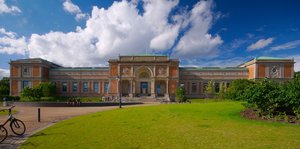 Statens Museum For Kunst |
კობენჰაგენი | 1 | Horsemen by an Inn |
 ბელგიის სახვით ხელოვნების სამეფო მუზეუმები |
ბრიუსელი | 1 | The inn |
 National Gallery of Ireland |
დუბლინი | 1 | Landscape with Figures |
შეარჩიეთ ათწლეული, რათა ნახოთ ის ორიგინალი ნამუშევარი, რომელიც მას განსაზღვრავს.
Peasants by a cottage with a horse stalling (1655). შემდეგ მოდიან Pig Trade (1664) და Rest Before the Tavern (1662).
25 წლის: Peasants by a cottage with a horse stalling შექმნილია 1655 წელს, ხოლო Barent Gael დაიბადა 1630 წელს.
Peasants by a cottage with a horse stalling, Pig Trade, Rest Before the Tavern, Riders and Infantry near a Smithy in a Village, Horsemen by an Inn, The Pancake Cook, Rest at a Village Inn, The inn, Farmhouse და Landscape with Figures. ზემოთ მოცემული რეიტინგი ასახავს თითოეულის შემოქმედების წელსა და მუზეუმს.
ჩვენს კატალოგში წარმოდგენილია 12 ნამუშწევრი Barent Gael-ისგან, დათარიღებული 1655-დან 1680-მდე.
ძირითადად ბავარიის სახელმწიფო ფერწერის კოლექციები (მუნხენი), Museum Boijmans Van Beuningen (როტერდამი) და Museum Flehite (Amersfoort)-ში. ზემოთ მოცემულ მუზეუმების ცხრილში ისინი ყველა listed.
1660s-ში: ამ გვერდზე წარმოდგენილი 11 ნამუშწარwerksიდან 4 შეიქმნა მაშინ, მათგან Pig Trade.
ამ გვერდზე ყველაზე ადრეული არის Peasants by a cottage with a horse stalling (1655), ხოლო ყველაზე გვიანდელი — The Pancake Cook (1680).
Pig Trade, Rest Before the Tavern და Farmhouse: ბავარიის სახელმწიფო ფერწერის კოლექციები, მუნხენი-ში წარმოდგენილია ამ გვერდზე მოცემული ნამუშევრების 4 ცალი.
In the bustling heart of the Dutch Golden Age, a period defined by a profound appreciation for the tangible world, Barent Gael emerged as a painter of quiet observation. Born in Haarlem, his life was deeply intertwined with the cultural pulse of the Netherlands. He was a man of particular temperament, possessed of a certain stubborn independence that occasionally put him at odds with those who sought his services. There is a story of a patron who arrived at his home for a viewing, only to be told by the artist that he was not at home. This refusal to bend to the whims of others followed him; when the same patron later met him to receive a finished work, Gael reportedly claimed he was once again not at home, leading the insulted man to refuse payment.
His artistic path was shaped by the rigorous traditions of the Haarlem school. While the archives do not provide a definitive record of his apprenticeship, he showed a strong influence from his Haarlem colleagues and the style of Philips Wouwerman. This connection is visible in his ability to compose scenes involving animals and travelers with a sense of structured harmony. He mastered the art of atmospheric perspective, layering subtle tones of color to create an illusion of vast, receding space. Through this method, distant hills and hazy horizons seem to breathe, pulling the spectator into the painted environment.
Gael’s work often focused on the serene beauty of the countryside, finding a sense of permanence in the mundane. He moved from the established artistic circles of Haarlem to the bustling streets of Amsterdam between 1661 and 1673, remaining in the latter city until his death. His canvases provide a window into a soul captivated by the simplicity of rural existence, from the soft glow of sunlight hitting a wayside inn to the delicate interplay of light and shadow upon a shepherd’s path.
His technical approach was marked by a deliberate and understated hand. Rather than relying on flamboyant strokes, he employed a restraint that allowed him to focus on the nuances of texture. His subjects often included:
Though his large oeuvre is sometimes described as somewhat monotonous, his dedication to realism and tonal balance remained constant. He was a prominent figure in the Haarlem Guild of St. Luke by 1642, and his presence in the artistic community was noted long after his most active years. His latest known dated painting dates to 1679, yet his work continues to offer a view into a world where time slows down, inviting the viewer to find meaning in the details of the natural landscape.
