ავგუსტუს პუგინი პორტრეტი

ავგუსტუს პუგინი-ის ნახატები: 6 ყველაზე ცნობილი ნამუშევარი, গალერეის თcraftით

განახლდა ნოემბერი 2026 · დალაგებულია ჩვენი პოპულარობის ქულების მიხედვით (ძიება, ნახვა და შეკვეთები თითოეული ნამუშწაროსთვის) · 6 ნამუშევარი ავგუსტუს პუგინი ჩვენს კატალოგში

მოკლედ რომ ვთქვათ

გალერეის შეხედულებით, ავგუსტუს პუგინი-ის ყველაზე ცნობილი ნამუშწაროა Brooch (1848), რომლის ორიგინალი ვიქტორია და ალბერტის მუზეუმი-ში, ლონდონი-ში hangs. Necklace and cross (1843) და The Great Hall, Bank of England (1808) ქმნიან იმ ტრიოს, რომელიც ყველამ იცნობს. ჩვენს კატალოგში არსებული ავგუსტუს პუგინი-ის 6 ნამუშწაროდან, გალერეა ქვემოთ წარმოგიდგენთ 6 ყველაზე ცნობილ მათგანს; თითოეული მათგანი არის ორიგინალი, რომლის აღწერა მოიცავს შემოქმედების წელს, მუზეუმს და იმ დეტალებს, რაც მას უნიკალურს ხდის.

1812 – 1852, ბლუმსბერი ყველაზე მეტი ნამشევრი: ვიქტორია და ალბერტის მუზეუმი

გალერეის ავგუსტუს პუგინი 10 საუკეთესო ნამი에도

1
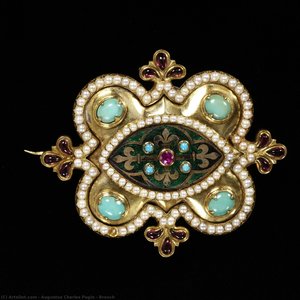
Brooch (1848) ავტორის: ავგუსტუს პუგინი

Brooch

1848 · Acrylic On Canvas · ვიქტორია და ალბერტის მუზეუმი, ლონდონი

The English architect and designer Augustus Charles Pugin’s work is often associated with the grandeur of the Palace of Westminster, but within his lesser-known realm of jewelry lies a captivating testament to his artistic vision – the “Brooch,” a piece that whispers of medieval splendor and personal devotion. Crafted in 1848, this brooch isn't merely an ornament; it’s a miniature embodiment of Pugin’s fervent belief in the restorative power of…

2
Necklace and cross (1843) ავტორის: ავგუსტუს პუგინი

Necklace and cross

1843 · Acrylic On Canvas · ვიქტორია და ალბერტის მუზეუმი, ლონდონი

The image before us presents more than just a collection of gold, enamel, and gemstones; it's a window into the opulent aesthetic sensibilities of 19th-century Britain. Specifically, this exquisite necklace and pendant, crafted by Augustus Charles Pugin around 1843 for Louisa Burton – the second wife of the renowned architect A.W.N. Pugin – embodies the Victorian era’s fascination with Gothic Revival design, a movement that sought to recapture the perceived…

6
X-Frame Chair (1847) ავტორის: ავგუსტუს პუგინი

X-Frame Chair

1847

A. W. N. Pugin was one of England´s most influential designers in the 1830s and 1840s. His commissions included furniture for Windsor Castle and the interiors of the Houses of Parliament in London.Pugin believed English Gothic architecture should be the basis for the country’s national style. To him, it was the only appropriate style for English public institutions. This chair form was originally designed for the Prince’s Chamber in the…

სუბიექტები, რომლებმაც ავგუსტუს პუგინი-ის ყურადღება მიიპყრო

ამ ორიგინალებში ყველაზე ხშირად განმეორებადი არის 네 თემა, რომელთაგან თითოეულს თავისი საუკეთესო ნიმუში წარმოგვიდგება.

მუზეუმები, სადაც ავგუსტუს პუგინი-ის ორიგინალები ინახება

ამ გვერდზე წარმოდგენილი მხატვრობის შედეგების უმეტესობას 3 მუზეუმი ინახავს.

მუზეუმი ქალაქი ავგუსტუს პუგინი შემოქმედებაలు ამ სიიდან მოპოვებული ნახატები
ვიქტორია და ალბერტის მუზეუმი, ლონდონივიქტორია და ალბერტის მუზეუმი ლონდონი 2 Brooch, Necklace and cross
Bank of England Museum, LondonBank of England Museum London 1 The Great Hall, Bank of England
ბირმინგემის მუზეუმი და სახელოვნებო გალერეა, ბირმინგემიბირმინგემის მუზეუმი და სახელოვნებო გალერეა ბირმინგემი 1 The Entrance Hall of Pugin's House at Ramsgate

ავგუსტუს პუგინი, ყოველი წლის გამორჩეული ნამუშევრები

29 წელი ავგუსტუს პუგინი-ის შემოქმედებიდან 1821-დან 1849-მდე: გალერეა მათ წელიწადী마다, თითოეული მათგანის ყველაზე ცნობილი ორიგინალების მეშვეობით

ნამუშევრები წლების მიხედვით

შეარჩიეთ წელი ორიგინალების სანახავად.

ავგუსტუს პუგინი-ის ნახატები: გალერეის პასუხები

რომელი ავგუსტუს პუგინი ტილოა ყველაზე ცნობილი?გაამჟღავნეთ პასუხი

Brooch (1848), ვიქტორია და ალბერტის მუზეუმი, ლონდონი. შემდეგ მოდიან Necklace and cross (1843) და The Great Hall, Bank of England (1808).

რამდენage იყო ავგუსტუს პუგინი Brooch-ის დასრულებისას?გაამჟღავნეთ პასუხი

36 წლის: Brooch შექმნილია 1848 წელს, ხოლო ავგუსტუს პუგინი დაიბადა 1812 წელს.

რამდენიმე ნამუშწარები შექმნა ავგუსტუს პუგინი-მა?გაამჟღავნეთ პასუხი

ჩვენს კატალოგში წარმოდგენილია 6 ნამუშწევრი ავგუსტუს პუგინი-ისგან, დათარიღებული 1821-დან 1849-მდე.

სად hanging ავგუსტუს პუგინი-ის ყველაზე ცნობილი ორიგინალები?გაამჟღავნეთ პასუხი

ძირითადად ვიქტორია და ალბერტის მუზეუმი (ლონდონი), Bank of England Museum (London) და ბირმინგემის მუზეუმი და სახელოვნებო გალერეა (ბირმინგემი)-ში. ზემოთ მოცემულ მუზეუმების ცხრილში ისინი ყველა listed.

რომლებიც ავგუსტუს პუგინი-ის ყველაზე ადრეული და ბოლო ცნობილი ნამუშევრებია?გაამჟღავნეთ პასუხი

ამ გვერდზე ყველაზე ადრეული არის Specimens of Gothic Architecture (frontispiece) (1821), ხოლო ყველაზე გვიანდელი — The Entrance Hall of Pugin's House at Ramsgate (1849).

რა ტექნიკით მუშაობდა ავგუსტუს პუგინი ყველაზე ხშირად?გაამჟღავნეთ პასუხი

Acrylic On Canvas, ამ გვერდზე არსებული 6 ნამუშწაროსგან 2 ცალიდან.

რომელი ავგუსტუს პუგინი-ის ორიგინალები ინახავს ვიქტორია და ალბერტის მუზეუმი?გაამჟღავნეთ პასუხი

Brooch და Necklace and cross: ვიქტორია და ალბერტის მუზეუმი, ლონდონი-ში წარმოდგენილია ამ გვერდზე მოცემული ნამუშევრების 2 ცალი.

ავგუსტუს პუგინი: მხატვარი

The Architect of Shadows: The Life and Legacy of Augustus Charles Pugin

In the grand tapestry of nineteenth-century design, few threads are as intricate or as influential as those woven by Augustus Charles Pugin. A figure whose work bridged the gap between meticulous scientific observation and the romanticized grandeur of the past, Pugin emerged as a pivotal force in the Gothic Revival movement. Though his name may not always command the immediate recognition of the great masters of oil painting, his impact on the very fabric of British architecture and decorative arts remains profound. Born into an era of rapid industrial transformation, he dedicated his life to capturing the soul of the Gothic style, ensuring that the elegance of medieval craftsmanship was not lost to the encroaching shadows of modernity.

Pugin’s journey was one defined by a deep, scholarly devotion to the structural and ornamental nuances of history. As a French-born British artist, draughtsman, and writer, he possessed a unique dual perspective—the precision of a continental trained eye paired with an intense passion for the English architectural heritage. His early mastery of the draughtsman’s craft allowed him to document the complexities of stone, wood, and glass with an accuracy that was both artistic and educational. Through his detailed illustrations, he did more than merely record buildings; he breathed life into their forgotten details, inviting a new generation to rediscover the spiritual and aesthetic power of the Gothic form.

A Visionary of the Gothic Revival

The true significance of Pugin’s contribution lies in his ability to translate historical motifs into a functional language for contemporary design. He was not merely a nostalgic observer but a visionary who understood that for an architectural style to survive, it must be documented, studied, and then re-applied to the living world. His seminal work, Specimens of Gothic Architecture, serves as a testament to this dedication. In these pages, his pen traced the delicate tracery of windows, the strength of pointed arches, and the intricate patterns of medieval ornamentation, providing a blueprint for the architects who would follow in his footsteps.

His influence extended far beyond the printed page, permeating the realms of:

  • Architectural Illustration: Creating highly detailed records that served as essential references for the reconstruction and preservation of historic structures.
  • Decorative Arts: Designing patterns and motifs that could be integrated into everything from furniture to metalwork, ensuring a cohesive Gothic aesthetic across various media.
  • Design Theory: Promoting the idea that beauty in design is inextricably linked to structural honesty and historical continuity.

Through his tireless work as a designer and writer, Pugin helped shape the visual identity of an era. His ability to blend the technical rigor of a draughtsman with the poetic sensibility of an artist allowed him to influence not just the way buildings looked, but the way people perceived the relationship between history, art, and the built environment. He remains a cornerstone figure for anyone seeking to understand the resurgence of medievalism in the nineteenth century, leaving behind a legacy of intricate beauty that continues to inspire awe and reverence.