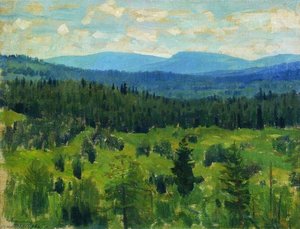
აპოლინარი ვასნეცოვი პორტრეტი

49 ყველაზე ცნობილი აპოლინარი ვასნეცოვი-ის ნახატი, თითოეული მათგანი უნიკალური

განახლდა ოქტომბერი 2026 · დალაგებულია ჩვენი პოპულარობის ქულების მიხედვით (ძიება, ნახვა და შეკვეთები თითოეული ნამუშწაროსთვის) · 49 ნამუშევარი აპოლინარი ვასნეცოვი ჩვენს კატალოგში

მოკლედ რომ ვთქვათ

Morning (1892) არის აპოლინარი ვასნეცოვი მხატვრის ის ნამუშწარები, რომელიც ყველაზე მეტ ყურადღებას იქცევს. ამის შემდეგ, მზერა გადადის Elegy (1893)-სა და The Myasnitsky Gate in Moscow, XVII Century (1926)-ზე. ჩვენს კატალოგში არსებული აპოლინარი ვასნეცოვი-ის 49 ნამუშწაროდან ეს 49 ყველაზე ცნობილია; თითოეული მათგანი წარმოადგენს უნიკალურ ორიგინალს, რომელიც წარმოდგენილია წელით, მუზეუმითა და იმ მიზეზით, რის გამოც ის დღემდე ცოცხლობს.

1856 – 1933, რიაბოვო Peredvizhniki ყველაზე მეტი ნამشევრი: Museum of Moscow

აპოლინარი ვასნეცოვი-ის 10 საუკეთესო ნამუშgeryო, გალერეის თcraftით

1
Morning (1892) ავტორის: აპოლინარი ვასნეცოვი

Morning

1892

There is a certain stillness that only arrives with the mist. In this 1892 work, the landscape is swallowed by a soft, pervasive fog that blurs the distinction between the earth and the sky. We find ourselves looking out over a vast field, where the dampness of the morning seems to cling to the very brushstrokes. A wooden fence cuts a steady line through the terrain, providing a sense of…

2
Elegy (1893) ავტორის: აპოლინარი ვასნეცოვი

Elegy

1893

A man sits upon a low wall, his gaze fixed upon a monument or tombstone. The scene is rendered in monochrome, stripping away the distraction of color to focus on the weight of the moment. Trees frame the composition, their forms reaching into a quiet sky, while two distant figures occupy the periphery, emphasizing the isolation of the central subject. The atmosphere is one of heavy contemplation, a stillness that…

3
The Myasnitsky Gate in Moscow, XVII Century (1926) ავტორის: აპოლინარი ვასნეცოვი

The Myasnitsky Gate in Moscow, XVII Century

1926 · Watercolor

A snowy street scene unfolds in this 1926 watercolor, reconstructing the atmosphere of 17th-century Moscow. The composition centers on the bustling activity of a city in winter, where the weight of the season is felt through the accumulation of snow on the ground and rooftops. Figures move through the landscape, some on foot and others riding horses, while carts navigate the thoroughfare. In the background, the silhouettes of churches and…

აპოლინარი ვასნეცოვი-ის ცნობილი ნამუშევრები, 11-დან 49-მდე ნომრებით

11The Dnieper River before the Storm (1888) ავტორის: აპოლინარი ვასნეცოვიThe Dnieper River before the Storm1888 12Landscape in the Ural Mountains (1891) ავტორის: აპოლინარი ვასნეცოვიLandscape in the Ural Mountains1891 13Mountain Landscape (1895) ავტორის: აპოლინარი ვასნეცოვიMountain Landscape1895 14The Moscow Kremlin (1897) ავტორის: აპოლინარი ვასნეცოვიThe Moscow Kremlin1897 15The Kama River (1895) ავტორის: აპოლინარი ვასნეცოვიThe Kama River1895 · ტრესტიაკოვის სახელმწიფო გალერეა 16Mountain Lake (1895) ავტორის: აპოლინარი ვასნეცოვიMountain Lake1895 17The District of Marksman Troops in Moscow (1897) ავტორის: აპოლინარი ვასნეცოვიThe District of Marksman Troops in Moscow1897 18Kitai Gorod, Moscow (1902) ავტორის: აპოლინარი ვასნეცოვიKitai Gorod, Moscow1902 19Lake (1902) ავტორის: აპოლინარი ვასნეცოვიLake1902 20Moscow under Ivan the Terrible (1902) ავტორის: აპოლინარი ვასნეცოვიMoscow under Ivan the Terrible1902 21Market in the 17th Century (1903) ავტორის: აპოლინარი ვასნეცოვიMarket in the 17th Century1903 22The Hermitage (1901) ავტორის: აპოლინარი ვასნეცოვიThe Hermitage1901 23The Jesters (1904) ავტორის: აპოლინარი ვასნეცოვიThe Jesters1904 24Moscow Street, Early XVII Century (1900) ავტორის: აპოლინარი ვასნეცოვიMoscow Street, Early XVII Century1900 · სახელმწიფო რუსეთის მუზეუმი 25Ivan the Great Square in the Moscow Kremlin (1903) ავტორის: აპოლინარი ვასნეცოვიIvan the Great Square in the Moscow Kremlin1903 26Moscow in the late XVII Century (1902) ავტორის: აპოლინარი ვასნეცოვიMoscow in the late XVII Century1902 27In the Shadow (1907) ავტორის: აპოლინარი ვასნეცოვიIn the Shadow1907 28Jungfrau (1912) ავტორის: აპოლინარი ვასნეცოვიJungfrau1912 29Kirilllo Belozersky Monastery (1915) ავტორის: აპოლინარი ვასნეცოვიKirilllo Belozersky Monastery1915 30Market in Nizhny Novgorod (1913) ავტორის: აპოლინარი ვასნეცოვიMarket in Nizhny Novgorod1913 31Moscow Prison, XVI Century (1912) ავტორის: აპოლინარი ვასნეცოვიMoscow Prison, XVI Century1912 32Messengers in the Kremlin (1913) ავტორის: აპოლინარი ვასნეცოვიMessengers in the Kremlin1913 33The Moscow Kremlin in the XIV Century (1922) ავტორის: აპოლინარი ვასნეცოვიThe Moscow Kremlin in the XIV Century1922 · Museum of Moscow 34The Moscow Kremlin in the late XVII Century (1922) ავტორის: აპოლინარი ვასნეცოვიThe Moscow Kremlin in the late XVII Century1922 · Museum of Moscow 35Moscow in the XIV Century (1918) ავტორის: აპოლინარი ვასნეცოვიMoscow in the XIV Century1918 · Kostroma Historical and Architectural Museum-Reserve 36The Moscow Kremlin under Ivan I (1921) ავტორის: აპოლინარი ვასნეცოვიThe Moscow Kremlin under Ivan I1921 · Museum of Moscow 37The Moscow Kremlin under Ivan III (1921) ავტორის: აპოლინარი ვასნეცოვიThe Moscow Kremlin under Ivan III1921 38The Kremlin under Ivan III (1922) ავტორის: აპოლინარი ვასნეცოვიThe Kremlin under Ivan III1922 39In the Old Park (1926) ავტორის: აპოლინარი ვასნეცოვიIn the Old Park1926 40Kolomenskoye (1927) ავტორის: აპოლინარი ვასნეცოვიKolomenskoye1927 41Market in Moscow, XVII Century (1926) ავტორის: აპოლინარი ვასნეცოვიMarket in Moscow, XVII Century1926 42House on Bersenevka Street (1923) ავტორის: აპოლინარი ვასნეცოვიHouse on Bersenevka Street1923 43The Mouth of the Neglinnaya River in Old Moscow (1924) ავტორის: აპოლინარი ვასნეცოვიThe Mouth of the Neglinnaya River in Old Moscow1924 44A Gray Day (1883) ავტორის: აპოლინარი ვასნეცოვიA Gray Day1883 45Midday ავტორის: აპოლინარი ვასნეცოვიMidday 46Landscape ავტორის: აპოლინარი ვასნეცოვიLandscape 47Forest ავტორის: აპოლინარი ვასნეცოვიForestტრესტიაკოვის სახელმწიფო გალერეა 48House in the Naidenovsky Park ავტორის: აპოლინარი ვასნეცოვიHouse in the Naidenovsky Park 49In the Moscow Kremlin ავტორის: აპოლინარი ვასნეცოვიIn the Moscow Kremlin

სუბიექტები, რომლებმაც აპოლინარი ვასნეცოვი-ის ყურადღება მიიპყრო

ამ ორიგინალებში ყველაზე ხშირად განმეორებადი არის 네 თემა, რომელთაგან თითოეულს თავისი საუკეთესო ნიმუში წარმოგვიდგება.

მუზეუმები, სადაც აპოლინარი ვასნეცოვი-ის ორიგინალები ინახება

ამ გვერდზე წარმოდგენილი მხატვრობის შედეგების უმეტესობას 4 მუზეუმი ინახავს.

მუზეუმი ქალაქი აპოლინარი ვასნეცოვი შემოქმედებაలు ამ სიიდან მოპოვებული ნახატები
Museum of Moscow, MoscowMuseum of Moscow Moscow 3 The Moscow Kremlin in the XIV Century, The Moscow Kremlin in the late XVII Century, The Moscow Kremlin under Ivan I
ტრესტიაკოვის სახელმწიფო გალერეა, მოსკოვიტრესტიაკოვის სახელმწიფო გალერეა მოსკოვი 2 The Kama River, Forest
სახელმწიფო რუსეთის მუზეუმი, სან-პეტერბურგისახელმწიფო რუსეთის მუზეუმი სან-პეტერბურგი 1 Moscow Street, Early XVII Century
Kostroma Historical and Architectural Museum-ReserveKostroma Historical and Architectural Museum-Reserve 1 Moscow in the XIV Century

აპოლინარი ვასნეცოვი ათწლეულების განმავლობაში: თითოეულ დეკადესთვის ერთი უნიკალური ორიგინალი

ნამუშევრები ათწლეულების მიხედვით

შეარჩიეთ ათწლეული, რათა ნახოთ ის ორიგინალი ნამუშევარი, რომელიც მას განსაზღვრავს.

აპოლინარი ვასნეცოვი-ის ნახატები: კითხვები გალერეისთვის

რა არის აპოლინარი ვასნეცოვი-ის ყველაზე ცნობილი ნამუშწარებიდან ერთერთი?გაამჟღავნეთ პასუხი

Morning (1892). შემდეგ მოდიან Elegy (1893) და The Myasnitsky Gate in Moscow, XVII Century (1926).

რა ასაკში შექმნა აპოლინარი ვასნეცოვი-მა Morning?გაამჟღავნეთ პასუხი

36 წლის: Morning შექმნილია 1892 წელს, ხოლო აპოლინარი ვასნეცოვი დაიბადა 1856 წელს.

აპოლინარი ვასნეცოვი-ის რომელი 열ათმე ნახატია ყველაზე ცნობილი?გაამჟღავნეთ პასუხი

Morning, Elegy, The Myasnitsky Gate in Moscow, XVII Century, Moscow in the XVII Century, The Gulf of Finland, The Flowering Meadow, Forest Path in Abramtsevo, The Field, Motherland და Moscow in the XVI Century. ზემოთ მოცემული რეიტინგი ასახავს თითოეულის შემოქმედების წელსა და მუზეუმს.

რამდენი ნამუშწარებია ცნობილი აპოლინარი ვასნეცოვი-ის შემოქმედებიდან?გაამჟღავნეთ პასუხი

ჩვენს კატალოგში წარმოდგენილია 49 ნამუშწევრი აპოლინარი ვასნეცოვი-ისგან, დათარიღებული 1881-დან 1927-მდე.

სად შეიძლება ყველაზე ცნობილი აპოლინარი ვასნეცოვი-ის ორიგინალების ნახვა?გაამჟღავნეთ პასუხი

ძირითადად Museum of Moscow (Moscow), ტრესტიაკოვის სახელმწიფო გალერეა (მოსკოვი) და სახელმწიფო რუსეთის მუზეუმი (სან-პეტერბურგი)-ში. ზემოთ მოცემულ მუზეუმების ცხრილში ისინი ყველა listed.

რა პერიოდში შექმნა აპოლინარი ვასნეცოვი-მა ყველაზე ცნობილი სურათები?გაამჟღავნეთ პასუხი

1900s-ში: ამ გვერდზე წარმოდგენილი 49 ნამუშწარwerksიდან 11 შეიქმნა მაშინ, მათგან Moscow in the XVII Century.

რომელი ცნობილი აპოლინარი ვასნეცოვი ტილოა ყველაზე ადრეული და რომელი — ყველაზე გვიანდელი?გაამჟღავნეთ პასუხი

ამ გვერდზე ყველაზე ადრეული არის The Gulf of Finland (1881), ხოლო ყველაზე გვიანდელი — Kolomenskoye (1927).

რა თემებს ანიჭებდა უპირატესობას აპოლინარი ვასნეცოვი?გაამჟღავნეთ პასუხი

People (3), Trees (2) და Russian winter (2), ამ გვერდზე წარმოდგენილ 49 ნამუშწარეს შორის.

აპოლინარი ვასნეცოვი-ის შემოქმედება რომელ მიმდინარეობას მიეკუთვნება?გაამჟღავნეთ პასუხი

Peredvizhniki, ამ გვერდზე წარმოდგენილი ორიგინალების მიხედვით.

რა აპოლინარი ვასნეცოვი-ის ორიგინალების ნახვა შემიძლია Museum of Moscow-ში?გაამჟღავნეთ პასუხი

The Moscow Kremlin in the XIV Century, The Moscow Kremlin in the late XVII Century და The Moscow Kremlin under Ivan I: Museum of Moscow, Moscow-ში წარმოდგენილია ამ გვერდზე მოცემული ნამუშევრების 3 ცალი.

აპოლინარი ვასნეცოვი: მხატვრის პორტრეტი

A Pioneer of Russian Landscape: Apollinari Vasnetsov’s Vision

Apollinari Mikhailovich Vasnetsov (1856-1933) stands as a pivotal figure in the evolution of Russian art, bridging the gap between Romanticism and the burgeoning realism of the early 20th century. Born into a family steeped in religious tradition – his father a village priest – Vasnetsov’s artistic journey began not within formal academies but through immersion in the vibrant cultural landscape of Moscow. Initially drawn to the work of his brother, Viktor Vasnetsov, he quickly established himself as a distinct voice, one deeply connected to the soul of Russia and its vast, elemental landscapes. His art wasn't merely representation; it was an attempt to capture the spirit of a nation, its history etched into the very fabric of its land. Vasnetsov’s early years were marked by a restless exploration – a period spent teaching in rural provinces before finding his true calling in Moscow. It was here, amidst the city's historical grandeur and burgeoning artistic circles, that he began to develop his signature style: a potent blend of Romanticism, realism, and an almost mystical engagement with the Russian wilderness. Influenced by artists like Ilya Repin and Pavel Tretyakov, Vasnetsov’s work quickly gained recognition, culminating in his inclusion within the “Peredvizhniki” (Wanderers) group – a collective dedicated to depicting contemporary life and social issues through accessible, emotionally resonant imagery. This association proved crucial, providing him with a platform to showcase his unique perspective and challenge prevailing artistic conventions.

The Kremlin’s Guardian: Myth and Majesty

Vasnetsov's most enduring legacy resides in his monumental murals adorning the walls of the Moscow Kremlin. Commissioned for the Annunciation Cathedral, these vast canvases depict scenes from Russian history – specifically, the events surrounding the capture of Novgorod by Prince Alexander Nevsky in 1238. These aren’t simply historical records; they are dramatic narratives imbued with a palpable sense of heroism and national pride. The sheer scale of the murals, combined with Vasnetsov's masterful use of color, composition, and dynamic figures, creates an immersive experience for the viewer, transporting them directly into the heart of the action. The iconic image of Nevsky’s triumphant charge, rendered in vibrant reds and golds, has become synonymous with Russian military strength and resilience – a powerful symbol that continues to resonate today.

Beyond the Kremlin: Ural Mountains and Mythic Landscapes

While his work on the Kremlin murals cemented his fame, Vasnetsov’s artistic explorations extended far beyond the city walls. He spent considerable time documenting the rugged beauty of the Ural Mountains – a region he considered to be the very heartland of Russia. These landscapes, characterized by their dramatic peaks, dense forests, and shimmering lakes, provided fertile ground for his imagination. He wasn't simply painting what he saw; he was translating the spirit of these wild places onto canvas, imbuing them with a sense of ancient power and timeless mystery. Works like “A Gray Day” (1883) exemplify this approach, capturing the melancholic beauty of a misty mountain scene with an almost haunting quality. Similarly, his depictions of Lake Svetloyar, steeped in local folklore and legend, reveal a fascination with Russian mythology and the enduring power of storytelling.

A Master of Stage Design and Illustration

Vasnetsov’s talents weren't confined to painting alone. He was also a prolific stage designer, contributing significantly to the vibrant theatrical scene of late 19th and early 20th-century Russia. His designs for operas and ballets – including productions of Rimsky-Korsakov’s *Snow White* and Mussorgsky's *Boris Godunov* – were renowned for their lavishness, historical accuracy, and evocative atmosphere. Furthermore, he produced a substantial body of illustrations for books and journals, showcasing his versatility as an artist and solidifying his position as a leading figure in the Russian cultural landscape.

Legacy and Influence

Apollinari Vasnetsov’s impact on Russian art is undeniable. He helped to shape the national artistic identity, providing a powerful visual language for expressing Russia's history, mythology, and spirit. His murals continue to draw visitors to the Moscow Kremlin, while his landscapes evoke a sense of wonder and connection to the natural world. Beyond his individual achievements, Vasnetsov’s work paved the way for future generations of Russian artists, demonstrating the potential of landscape painting as a vehicle for social commentary and cultural expression. He remains a beloved figure in Russia, celebrated for his artistic skill, his patriotic fervor, and his enduring contribution to the nation's artistic heritage. His legacy is not just one of beautiful paintings but of a profound engagement with the soul of Russia itself.