


1


განახლდა ნოემბერი 2026 · დალაგებულია ჩვენი პოპულარობის ქულების მიხედვით (ძიება, ნახვა და შეკვეთები თითოეული ნამუშწაროსთვის) · 25 ნამუშევარი Alfred Lawrence ჩვენს კატალოგში
მოკლედ რომ ვთქვათ
Queen Elizabeth I at Tilbury, 1588 (1938) არის Alfred Lawrence მხატვრის ის ნამუშწარები, რომელიც ყველაზე მეტ ყურადღებას იქცევს. ამის შემდეგ, მზერა გადადის David Emlyn Evans, Royal Flying Corps Officer (1916)-სა და Sir Herbert Baker (1862–1946), Architect-ზე. ჩვენს კატალოგში არსებული Alfred Lawrence-ის 25 ნამუშწაროდან ეს 25 ყველაზე ცნობილია; თითოეული მათგანი წარმოადგენს უნიკალურ ორიგინალს, რომელიც წარმოდგენილია წელით, მუზეუმითა და იმ მიზეზით, რის გამოც ის დღემდე ცოცხლობს.


 Head of a Girl1925
12
 T. M. Temperley1933 · Queens’ College
13
 Persephone1938
14
 Cherry Trees at Owletts1935 · National Trust
15
 Squadron Leader O'Neill1941
16
 Squadron Leader Humphrey Trench Gilbert (1919–1942), DFC1941
17
 Flight Lieutenant Mayners, DFC1940
18
 Robert Robinson (1886–1975)1950 · The Royal Society
19
 Sir Robert Robinson1950
20
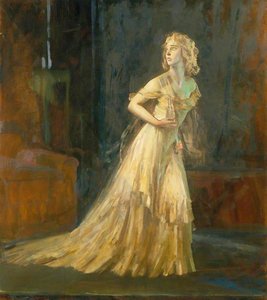 Vivien Leigh (1913–1967), as Blanche Dubois in 'A Streetcar Named Desire' by Tennessee Williams1950
21Evelyn M. Lowe (1870–1956)1940 · Guildhall Art Gallery
22
 The Old Threadneedle Street Courtyard with Guard Arriving at the Bank (sketch)
23
 The Old Threadneedle Street Courtyard with the Guard Arriving at the Bank
24
 Kingsley Fairbridge (Rhodes Scholar, 1908)The Rhodes Trust
25
 The Builders
ამ ორიგინალებში ყველაზე ხშირად განმეორებადი არის 네 თემა, რომელთაგან თითოეულს თავისი საუკეთესო ნიმუში წარმოგვიდგება.
ამ გვერდზე წარმოდგენილი მხატვრობის შედეგების უმეტესობას 6 მუზეუმი ინახავს.
| მუზეუმი | ქალაქი | Alfred Lawrence შემოქმედებაలు | ამ სიიდან მოპოვებული ნახატები |
|---|---|---|---|
 Laing Art Gallery |
Newcastle upon Tyne | 2 | The Building of Hadrian's Bridge (Pons Aelii) over the Tyne, c.122 AD, The Building of Hadrian's Bridge (Pons Aelii) over the Tyne, c.122 AD (study for a lunette decoration) |
 Queens’ College |
Cambridge | 1 | T. M. Temperley |
 National Trust |
გრინვიჩი | 1 | Cherry Trees at Owletts |
 The Royal Society |
London | 1 | Robert Robinson (1886–1975) |
 Guildhall Art Gallery |
London | 1 | Evelyn M. Lowe (1870–1956) |
 The Rhodes Trust |
ოქსფორდი | 1 | Kingsley Fairbridge (Rhodes Scholar, 1908) |
შეარჩიეთ ათწლეული, რათა ნახოთ ის ორიგინალი ნამუშევარი, რომელიც მას განსაზღვრავს.


Queen Elizabeth I at Tilbury, 1588 (1938). შემდეგ მოდიან David Emlyn Evans, Royal Flying Corps Officer (1916) და Sir Herbert Baker (1862–1946), Architect.
45 წლის: Queen Elizabeth I at Tilbury, 1588 შექმნილია 1938 წელს, ხოლო Alfred Lawrence დაიბადა 1893 წელს.
Queen Elizabeth I at Tilbury, 1588, David Emlyn Evans, Royal Flying Corps Officer, Sir Herbert Baker (1862–1946), Architect, The Right Honourable Brien Ibrican (1864–1932), Baron Cullen of Ashbourne, KBE, Governor of the Bank of England (1918–1920), Female Nude, Male Nude, The Building of Hadrian's Bridge (Pons Aelii) over the Tyne, c.122 AD, Head of an Italian Girl, The Building of Hadrian's Bridge (Pons Aelii) over the Tyne, c.122 AD (study for a lunette decoration) და Elizabeth I Commissions Raleigh to Sale for America, 1584. ზემოთ მოცემული რეიტინგი ასახავს თითოეულის შემოქმედების წელსა და მუზეუმს.
ჩვენს კატალოგში წარმოდგენილია 25 ნამუშწევრი Alfred Lawrence-ისგან, დათარიღებული 1916-დან 1950-მდე.
ძირითადად Laing Art Gallery (Newcastle upon Tyne), Queens’ College (Cambridge) და National Trust (გრინვიჩი)-ში. ზემოთ მოცემულ მუზეუმების ცხრილში ისინი ყველა listed.
1920s-ში: ამ გვერდზე წარმოდგენილი 25 ნამუშწარwerksიდან 7 შეიქმნა მაშინ, მათგან Female Nude.
ამ გვერდზე ყველაზე ადრეული არის David Emlyn Evans, Royal Flying Corps Officer (1916), ხოლო ყველაზე გვიანდელი — Robert Robinson (1886–1975) (1950).
Portraiture (2), Elderly man (2) და Nude figure (2), ამ გვერდზე წარმოდგენილ 25 ნამუშწარეს შორის.
Contemporary realism, ამ გვერდზე წარმოდგენილი ორიგინალების მიხედვით.
The Building of Hadrian's Bridge (Pons Aelii) over the Tyne, c.122 AD და The Building of Hadrian's Bridge (Pons Aelii) over the Tyne, c.122 AD (study for a lunette decoration): Laing Art Gallery, Newcastle upon Tyne-ში წარმოდგენილია ამ გვერდზე მოცემული ნამუშევრების 2 ცალი.
Born in the historic town of Lewes, Sussex, on October 4th, 1893, Alfred Kingsley Lawrence emerged as a profound voice in British art, weaving together the quiet dignity of portraiture with the sweeping, atmospheric beauty of the English countryside. His early life was shaped by a resilience born of necessity; following the untimely death of his father, Lawrence was raised by his mother, Fanny Beatrice Lawrence, whose dedication to his education allowed his innate artistic talents to flourish. This foundational period of discipline and devotion set the stage for a career defined by meticulous observation and an unwavering commitment to capturing the essence of his subjects, whether they were the rugged terrains of Northumberland or the nuanced expressions of the British elite.
Lawrence’s formal training was as prestigious as it was transformative. At the King Edward VII School of Art, Armstrong College, he flourished under the mentorship of Professor Richard Hatton, a period that established him as one of Newcastle’s most promising young talents. His pursuit of excellence led him to the Royal College of Art, where he studied under the renowned William Rothenstein. It was here that Lawrence began to absorb the complex influences of Impressionism and Symbolism, learning to balance the structural integrity of realism with a more emotive, fluid approach to light and atmosphere. The pinnacle of his academic journey arrived in 1923 when he was awarded the prestigious Prix de Rome scholarship, an achievement that transported him to the heart of Italy, allowing him to refine his technique amidst the timeless grandeur of Roman classical art.
The artistry of Alfred Kingsley Lawrence is best understood through his ability to bridge the gap between the physical world and the psychological realm. His landscapes are far more than mere topographical records; they are evocative studies of light, weather, and mood. In his depictions of the Northumbrian landscape, one can sense the dampness of the mist and the heavy, shifting skies that define the region. This mastery of atmosphere was complemented by a remarkable skill in portraiture, where he sought to capture not just a likeness, but the very soul of the sitter. His portraits are celebrated for their psychological depth, utilizing subtle shading and realistic brushwork to convey wisdom, melancholy, or quiet strength.
His diverse repertoire includes several notable achievements that highlight his versatility as a painter:
Throughout his life, Lawrence remained a steadfast observer of the world around him. From the sporting scenes and hunting traditions that earned him recognition in the realm of British sporting art to the intimate, historical portraits like Queen Elizabeth I at Tilbury, his work serves as a vital visual record of a changing Britain. His legacy lives on through the collections of institutions such as the Munnings Art Museum, where his ability to blend the precision of a realist with the heart of an impressionist continues to captivate and inspire new generations of art lovers.

