ალექსანდრე დე რიკერი პორტრეტი

38 ყველაზე ცნობილი ალექსანდრე დე რიკერი-ის ნახატი, თითოეული მათგანი უნიკალური

განახლდა ოქტომბერი 2026 · დალაგებულია ჩვენი პოპულარობის ქულების მიხედვით (ძიება, ნახვა და შეკვეთები თითოეული ნამუშწაროსთვის) · 38 ნამუშევარი ალექსანდრე დე რიკერი ჩვენს კატალოგში

მოკლედ რომ ვთქვათ

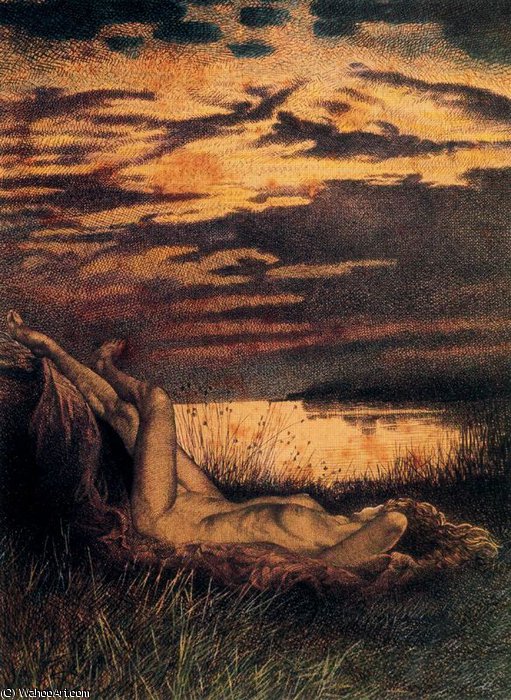
Composition with Winged Nymph Blowing Amongst Reeds (1887) არის ალექსანდრე დე რიკერი-ის ის ნამუშწარო, რომელიც ყველაზე მეტ ყურადღებას იქცევს; ორიგინალი იმყოფება კატალონიის ეროვნული ხელოვნების მუზეუმი-ში, ბარსელონა. ამის შემდეგ, მზერა გადადის Composition with winged nymph at sunrise (1887)-სა და Untitled (970)-ზე. ჩვენს კატალოგში არსებული ალექსანდრე დე რიკერი-ის 38 ნამუშწაროდან ეს 38 ყველაზე ცნობილია; თითოეული მათგანი წარმოადგენს უნიკალურ ორიგინალს, რომელიც წარმოდგენილია წელით, მუზეუმითა და იმ მიზეზით, რის გამოც ის დღემდე ცოცხლობს.

1856 – 1920, კალაფი ყველაზე მეტი ნამشევრი: კატალონიის ეროვნული ხელოვნების მუზეუმი

ალექსანდრე დე რიკერი-ის 10 საუკეთესო ნამუშgeryო, გალერეის თcraftით

ალექსანდრე დე რიკერი-ის ცნობილი ნამუშევრები, 11-დან 38-მდე ნომრებით

ალექსანდრე დე რიკერი-ის ცნობილი სურათები, პერიოდების მიხედვით

Mature Period

3 ნამუშწარwerks ამ სიაში

Late Medieval

3 ნამუშწარwerks ამ სიაში

სუბიექტები, რომლებმაც ალექსანდრე დე რიკერი-ის ყურადღება მიიპყრო

ამ ორიგინალებში ყველაზე ხშირად განმეორებადი არის 네 თემა, რომელთაგან თითოეულს თავისი საუკეთესო ნიმუში წარმოგვიდგება.

Woman figure 2 ნამუშევარი

Catalan art 2 ნამუშევარი

მუზეუმები, სადაც ალექსანდრე დე რიკერი-ის ორიგინალები ინახება

ამ გვერდზე წარმოდგენილი მხატვრობის შედეგების უმეტესობას 2 მუზეუმი ინახავს.

მუზეუმი ქალაქი ალექსანდრე დე რიკერი შემოქმედებაలు ამ სიიდან მოპოვებული ნახატები
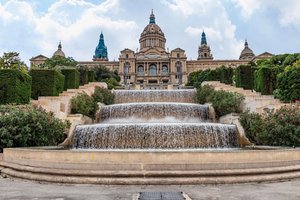
კატალონიის ეროვნული ხელოვნების მუზეუმი, ბარსელონაკატალონიის ეროვნული ხელოვნების მუზეუმი ბარსელონა 2 Composition with Winged Nymph Blowing Amongst Reeds, Composition with winged nymph at sunrise
Biblioteca Museu Víctor Balaguer, ViladecansBiblioteca Museu Víctor Balaguer Viladecans 1 Untitled (607)

ალექსანდრე დე რიკერი წლების განმავლობაში: თითოეული მათგანის უნიკალური ორიგინალი

აქ წარმოდგენილი ყველა ალექსანდრე დე რიკერი-ის ორიგინალი, რომელიც დათარიღებულია 1887 წლით, ერთსა და იმავე წელს ეკუთვნის: ისინი წარმოდგენილია პოპულარობის ক্রমით.

ნამუშევრები წლების მიხედვით

შეარჩიეთ წელი ორიგინალების სანახავად.

ალექსანდრე დე რიკერი-ის ნახატები: კითხვები გალერეისთვის

რა არის ალექსანდრე დე რიკერი-ის ყველაზე ცნობილი ნამუშწარებიდან ერთერთი?გაამჟღავნეთ პასუხი

Composition with Winged Nymph Blowing Amongst Reeds (1887), კატალონიის ეროვნული ხელოვნების მუზეუმი, ბარსელონა. შემდეგ მოდიან Composition with winged nymph at sunrise (1887) და Untitled (970).

რა ასაკში შექმნა ალექსანდრე დე რიკერი-მა Composition with Winged Nymph Blowing Amongst Reeds?გაამჟღავნეთ პასუხი

31 წლის: Composition with Winged Nymph Blowing Amongst Reeds შექმნილია 1887 წელს, ხოლო ალექსანდრე დე რიკერი დაიბადა 1856 წელს.

ალექსანდრე დე რიკერი-ის რომელი 열ათმე ნახატია ყველაზე ცნობილი?გაამჟღავნეთ პასუხი

Composition with Winged Nymph Blowing Amongst Reeds, Composition with winged nymph at sunrise, Untitled (970), Untitled (985), Untitled (176), Untitled (493), Untitled (435), Untitled (715), Untitled (540) და Untitled (413). ზემოთ მოცემული რეიტინგი ასახავს თითოეულის შემოქმედების წელსა და მუზეუმს.

რამდენი ნამუშწარებია ცნობილი ალექსანდრე დე რიკერი-ის შემოქმედებიდან?გაამჟღავნეთ პასუხი

ჩვენს კატალოგში წარმოდგენილია 38 ნამუშgery ალექსანდრე დე რიკერი-ისგან.

სად შეიძლება ყველაზე ცნობილი ალექსანდრე დე რიკერი-ის ორიგინალების ნახვა?გაამჟღავნეთ პასუხი

ძირითადად კატალონიის ეროვნული ხელოვნების მუზეუმი (ბარსელონა) და Biblioteca Museu Víctor Balaguer (Viladecans)-ში. ზემოთ მოცემულ მუზეუმების ცხრილში ისინი ყველა listed.

რა პერიოდში შექმნა ალექსანდრე დე რიკერი-მა ყველაზე ცნობილი სურათები?გაამჟღავნეთ პასუხი

1887-ში: ამ გვერდზე წარმოდგენილი 38 ნამუშწარwerksიდან 2 შეიქმნა მაშინ, მათგან Composition with Winged Nymph Blowing Amongst Reeds.

რა თემებს ანიჭებდა უპირატესობას ალექსანდრე დე რიკერი?გაამჟღავნეთ პასუხი

Woman figure (2) და Catalan art (2), ამ გვერდზე წარმოდგენილ 38 ნამუშწარეს შორის.

რა ალექსანდრე დე რიკერი-ის ორიგინალების ნახვა შემიძლია კატალონიის ეროვნული ხელოვნების მუზეუმი-ში?გაამჟღავნეთ პასუხი

Composition with Winged Nymph Blowing Amongst Reeds და Composition with winged nymph at sunrise: კატალონიის ეროვნული ხელოვნების მუზეუმი, ბარსელონა-ში წარმოდგენილია ამ გვერდზე მოცემული ნამუშევრების 2 ცალი.

ალექსანდრე დე რიკერი: მხატვრის პორტრეტი

A Life Woven in Art and Intellect

Alexandre de Riquer i Ynglada, 7th Count of Casa Dávalos, was more than just an artist; he embodied a confluence of aristocratic lineage, intellectual curiosity, and artistic innovation that defined the Catalan Modernisme movement. Born in Calaf, Catalonia, in 1856, his life unfolded against a backdrop of political tension – his father, Martí de Riquer, being a prominent Carlist leader – yet was simultaneously nurtured by a mother, Elisea Ynglada, who fostered a deep appreciation for art and literature within the family. This duality shaped Riquer’s path, imbuing him with both a sense of tradition and a restless desire to forge new artistic expressions. His early education in France, first in Béziers and later at the School of Fine Arts in Toulouse, provided a foundational grounding in French artistic traditions, but it was his return to Barcelona and studies at La Llotja that truly ignited his creative spirit under the mentorship of figures like Tomas Padro, Claudi Lorenzale, and particularly Antoni Caba.

The Blossoming of a Multifaceted Talent

Riquer’s artistic journey wasn't confined to a single medium; it was characterized by an extraordinary versatility. He didn’t simply paint or illustrate – he designed jewelry, created decorative programs for events, embellished furniture, and even ventured into ceramic painting. This expansive approach stemmed from a belief in the interconnectedness of art forms and a desire to elevate the aesthetic quality of everyday life. His initial foray into the professional world came through collaboration with Apel·les Mestres, contributing ornamental lettering and cover illustrations that marked the beginning of his prolific career. However, it was a pivotal trip to London in 1894 that irrevocably altered the course of his artistic development. Encountering the Pre-Raphaelites sparked a profound shift in his style, introducing him to a world of romantic narratives, meticulous detail, and symbolic depth. Simultaneously, he became captivated by Japanese art and the burgeoning field of modern poster design, viewing both as avenues for revitalizing graphic arts and imbuing them with new artistic significance. He saw these influences not merely as stylistic choices but as part of a larger “missionary undertaking” to elevate the aesthetic standards of visual communication.

A Master of Graphic Design and Beyond

The sheer breadth of Riquer’s output is astonishing. He produced an extensive body of work encompassing posters, etchings, illustrations for books and magazines, certificates, postcards, stamps, menus, sheet music, business cards, and exquisitely crafted bookplates – over 142 documented articles between 1900 and 1924 alone attest to his relentless creativity. His posters, in particular, garnered international recognition, with two featured in the prestigious collection *Les Maîtres de l'Affiche*, solidifying his reputation as a leading figure in poster art. But Riquer’s talents extended beyond the purely visual realm; he was also a gifted writer and poet, contributing to literary publications and demonstrating a remarkable ability to seamlessly blend artistic disciplines. His work *Los Estudiants de Tolosa* (1886), for example, showcases his lyrical sensibility and deep connection to Catalan folklore. He wasn’t simply illustrating stories; he was actively shaping the cultural narrative of Catalonia through both image and word.

Legacy and Enduring Influence

Alexandre de Riquer's contributions were integral to defining the aesthetic and intellectual character of Modernisme in Catalonia, a movement that sought to reclaim and celebrate Catalan identity during a period of significant social and political change. His ability to synthesize diverse influences – from Pre-Raphaelite romanticism and Japanese aesthetics to Art Nouveau’s flowing lines and symbolic imagery – resulted in a uniquely personal style that resonated deeply with his contemporaries. Following his death in 1920, his extensive library and collections were thoughtfully acquired by the Barcelona Museums and the National Library of Catalonia, ensuring the preservation of his legacy for generations to come. Riquer’s work continues to inspire artists and designers today, serving as a testament to the power of artistic versatility, intellectual curiosity, and a unwavering commitment to cultural expression. He remains a pivotal figure in Catalan art history, a symbol of an era when art was not merely decoration but a powerful force for social and cultural renewal. His influence can still be felt in contemporary design and illustration, reminding us of the enduring beauty and relevance of his artistic vision.