ალექსანდრე ანტინია-ის პორტრეტი

21 ყველაზე ცნობილი ალექსანდრე ანტინია-ის ნახატი, გალერეის შერჩეული კოლექცია

განახლდა ნოემბერი 2026 · დალაგებულია ჩვენი პოპულარობის ქულების მიხედვით (ძიება, ნახვა და შეკვეთები თითოეული ნამუშწაროსთვის) · 21 ნამუშევარი ალექსანდრე ანტინია ჩვენს კატალოგში

მოკლედ რომ ვთქვათ

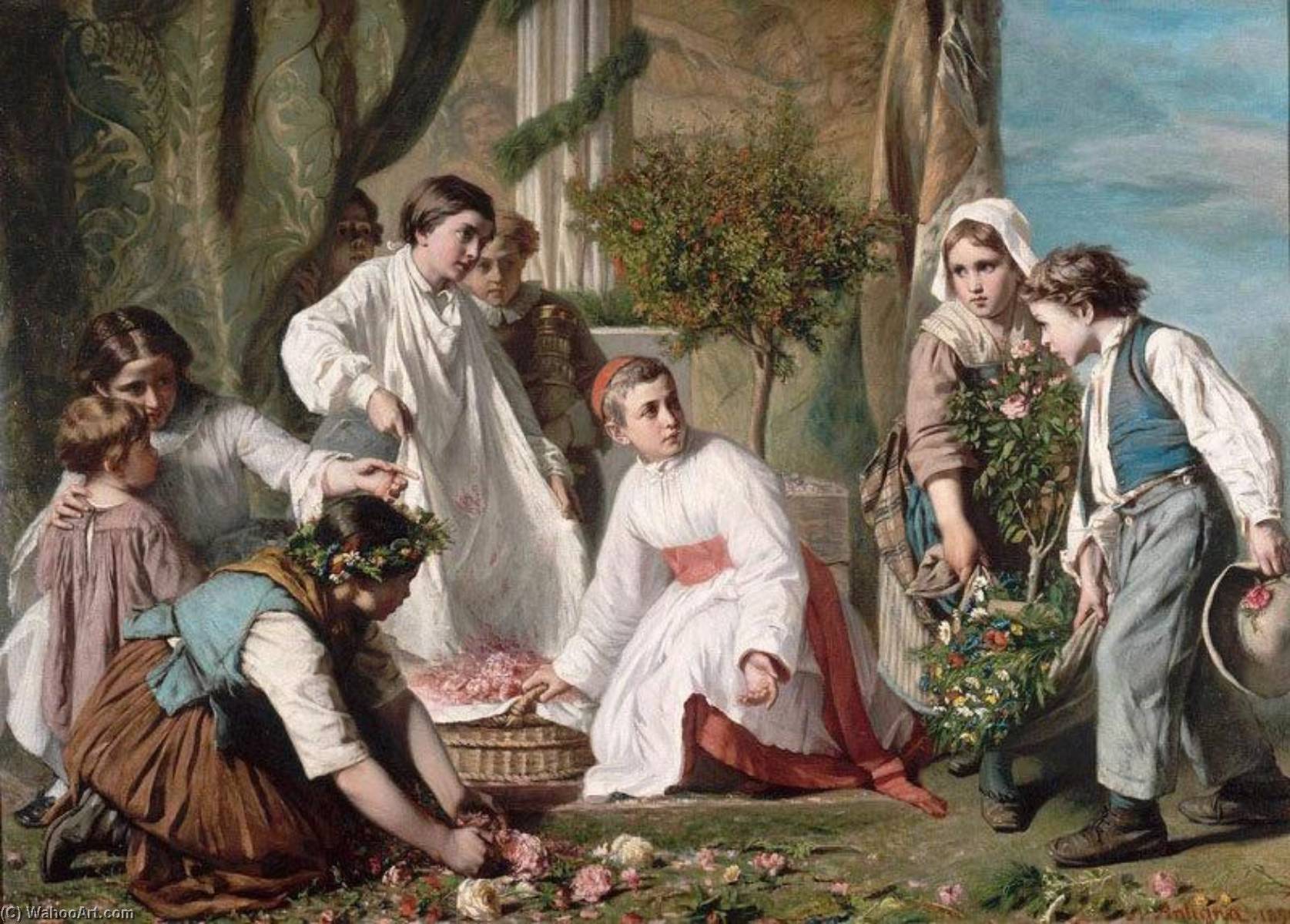
ალექსანდრე ანტინია-ის ყველა დატოვებული ორიგინალიდან ყველაზე ცნობილი La Fête Dieu არის. მისდავითვე მოდიან The Lightning (1848) და L'Eclair. ჩვენს კატალოგში წარმოდგენილია ალექსანდრე ანტინია-ის 21 ნამუშევარი; გალერეაში შენარჩუნებულია 21 ყველაზე აღიარებული ნახატი, რომელთაგან თითოეულს თან ახლავს შექმნის თარიღი, მუზეუმი და ისტორია.

1817 – 1878, ორლეანი Romanticism ყველაზე დიდი კოლექცია: Musée d'Orsay

ალექსანდრე ანტინია-ის 10 საუკეთესო ნამუშgeryო: გალერეის არჩევანი

2
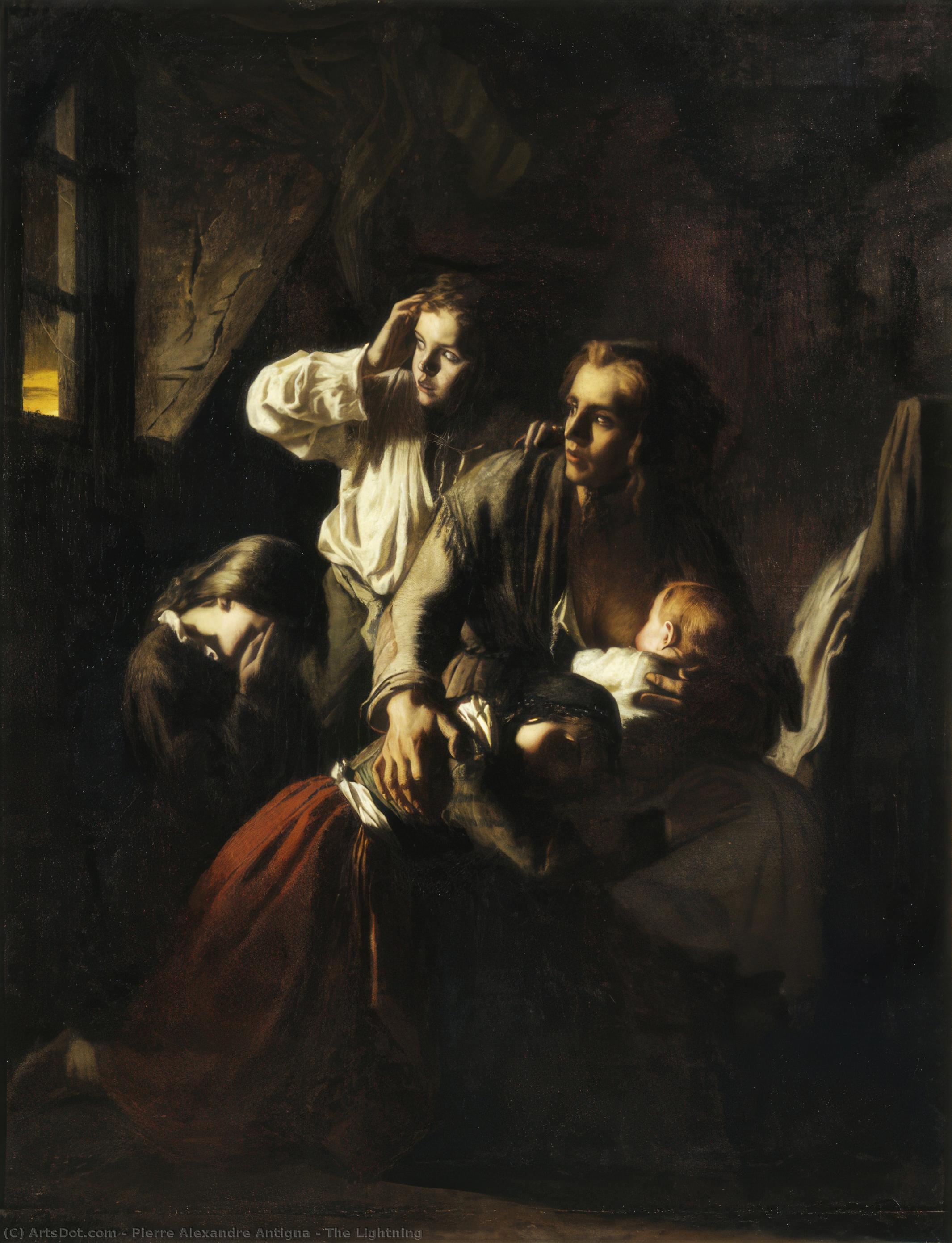
The Lightning (1848) ავტორი: ალექსანდრე ანტინია

The Lightning

1848 · Oil On Canvas · Musée d'Orsay, პარიზი

“The Lightning,” painted in 1848 by the French artist Pierre Alexandre Antigna, is more than just a depiction of a family huddled together during an electrical storm; it’s a poignant meditation on vulnerability, familial love, and the raw power of nature. Antigna, a key figure in Parisian Realism, masterfully captures a fleeting moment of intense emotion within a dimly lit interior, drawing the viewer into a scene brimming with both…

4
Circle of children (1853) ავტორი: ალექსანდრე ანტინია

Circle of children

1853 · Oil On Canvas · musée Petiet de Limoux, Limoux

The air feels heavy with the scent of dry hay and sun-warmed earth as a group of children whirl in a rhythmic circle. They move through a wide, rural landscape, their small figures caught in a moment of pure, uninhibited joy. The composition pulls the eye into a continuous loop, following the sweep of outstretched arms and the swirling motion of colorful skirts. Reds, blues, and whites flash against the…

5
Girl striding out reading a book (1853) ავტორი: ალექსანდრე ანტინია

Girl striding out reading a book

1853 · Pencil

The sketch depicts a young girl captured in mid-stride, her body leaning slightly forward into the direction of her movement. She is positioned off-center to the right, creating a sense of momentum as she walks. Her head is tilted downward, eyes fixed upon an open book held in her outstretched hands. The figure is rendered from the mid-thigh upward, focusing the viewer's attention on the interaction between her posture and…

6
Aragonese of Anso (1872) ავტორი: ალექსანდრე ანტინია

Aragonese of Anso

1872 · Oil On Canvas · Musée des Beaux-Arts, ორლეან

The light falls from the upper left, casting soft shadows across a gathering of Aragonese people. They sit upon weathered stone steps, framed by the deep green of a grapevine. A woman holds an infant, her chemise a bright white against the earthy tones of the scene. Beside them, a young boy cradles a musical instrument, his small hands poised in a moment of stillness. The air feels heavy with…

7
Head of a Girl ავტორი: ალექსანდრე ანტინია

Head of a Girl

Oil · Worcester Art Museum, Worcester

This oil painting presents a close-up portrait of a young girl, focusing tightly on her head and hands. The subject is positioned in a direct, eye-level view, her chin resting upon her hands in a pensive posture. A headscarf wraps around her face, creating organic folds that frame her features. The lighting originates from the upper left, casting shadows across her face and highlighting the specific expression in her eyes.…

8
The sleeping spinner ავტორი: ალექსანდრე ანტინია

The sleeping spinner

Oil On Canvas · Musée d'art et d'histoire de Saint-Brieuc, Saint-Brieuc

A solitary woman rests in a dimly lit, rustic interior, her form surrendered to sleep. Positioned slightly to the left of center, she is balanced by the large, circular silhouette of a spinning wheel to the right. The composition is vertical, drawing the eye to the heavy, nocturnal atmosphere of the room. Deep, earthy tones of umber and sienna dominate the space, creating a sense of profound stillness. A sharp…

9
Gypsy Girl ავტორი: ალექსანდრე ანტინია

Gypsy Girl

The oil painting titled Gypsy Girl presents a quiet, heavy moment captured on canvas. This work is the creation of Alexandre Antigna, an artist who emerged from the city of Orléans, France. Born in 1817, Antigna brings a specific, focused gaze to the subjects he encounters, often finding the weight of existence in the faces of those living on the margins of society.

ალექსანდრე ანტინია-ის შერჩევა გრძელდება, 11-დან 21-მდე

ალექსანდრე ანტინია-ის ცნობილი სურათები, პერიოდების მიხედვით

სუბიექტები, რომლებმაც ალექსანდრე ანტინია-ის ყურადღება მიიპყრო

ამ ორიგინალებში ყველაზე ხშირად განმეორებადი არის ოთხი თემა, რომელთაგან თითოეულს თავისი საუკეთესო ნიმუში წარმოგვიდგება.

მუზეუმები, სადაც ალექსანდრე ანტინია-ის ორიგინალები ინახება

ამ გვერდზე წარმოდგენილი მხატვრობის შედეგების უმეტესობას 6 მუზეუმი ინახავს.

მუზეუმები ქალაქი ალექსანდრე ანტინია შემოქმედება ამ სიიდან ნახატები
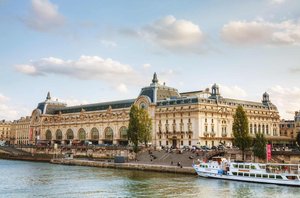
Musée d'Orsay, პარიზიMusée d'Orsay პარიზი 2 The Lightning, L'Eclair
Musée des Beaux-Arts, ორლეანMusée des Beaux-Arts ორლეან 2 Aragonese of Anso, The Fire
musée Petiet de Limoux, Limouxmusée Petiet de Limoux Limoux 1 Circle of children
Worcester Art Museum, WorcesterWorcester Art Museum Worcester 1 Head of a Girl
Musée d'art et d'histoire de Saint-Brieuc, Saint-BrieucMusée d'art et d'histoire de Saint-Brieuc Saint-Brieuc 1 The sleeping spinner
გენტის fine arts-ის მ્યુზეუმი (MSK), გენტგენტის fine arts-ის მ્યુზეუმი (MSK) გენტ 1 Gypsy Girl

ალექსანდრე ანტინია ათწლეულების მიხედვით: ორიგინალი, რომელიც განსაზღვრავს თითოეულ მათგანს

ნამუშევრები ათწლეულების მიხედვით

შეარჩიეთ ათწლეული, რათა ნახოთ ის ორიგინალი ნამუშევარი, რომელიც მას განსაზღვრავს.

კოლექციონერთა კითხვები ალექსანდრე ანტინია-ის ნახატებზე

რა ნამუშწარესით არის ყველაზე ცნობილი ალექსანდრე ანტინია?გაამჟღავნეთ პასუხი

La Fête Dieu. შემდეგ მოდიან The Lightning (1848) და L'Eclair.

რა არის ალექსანდრე ანტინია-ის ათ ყველაზე ცნობილი ნამუშწარები?გაამჟღავნეთ პასუხი

La Fête Dieu, The Lightning, L'Eclair, Circle of children, Girl striding out reading a book, Aragonese of Anso, Head of a Girl, The sleeping spinner, Gypsy Girl და Miroir des bois. ზემოთ მოცემული რეიტინგი ასახავს თითოეულის შემოქმედების წელსა და მუზეუმს.

რამდენი სურათი დატოვა ალექსანდრე ანტინია-მა?გაამჟღავნეთ პასუხი

ჩვენს კატალოგში წარმოდგენილია 21 ნამუშწევრი ალექსანდრე ანტინია-ისგან, დათარიღებული 1848-დან 1872-მდე.

რომელ მუზეუმებშია და hangs ალექსანდრე ანტინია-ის შედევრული ნამუშევრები?გაამჟღავნეთ პასუხი

ძირითადად Musée d'Orsay (პარიზი), Musée des Beaux-Arts (ორლეან) და musée Petiet de Limoux (Limoux)-ში. ზემოთ მოცემულ მუზეუმების ცხრილში ისინი ყველა listed.

მათ რომელ წლებში შექმნა ალექსანდრე ანტინია-მა ყველაზე ცნობილი ნამუშევრები?გაამჟღავნეთ პასუხი

1850s-ში: ამ გვერდზე წარმოდგენილი 21 ნამუშწარwerksიდან 3 შეიქმნა მაშინ, მათგან Circle of children.

რა არის ალექსანდრე ანტინია-ის პირველი და ბოლო ცნობილი ორიგინალი?გაამჟღავნეთ პასუხი

ამ გვერდზე ყველაზე ადრეული არის The Lightning (1848), ხოლო ყველაზე გვიანდელი — Aragonese of Anso (1872).

რომელ თემებს ირჩევდა ალექსანდრე ანტინია ყველაზე ხშირად?გაამჟღავნეთ პასუხი

Woman (8), Children (4) და Girl (4), ამ გვერდზე წარმოდგენილ 21 ნამუშწარეს შორის.

რომელ ტექნიკას იყენებდა ალექსანდრე ანტინია ყველაზე ხშირად?გაამჟღავნეთ პასუხი

Oil On Canvas, ამ გვერდზე არსებული 21 ნამუშწაროსგან 15 ცალიდან.

რა ხელოვნების მიმართულებას მიეკუთვნება ალექსანდრე ანტინია?გაამჟღავნეთ პასუხი

Romanticism, ამ გვერდზე წარმოდგენილი ორიგინალების მიხედვით.

ალექსანდრე ანტინია-ის რომელ ნამუშევრებს ნახავთ Musée d'Orsay-ში?გაამჟღავნეთ პასუხი

The Lightning და L'Eclair: Musée d'Orsay, პარიზი-ში წარმოდგენილია ამ გვერდზე მოცემული ნამუშევრების 2 ცალი.

ალექსანდრე ანტინია: ცხოვრება და შემოქმედება

The Compassionate Eye of Pierre Alexandre Antigna

In the heart of nineteenth-century France, a period defined by profound social upheaval and shifting artistic paradigms, Jean Pierre Alexandre Antigna emerged as a painter of unparalleled empathy. Born in Orléans in 1817, his early artistic journey was rooted in the traditional landscapes of his youth, shaped under the watchful eye of the local painter François Salmon. However, the pull of Paris proved irresistible. Upon entering the prestigious École Nationale Supérieure des Beaux-Arts in 1837, Antigna found himself immersed in a world of academic rigor, studying under masters such as Sébastien Norblin de la Gourdaine and the renowned Paul Delaroche. These early years were marked by a focus on religious subjects and formal portraiture, adhering to the established stylistic conventions of the era.

Yet, the true metamorphosis of Antigna’s soul occurred not within the gilded halls of the academy, but in the shadowed, narrow streets of the Île Saint-Louis. Living amidst the impoverished quarters of Paris, the artist became a witness to the raw, unvarnated struggles of the urban poor. This profound exposure to human hardship acted as a catalyst, steering him away from idealized religious iconography toward a gritty, unflinching Realism. By the time the Revolution of 1848 swept through France, Antigna had fully embraced a style that sought to document the weight of existence. His canvases began to pulse with the heavy burdens and quiet resilience of those on the margins of society, rendered with a textured brushwork and an emotional depth that commanded the attention of the Parisian Salon.

A Journey Through Light and Naturalism

As his career progressed, Antigna’s artistic vision expanded beyond the urban confines of Paris. Driven by an insatiable curiosity about the human condition and the natural world, he embarked on extensive travels through the rugged landscapes of Brittany and the vibrant terrains of Spain. These journeys allowed him to blend his social consciousness with a burgeoning Naturalism. Around 1860, his work began to reflect a meticulous observation of nature, where the atmospheric qualities of the landscape became as much a subject as the people inhabiting them. Whether capturing the dramatic tension of a storm or the quiet dignity of a rural worker, his technique remained anchored in a sense of profound compassion.

His mastery was formally recognized by the French state when he was awarded the Legion of Honor in 1861, a milestone that solidified his standing among the significant figures of his generation. Even as his style evolved toward more naturalist depictions, the core of his work remained an exploration of vulnerability and strength. Notable works such as The Lightning demonstrate this duality, where a family huddled during an electrical storm serves as a poignant meditation on familial love amidst the terrifying power of nature. Through his use of light, shadow, and impasto textures, Antigna did more than merely paint scenes; he captured the very essence of survival.

Legacy of a Social Realist

The historical significance of Pierre Alexandre Antigna lies in his ability to bridge the gap between Romantic emotion and Realist truth. He did not merely observe poverty; he imbued it with a dignity that challenged the era's social hierarchies. His life, which concluded in Paris in 1878, left behind an oeuvre that serves as a vital visual record of nineteenth-century French life. His influence can be seen in the way he utilized the following elements to elevate his subjects:

  • Emotional Resonance: The ability to transform a scene of hardship into a universal study of human resilience.
  • Textural Depth: Using heavy, expressive brushstrokes to mirror the ruggedness of the lives he depicted.
  • Atmospheric Storytelling: Leveraging natural light and weather—such as in his depictions of storms—to reflect internal psychological states.
  • Social Witness: A commitment to documenting the marginalized, ensuring their presence was felt within the prestigious halls of the art world.

Today, Antigna is remembered not just as a painter of scenes, but as a compassionate voice of his era, an artist who looked into the darkness of urban struggle and found the enduring light of the human spirit.