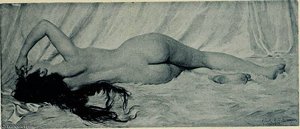
ალბერტ オーბლე პორტრეტი

28 ყველაზე ცნობილი ალბერტ オーბლე-ის ნახატი, გალერეის შერჩეული კოლექცია

განახლდა ნოემბერი 2026 · დალაგებულია ჩვენი პოპულარობის ქულების მიხედვით (ძიება, ნახვა და შეკვეთები თითოეული ნამუშწაროსთვის) · 28 ნამუშევარი ალბერტ オーბლე ჩვენს კატალოგში

მოკლედ რომ ვთქვათ

ალბერტ オーბლე-ის ყველა დატოვებული ორიგინალიდან ყველაზე ცნობილი On the Shingle (1883) არის. Close behind it come Selene (1880) and Reading on the garden path (1883). Our catalog holds 28 works by ალბერტ オーბლე; the gallery has kept the 28 the world admires most, each shown with its date, its museum and its story.

1851 – 1938, პარიზი Academic art Most works: პატარა პალატა

ალბერტ オーბლე-ის 10 საუკეთესო ნამუშgeryო: გალერეის არჩევანი

1
On the Shingle (1883) ავტორის: ალბერტ オーბლე

On the Shingle

1883 · Oil

The composition is defined by a strong horizontal orientation, placing the horizon line high to emphasize the vastness of the sea and the shoreline. Under a bright, hazy sky, the scene captures a crowded beach populated by numerous figures. Some individuals stand, some sit, and others walk near the water's edge, their forms rendered with varying degrees of detail. Those in the foreground appear more defined, while the figures in…

2
Selene (1880) ავტორის: ალბერტ オーბლე

Selene

1880 · Oil

In this vertical oil painting from 1880, a nude female figure occupies the center of a celestial scene. The subject is positioned in an S-shaped curve, appearing to drift through a pale, translucent moon that dominates the background. Her limbs are rendered with smooth textures and subtle shading to define the anatomical form. Her hair flows upward, merging into the edges of the lunar disc. The color palette consists of…

3
Reading on the garden path (1883) ავტორის: ალბერტ オーბლე

Reading on the garden path

1883 · Oil On Canvas

A solitary woman occupies the center of a lush garden, her attention fixed entirely upon a book. She is framed by a dense arrangement of flora, where the soft white of her dress provides a focal point against the surrounding greenery. The scene captures a fleeting instance of stillness, where the subject is lost in thought amidst the natural world. Sunlight filters through the canopy, illuminating the textures of the…

4
Sketch for the Salle des Fêtes of the Hôtel de Ville: Music (1892) ავტორის: ალბერტ オーბლე

Sketch for the Salle des Fêtes of the Hôtel de Ville: Music

1892 · Oil On Paper · პატარა პალატა, პარიზი

Sketch for the Salle des Fêtes of the Hôtel de Ville: Music is an oil on paper work by Albert Aublet. This piece belongs to a series of six sketches created for the Salle des fêtes de l'Hôtel de Ville de Paris. The production of these studies occurred between 1889 and 1895.

5
Sketch for the Hall of Festivities of the Hôtel de Ville: Lights (1892) ავტორის: ალბერტ オーბლე

Sketch for the Hall of Festivities of the Hôtel de Ville: Lights

1892 · Gouache · პატარა პალატა, პარიზი

Three small, nude figures move through a pale, hazy space. They are putti, caught in a rhythmic, circular dance that suggests a celebration of light. The composition is shallow, like a carving in stone or a relief on a wall. Their bodies are defined not by hard lines, but by the gentle meeting of shadow and glow. A muted palette of dusty rose, mauve, and lavender wraps around their rounded…

6
Sketch for the Hall of Festivities of the Hôtel de Ville: Fruits (1892) ავტორის: ალბერტ オーბლე

Sketch for the Hall of Festivities of the Hôtel de Ville: Fruits

1892 · Pastel · პატარა პალატა, პარიზი

In this preparatory study, a group of five nude figures moves through a shallow, frieze-like space, their bodies caught in a graceful, circular motion. They gather around large bowls and baskets, their limbs reaching and twisting as they handle a bounty of fruit. The scene feels less like a static pose and more like a captured moment of rhythmic labor, intended to decorate the grand Hall of Festivities of the…

7
Sketch for the Salle des Fêtes of the Hôtel de Ville: Flowers (1892) ავტორის: ალბერტ オーბლე

Sketch for the Salle des Fêtes of the Hôtel de Ville: Flowers

1892 · Gouache · პატარა პალატა, პარიზი

This preparatory sketch, titled Sketch for the Salle des Fêtes of the Hôtel de Ville: Flowers, presents a composition of four nude human figures arranged in a circular, dance-like procession. The figures are rendered with soft, gestural lines that define their contours without the use of heavy shading or anatomical precision. They appear to move in a rhythmic sequence, interacting with a garland of flowers that loops through the center…

9
Sketch for the Hall of Festivities of the Hôtel de Ville: Drinks (1892) ავტორის: ალბერტ オーბლე

Sketch for the Hall of Festivities of the Hôtel de Ville: Drinks

1892 · Pastel · პატარა პალატა, პარიზი

A sense of rhythmic movement fills the space as a group of cherubic, nude figures, known as putti, engage in a spirited scene. They gather around a small cart or wheel, their bodies caught in a moment of playful celebration. The composition stretches horizontally, creating a frieze-like arrangement that pulls the eye across the page. Soft, rounded shapes define their limbs, giving the figures a voluminous, fleshy quality that suggests…

10
Une Beaute Orientale ავტორის: ალბერტ オーბლე

Une Beaute Orientale

Oil

In this composition, we find ourselves in a private, shadowed space where a single figure commands the viewer's attention. The woman is captured in a moment of transition, her hands lifting a light blue drape over her head. There is a certain poise in her stance, a subtle bend at the knee that suggests a movement caught in mid-breath. The lighting is soft, falling from above to trace the gentle…

ალბერტ オーბლე-ის შერჩევა გრძელდება, 11-დან 28-მდე

სუბიექტები, რომლებმაც ალბერტ オーბლე-ის ყურადღება მიიპყრო

The four subjects that come back most often in these originals, each with its finest example.

მუზეუმები, სადაც ალბერტ オーბლე-ის ორიგინალები ინახება

ამ გვერდზე წარმოდგენილი მხატვრობის შედეგების უმეტესობას 2 მუზეუმი ინახავს.

მუზეუმი ქალაქი ალბერტ オーბლე შემოქმედება ამ სიიდან მოპოვებული ნახატები
პატარა პალატა, პარიზიპატარა პალატა პარიზი 6 Sketch for the Salle des Fêtes of the Hôtel de Ville: Music, Sketch for the Hall of Festivities of the Hôtel de Ville: Lights, Sketch for the Hall of Festivities of the Hôtel de Ville: Fruits
Musée d'art et d'histoire de Narbonne, NarbonneMusée d'art et d'histoire de Narbonne Narbonne 3 Interior of the Rüstem Pacha Mosque of Constantinople, Les toits de Tunis, Devant la mosquée

ალბერტ オーბლე ათწლეულების მიხედვით: ორიგინალი, რომელიც განსაზღვრავს თითოეულ მათგანს

ნამუშევრები ათწლეულების მიხედვით

შეარჩიეთ ათწლეული, რათა ნახოთ ის ორიგინალი ნამუშევარი, რომელიც მას განსაზღვრავს.

კოლექციონერთა კითხვები ალბერტ オーბლე-ის ნახატებზე

რა ნამუშწარესით არის ყველაზე ცნობილი ალბერტ オーბლე?გაამჟღავნეთ პასუხი

On the Shingle (1883). შემდეგ მოდიან Selene (1880) და Reading on the garden path (1883).

რამდენage იყო ალბერტ オーბლე, როდესაც შეიქმნა On the Shingle?გაამჟღავნეთ პასუხი

32 წლის: On the Shingle შექმნილია 1883 წელს, ხოლო ალბერტ オーბლე დაიბადა 1851 წელს.

What are the ten most famous ალბერტ オーბლე paintings?გაამჟღავნეთ პასუხი

On the Shingle, Selene, Reading on the garden path, Sketch for the Salle des Fêtes of the Hôtel de Ville: Music, Sketch for the Hall of Festivities of the Hôtel de Ville: Lights, Sketch for the Hall of Festivities of the Hôtel de Ville: Fruits, Sketch for the Salle des Fêtes of the Hôtel de Ville: Flowers, Sketch for the Hall of Festivities of the Hôtel de Ville: Cotillons, Sketch for the Hall of Festivities of the Hôtel de Ville: Drinks და Une Beaute Orientale. ზემოთ მოცემული რეიტინგი ასახავს თითოეულის შემოქმედების წელსა და მუზეუმს.

რამდენი სურათი დატოვა ალბერტ オーბლე-მა?გაამჟღავნეთ პასუხი

ჩვენს კატალოგში წარმოდგენილია 28 ნამუშწევრი ალბერტ オーბლე-ისგან, დათარიღებული 1880-დან 1912-მდე.

რომელ მუზეუმებშია და hangs ალბერტ オーბლე-ის შედევრული ნამუშევრები?გაამჟღავნეთ პასუხი

ძირითადად პატარა პალატა (პარიზი) და Musée d'art et d'histoire de Narbonne (Narbonne)-ში. ზემოთ მოცემულ მუზეუმების ცხრილში ისინი ყველა listed.

მათ რომელ წლებში შექმნა ალბერტ オーბლე-მა ყველაზე ცნობილი ნამუშევრები?გაამჟღავნეთ პასუხი

1890s-ში: ამ გვერდზე წარმოდგენილი 28 ნამუშწარwerksიდან 6 შეიქმნა მაშინ, მათგან Sketch for the Salle des Fêtes of the Hôtel de Ville: Music.

რა არის ალბერტ オーბლე-ის პირველი და ბოლო ცნობილი ორიგინალი?გაამჟღავნეთ პასუხი

ამ გვერდზე ყველაზე ადრეული არის Selene (1880), ხოლო ყველაზე გვიანდელი — Les toits de Tunis (1912).

რომელ თემებს ირჩევდა ალბერტ オーბლე ყველაზე ხშირად?გაამჟღავნეთ პასუხი

Lavender (6), People (5) და Woman (5), ამ გვერდზე წარმოდგენილ 28 ნამუშწარეს შორის.

რომელ ტექნიკას იყენებდა ალბერტ オーბლე ყველაზე ხშირად?გაამჟღავნეთ პასუხი

Oil, ამ გვერდზე არსებული 28 ნამუშწაროსგან 3 ცალიდან.

რა ხელოვნების მიმართულებას მიეკუთვნება ალბერტ オーბლე?გაამჟღავნეთ პასუხი

Academic art, ამ გვერდზე წარმოდგენილი ორიგინალების მიხედვით.

ალბერტ オーბლე-ის რომელ ნამუშევრებს ნახავთ პატარა პალატა-ში?გაამჟღავნეთ პასუხი

Sketch for the Salle des Fêtes of the Hôtel de Ville: Music, Sketch for the Hall of Festivities of the Hôtel de Ville: Lights და Sketch for the Hall of Festivities of the Hôtel de Ville: Fruits: პატარა პალატა, პარიზი-ში წარმოდგენილია ამ გვერდზე მოცემული ნამუშევრების 6 ცალი.

ალბერტ オーბლე: ცხოვრება და შემოქმედება

The Radiant Legacy of Albert Aublet

Born in the heart of Paris in 1851, Albert Aublet emerged from the vibrant, shifting currents of the French art scene during the Belle Époque. His journey began within the prestigious halls of the École des Beaux-Arts, where he refined his craft under the watchful eyes of masters such as Claudius Jacquand and the renowned Jean-Léon Gérôme. This rigorous academic foundation provided him with a technical precision that would later serve as the bedrock for his more expressive explorations. His early debut at the 1873 Salon marked the arrival of a significant talent, earning immediate recognition when works like Intérieur de Boucherie au Tréport were acquired by notable figures such as Alexandre Dumas Fils. In these formative years, Aublet’s brush captured the quiet dignity of rural life and the rugged beauty of Normandy, establishing a reputation for realism that resonated with the era's fascination with unvarnished truth.

As his career matured, Aublet’s artistic gaze drifted far beyond the borders of France, seeking the luminous allure of the Orient. A transformative journey to Constantinople in 1881 ignited a lifelong passion for Orientalist themes, forever altering the trajectory of his oeuvre. This fascination was not merely a pursuit of the exotic but a deep, scholarly engagement with new light and culture. Accompanied by contemporaries like Jean-Léon Gérôme and Alberto Pasini, he explored the vibrant landscapes of Algeria and Turkey, translating the bustling marketplaces, architectural grandeur, and atmospheric subtleties of the East onto canvas. His work became a bridge between European academic tradition and the sensory richness of North Africa and the Ottoman Empire, characterized by an acute sensitivity to light and a masterful use of tonal gradations that breathed life into every scene.

Mastery of Light and Subject

The evolution of Aublet’s technique saw him move seamlessly between the structured demands of Academic Art and the more fluid, emotive qualities found in his watercolors and gouaches. He possessed a rare ability to capture fleeting moments—the way sunlight filters through a veil or the soft glow of dusk over a Tunisian courtyard. This mastery extended into his depictions of human figures, where he explored both the grace of nudes and the intimate character studies of local dignitaries and everyday people. His later years were deeply intertwined with the culture of Tunis; having purchased the magnificent Palais Dar Ben Abdalah in 1905, he became a central figure in the local art community, even serving as president of the first local art salon. This deep immersion allowed his work to transcend mere observation, becoming a soulful documentation of a world in transition.

Aublet’s achievements were met with significant international acclaim, reflecting his status as a truly global artist. His contributions to the art world were punctuated by prestigious honors that solidified his standing among the elite of his time:

  • The 1880 Salon Medal: An early recognition of his burgeoning skill and rising prominence in Paris.
  • The 1889 Paris World's Fair Gold Medal: A crowning achievement that celebrated his ability to captivate a worldwide audience during the height of the Exposition Universelle.
  • The Légion d'honneur (1890): A profound testament to his cultural impact and his service to the French artistic tradition.

Today, the historical significance of Albert Aublet lies in his ability to synthesize the meticulousness of the Academy with the evocative spirit of Impressionism. His paintings remain vital windows into a bygone era, preserved in esteemed collections such as the Musée National des Beaux-Arts de Québec and the Philadelphia Museum of Art. Through his eyes, we continue to witness the enduring magic of the Orient and the timeless elegance of the French tradition, rendered with a hand that understood both the weight of history and the lightness of a passing shadow.