აი ვეივეი პორტრეტი

10 ყველაზე ცნობილი აი ვეივეი-ის ნახატი, თითოეული მათგანი უნიკალური

განახლდა ოქტომბერი 2026 · დალაგებულია ჩვენი პოპულარობის ქულების მიხედვით (ძიება, ნახვა და შეკვეთები თითოეული ნამუშწაროსთვის) · 10 ნამუშევარი აი ვეივეი ჩვენს კატალოგში

მოკლედ რომ ვთქვათ

He Xie (2011) არის აი ვეივეი-ის ის ნამუშწარო, რომელიც ყველაზე მეტ ყურადღებას იქცევს; ორიგინალი იმყოფება ოს ს კ ს ნ ე მ ე ய რ მ უ ს ე მ ო ფ კ ს კ რ ბ ზ ი ლ-ში, კურიტებირა. ამის შემდეგ, მზერა გადადის Works from Juazeiro do Norte (2018)-სა და Sunflower Seeds (2010)-ზე. ჩვენს კატალოგში არსებული აი ვეივეი-ის 10 ნამუშწაროდან ეს 10 ყველაზე ცნობილია; თითოეული მათგანი წარმოადგენს უნიკალურ ორიგინალს, რომელიც წარმოდგენილია წელით, მუზეუმითა და იმ მიზეზით, რის გამოც ის დღემდე ცოცხლობს.

და lahirda 1957, ბეიჯინი Contemporary art ყველაზე მეტი ნამشევრი: ოს ს კ ს ნ ე მ ე ய რ მ უ ს ე მ ო ფ კ ს კ რ ბ ზ ი ლ

აი ვეივეი-ის 10 საუკეთესო ნამუშgeryო, გალერეის თcraftით

1
He Xie (2011) ავტორის: აი ვეივეი

He Xie

One thousand individual crabs, hand-crafted from porcelain, form the body of this work. The medium carries deep historical weight; in various Chinese dynasties, artists utilized jade, bamboo, or onyx to sculpt similar crustaceans. Here, the choice of porcelain connects the delicate, fragile nature of the material to the political fragility of the artist's situation.

2
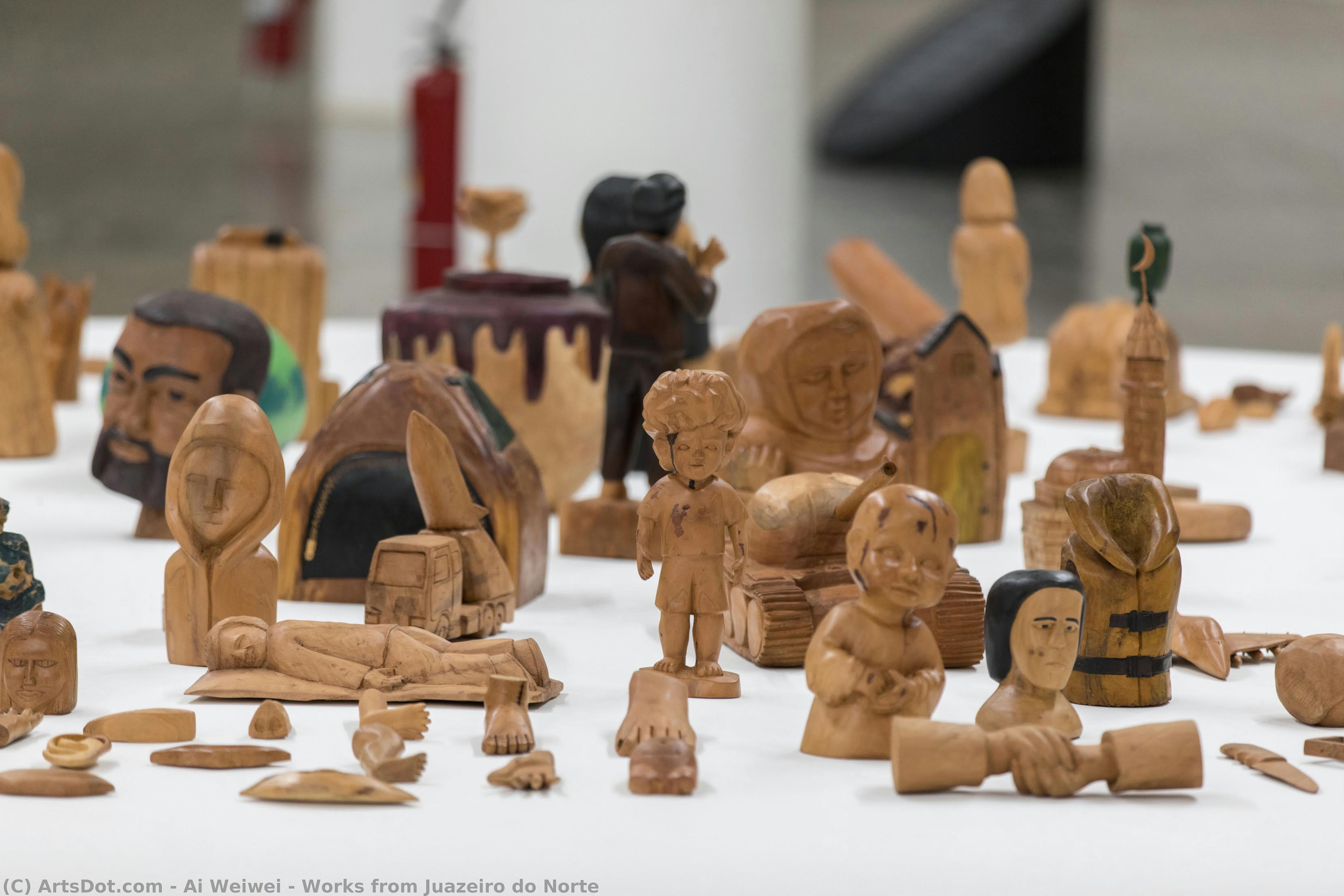
Works from Juazeiro do Norte (2018) ავტორის: აი ვეივეი

Works from Juazeiro do Norte

In the quiet, rhythmic dance of a chisel against grain, one finds the profound intersection of global activism and local devotion. Works from Juazeiro do Norte is not merely a collection of sculptures; it is a living tapestry of faith, memory, and social commentary. Created in 2018 through a soulful collaboration between the world-renowned contemporary artist Ai Weiwei and the skilled artisans of a community in Brazil, these wooden carvings…

3
Sunflower Seeds (2010) ავტორის: აი ვეივეი

Sunflower Seeds

Sunflower Seeds consists of millions of individually handcrafted porcelain sunflower seeds. The work was fabricated in the city of Jingdezhen in northern Jiangxi Province, a region historically famous for its kilns and the production of imperial porcelain. The sunflower seeds were made over a period of two years by 1600 mostly women artisans in a cottage-industry setting, rather than in a large-scale factory. Each individual seed, while seemingly identical to…

6
Study of Perspective - Berne (2003) ავტორის: აი ვეივეი

Study of Perspective - Berne

2003 · Black and White Photography · MOMA - მოდერნ არტის მუზეუმი, ნიუ-იორკი

In the quiet, monochromatic depths of Ai Weiwei’s Study of Perspective - Berne, we find ourselves transported to a streetscape that feels simultaneously intimate and vast. This evocative work, captured in 2003, serves as a profound meditation on the geometry of human existence within the modern cityscape. At first glance, the eye is drawn to the rhythmic interplay of light and shadow, where the starkness of black and white strips…

10
Camera with Plint (2015) ავტორის: აი ვეივეი

Camera with Plint

Following Ai Weiwei’s 81 days under secret detention, he was released on bail with strict restrictions. His passport was confiscated, he was barred from leaving Beijing for a year, and he was told to avoid speaking to the media. In addition to those restrictions, Ai noticed more than twenty surveillance cameras were installed all around his studio house in Caochangdi, Beijing. Camera with Plinth monumentalizes in marble the surveillance camera,…

სუბიექტები, რომლებმაც აი ვეივეი-ის ყურადღება მიიპყრო

ამ ორიგინალებში ყველაზე ხშირად განმეორებადი არის 네 თემა, რომელთაგან თითოეულს თავისი საუკეთესო ნიმუში წარმოგვიდგება.

მუზეუმები, სადაც აი ვეივეი-ის ორიგინალები ინახება

ამ გვერდზე წარმოდგენილი მხატვრობის შედეგების უმეტესობას 3 მუზეუმი ინახავს.

მუზეუმი ქალაქი აი ვეივეი შემოქმედებაలు ამ სიიდან მოპოვებული ნახატები
ოს ს კ ს ნ ე მ ე ய რ მ უ ს ე მ ო ფ კ ს კ რ ბ ზ ი ლ, კურიტებირაოს ს კ ს ნ ე მ ე ய რ მ უ ს ე მ ო ფ კ ს კ რ ბ ზ ი ლ კურიტებირა 4 He Xie, Works from Juazeiro do Norte, Sunflower Seeds
MOMA - მოდერნ არტის მუზეუმი, ნიუ-იორკიMOMA - მოდერნ არტის მუზეუმი ნიუ-იორკი 2 Study of Perspective - Berne, Study of Perspective - Hong Kong
UCCA Center for Contemporary Art, BeijingUCCA Center for Contemporary Art Beijing 1 Ai Weiwei, Swatter

აი ვეივეი ათწლეულების განმავლობაში: თითოეულ დეკადესთვის ერთი უნიკალური ორიგინალი

ნამუშევრები ათწლეულების მიხედვით

შეარჩიეთ ათწლეული, რათა ნახოთ ის ორიგინალი ნამუშევარი, რომელიც მას განსაზღვრავს.

აი ვეივეი-ის ნახატები: კითხვები გალერეისთვის

რა არის აი ვეივეი-ის ყველაზე ცნობილი ნამუშწარებიდან ერთერთი?გაამჟღავნეთ პასუხი

He Xie (2011), ოს ს კ ს ნ ე მ ე ய რ მ უ ს ე მ ო ფ კ ს კ რ ბ ზ ი ლ, კურიტებირა. შემდეგ მოდიან Works from Juazeiro do Norte (2018) და Sunflower Seeds (2010).

რა ასაკში შექმნა აი ვეივეი-მა He Xie?გაამჟღავნეთ პასუხი

54 წლის: He Xie შექმნილია 2011 წელს, ხოლო აი ვეივეი დაიბადა 1957 წელს.

აი ვეივეი-ის რომელი 열ათმე ნახატია ყველაზე ცნობილი?გაამჟღავნეთ პასუხი

He Xie, Works from Juazeiro do Norte, Sunflower Seeds, Dropping a Han Dynasty Urn, Stools, Study of Perspective - Berne, Study of Perspective - Hong Kong, Ai Weiwei, Swatter, Bang და Camera with Plint. ზემოთ მოცემული რეიტინგი ასახავს თითოეულის შემოქმედების წელსა და მუზეუმს.

რამდენი ნამუშწარებია ცნობილი აი ვეივეი-ის შემოქმედებიდან?გაამჟღავნეთ პასუხი

ჩვენს კატალოგში წარმოდგენილია 10 ნამუშწევრი აი ვეივეი-ისგან, დათარიღებული 1995-დან 2018-მდე.

სად შეიძლება ყველაზე ცნობილი აი ვეივეი-ის ორიგინალების ნახვა?გაამჟღავნეთ პასუხი

ძირითადად ოს ს კ ს ნ ე მ ე ய რ მ უ ს ე მ ო ფ კ ს კ რ ბ ზ ი ლ (კურიტებირა), MOMA - მოდერნ არტის მუზეუმი (ნიუ-იორკი) და UCCA Center for Contemporary Art (Beijing)-ში. ზემოთ მოცემულ მუზეუმების ცხრილში ისინი ყველა listed.

რა პერიოდში შექმნა აი ვეივეი-მა ყველაზე ცნობილი სურათები?გაამჟღავნეთ პასუხი

2010s-ში: ამ გვერდზე წარმოდგენილი 10 ნამუშწარwerksიდან 6 შეიქმნა მაშინ, მათგან He Xie.

რომელი ცნობილი აი ვეივეი ტილოა ყველაზე ადრეული და რომელი — ყველაზე გვიანდელი?გაამჟღავნეთ პასუხი

ამ გვერდზე ყველაზე ადრეული არის Dropping a Han Dynasty Urn (1995), ხოლო ყველაზე გვიანდელი — Works from Juazeiro do Norte (2018).

აი ვეივეი-ის შემოქმედება რომელ მიმდინარეობას მიეკუთვნება?გაამჟღავნეთ პასუხი

Contemporary art, ამ გვერდზე წარმოდგენილი ორიგინალების მიხედვით.

რა აი ვეივეი-ის ორიგინალების ნახვა შემიძლია ოს ს კ ს ნ ე მ ე ய რ მ უ ს ე მ ო ფ კ ს კ რ ბ ზ ი ლ-ში?გაამჟღავნეთ პასუხი

He Xie, Works from Juazeiro do Norte და Sunflower Seeds: ოს ს კ ს ნ ე მ ე ய რ მ უ ს ე მ ო ფ კ ს კ რ ბ ზ ი ლ, კურიტებირა-ში წარმოდგენილია ამ გვერდზე მოცემული ნამუშევრების 4 ცალი.

აი ვეივეი: მხატვრის პორტრეტი

A Voice for Contemporary China

Ai Weiwei, born in Beijing in 1957, stands as one of the most recognizable and controversial figures in contemporary Chinese art. His upbringing amidst the stark realities of rural northwest China—marked by his father’s exile under Mao Zedong’s regime—shaped his worldview and fueled a lifelong commitment to artistic expression as a vehicle for social critique. From an early age, Weiwei demonstrated an innate fascination with sculpture and design, honing his skills through formal education at Tsinghua University before embarking on a career that would propel him into the global spotlight. His life has been a continuous dialogue between the personal and the political, where the boundaries of art and activism are perpetually blurred.

Weiwei’s initial artistic endeavors focused on minimalist sculptural forms—often utilizing industrial materials like steel and concrete—reflecting a deliberate rejection of traditional Chinese aesthetics. This stylistic choice was not merely aesthetic; it symbolized his desire to challenge established conventions and forge his own path within the evolving landscape of Chinese art. Influenced by the conceptual rigor of artists such as Donald Judd and Sol LeWitt, he embraced principles that prioritized ideas over visual ornamentation. His early works explored themes of fragmentation and repetition, mirroring deep-seated anxieties about societal uniformity and governmental control—a preoccupation that would become the heartbeat of his entire artistic practice.

The Intersection of Art and Activism

The trajectory of Weiwei’s career shifted dramatically in the late 1990s as he began engaging in activism against corruption within China's education system. This transformation was catalyzed by the devastating "Tofu Dreg Schools" scandal, where a massive earthquake exposed systemic negligence and bribery in school construction. Galvanized by this tragedy, Weiwei utilized his artistic platform to expose injustices and amplify marginalized voices, turning his studio into a site of investigation and protest. His work transitioned from purely formal explorations into profound social investigations, often involving the collection of data, names, and evidence to hold power to account.

This period marked the rise of his monumental installations that command global attention. One of his most iconic achievements, Sunflower Seeds (2010), featured millions of handcrafted porcelain seeds spread across the floor of the Tate Modern. This work served as a powerful metaphor for the relationship between the individual and the masses, reflecting on themes of mass production, Chinese craftsmanship, and the weight of history. Through such large-scale installations, he forces the viewer to confront the sheer scale of human existence and the fragility of the individual within a vast, often indifferent, political machine.

Legacy and Global Significance

Beyond his physical sculptures, Ai Weiwei has mastered the use of photography and digital media to document contemporary struggles. His ability to weave together the personal narrative with global crises—such as the refugee crisis or the erosion of freedom of speech—has cemented his status as a global icon of resistance. His work does not merely exist in galleries; it exists in the streets, on social media, and in the very conscience of the international community.

The historical significance of Ai Weiwei lies in his refusal to remain silent. His career serves as a testament to the power of the artist as a witness. Through his diverse body of work, we see:

  • A profound exploration of materiality and its connection to cultural heritage.
  • The use of conceptual art to challenge political censorship and corruption.
  • A relentless pursuit of transparency in an era of information control.
  • The transformation of social protest into a high-art aesthetic experience.
Ultimately, Ai Weiwei remains a vital force, ensuring that the complexities of modern history are never forgotten and that the dialogue between art and truth continues to spark global change.