ადოლფო ჰოენშტაინი პორტრეტი

24 ყველაზე ცნობილი ადოლფო ჰოენშტაინი-ის ნახატი, თითოეული მათგანი უნიკალური

განახლდა ნოემბერი 2026 · დალაგებულია ჩვენი პოპულარობის ქულების მიხედვით (ძიება, ნახვა და შეკვეთები თითოეული ნამუშწაროსთვის) · 25 ნამუშევარი ადოლფო ჰოენშტაინი ჩვენს კატალოგში

მოკლედ რომ ვთქვათ

Gnà Lola (mezzo soprano) (1890) არის ადოლფო ჰოენშტაინი მხატვრის ის ნამუშწარები, რომელიც ყველაზე მეტ ყურადღებას იქცევს. ამის შემდეგ, მზერა გადადის Mimi's Costume For Act I Of La Boheme For The Premiere Performance-სა და Set Design For Act 2 Of Puccini's Opera Tosca-ზე. ჩვენს კატალოგში არსებული ადოლფო ჰოენშტაინი-ის 25 ნამუშწაროდან ეს 24 ყველაზე ცნობილია; თითოეული მათგანი წარმოადგენს უნიკალურ ორიგინალს, რომელიც წარმოდგენილია წელით, მუზეუმითა და იმ მიზეზით, რის გამოც ის დღემდე ცოცხლობს.

1854 – 1928, სანქტ-პეტერბურგი Art nouveau ყველაზე მეტი ნამشევრი: რომის ოპერატის თეატრი

ადოლფო ჰოენშტაინი-ის 10 საუკეთესო ნამუშgeryო, გალერეის თcraftით

2
Mimi's Costume For Act I Of La Boheme For The Premiere Performance ავტორის: ადოლფო ჰოენშტაინი

Mimi's Costume For Act I Of La Boheme For The Premiere Performance

Painting

The scene unfolds through Mimi's Costume For Act I Of La Boheme For The Premiere Performance, a work that captures a specific moment of theatrical history. This piece is the creation of Adolfo Hohenstein, an artist whose life began in Saint Petersburg, Russia, in 1854. His creative spirit traveled through the cultural landscapes of Vienna and Milan, eventually leading him to become a central figure in the visual language of…

4
Tosca - Sketch of Act III (1899) ავტორის: ადოლფო ჰოენშტაინი

Tosca - Sketch of Act III

In the delicate, evocative strokes of Adolf Hohenstein’s 1899 sketch for Act III of Tosca, we are transported to a moment where theatrical drama meets the timeless majesty of the Eternal City. This piece is far more than a mere preparatory study; it is a window into the soul of Puccini’s operatic masterpiece. Hohenstein, a master of capturing the intersection between human emotion and architectural scale, presents a panoramic view…

ადოლფო ჰოენშტაინი-ის ცნობილი ნამუშევრები, 11-დან 24-მდე ნომრებით

ადოლფო ჰოენშტაინი-ის ცნობილი სურათები, პერიოდების მიხედვით

სუბიექტები, რომლებმაც ადოლფო ჰოენშტაინი-ის ყურადღება მიიპყრო

ამ ორიგინალებში ყველაზე ხშირად განმეორებადი არის 네 თემა, რომელთაგან თითოეულს თავისი საუკეთესო ნიმუში წარმოგვიდგება.

მუზეუმები, სადაც ადოლფო ჰოენშტაინი-ის ორიგინალები ინახება

მუზეუმი, რომელიც ამ გვერდზე წარმოდგენილი მოდგმების უმეტესობას ინახავს.

მუზეუმი ქალაქი ადოლფო ჰოენშტაინი შემოქმედებაలు ამ სიიდან მოპოვებული ნახატები
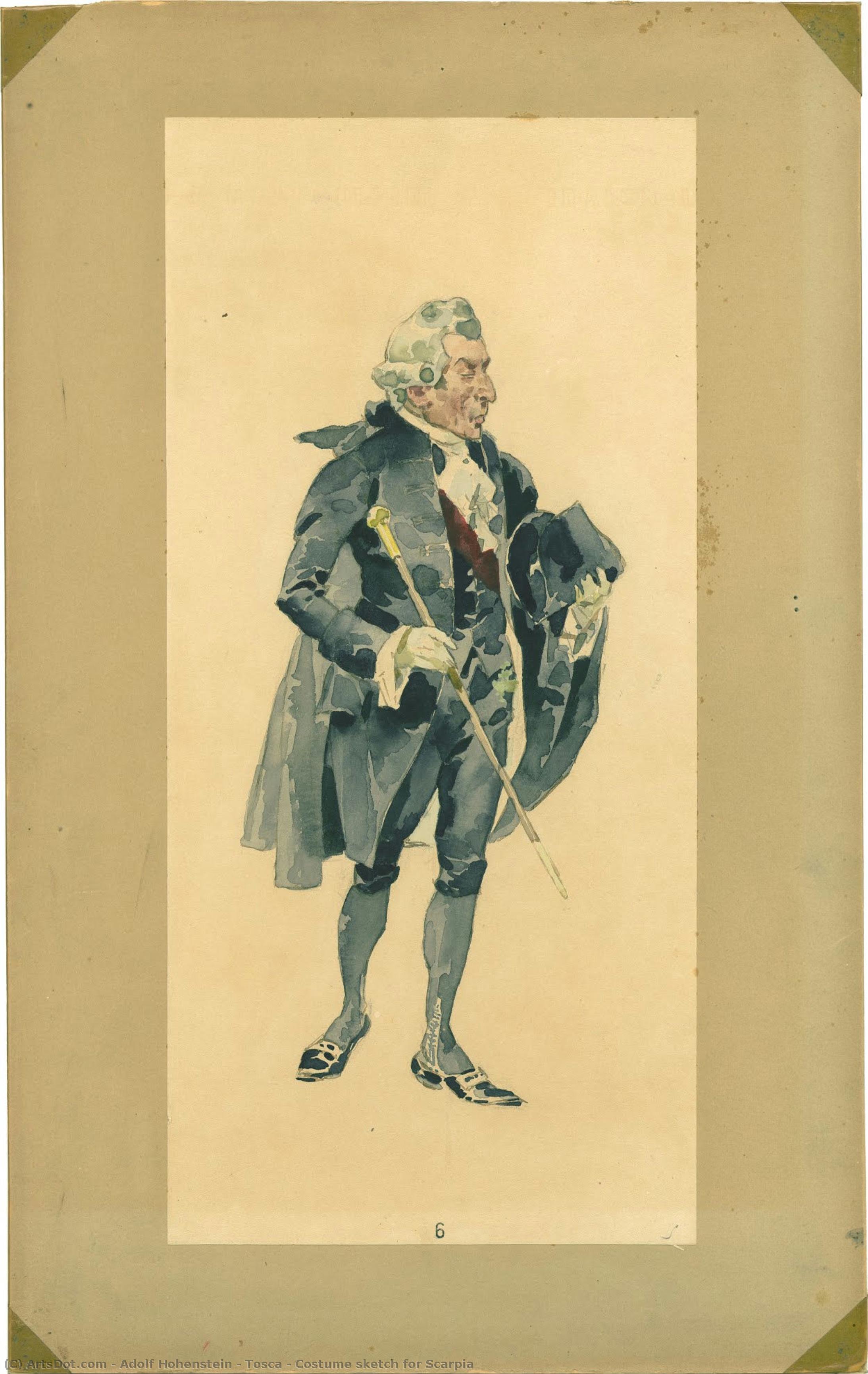
რომის ოპერატის თეატრი, რომირომის ოპერატის თეატრი რომი 3 Tosca - Sketch of Act III, Tosca - Costume sketch for Scarpia, Tosca - Costume sketch for Floria Tosca

ადოლფო ჰოენშტაინი წლების განმავლობაში: თითოეული მათგანის უნიკალური ორიგინალი

ადოლფო ჰოენშტაინი-ის აქ წარმოდგენილი ორიგინალი ნამუშევრები დაახლოებით ათწლეულს მოიცავს, 1890-დან 1899-მდე: მზერა მათ წელიწადী마다 მიჰყვება.

ნამუშევრები წლების მიხედვით

შეარჩიეთ წელი ორიგინალების სანახავად.

ადოლფო ჰოენშტაინი-ის ნახატები: კითხვები გალერეისთვის

რა არის ადოლფო ჰოენშტაინი-ის ყველაზე ცნობილი ნამუშწარებიდან ერთერთი?გაამჟღავნეთ პასუხი

Gnà Lola (mezzo soprano) (1890). შემდეგ მოდიან Mimi's Costume For Act I Of La Boheme For The Premiere Performance და Set Design For Act 2 Of Puccini's Opera Tosca.

რა ასაკში შექმნა ადოლფო ჰოენშტაინი-მა Gnà Lola (mezzo soprano)?გაამჟღავნეთ პასუხი

36 წლის: Gnà Lola (mezzo soprano) შექმნილია 1890 წელს, ხოლო ადოლფო ჰოენშტაინი დაიბადა 1854 წელს.

ადოლფო ჰოენშტაინი-ის რომელი 열ათმე ნახატია ყველაზე ცნობილი?გაამჟღავნეთ პასუხი

Gnà Lola (mezzo soprano), Mimi's Costume For Act I Of La Boheme For The Premiere Performance, Set Design For Act 2 Of Puccini's Opera Tosca, Tosca - Sketch of Act III, A Square, on the right the exterior of Osteria della Giarrettiera, Tosca - Costume sketch for Scarpia, Tosca - Costume sketch for Floria Tosca, Costume design for a servant girl from the Opera, The Image Describe A Poster Drawn By Adolf Hohenstein და Le Villi Act Ii. ზემოთ მოცემული რეიტინგი ასახავს თითოეულის შემოქმედების წელსა და მუზეუმს.

რამდენი ნამუშწარებია ცნობილი ადოლფო ჰოენშტაინი-ის შემოქმედებიდან?გაამჟღავნეთ პასუხი

ჩვენს კატალოგში წარმოდგენილია 25 ნამუშწევრი ადოლფო ჰოენშტაინი-ისგან, დათარიღებული 1890-დან 1899-მდე.

სად შეიძლება ყველაზე ცნობილი ადოლფო ჰოენშტაინი-ის ორიგინალების ნახვა?გაამჟღავნეთ პასუხი

ძირითადად რომის ოპერატის თეატრი (რომი)-ში. ზემოთ მოცემულ მუზეუმების ცხრილში ისინი ყველა listed.

რა პერიოდში შექმნა ადოლფო ჰოენშტაინი-მა ყველაზე ცნობილი სურათები?გაამჟღავნეთ პასუხი

1899-ში: ამ გვერდზე წარმოდგენილი 24 ნამუშწარwerksიდან 3 შეიქმნა მაშინ, მათგან Tosca - Sketch of Act III.

რომელი ცნობილი ადოლფო ჰოენშტაინი ტილოა ყველაზე ადრეული და რომელი — ყველაზე გვიანდელი?გაამჟღავნეთ პასუხი

ამ გვერდზე ყველაზე ადრეული არის Gnà Lola (mezzo soprano) (1890), ხოლო ყველაზე გვიანდელი — Tosca - Sketch of Act III (1899).

რა თემებს ანიჭებდა უპირატესობას ადოლფო ჰოენშტაინი?გაამჟღავნეთ პასუხი

Poster (4), Urban landscape (2) და Clothing (2), ამ გვერდზე წარმოდგენილ 24 ნამუშწარეს შორის.

რა მასალებით ხატავდა ყველაზე ხშირად ადოლფო ჰოენშტაინი?გაამჟღავნეთ პასუხი

Watercolor, ამ გვერდზე არსებული 24 ნამუშწაროსგან 2 ცალიდან.

ადოლფო ჰოენშტაინი-ის შემოქმედება რომელ მიმდინარეობას მიეკუთვნება?გაამჟღავნეთ პასუხი

Art nouveau, ამ გვერდზე წარმოდგენილი ორიგინალების მიხედვით.

რა ადოლფო ჰოენშტაინი-ის ორიგინალების ნახვა შემიძლია რომის ოპერატის თეატრი-ში?გაამჟღავნეთ პასუხი

Tosca - Sketch of Act III, Tosca - Costume sketch for Scarpia და Tosca - Costume sketch for Floria Tosca: რომის ოპერატის თეატრი, რომი-ში წარმოდგენილია ამ გვერდზე მოცემული ნამუშევრების 3 ცალი.

ადოლფო ჰოენშტაინი: მხატვრის პორტრეტი

The Architect of Italian Elegance

Born in Saint Petersburg, Russia, to German parents, Adolf Hohenstein emerged as a transformative figure whose creative reach extended far beyond the boundaries of a single medium. Though his roots were in the Russian Empire, his artistic soul was forged in the vibrant cultural landscapes of Vienna and Milan. As a painter, illustrator, advertiser, and set designer, he possessed a rare ability to weave together the theatrical and the graphic, ultimately earning him the prestigious title of the father of Italian poster art. His journey from the imperial atmosphere of his birthplace to the heart of the Italian Stile Liberty—the local expression of Art Nouveau—is a testament to a life lived at the intersection of diverse European traditions.

Hohenstein’s career was defined by an extraordinary versatility that allowed him to command both the grand stage and the intimate printed page. His early years in Vienna provided a foundation of classical training, while his travels through India offered him unique perspectives on decoration and ornamentation. However, it was his move to Milan in 1879 that would forever alter the course of graphic design history. Settling in this burgeoning metropolis, he became an essential collaborator for the legendary musical publisher Giulio Ricordi. Within the Ricordi Graphical Workshops, Hohenstein acted as a visionary, translating the soaring emotions of opera into striking visual narratives. His hand was instrumental in creating the iconic posters for masterpieces such as Puccini’s Tosca and Madama Butterfly, works that required a delicate balance of dramatic tension and aesthetic grace.

A Legacy of Line and Light

The artistry of Hohenstein is characterized by a profound command over atmosphere and the evocative power of the line. Whether he was designing elaborate costumes and sets for La Scala or crafting advertisements for brands like Campari, his work breathed with a rhythmic vitality. In his poster designs, one finds a masterful use of flowing, organic shapes and a vibrant color palette that could capture the public's imagination instantly. He had a singular talent for world-building; even in a single sketch or a promotional print, he could evoke the heavy, cloud-swept skies of Rome or the glamorous allure of a modern cityscape.

His contributions to the visual language of his era cannot be overstated. Beyond the realm of fine art, his work as an advertiser and illustrator helped define the commercial aesthetic of the early 20th century. His achievements include:

  • Pioneering Graphic Design: Establishing the foundations of the Italian poster movement through highly decorative and emotionally resonant illustrations.
  • Theatrical Mastery: Creating immersive environments for opera through meticulous set and costume designs that complemented the musical drama of composers like Verdi and Puccini.
  • Art Nouveau Exponent: Serving as a leading figure of the Stile Liberty, integrating classical revivalism with the modern, flowing aesthetics of the period.

Ultimately, Adolf Hohenstein remains a seminal figure whose influence resonated through the evolution of graphic design in Italy and beyond. His ability to bridge the gap between high culture—the opera house and the theater—and the everyday experience of the public through posters and postcards ensures his place in the pantheon of great illustrators. He did not merely decorate the world; he redesigned how it was seen, leaving behind a legacy of elegance, drama, and enduring beauty.