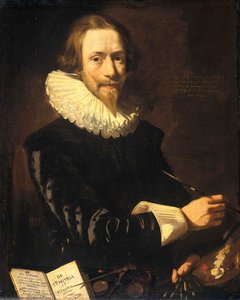
Abraham de Vries-ის პორტრეტი

Abraham de Vries-ის ნახატები: 28 ყველაზე ცნობილი ნამუშწარო, გალერეის თcraftით

განახლდა ნოემბერი 2026 · დალაგებულია ჩვენი პოპულარობის ქულების მიხედვით (ძიება, ნახვა და შეკვეთები თითოეული ნამუშწაროსთვის) · 29 ნამუშევარი Abraham de Vries ჩვენს კატალოგში

მოკლედ რომ ვთქვათ

გალერეის შეხედულებით, Abraham de Vries-ის ყველაზე ცნობილი ნამუშწაროა Portrait of a Jesuit (1637), რომლის ორიგინალი კუნსტისტორიშეს მუზეუმი-ში, ვენა-ში hangs. Portrait of a Dutch gentleman (1647) და Female Bust (1629) ქმნიან იმ ტრიოს, რომელიც ყველამ იცნობს. ჩვენს კატალოგში არსებული Abraham de Vries-ის 29 ნამუშწაროდან, გალერეა ქვემოთ წარმოგიდგენთ 28 ყველაზე ცნობილ მათგანს; თითოეული მათგანი არის ორიგინალი, რომლის აღწერა მოიცავს შემოქმედების წელს, მუზეუმს და იმ დეტალებს, რაც მას უნიკალურს ხდის.

1590 – 1662, The Hague Baroque ყველაზე დიდი კოლექცია: Rijksmuseum

გალერეის Abraham de Vries 10 საუკეთესო ნამი

1
Portrait of a Jesuit (1637) ავტორი: Abraham de Vries

Portrait of a Jesuit

The face emerges from an ink-black void, caught in a single, directional beam of light. This is a close-up study of a man, his features carved by the heavy chiaroscuro typical of the Baroque era. The left side of his face catches the glow, revealing a smooth yet detailed skin texture that transitions into deep, swallowing shadows on the right. A dark, dense beard anchors the lower composition, rendered with…

2
Portrait of a Dutch gentleman (1647) ავტორი: Abraham de Vries

Portrait of a Dutch gentleman

1647 · Oil On Panel · National Gallery of Victoria, მელბურნი

The gaze of a man from the past meets us through the oil on wood panel of the Portrait of a Dutch gentleman. Painted by Abraham de Vries in 1647, the work captures a specific moment of quiet dignity. This subject, a Dutch gentleman, emerges from a deep, dark void, his presence defined by the soft light that catches the edges of his features and the crispness of his attire.

3
Female Bust (1629) ავტორი: Abraham de Vries

Female Bust

The gaze of the subject in Female Bust meets the viewer with a quiet, steady presence. This portrait of a woman, painted by Abraham de Vries, captures a moment of stillness that feels suspended in time. The work emerges from the Dutch Republic, carrying the specific visual language of that era into the soft contours of the subject's face. Every brushstroke contributes to the sense of a living person caught…

4
Portrait of Kerckhoven of Antwerp (1640) ავტორი: Abraham de Vries

Portrait of Kerckhoven of Antwerp

The room falls into deep shadow, leaving only a fragment of a man visible to the light. He sits with a quiet, heavy dignity, his gaze meeting the viewer from across the centuries. A sharp, bright white collar cuts through the darkness, acting as a beacon that draws the eye toward the center of the composition. This crisp linen provides a stark contrast to the deep blacks and muted earth…

Abraham de Vries-ის ნახატები, რეიტინგით 11-დან 28-მდე

სუბიექტები, რომლებმაც Abraham de Vries-ის ყურადღება მიიპყრო

ამ ორიგინალებში ყველაზე ხშირად განმეორებადი არის ოთხი თემა, რომელთაგან თითოეულს თავისი საუკეთესო ნიმუში წარმოგვიდგება.

მუზეუმები, სადაც Abraham de Vries-ის ორიგინალები ინახება

ამ გვერდზე წარმოდგენილი მხატვრობის შედეგების უმეტესობას 8 მუზეუმი ინახავს.

მუზეუმები ქალაქი Abraham de Vries შემოქმედება ამ სიიდან ნახატები
Rijksmuseum, ამსტერდამიRijksmuseum ამსტერდამი 3 Self-Portrait, Portret van David de Moor, Portrait of a woman
კუნსტისტორიშეს მუზეუმი, ვენაკუნსტისტორიშეს მუზეუმი ვენა 2 Portrait of a Jesuit, Portrait of Kerckhoven of Antwerp
ბავარიის სახელმწიფო ფერწერის კოლექციები, მუნხენიბავარიის სახელმწიფო ფერწერის კოლექციები მუნხენი 2 Female Bust, Portrait of a Woman
Museum Catharijneconvent, უთრექტიMuseum Catharijneconvent უთრექტი 2 Portrait of waarschijnlijk Dirk Diert (1606-1650), Portrait of Anna van Waesdorp, wife of Dirck Diert
Museum Rotterdam, RotterdamMuseum Rotterdam Rotterdam 2 Portrait of Maria van Hogendorp, wife of Hendrik Rammelman, Portrait of a man, possibly the merchant Adriaen van der Tock
National Gallery of Victoria, მელბურნიNational Gallery of Victoria მელბურნი 1 Portrait of a Dutch gentleman
Museum Boijmans Van Beuningen, როტერდამიMuseum Boijmans Van Beuningen როტერდამი 1 Portrait of a Woman
პატარა პალატა, პარიზიპატარა პალატა პარიზი 1 Portrait of an unknown man

Abraham de Vries, ერთი ავთენტური ნამუშწარები ათწლეულში

ნამუშევრები ათწლეულების მიხედვით

შეარჩიეთ ათწლეული, რათა ნახოთ ის ორიგინალი ნამუშევარი, რომელიც მას განსაზღვრავს.

Abraham de Vries-ის ნახატები: გალერეის პასუხები

რომელი Abraham de Vries ტილოა ყველაზე ცნობილი?გაამჟღავნეთ პასუხი

Portrait of a Jesuit (1637), კუნსტისტორიშეს მუზეუმი, ვენა. შემდეგ მოდიან Portrait of a Dutch gentleman (1647) და Female Bust (1629).

რამდენage იყო Abraham de Vries Portrait of a Jesuit-ის დასრულებისას?გაამჟღავნეთ პასუხი

47 წლის: Portrait of a Jesuit შექმნილია 1637 წელს, ხოლო Abraham de Vries დაიბადა 1590 წელს.

რომელია Abraham de Vries-ის 10 საუკეთესო ნამუშწარო?გაამჟღავნეთ პასუხი

Portrait of a Jesuit, Portrait of a Dutch gentleman, Female Bust, Portrait of Kerckhoven of Antwerp, Portrait of a Woman, Portrait of an unknown man, Portrait of Hans van Loon (1577-1658), Portrait of waarschijnlijk Dirk Diert (1606-1650), Portrait of Maria van Hogendorp, wife of Hendrik Rammelman და Portrait of a man, possibly the merchant Adriaen van der Tock. ზემოთ მოცემული რეიტინგი ასახავს თითოეულის შემოქმედების წელსა და მუზეუმს.

რამდენიმე ნამუშწარები შექმნა Abraham de Vries-მა?გაამჟღავნეთ პასუხი

ჩვენს კატალოგში წარმოდგენილია 29 ნამუშწევრი Abraham de Vries-ისგან, დათარიღებული 1600-დან 1650-მდე.

სად hanging Abraham de Vries-ის ყველაზე ცნობილი ორიგინალები?გაამჟღავნეთ პასუხი

ძირითადად Rijksmuseum (ამსტერდამი), კუნსტისტორიშეს მუზეუმი (ვენა) და ბავარიის სახელმწიფო ფერწერის კოლექციები (მუნხენი)-ში. ზემოთ მოცემულ მუზეუმების ცხრილში ისინი ყველა listed.

როდის შექმნა Abraham de Vries-მა ყველაზე ცნობილი სურათები?გაამჟღავნეთ პასუხი

1640s-ში: ამ გვერდზე წარმოდგენილი 28 ნამუშწარwerksიდან 7 შეიქმნა მაშინ, მათგან Portrait of a Dutch gentleman.

რომლებიც Abraham de Vries-ის ყველაზე ადრეული და ბოლო ცნობილი ნამუშევრებია?გაამჟღავნეთ პასუხი

ამ გვერდზე ყველაზე ადრეული არის Figure of Christ (1600), ხოლო ყველაზე გვიანდელი — Church Interior with Woman at the Foot of a Pulpit (1650).

რომელ თემებს მიმართავდა Abraham de Vries ყველაზე ხშირად?გაამჟღავნეთ პასუხი

Portrait (6), Man (5) და White collar (5), ამ გვერდზე წარმოდგენილ 28 ნამუშწარეს შორის.

რა ტექნიკით მუშაობდა Abraham de Vries ყველაზე ხშირად?გაამჟღავნეთ პასუხი

Oil On Panel, ამ გვერდზე არსებული 28 ნამუშწაროსგან 4 ცალიდან.

რომელ მიძღვნასთან არის დაკავშირებული Abraham de Vries?გაამჟღავნეთ პასუხი

Baroque და Dutch golden age, ამ გვერდზე წარმოდგენილი ორიგინალების მიხედვით.

რომელი Abraham de Vries-ის ორიგინალები ინახავს Rijksmuseum?გაამჟღავნეთ პასუხი

Self-Portrait, Portret van David de Moor და Portrait of a woman: Rijksmuseum, ამსტერდამი-ში წარმოდგენილია ამ გვერდზე მოცემული ნამუშევრების 3 ცალი.

Abraham de Vries: მხატვარი

A Peripatetic Life in Paint: Abraham de Vries and the Dutch Golden Age

Abraham de Vries, a name perhaps less immediately recognizable than some of his contemporaries, nevertheless occupies a fascinating and significant niche within the vibrant tapestry of 17th-century Dutch and Flemish painting. Born around 1590 – with recent scholarship leaning towards The Hague rather than Rotterdam as his birthplace – de Vries led a remarkably mobile life for an artist of his era, traversing France, Antwerp, and various cities within the Dutch Republic. This peripatetic existence profoundly shaped his artistic development, resulting in a style that skillfully blended diverse influences, reflecting a keen eye for both Dutch realism and Flemish dynamism. Biographical details remain somewhat fragmented, pieced together from guild records, archival documents, and contemporary accounts, yet they reveal a portrait of an ambitious artist constantly seeking to refine his craft and navigate the complex art world of his time. His early training remains shrouded in some mystery, though a self-portrait from 1621 hints at both artistic skill and intellectual curiosity, depicting him as a learned practitioner aware of broader cultural currents.

From French Sojourns to Flemish Flourishes

De Vries’s travels began early, with evidence suggesting a visit to Lyon in France as early as 1613. The following decades saw him establish a pattern of extended stays in various French cities – Aix-en-Provence, Toulouse, Montpellier, and Paris – where he not only practiced his art but also cultivated important connections. His time in Aix-en-Provence proved particularly formative, as he took on the young Flemish artist Jan Cossiers as a pupil, demonstrating an early willingness to share his knowledge and engage with artistic communities beyond his own origins. A pivotal moment arrived during his stay in Paris in 1629 when he encountered Peter Paul Rubens. This meeting left an indelible mark on de Vries’s work, introducing him to the dramatic energy and refined technique that characterized Flemish Baroque painting. Later, a sojourn in Antwerp from 1634 onwards solidified this influence. His portrait of Simon de Vos, painted during this period, exemplifies the dynamism and stylistic echoes of Anthony van Dyck that now permeated his oeuvre. Even a brief but impactful stint at the Brussels court in 1636, where his talents were reportedly favored even over Van Dyck’s, underscores his growing reputation and artistic prowess.

A Synthesis of Styles: Dutch Roots and Rembrandt's Shadow

Despite his extended periods abroad, de Vries never entirely abandoned the sensibilities of his Dutch heritage. His early works demonstrate an affinity for the restrained realism favored by artists in Amsterdam and The Hague, such as Thomas de Keyser and Jan van Ravesteyn. However, the Flemish influence gradually became more pronounced, particularly in his portraits, where he embraced a richer palette, more dramatic lighting, and a greater emphasis on capturing the personality of his sitters. By the 1640s, another significant force entered the equation: Rembrandt van Rijn. The Dutch master’s innovative approach to portraiture – prioritizing psychological depth and characterization over mere physical likeness – resonated deeply with de Vries. This influence is strikingly evident in works like “Portrait of a Dutch Gentleman” (1647), which was initially mistaken for a Rembrandt painting, showcasing the artist's ability to convey inner life through subtle nuances of expression and masterful use of *chiaroscuro*.

Beyond Individual Portraits: Innovation in Group Portraiture

While celebrated primarily as a portraitist, de Vries also demonstrated his versatility through group portraits – a particularly important genre in the Dutch Golden Age. His “Regents of the Burgerweeshuis Orphanage in Amsterdam” (1633) stands out for its innovative composition. Rather than arranging the regents in a static, symmetrical formation, de Vries divided them into standing and seated groups, connected by a staff member leading an orphan girl – a remarkably unusual inclusion that imbues the painting with a sense of compassion and social awareness. This subtle yet powerful detail elevates the work beyond a mere record of civic duty, transforming it into a poignant commentary on the responsibilities of those entrusted with the care of vulnerable children. This innovative approach demonstrates de Vries’s willingness to experiment with form and narrative within the conventions of his time.

A Lasting Legacy: De Vries in the Context of His Era

Abraham de Vries's historical significance lies not in a single, revolutionary innovation but rather in his remarkable ability to synthesize diverse artistic influences into a cohesive and compelling style. He was a master adapter, seamlessly blending Dutch realism with Flemish dynamism and later incorporating Rembrandt’s psychological insights. His peripatetic lifestyle, while making it challenging to define a singular stylistic identity, ultimately enriched his art, exposing him to a wider range of techniques and perspectives. Though perhaps not as widely celebrated as some of his more famous contemporaries, de Vries's portraits offer invaluable glimpses into the social and cultural landscape of 17th-century Europe, showcasing a diverse array of individuals – artists, regents, and ordinary citizens – with sensitivity, skill, and an enduring sense of humanity. His work continues to captivate viewers today, offering a testament to the power of artistic exchange and the enduring appeal of masterful portraiture.