Introduction: The Enduring Fascination with Memory in Art
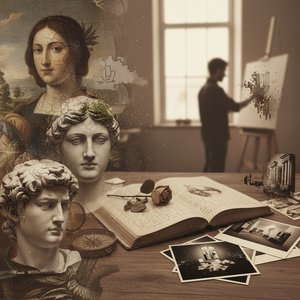 Evoking Echoes of Time: Nostalgia as a Dominant Vibe in Art Historical & Contemporary Practice
Explore the powerful role of nostalgia in art history & contemporary practice. Discover how artists evoke emotion, reclaim cultural memories, & create spaces that resonate with wellbeing. Expert insights & curated collections at OriginalUniqueArt.
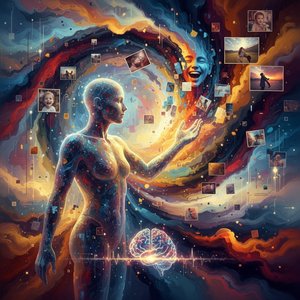
The human impulse to capture, preserve, and interpret memory is as old as art itself. From the earliest cave paintings—perhaps attempts to record hunts and rituals—to the complex narratives woven into Renaissance masterpieces, artists have consistently sought ways to grapple with the ephemeral nature of experience. But it’s not merely *what* we remember that captivates; it's how we remember – the distortions, embellishments, and emotional weight that transform lived moments into something profoundly personal and often elusive. This exploration of memory isn’t simply a nostalgic yearning for the past; it is a fundamental inquiry into what constitutes identity, consciousness, and our very understanding of reality.
The Precursors: From Classical Allegory to Romantic Longing
 Visit to grandparents
Early representations of memory were frequently allegorical, personified by figures like Mnemosyne in Greek mythology – the Titaness who embodied remembrance. These depictions often emphasized the act of recollection itself, rather than specific events. However, with the rise of Romanticism in the 18th and 19th centuries, a shift occurred. Artists began to prioritize subjective experience and emotional resonance, turning inward to explore their own personal histories and the landscapes that shaped them. Dante Gabriel Rossetti’s “The Gate of Memory” (1879) exemplifies this beautifully. The painting isn't a literal depiction of a past event but rather an evocative symbol of the mind’s labyrinthine corridors, filled with half-forgotten faces and lingering sensations. The pre-Raphaelite attention to detail—the lush foliage, the melancholic expressions—creates a dreamlike atmosphere that perfectly captures the fragmented nature of recollection. The figure is not actively recalling; she *is* memory itself, lost in contemplation.
Modernist Explorations of Subjective Recall & Fragmentation
The 20th century witnessed an even more radical interrogation of memory’s reliability and structure. As the world fractured under the weight of war and rapid social change, artists began to reflect this fragmentation in their work. Cubism, with its shattered perspectives and multiple viewpoints, can be seen as a visual metaphor for the disjointed nature of recalled experience. Surrealism delved into the subconscious, attempting to unlock the hidden depths of memory through dreamlike imagery and automatic techniques. Artists like Salvador Dalí explored the fluidity of time and the distortion of reality within the realm of personal recollection. However, it was artists such as Marcel Proust who truly captured the essence of involuntary memory—the sudden rush of sensation that transports us back to a specific moment in time. This concept found visual expression in works that prioritized atmosphere and emotional suggestion over precise representation.
Contemporary Artists and the Reclamation of Personal Histories
 patrícia leite
Discover patrícia leite, a contemporary Brazilian artist known for vibrant abstract & figurative paintings exploring memory, emotion, and color. Represented by Pace & David Zwirner galleries. Explore her unique style & impactful works!
Today’s artists continue to explore the complexities of memory, often focusing on reclaiming marginalized histories and challenging dominant narratives. Brazilian artist patrícia leite, for example, creates vibrant abstract and figurative paintings that delve into themes of emotion, color, and personal experience. Her work isn't about recreating specific events but rather evoking the *feeling* of memory—the subtle shifts in mood, the interplay of light and shadow, the lingering sense of loss or joy. Similarly, Mexican artist roberto marquez blends literature and music with his dreamlike paintings, creating visual metaphors that resonate on a deeply emotional level. These artists demonstrate a willingness to embrace ambiguity and subjectivity, recognizing that memory is not a fixed entity but rather a constantly evolving construct.
Landscape as a Repository of Collective Memory
 Landscape in Memory
Hockney's 'Landscape in Memory' captures the essence of a winding road through vibrant trees and a charming house, evoking depth and movement. A classic piece!
The landscape itself often serves as a powerful repository of collective memory. Places hold echoes of past events, shaping our perceptions and influencing our emotional responses. David Hockney’s “Landscape in Memory” (1987) beautifully illustrates this concept. The winding road, the vibrant trees, and the charming house evoke a sense of depth and movement, but it's not a depiction of a specific location; rather, it is a composite image—a distillation of Hockney’s personal recollections and emotional associations with the Yorkshire countryside. Marc Chagall’s “Visit to Grandparents” (1927) offers another compelling example, portraying a deeply personal scene imbued with nostalgia and familial warmth. The landscape isn't merely a backdrop; it is integral to the emotional weight of the painting, representing a cherished connection to the past. The work speaks to the power of place in shaping identity and preserving cultural traditions.
Conclusion: The Ongoing Dialogue Between Past, Present, and Artistic Expression
From ancient allegories to contemporary explorations of personal histories, art has consistently served as a powerful medium for grappling with the complexities of memory. Artists don’t simply record the past; they interpret it, reimagine it, and imbue it with new meaning. The enduring fascination with memory stems from its fundamental connection to our sense of self—our identities are shaped by our recollections, both real and imagined. At OriginalUniqueArt.com, we believe in the power of art to evoke emotion, spark dialogue, and connect us to the rich tapestry of human experience. Explore our extensive collection of masterpieces—from iconic landscapes to intimate portraits—and discover how artists have captured the fleeting beauty and enduring power of memory throughout history. Whether you seek a museum-quality reproduction for your home or are simply looking to deepen your appreciation for art, we invite you to embark on a journey through the captivating world of visual storytelling.