გადართვა ბეჭდვის რეჟიმზე
 სრული ტექსტის ნახვა







































 ნებისმიერი მხარისთვის 105 სმ-ზე (დაახლოებით 41 ინჩი) მეტი ზომის ხელოვნებული ნამუშევრების ან რეპროდუქციებისთვის, ჩარჩო მოგზავნდება დაშლილ კომპლექტში. ეს მეთოდი უზრუნველყოფს უსაფრთხო მიწოდებას და თავიდან აგაცილებთ ტრანსპორტირებისას შესაძლო დაზიანებას.


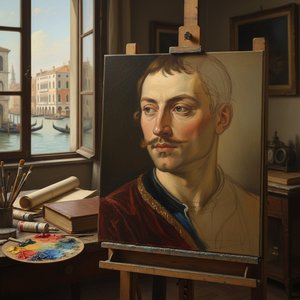
A Venetian Echo in American Canvas: Exploring Titian Ramsay Peale II’s Venus Rising from the Sea
Titian Ramsay Peale II stands as a singular figure within the burgeoning artistic landscape of 19th-century America—a descendant carrying the torch of Renaissance grandeur into a nation grappling with its own identity. Born in Philadelphia in 1799, he inherited not merely talent but an ingrained aesthetic sensibility profoundly influenced by his father, Charles Willson Peale, a titan of early American portraiture and the visionary founder of the Smithsonian Institution’s precursor. While overshadowed by his father's monumental achievements, Titian Ramsay Peale II relentlessly pursued his artistic vision, channeling the spirit of Venetian High Renaissance masters—particularly Giorgione and Raphael—into canvases that resonate with an unparalleled level of detail and luminous color. This dedication wasn’t simply stylistic imitation; it represented a deliberate effort to absorb and reinterpret classical ideals, resulting in artworks that transcend mere representation and delve into deeper layers of meaning.- Subject Matter: The painting depicts a woman bathed in ethereal light, arguably embodying Venus—the goddess of beauty and fertility—emerging from the tranquil depths of the sea. This imagery speaks to themes of rebirth, renewal, and feminine grace, central tenets of Renaissance artistic thought.
- Style & Technique: Peale II’s approach aligns closely with Venetian Mannerism, characterized by elongated figures, subtle shading, and a masterful manipulation of color to convey mood and atmosphere. He employed oil paint on canvas—a technique favored during the period—allowing for rich pigments and nuanced tonal gradations that capture the delicate interplay between light and shadow.
- Historical Context: Created around 1520, this artwork reflects the humanist revival sweeping across Europe following Leonardo da Vinci’s groundbreaking innovations. The Renaissance preoccupation with classical mythology and idealized beauty is palpable in every brushstroke, mirroring a broader cultural yearning for order and harmony amidst turbulent times.
- Interior Design Considerations: Reproductions of Venus Rising from the Sea would lend themselves beautifully to serene interiors, particularly bedrooms or meditation spaces. Its muted colors harmonize with natural tones, creating a calming ambiance that complements minimalist design sensibilities.
- Collector’s Appeal: For discerning collectors interested in mastering Renaissance aesthetics, this artwork represents an exceptional opportunity to acquire a piece imbued with historical prestige and artistic brilliance—a tangible connection to the intellectual fervor of Europe's golden age.
კითხვები და პასუხები
რა ტექნიკა და სტილი ახასიათებს ტიტან რემზაი პილი Ii-ის „Venus Rising from the Sea (“-ს?
წარმოებაში "Venus Rising from the Sea (", Acrylic On Canvas ტექნიკა და Renaissance Echo სტილი ერთმანეთს ერწყმის.
რა არის ტიტან რემზაი პილი Ii-ის „Venus Rising from the Sea (“-ის აღქმადი სიკაშკაშე?
ტიტან რემზაი პილი Ii-ის „Venus Rising from the Sea (“-ის აღქმადი სიკაშკაშე არის shadow. ის შესაძლოა შეესაბამებოდეს განკუთვნილი სივრცის განათებას.
1520 წელს შექმნილი „Venus Rising from the Sea (“ ტიტან რემზაი პილი Ii-ის შემოქმედების რომელი პერიოდის შესაბამისობაა?
1520 წელი „Venus Rising from the Sea (“-ს ტიტან რემზაი პილი Ii-ის შემოქმედებითი განვითარების Mature Period პერიოდში ათავსებს.
 ნახვა ინტერьерში
 გაგზავნა
 გაზიარება
 დეტალები
 გზამკვლევი

 ჩამოტვირთვა
 მსგავსები
 რენტგენოგრაფიული კვლევა
 სლაიდშოუ
 კითხვა-პასუხი
 სტატისტიკა