Contemporary Realism · 1898
Taking the Count (თომას ეიკინსი, 1898)
თომას ეიკინსი (1844–1916)-მა შექმნა Taking the Count. ის შექმნილ არის 1898 წელს. ის Contemporary Realism მიძღვნილ სტილს მიეკუთვნება. შესრულებულია Oil On Canvas-ით. ნახატი დაცულია იალეის უნივერსიტეტის ხელოვნების გალერეა-ში, ჰარტფორდი, ამერიკის შეერთებული შტატები-ში.
- 1898
- Oil On Canvas
- იალეის უნივერსიტეტის ხელოვნების გალერეა, ჰარტფორდი

 წინასწარი ნახვა

 ხელით შესრულებული ზეთប្រეწერი
 გაგზავნა
 გაზიარება
 სპეცფიკაცია


 ჩამოტვირთვა
 მსგავსები
 რენტგენოგრაფიული კვლევა
 სლაიდშოუ
 კითხვა-პასუხი

 სტატისტიკა
Taking the Count, მოკლედ
- სათაური
- Taking the Count
- ავტორი
- თომას ეიკინსი (1844–1916)
- ხატვის წელი და ადგილი
- ფილადელფია, ამერიკის შეერთებული შტატები
- თარიღი
- 1898
- ტექნიკა
- Oil On Canvas
- სად ნახვა შეგიძლიათ
- იალეის უნივერსიტეტის ხელოვნების გალერეა, ჰარტფორდი, ამერიკის შეერთებული შტატები
- მოძრაობა
- Contemporary Realism
- ეპოქა
- 19th Century
- სუბიექტი
- boxing match, anatomy, crowd spectators, referee, philadelphia, realism
რა არის გამოსახული Taking the Count-ში?
The Raw Pulse of Philadelphia: A Masterclass in Realism
In the dim, electric atmosphere of Philadelphia’s Arena in 1898, a moment of profound human vulnerability is frozen in time. Thomas Eakins, a titan of American Realism, does not merely paint a boxing match; he dissects the very essence of endurance and physical struggle. In Taking the Count, we are thrust into the center of the ring, where the sweat, the tension, and the heavy breathing of the combatants feel almost palpable. This is not the romanticized, heroic athleticism often found in sporting art; instead, Eakins presents a gritty, unvarnished truth. The scene captures a fallen fighter at his most precarious moment, caught in the agonizing interval between a devastating blow and the referee's decisive count. It is a study of the human body under duress, rendered with a scientific precision that reflects Eakins’ lifelong obsession with anatomy.
The composition draws the eye through a complex web of gazes and physical postures. At the heart of the drama, the kneeling figure embodies a desperate struggle for recovery, his muscles taut and his spirit tested. Surrounding him, the referee and the standing opponent create a triangular tension that anchors the viewer within the ring. Beyond the immediate combatants, the presence of the crowd—a shadowy, watchful collective—adds a layer of psychological depth, reminding us that this private agony is being consumed as public spectacle. For the collector or the lover of fine art, this painting offers more than just a depiction of sport; it provides a window into the late 19th-century urban experience, where the boundaries between physical prowess and human frailty are perpetually blurred.
Anatomy of a Masterpiece: Technique and Light
Eakins’s technical mastery is most evident in his ability to marry scientific rigor with emotional resonance. Having spent years studying the intricacies of musculature and bone structure through dissection, he approaches the canvas with the eye of an anatomist. Every sinew and strained limb in Taking the Count is rendered with an uncompromising accuracy that makes the figures appear to possess weight and volume. His use of light does not serve to beautify the scene but to illuminate its harsh realities. The lighting within the arena creates deep, dramatic shadows that sculpt the bodies of the boxers, emphasizing the physical toll of the fight and adding a sense of cinematic gravity to the composition.
The palette, while grounded in the earthy, somber tones characteristic of Eakins’s realism, is used to direct the viewer's emotional journey. The muted colors of the background allow the pale, strained skin of the athletes to emerge from the gloom, focusing our attention on the visceral reality of the struggle. For interior designers seeking a centerpiece for a sophisticated space, this work offers a profound sense of gravitas. A high-quality reproduction of this masterpiece brings with it an air of intellectual depth and historical weight, making it an ideal choice for galleries, studies, or living spaces that value art which challenges the eye and stirs the soul.
A Legacy of Unflinching Honesty
To understand Taking the Count is to understand the rebellious spirit of Thomas Eakins himself. At a time when many of his contemporaries were retreating into the soft, fleeting impressions of light or the idealized myths of history, Eakins stood firm in his commitment to the real. He found beauty not in perfection, but in the truth of the human condition—in the grit of the city, the precision of science, and the raw intensity of life lived on the edge. This painting remains a testament to that courage.
Owning or displaying a reproduction of this work is an invitation to contemplate the themes of resilience and the cyclical nature of struggle. It serves as a powerful reminder that even in moments of defeat, there is a profound dignity in the attempt to rise again. Whether viewed as a historical document of Philadelphia’s sporting culture or as a timeless exploration of human anatomy, Taking the Count continues to captivate, offering an enduring source of inspiration for those who find beauty in the authentic and the unadorned.
რომელ მუზეუმში ინახება Taking the Count?
იალეის უნივერსიტეტის ხელოვნების გალერეა
ჰარტფორდი, ამერიკის შეერთებული შტატები
ხედვის მემკვიდრეობა: იალეის უნივერსიტეტის ხელოვნების გალერეის অনცენკენ კონექტიკუტის ქალაქ ჰარტფორდში, იალეის უნივერსიტეტის ისტორიულ კამპუსში განთავსებული იალეის უნივესიტეტის ხელოვნების გალერეა საუკუნოვანი მხარდაჭერის და ხელოვნების ყველასთვის ხელმისაწვდომობისადმი ღრმა ერთგულების დასტურია. ეს არ არის მხოლოდ შედევრების საცავი; იგი ეპოქათა, სტილთა და კულტურათა შორის არსებული ცოცხალი დიალოგია — ადგილი, სადაც რევოლუციური იდეების გამოხმაურება ქანის გარდაუვალ არქიტექტურული ნაშრომის შემოტანილი მშვიდი ჭვრეტის განცდას ერწყმის. 1832 წელს დაარსებული ჯონ ტრამბულის კოლექციის საფუძველზე, რომელიც თავდაპირველად ამერიკის რევოლუციის გამოსახატავ ტილოებზე იყო ფოკუსირებული, გალერეა ორგანულად გადაიქცა ენციკლოპედიურ ინსტიტუციად, რომელიც 300,000-ზე მეტ ექსპონატს აერთიანებს სხვადასხვა ათასწლეულსა და კონტინენტს შორის.


Taking the Count-ის მაღალი გარ Auflხ resolución-ის გამოსახულებები
საჯარო საკუთრება: მხატვარი გარდაიცვალა 1916 წელს.
თომას ეიკინსი, Taking the Count (1898), იალეის უნივერსიტეტის ხელოვნების გალერეა. საჯარო საკუთრება
კითხვები Taking the Count-ზე, პასუხები
სად შემიძლია ვნახო თომას ეიკინსი-ის „Taking the Count“ ორიგინალი?
თომას ეიკინსი-ის „Taking the Count“ წარმოდგენილია იალეის უნივერსიტეტის ხელოვნების გალერეა, ჰარტფორდი, ამერიკის შეერთებული შტატები-ში. მუზეუმის აღწერილობა ეხება ორიგინალ ნამუშევარს და არა რეპროდუქციებს.
რა თარიღში შეიქმნა თომას ეიკინსი-ის „Taking the Count“?
Taking the Count შექმნილია 1898 წელს. ეს თარიღი ნამუშევარს თომას ეიკინსი-ის შემოქმედებითი კარიერისა და იმ ეპოქის კონტექსტში ათავსებს.
რა მასალისგან არის შესრულებული თომას ეიკინსი-ის „Taking the Count“?
თომას ეიკინსი-მა „Taking the Count“-ის შესაქმნელად Oil On Canvas ტექნიკა გამოიყენა. აღნიშნული ტექნიკა განსაზღვრავს ორიგინალი ნამუშევრის მატერიალურ ბუნებას.
რას ეხება "Taking the Count"?
თომას ეიკინსი-ის „Taking the Count“-ზე გამოსახულია: boxing match, anatomy, crowd spectators, referee, philadelphia, realism, athlete.
არის თუ არა "Taking the Count" საავტორო უფლებებისგან თავისუფალი?
ავტორული უფლებების სტატუსი ნამუშევრისთვის თომას ეიკინსი-ის „Taking the Count“: ნამუშევარი არის საჯარო საკუთრებაშია — საავტორო უფლებები ამოწდა. ეს განსაზღვრავს, შესაძლებელია თუ არა გამოსახულების რეპროდუქციის თავისუფლად წარმოება.
ვინ შექმნა "Taking the Count"?
"Taking the Count" შექმნილია თომას ეიკინსი-ის მიერ. ამ გვერდზე მოცემული ინფორმაცია აღწერს თომას ეიკინსი-ის ორიგინალურ ნამუშევარს.
რომელ მხატვრულ მიმდევრობას წარმოადგენს თომას ეიკინსი-ის „Taking the Count“?
თომას ეიკინსი-ის „Taking the Count“ მიეკუთვნება Contemporary Realism მიმდევრობას. ეს მიმდევრობა ნამუშევარს სტილისტურ კონტექსტს სძენს.
თომას ეიკინსი-ის შემოქმედების რომელი პერიოდის ნაწილია "Taking the Count"?
თომას ეიკინსი-ის შემოქმედების პერიოდში „Taking the Count“ Mature Period-ს მიეკუთვნება. ეს ფაზა საშუალებას გვაძლევს, იგი ხელოვანის სხვა ნამუშევრებს შევადაროთ.
რა ასაკში შექმნა თომას ეიკინსი-მა „Taking the Count“?
თომას ეიკინსი 54 წლის იყო, როდესაც 1898 წელს შექმნა „Taking the Count“. ასაკი გამოთვლილია ხელოვანის დაბადების წლის, 1844, საფუძველზე.
ხელပاتარში: თომას ეიკინსი

1844–1916, ამერიკის შეერთებული შტატები
თომას ეიკინსი
The Life of Thomas Eakins Born in Philadelphia, Pennsylvania, on July 25, 1844, Thomas Eakins lived a life deeply rooted in the city of his birth. He was a man of many disciplines, working as a painter, photographer, sculptor, and fine arts educator. While his interests often led him abroad for study, the geography of his existence remained largely centered in Philadelphia. He moved through the city's intellectual and social circles, observing the people and the physical realities that defined the local landscape.
თომას ეიკინსი-ის შესახებ თომას ეიკინსი-ის გამორჩეული ნამუშევრები
ასევე თომას ეიკინსი-ის მიერ
 მედგინე დოქტორი გრსსი1875
 ცურვა1885
 მაქს შმიტტის ერთ-კალათიან ხრიჯვა1871
 Portrait of Samuel Murray1889
ესეები Taking the Count-ის შესახებ
 Precision in Portraiture: The Technical Rigor of Anatomical Mastery and Hyper-RealismMaster the technical rigor of hyper-realism and anatomical precision. Explore the evolution of portraiture mastery now.
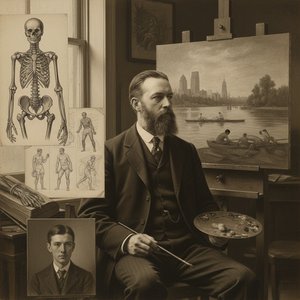 Thomas Eakins: Realism, Anatomy & the American Spirit – A Comprehensive Exploration of Life and LegacyExplore the life & legacy of Thomas Eakins, a pivotal American Realist painter. Discover his groundbreaking techniques, anatomical precisio…
 Romantic Realism's Finest: 10 Masterpieces for Your Home | OriginalUniqueArtExplore 10 defining masterpieces of Romantic Realism! Discover Courbet, Millet & Daumier's powerful paintings—capturing emotion and social …