De Stijl · 1930
Simultaneous Counter Composition. (თეო فان დოსბურგი, 1930)
თეო فان დოსბურგი (1883–1931)-მა შექმნა Simultaneous Counter Composition.. ის შექმნილ არის 1930 წელს. ის De Stijl მიძღვნილ სტილს მიეკუთვნება. შესრულებულია Painting-ით. ნახატი დაცულია MOMA - მოდერნ არტის მუზეუმი-ში, ნიუ-იორკი, ამერიკის შეერთებული შტატები-ში. ზომა არის 50 × 49 cm.
- 1930
- Painting
- 50 × 49 cm
- MOMA - მოდერნ არტის მუზეუმი, ნიუ-იორკი

 წინასწარი ნახვა

 ხელით ნაკletი ზეთწერილი
 გაგზავნა
 გაზიარება
 სპეცფიკაცია


 ჩამოტვირთვა
 მსგავსები
 რენტგენოგრაფიული კვლევა
 სლაიდშოუ
 კითხვა-პასუხი

 სტატისტიკა
Simultaneous Counter Composition., მოკლედ
- სათაური
- Simultaneous Counter Composition.
- ავტორი
- თეო فان დოსბურგი (1883–1931)
- ხატვის წელი და ადგილი
- უტრეხტი, ნიდერლანდები
- თარიღი
- 1930
- ტექნიკა
- Painting
- ზომები
- 50 × 49 cm
- სად ნახვა შეგიძლიათ
- MOMA - მოდერნ არტის მუზეუმი, ნიუ-იორკი, ამერიკის შეერთებული შტატები
- მოძრაობა
- De Stijl
- სუბიექტი
- abstract art, geometric shapes, primary colors, compositional study, modernism, de stijl
რა არის გამოსახული Simultaneous Counter Composition.-ში?
The Geometry of Inner Harmony: Exploring Theo van Doesburg's Abstraction
To stand before Theo van Doesburg’s Simultaneous Counter Composition is not merely to observe paint on canvas; it is to step into a meticulously constructed intellectual space where color and form engage in a vibrant, calculated dialogue. This piece, dating from 1930, stands as a powerful testament to the revolutionary spirit of De Stijl, the movement that sought to purify art down to its most essential geometric truths. Van Doesburg, an architect of abstraction, believed that true reality could be found not in the messy chaos of visible nature, but in the underlying harmony of pure lines and primary colors. The painting immediately envelops the viewer in a field of structured energy, inviting the eye to wander across its carefully balanced quadrants.
A Masterclass in Primary Structure
The composition itself is breathtaking in its deliberate organization. Divided into distinct yet interconnected sections—left, center, and right—the canvas pulses with a controlled chromatic symphony. We see the bold interplay of red, yellow, blue, black, and white, colors that carry immense symbolic weight within modernist thought. These hues are not simply placed side-by-side; they interact, their adjacency creating optical vibrations. The varying sizes and shapes of the squares suggest a dynamic tension, as if opposing forces—structure versus fluidity, chaos versus order—are locked in a perfect, silent negotiation. It is an exercise in visual equilibrium, where every seemingly arbitrary block contributes to the whole.
Historical Echoes: De Stijl's Vision
Understanding this work requires acknowledging its historical cradle: the fervor of Neoplasticism. Van Doesburg was instrumental in guiding art away from mere representation and toward a universal language built on abstraction. This painting embodies that quest for universal harmony, echoing the philosophical underpinnings of the early 20th century desire to rebuild culture after periods of immense upheaval. The rigid geometry is not a limitation, but rather an assertion of underlying cosmic order—a belief that even in the most abstract arrangement, there exists profound, discernible beauty and balance.
Bringing Geometric Vibrancy Home
For the collector or designer seeking to infuse a space with intellectual depth and vibrant energy, Simultaneous Counter Composition offers unparalleled impact. Its bold, graphic nature means it functions as both a striking piece of art and a powerful architectural accent. Reproducing this work allows one to bring the disciplined passion of early modernism into contemporary living. Imagine its clean lines juxtaposed against soft furnishings or rich wood tones; the painting acts as a brilliant focal point, demanding contemplation while simultaneously providing visual rest through its inherent balance.
Emotional Resonance and Technique
The emotional impact of this piece is one of exhilarating clarity. It feels both rigorously intellectual and deeply soulful. The technique, characterized by flat planes of color meeting at sharp, decisive edges, celebrates the purity of the painted surface. When considering a reproduction, note how the vibrancy of these primary colors—the way they seem to vibrate against each other—is crucial. Owning this piece is owning a conversation between structure and spirit, a vibrant reminder that even in apparent complexity, perfect harmony can be found.
რომელ მუზეუმში ინახება Simultaneous Counter Composition.?
MOMA - მოდერნ არტის მუზეუმი
ნიუ-იორკი, ამერიკის შეერთებული შტატები
Origins and History of MoMA - Museum of Modern Art The foundations of MOMA - Museum of Modern Art were laid in 1929. Conceived by Abby Aldrich Rockefeller, Lillie P. Bliss, and Mary Quinn Sullivan, the institution emerged during a period of profound global transition.


Simultaneous Counter Composition.-ის მაღალი გარ Auflხ resolución-ის გამოსახულებები

საჯარო საკუთრება: მხატვარი გარდაიცვალა 1931 წელს.
სხვა ზომები, კადრისრები და ციტირება →თეო فان დოსბურგი, Simultaneous Counter Composition. (1930), MOMA - მოდერნ არტის მუზეუმი. საჯარო საკუთრება
კითხვები Simultaneous Counter Composition.-ზე, პასუხები
სად შემიძლია ვნახო თეო فان დოსბურგი-ის „Simultaneous Counter Composition.“ ორიგინალი?
თეო فان დოსბურგი-ის „Simultaneous Counter Composition.“ წარმოდგენილია MOMA - მოდერნ არტის მუზეუმი, ნიუ-იორკი, ამერიკის შეერთებული შტატები-ში. მუზეუმის აღწერილობა ეხება ორიგინალ ნამუშევარს და არა რეპროდუქციებს.
რა თარიღში შეიქმნა თეო فان დოსბურგი-ის „Simultaneous Counter Composition.“?
Simultaneous Counter Composition. შექმნილია 1930 წელს. ეს თარიღი ნამუშევარს თეო فان დოსბურგი-ის შემოქმედებითი კარიერისა და იმ ეპოქის კონტექსტში ათავსებს.
რა ტექნიკა გამოიყენეს თეო فان დოსბურგი-ის „Simultaneous Counter Composition.“-ის შესაქმნელად?
"Simultaneous Counter Composition." შესრულებულია Painting-ით.
რა ზომისაა თეო فان დოსბურგი-ის „Simultaneous Counter Composition.“ რეალურ ცხოვრებაში?
თეო فان დოსბურგი-ის „Simultaneous Counter Composition.“ ნამუშევრის ზომებია 50 x 49 cm. რეკროდუქციების შეკვეთა შესაძლებელია სხვა ზომებშიც, პროპორციების სრული შენარჩუნებით.
რა არის გამოსახული თეო فان დოსბურგი-ის „Simultaneous Counter Composition.“-ში?
სურათის "Simultaneous Counter Composition." თემებს წარმოადგენს abstract art, geometric shapes, primary colors, compositional study, modernism, de stijl.
არის თუ არა თეო فان დოსბურგი-ის „Simultaneous Counter Composition.“ საჯარო დომენში?
რაც შეეხება საავტორო უფლებებს, „Simultaneous Counter Composition.“ არის საჯარო საკუთრებაშია — საავტორო უფლებები ამოწდა.
რომელ ხელოვანს მიეწერება "Simultaneous Counter Composition."?
„Simultaneous Counter Composition.“ მიკუთვნებულია თეო فان დოსბურგი-ს.
რომელ სტილს მიეკუთვნება "Simultaneous Counter Composition."?
თეო فان დოსბურგი-ის „Simultaneous Counter Composition.“ მიეკუთვნება De Stijl მიმდევრობას. ეს მიმდევრობა ნამუშევარს სტილისტურ კონტექსტს სძენს.
თეო فان დოსბურგი-ის შემოქმედების რომელ პერიოდს მიეკუთვნება „Simultaneous Counter Composition.“?
"Simultaneous Counter Composition." წარმოადგენს თეო فان დოსბურგი-ის შემოქმედებით პერიოდს: Neoplasticism Period.
მხატვრის შესახებ, თეო فان დოსბურგი

1883–1931, ნიდერლანდები
თეო فان დოსბურგი
აბსტრაქციის არქიტექტორი: სიცოცხლე გეომეტრიულ ჰარმონიაში თეო ვან დოსბურგი, რომელიც 1883 წელს ნიდერლანდების ქალაქ უტრეხტში დაიბადა (სახელად ქრისტიან ემილ მარიე კუპერი), უფრო მეტი იყო, ვიდრე უბრალოდ მხატვარი; იგი იყო რევოლუციური ძალა, რომელმაც თანამედროვე ხელოვნების საფუტი შეცვალა. მისი შემოქმედებითი გზა იმპრესიონიზმისა და პოსტ-იმპრესიონიზმის გაბგერებში დაიწყო, სადაც თავდაპირველად ვინსენტ ვან გოგის სტილს მიჰყვებოდა – როგორც შინაარსობრივად, ისე ემოციური ინტენსივობით. თუმცა, ეს ადრეული ეტაპი გადამწყვეტ წინაპირობად იქცა იმ რადიკალური ტრანსფორმაციისკენ, რომელმაც მისი მარადიული მემკვიდრეობა განსაზღვრა. გარდამტეხი მომენტი 1913 წელს დადგა, როდესაც მან ვასილი კანდინსკის ნაშრომი *Rückblicke* აღმოაჩინა.
თეო فان დოსბურგი-ის შესახებ თეო فان დოსბურგი-ის გამორჩეული ნამუშევრები
ასევე თეო فان დოსბურგი-ის მიერ
 Counter composition XV1925
 Rhythm of a Russian Dance
 Troelstra1910
 Study for Composition VIII (The Cow)1918

ესეები Simultaneous Counter Composition.-ის შესახებ
 Beyond Color: Why Monochromatic Art is the Ultimate High-Impact Trend for Modern InteriorsDiscover why monochromatic art is the ultimate high-impact trend for modern spaces. Explore how bold textures and minimalist aesthetics cre…
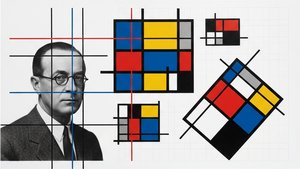 Theo van Doesburg: Pioneering De Stijl & the Evolution of Neo-PlasticismExplore the revolutionary De Stijl movement & Neo-Plasticism with our expert guide. Discover Piet Mondrian, Theo van Doesburg, and the last…
 სამი ტილო – არჩევანის ინსპირაცია და ემოციური პასუხიაღმოაჩინეთ სამი ტილოს ხელოვნების ინსპირაცია OriginalUniqueArt-ში! ხარისხიანი რებროდუქციები, ინდივიდუალური შეკვეთები და უფასო კონსულტაცია. შ…