წინასწარი ნახვა
 გაგზავნა
 გაზიარება
 დეტალები

 ჩამოტვირთვა
 მსგავსები
 რენტგენოგრაფიული კვლევა
 სლაიდშოუ
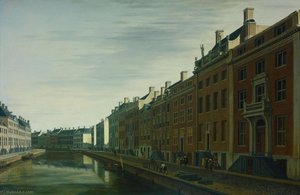
მხარეული ბென்დი ამსტერდამის ჰერენგრახტის კანიალში


 გადასართად დაწვრილებით ნახეთ
ხელით ნაკვეთი ზეთის ტილოს რეპროდუქცია
ტილოზე შესრულებული ფერწერიანი ზეთប្រდათი, თქვენთვის სასურველი ზომისა და ჩარჩოსთვის, ჩვენი ხელოვანების მიერ შეკვეთის საფუძველზე დამზადებული. ( გადართვა ბეჭდვაზე გადართვა სურათზე)




P118B $10

P118H $10

P118W $10

P438Z $10

P508JH $12

P508YH $12

P805H $10

P805Z $10

P919BZ $10

P919G $10

P919XJ $10

P959ZH $10

P968JZ $12

W106C $8

W218G $10

W218JH $8

W218Y $10

W307PJ $10

W316G $10

W316PJ $8

W316Y $10

W398PJ $8

W4111J $10

W500HY $15

W500JH $15

W692G $12

W849H $8

W940BG $15

W953PJ $8




აირჩიეთ ჩვენს მიერ წინასწარ განსაზღვრული ზომებიდან, რომლებიც ნაწარმოების ორიგინალურ პროპორციებს შეესაბამება.

თქვენ შეგიძლიათ მიუთითოთ თქვენთვის სასურველი ზომები კონკრეტული ჩარჩოს ან სივრცის შესაბამისად. თუ თქვენ მიერ არჩეული ზომა არ შეესაბამება ორიგინალი გამოსახულების პროპორციებს, ჩვენ ან შევაჭრებთ ნაწარმოებს, ან ტილოზე დავამატებთ ხელით მოხატულ ელემენტებს. წარმოების დაწყებამდე, დამტკიცებისთვის გამოგეგზავნებათ ციფრული მაკეტი.
გთხოვთ, გაითვალისწინოთ, რომ ეკრანზე ნაჩვენები წინასწარი შეხედულება არ ასახავს რეალურ შეჭრას ან გაფართოებას. საბოლოო კომპოზიციას ზუსტად მხოლოდ მაკეტი წარმოაჩენს.
მიუხედავად იმისა, რომ შესაძლებელია ინდივიდუალური ზომების შერჩევა, ორიგინალური პროპორციების შენარჩუნებისათვის გირჩევთ, გამოიყენოთ წინასწარ განსაზღვრული სიის ზომები.
შეკვეთის შემდეგ, OriginalUniqueArt.com გუნდი დაგიკავშირდებათ ელექტრონული ფოსტით ინსტრუქციებისთვის და გამოგიგზავნით წინასწარ ნახაზს (mockup).
მიწოდება მსოფლიო მასშტაბით -ში 3/4 კვირაში, სტანდარტული 5 კვირის ნაცვლად. (5 აგვისტო). ხარისხზე კომპრომისის გაკეთება არ მოხდება.

უფასო ექსპრეს მიწოდება მთელ მსოფლიოში

საბამად მაღალი ხარისხის ტილო

სრული ტრანსპორტირების დაზღვევა

საბაჟო გადასახადების დაბრუნების გარანტია

ფერების სრული შესაბამისობის გარანტია

60-დღიანი დაბრუნების პოლიტიკა (მხოლოდ დეფექტის შემთხვევაში)

100% თანხის დაბრუნების გარანტია

ფასდაკლება დიდი რაოდენობით შეკვეთისას
 მინის ჩარჩოს არჩევანი ხელმისაწვდომია მხოლოდ 110 სმ-ზე ნაკლები ზომისთვის

მხარეული ბென்დი ამსტერდამის ჰერენგრახტის კანიალში
რეკლამაციის ტექნიკა
რეკლამაციის ზომა
-


საბოლოო ფასი
$ 300
ნაწარმოების აღწერა
The Golden Bend in the Herengracht, Amsterdam, Seen from the West – A Masterpiece of Dutch Classicism
Gerrit Adriaenszoon Berckheyde’s “The Golden Bend in the Herengracht, Amsterdam, Seen from the West” stands as a cornerstone of Dutch Baroque art and a testament to the artistic fervor that characterized the Netherlands during its Golden Age. Completed in 1672, this monumental oil painting on panel resides proudly within the Rijksmuseum in Amsterdam, offering viewers an unparalleled glimpse into the splendor of seventeenth-century urban life.
- Subject Matter: The artwork captures a quintessential Amsterdam scene – the Herengracht canal, specifically its dramatic bend near Nieuwe Spiegelstraat. Berckheyde meticulously depicted this iconic waterway lined with opulent townhouses, reflecting the ambition and prosperity of the era’s wealthiest citizens.
- Style & Technique: Berckheyde adhered to the principles of Dutch Classicism, prioritizing clarity, precision, and atmospheric perspective. Unlike many contemporaries who favored dramatic chiaroscuro effects, he championed a subdued palette dominated by earthy browns and beiges—a deliberate choice that emphasized architectural detail and fostered a sense of tranquility. The artist’s masterful brushwork contributes to an illusionistic depth, convincingly mirroring the reflections on the canal surface.
- Historical Context: Executed during Amsterdam's zenith as a commercial and cultural hub, “The Golden Bend” embodies the spirit of its time. The canal mansions depicted represent the burgeoning wealth of Dutch merchants and financiers—individuals who invested heavily in architectural grandeur to assert their status within the city’s social hierarchy.
- Symbolism & Atmosphere: Berckheyde skillfully conveyed a mood of serene contemplation, mirroring the prevailing aesthetic sensibilities of the period. The muted colors, combined with the diffused sunlight filtering through the clouds, evoke a feeling of understated elegance and invite viewers to appreciate the beauty of everyday life within this magnificent cityscape.
- Provenance & Significance: Originally purchased by Jacques Goudstikker—a prominent art dealer who tragically perished during World War II—the painting was subsequently entrusted to the Rijksmuseum’s care, ensuring its preservation for future generations. Its enduring appeal lies in its ability to transport us back to a pivotal moment in European artistic history and to celebrate the legacy of Dutch Classicism.
This breathtaking reproduction allows you to experience the grandeur of Berckheyde's vision—a timeless masterpiece that continues to inspire admiration for its technical brilliance and evocative portrayal of Amsterdam’s Golden Age.
მხატვრის ბიოგრაფია
The Architect of Dutch Light
Gerrit Adriaenszoon Berckheyde stands as a pivotal figure in the Dutch Golden Age, celebrated primarily for his breathtaking cityscapes that capture the essence of Haarlem and Amsterdam with unparalleled precision and luminosity. Unlike many contemporaries who favored dramatic vistas or idealized landscapes, Berckheyde meticulously rendered urban scenes—particularly those featuring monumental buildings bathed in diffused sunlight—establishing himself as one of the foremost practitioners of Dutch Classicism. His work embodies a profound respect for observation and technical mastery, reflecting the artistic ideals of his era through a lens of clarity and architectural grandeur.
Born in Haarlem around 1638, Berckheyde’s early life remains somewhat shrouded in mystery; historians like Arnold Houbraken struggled to pinpoint his father's profession beyond being a bookbinder, suggesting a modest upbringing that nonetheless fostered an exceptional talent. He apprenticed under his elder brother, Job Adriaenszoon Berckheyde, who himself was mentored by the legendary Frans Hals—a connection that underscores the rich artistic traditions shaping Berckheyde’s formative years. The brothers embarked on a transformative journey to Germany in the 1650s, immersing themselves in the artistic milieu of Cologne, Bonn, Mannheim, and Heidelberg, where they were awarded a golden medal for their contributions to art and scholarship.
Mastery of Urban Grandeur
Despite aspirations for courtly patronage and an aristocratic lifestyle, Berckheyde’s temperament proved ill-suited to the complexities of high society, prompting his return to Haarlem. Upon joining the Haarlem Guild of Saint Luke in 1660, his position within the artistic community was solidified, signaling a period of prolific output and innovation. His studio became a hub for creativity, attracting fellow artists like Oudendijck and fostering a collaborative spirit that propelled his collective success. Influenced heavily by the meticulous architectural precision of Pieter Saenredam, Berckheyde developed a signature style characterized by spacious views and an almost mathematical accuracy in depicting the structural bones of the city.
His canvases often serve as windows into the bustling heart of the Netherlands. In works such as The Grote Markt in Haarlem, he portrays the vibrant urban life of the era, with the prominent St. Bavokerk church dominating the background. Through his masterful use of light, he transforms stone and brick into living entities, capturing the way sunlight dances across cobblestones and illuminates the facades of grand buildings. This ability to marry architectural rigidity with atmospheric softness is what defines his greatest achievements.
Legacy of the Golden Age
The historical significance of Berckheyde lies in his ability to elevate the cityscape from mere documentation to a high art form. His paintings, such as A Hunting Party near the Hofvijver in The Hague, demonstrate how he could integrate human activity and landscape elements into his architectural compositions without losing the sense of monumental stillness. He did not merely paint buildings; he painted the atmosphere of an era defined by prosperity, order, and civic pride.
As a master of Dutch Classicism, Berckheyde left behind a legacy that continues to fascinate art historians and enthusiasts alike. His contribution to the genre of architectural painting remains unparalleled, providing a luminous record of the Dutch Golden Age's most iconic urban landscapes. Through his eyes, we see a world of structured beauty, where every shadow and sunbeam contributes to a timeless narrative of light and stone.

gerrit adriaenszoon berckheyde
1638 - 1698
მოკლე ინფორმაცია
- Artistic Movement Or Style: Dutch Classicism
- Artists Or Movements Influenced By This Artist: ['Dutch Classicism']
- Artists Who Influenced This Artist:
- Pieter Saenredam
- Job Adriaenszoon Berckheyde
- Date Of Birth: 1638
- Date Of Death: 1698
- Full Name: Gerrit Adriaenszoon Berckheyde
- Nationality: Dutch
- Notable Artworks:
- De Waag (Weighing House) and Crane on the Spaarne,
- The Great Market In Haarlem
- Place Of Birth: Haarlem, Netherlands
დაკავშირებული სტატიები

ჰოლანდიის ოქროს ხანა: 10 შედევრი, რომელმაც განსაზღვრა ხელოვნება
აღმოფრთოვანდით ჰოლანდიის ოქროს ხანას! 10 შედევრი რემბრანტის, ვერმეერის და სხვა დიდებულებისგან. ითვლით ხელოვნების ისტორიას, აღმოაჩინეთ მათი ტექნიკები და შეიძინეთ музейური ხარისხის რეპროდუქციები OriginalUniqueArt.com-ზე!
Masterpieces of the 17th Century: Art, History & Decor Inspiration | OriginalUniqueArt
Journey through 17th century art with masterpieces by Rembrandt, Vermeer & Caravaggio. Explore Baroque paintings, Dutch Golden Age techniques & timeless beauty. Find museum-quality reproductions and elevate your home decor on OriginalUniqueArt.com.

Golden Age Reflections: Dutch Baroque Painting & Cultural Innovation
Explore the Dutch Golden Age of painting! Discover key artists like Vermeer & ter Borch, their innovative techniques, and the rich cultural context behind these Baroque masterpieces. Learn about collecting & appreciating this iconic art period.

Giovanni Antonio Canal (Canaletto): A Venetian Master of Light, Space & Societal Observation
Explore the life & art of Giovanni Antonio Canal (Canaletto), a Venetian master renowned for his breathtaking cityscapes. Discover his techniques, legacy, and captivating depictions of 18th-century Venice & London.
Urban Visions: A Historical & Artistic Exploration of the Cityscape in Painting
Explore the evolution of cityscape painting from historical maps to Impressionist masterpieces. Discover artists like Caillebotte & Utrillo. Find museum-quality reproductions at OriginalUniqueArt.