ბეჭდვის რეჟიმზე გადართვა
 გააგრძელეთ კითხვა







































 ნებისმიერი მხარისთვის 105 სმ-ზე (დაახლოებით 41 ინჩი) მეტი ზომის ხელოვნებული ნამუშევრების ან რეპროდუქციებისთვის, ჩარჩო მოგზავნდება დაშლილ კომპლექტში. ეს მეთოდი უზრუნველყოფს უსაფრთხო მიწოდებას და თავიდან აგაცილებთ ტრანსპორტირებისას შესაძლო დაზიანებას.


Eiffel Tower – A Pioneering Vision of Modernity
Robert Delaunay’s “Eiffel Tower,” completed in 1914, stands as an emblem of Orphism and Cubism—movements that irrevocably altered the landscape of early twentieth-century art. More than just a depiction of Paris’ iconic landmark, this painting embodies a radical reimagining of perception itself, reflecting the burgeoning fascination with scientific theories concerning color and light.
- Subject Matter: Delaunay captures the Eiffel Tower amidst a cityscape, transforming it into an abstracted form that prioritizes visual impact over literal representation.
- Style: The artwork firmly adheres to Cubist principles—fragmentation of shapes, multiple viewpoints simultaneously—a stylistic choice deliberately designed to challenge conventional artistic conventions.
- Technique: Employing oil on canvas, Delaunay utilizes bold brushstrokes that convey both solidity and transparency, creating a textured surface that enhances the painting’s dynamism.
Composition & Color Palette – A Symphony of Geometric Forms
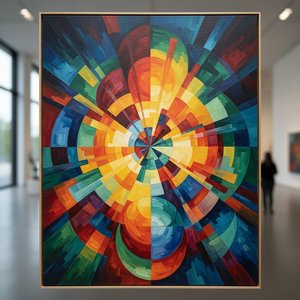
The composition is meticulously crafted—a harmonious interplay of angular shapes and intersecting lines—resulting in a palpable sense of movement and depth. Delaunay’s masterful manipulation of color—warm reds, oranges, yellows juxtaposed against cooler blues, greens, whites—creates a striking visual contrast that mirrors the vibrancy of a Parisian sunset.
- Geometric Shapes: Rectangular and triangular forms dominate the canvas, reinforcing the Cubist aesthetic and contributing to the artwork’s structural integrity.
- Color Harmony: Delaunay skillfully utilizes complementary colors—red and green, blue and orange—to heighten visual intensity and evoke a feeling of energetic modernity.
Historical Context & Symbolism – Reflecting Scientific Breakthroughs
Painted during the tumultuous years leading up to World War I, “Eiffel Tower” reflects the artistic innovations of its time—a decisive shift towards abstraction driven by groundbreaking scientific discoveries concerning color and light. The Eiffel Tower itself served as a powerful symbol of industrial progress and French cultural pride, aligning perfectly with Delaunay’s avant-garde vision.
- Influence of Science: Delaunay's artistic explorations were profoundly impacted by the theories championed by physicists like Henri Poincaré, who investigated the nature of perception and color.
- Symbolic Significance: The Eiffel Tower represents not only Paris but also France’s commitment to innovation and enlightenment—themes that resonate throughout the artwork’s emotive core.
Emotional Impact – Capturing a Moment of Parisian Brilliance
Ultimately, Delaunay's “Eiffel Tower” transcends mere visual representation; it communicates an intangible feeling—a subtle melancholy intertwined with admiration for architectural grandeur and artistic boldness. The fragmented depiction invites contemplation on the complexities of urban life and celebrates the transformative power of art to capture fleeting moments of beauty.
- Atmosphere: The painting evokes a sense of Parisian brilliance, tempered by an awareness of impending conflict—a poignant reflection of the era’s anxieties.
- Overall Impression: “Eiffel Tower” remains a testament to Delaunay's pioneering spirit and his unwavering belief in art’s capacity to illuminate the human experience.
კითხვები და პასუხები
მისი პალიტრის გათვალისწინებით, რომელი ოთახისთვისაა რეკომენდებული "ელისე ფერეს კოშლინი და მიშელ ნოუგიერი"-ის განთავსება?
რობერტ დელონე-ის „ელისე ფერეს კოშლინი და მიშელ ნოუგიერი“-ის ბუნებრივი ტონები ფერები იდეალურად ერგება მის რეკომენდებულ სივრცეს: მისაღები ოთახი.
რას განმარტავს რობერტ დელონე-ის „ელისე ფერეს კოშლინი და მიშელ ნოუგიერი“-ის საავტორო უფლებებთან დაკავშირებული მდგომარეობა?
რობერტ დელონე-ის ნამუშევარი „ელისე ფერეს კოშლინი და მიშელ ნოუგიერი“ არის საჯარო საკუთრებაშია — საავტორო უფლებები ამოწდა. საავტორო უფლებების ვადა ითვლება ხელოვანის გარდაცვალებიდან; რობერტ დელონე კი 1941 წელს გარდაიცვალა.
არის რობერტ დელონე-ის „ელისე ფერეს კოშლინი და მიშელ ნოუგიერი“ პორტრეტული, პეიზაჟური თუ კვადრატული კომპოზიცია?
„ელისე ფერეს კოშლინი და მიშელ ნოუგიერი“-ის ფორმატი არის პორტრეტული ორიენტაცია. ეს დაგეხმარებათ რეკრედუქციის განთავსების ადგილის დაგეგმვაში.
 წინასწარი ნახვა
 გაგზავნა
 გაზიარება
 დეტალები
 გზამკვლევი

 ჩამოტვირთვა
 მსგავსები
 რენტგენოგრაფიული კვლევა
 სლაიდშოუ
 კითხვა-პასუხი
 სტატისტიკა