
 ნაბეჭდის შეძენა გამოსახულების შეძენა
 გაგზავნა
 გაზიარება
 დეტალები
 დამატება ფავორიტებში

 ჩამოტვირთვა
 მსგავსები
 რენტგენოგრაფიული კვლევა
 სლაიდშოუ
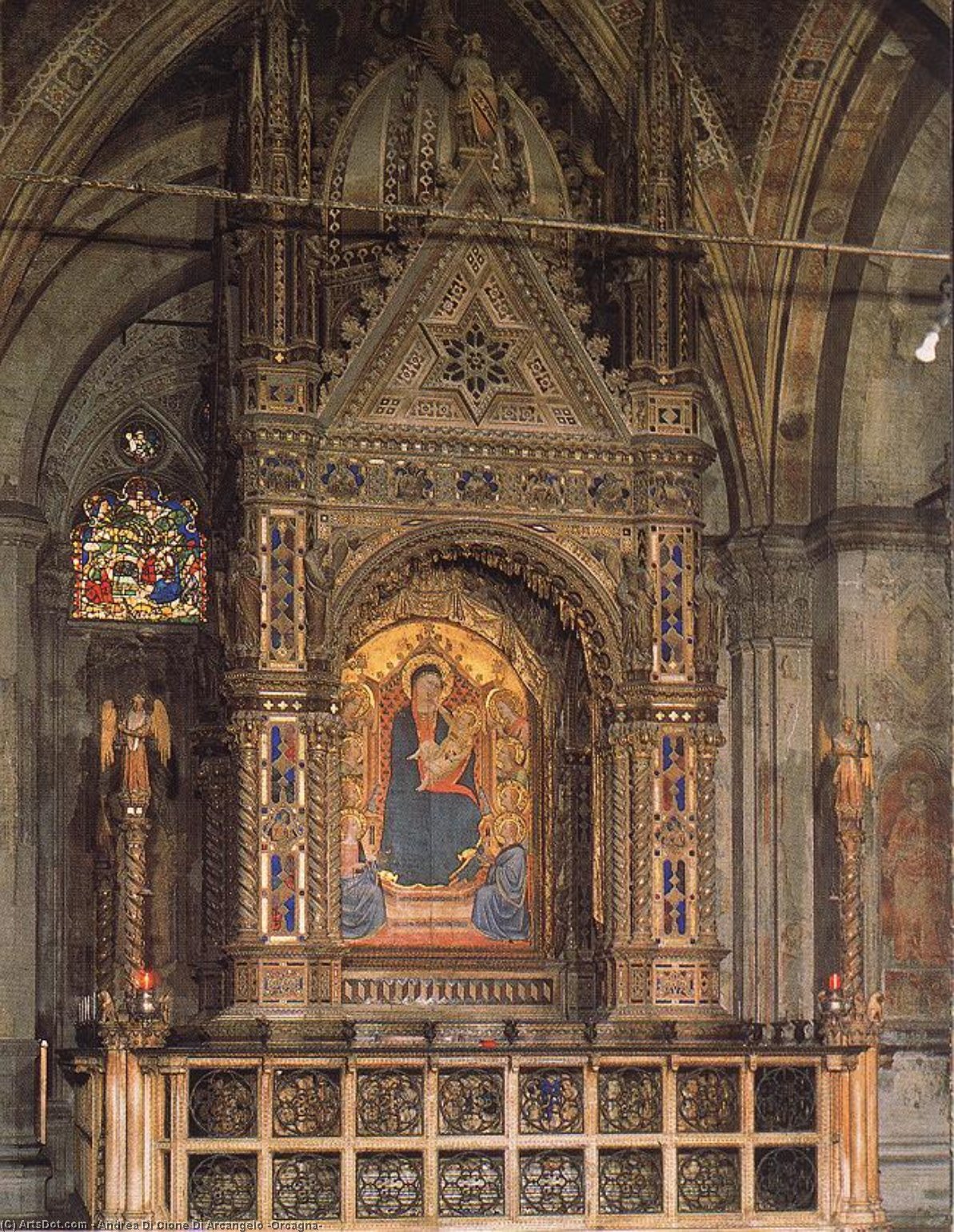
Tabernacle


 გადასართად დაწვრილებით ნახეთ
ხელით ნაკვეთი ზეთის ტილოს რეპროდუქცია
ტილოზე შესრულებული ფერწერიანი ზეთប្រდათი, თქვენთვის სასურველი ზომისა და ჩარჩოსთვის, ჩვენი ხელოვანების მიერ შეკვეთის საფუძველზე დამზადებული.




































აირჩიეთ ჩვენს მიერ წინასწარ განსაზღვრული ზომებიდან, რომლებიც ნაწარმოების ორიგინალურ პროპორციებს შეესაბამება.

თქვენ შეგიძლიათ მიუთითოთ თქვენთვის სასურველი ზომები კონკრეტული ჩარჩოს ან სივრცის შესაბამისად. თუ თქვენ მიერ არჩეული ზომა არ შეესაბამება ორიგინალი გამოსახულების პროპორციებს, ჩვენ ან შევაჭრებთ ნაწარმოებს, ან ტილოზე დავამატებთ ხელით მოხატულ ელემენტებს. წარმოების დაწყებამდე, დამტკიცებისთვის გამოგეგზავნებათ ციფრული მაკეტი.
გთხოვთ, გაითვალისწინოთ, რომ ეკრანზე ნაჩვენები წინასწარი შეხედულება არ ასახავს რეალურ შეჭრას ან გაფართოებას. საბოლოო კომპოზიციას ზუსტად მხოლოდ მაკეტი წარმოაჩენს.
მიუხედავად იმისა, რომ შესაძლებელია ინდივიდუალური ზომების შერჩევა, ორიგინალური პროპორციების შენარჩუნებისათვის გირჩევთ, გამოიყენოთ წინასწარ განსაზღვრული სიის ზომები.
შეკვეთის შემდეგ, OriginalUniqueArt.com გუნდი დაგიკავშირდებათ ელექტრონული ფოსტით ინსტრუქციებისთვის და გამოგიგზავნით წინასწარ ნახაზს (mockup).
მიწოდება მსოფლიო მასშტაბით -ში 3/4 კვირაში, სტანდარტული 5 კვირის ნაცვლად. (18 ივლისი). ხარისხზე კომპრომისის გაკეთება არ მოხდება.

უფასო ექსპრეს მიწოდება მთელ მსოფლიოში

საბამად მაღალი ხარისხის ტილო

სრული ტრანსპორტირების დაზღვევა

საბაჟო გადასახადების დაბრუნების გარანტია

ფერების სრული შესაბამისობის გარანტია

60-დღიანი დაბრუნების პოლიტიკა (მხოლოდ დეფექტის შემთხვევაში)

100% თანხის დაბრუნების გარანტია

ფასდაკლება დიდი რაოდენობით შეკვეთისას
 მინის ჩარჩოს არჩევანი ხელმისაწვდომია მხოლოდ 110 სმ-ზე ნაკლები ზომისთვის

Tabernacle
რეკლამაციის ტექნიკა
რეკლამაციის ზომა
-


საბოლოო ფასი
-
მხატვრის ბიოგრაფია
Andrea di Cione (Orcagna): A Florentine Titan of Gothic Revival
Andrea di Cione, commonly known as Orcagna, stands as one of the most influential figures in Florentine art during the mid-14th century—a period marked by a fascinating confluence of Gothic and Late Gothic artistic traditions. Born around 1308 in Florence, he emerged from a family steeped in craftsmanship, his father being a goldsmith who instilled in him an appreciation for meticulous detail and masterful execution. This familial legacy profoundly shaped Orcagna’s artistic trajectory, propelling him to become not merely a painter but also a sculptor and architect—a rare combination that cemented his reputation as a polymath of the era.Early Life and Artistic Training
Orcagna's formative years were spent honing his skills within the vibrant Florentine artisan community. While biographical details remain scarce, evidence suggests he received training primarily from his father and possibly from other prominent sculptors of the time. This grounding in traditional techniques—particularly those associated with Gothic sculpture—would prove crucial to his subsequent artistic endeavors. The influence of Flemish art, particularly its dramatic compositions and expressive realism, is palpable in Orcagna’s early works, foreshadowing the stylistic innovations that would define his mature style.The Triumph of Death: A Monumental Achievement
Orcagna achieved unparalleled fame through *The Triumph of Death*, a monumental altarpiece commissioned for Siena Cathedral between 1365 and 1370. This ambitious undertaking represents arguably the pinnacle of Late Gothic art in Italy, showcasing Orcagna’s mastery of sculptural technique alongside his exceptional painting prowess. The sculpture itself—a complex assemblage of figures depicting saints, martyrs, and demons—is executed with breathtaking precision and conveys a profound sense of terror and solemn contemplation. Simultaneously, the painted panels depict scenes from biblical narratives interwoven with allegorical representations of mortality, capturing the anxieties of the time with unparalleled psychological depth. Its innovative use of perspective and dramatic lighting established Orcagna as a pioneer in artistic experimentation.Notable Paintings and Sculptures
Beyond *The Triumph of Death*, Orcagna produced numerous other significant artworks, including frescoes adorning churches throughout Tuscany and Umbria. His depictions of saints—particularly Saint Matthew—are characterized by their serene beauty and meticulous attention to detail, reflecting the humanist ideals that were gaining momentum during his lifetime. Furthermore, he undertook architectural projects, notably Sant'Andrea a Brozzi in Siena, where he skillfully blended Gothic elements with Renaissance influences—a testament to Orcagna’s adaptability and artistic vision.Legacy and Historical Significance
Orcagna’s contribution to Florentine art transcends mere stylistic innovation; he embodies the spirit of his age – a period grappling with religious upheaval and intellectual transformation. His work exemplifies the enduring power of Gothic traditions while simultaneously embracing emerging Renaissance principles, marking him as a pivotal figure in bridging the gap between two artistic movements. Today, Orcagna’s sculptures and paintings continue to inspire admiration for their technical brilliance and emotional resonance, securing his place among the greatest artists of the 14th century and cementing his legacy as a cornerstone of Florentine cultural heritage.
andrea di cione di arcangelo (orcagna)
1308 - 1368 , Italy
მოკლე ინფორმაცია
- Artistic Movement Or Style: Gothic-Late Gothic
- Artists Or Movements Influenced By This Artist: ['Renaissance']
- Artists Who Influenced This Artist: ['Ghirlandaio']
- Date Of Birth: Florence, Italy (1308)
- Date Of Death: 1368
- Full Name: Andrea di Cione di Arcangelo (Orcagna)
- Nationality: Italian
- Notable Artworks:
- Saint Matthew and Scenes from his Life
- The Expulsion of the Duke of Athens
- Tabernacle (detail)
- Cenacolo di Andrea del Sarto
- Sant'Andrea a Brozzi
- Place Of Birth: Florence

