Expressionism · 1915
Marching (მარკ შაგალი, 1915)
Marching არის მარკ შაგალი-ის ნამუშწევრი (1887–1985). ის შექმნილ არის 1915 წელს. ის Expressionism მიძღვნილ სტილს მიეკუთვნება. შესრულებულია Acrylic On Canvas-ით.
- 1915
- Acrylic On Canvas

 წინასწარი ნახვა

 ხელით შესრულებული ზეთប្រეწერი
 გაგზავნა
 გაზიარება
 გზამკვლევი


 ჩამოტვირთვა
 მსგავსები
 რენტგენოგრაფიული კვლევა
 სლაიდშოუ
 კითხვა-პასუხი

 სტატისტიკა
Marching: the essentials
- სათაური
- Marching
- ავტორი
- მარკ შაგალი (1887–1985)
- ხატვის წელი და ადგილი
- ლიოზნა, ბელარუსი
- თარიღი
- 1915
- ტექნიკა
- Acrylic On Canvas
- მოძრაობა
- Expressionism
- სუბიექტი
- uniform, roof, sky, clock, figures, folklore
Looking at Marching
A Symphony of Color and Memory: Exploring Marc Chagall's "I Am Alone"
Marc Chagall’s “I Am Alone,” painted in 1915, isn’t merely a depiction of solitude; it’s an embodiment of existential angst rendered in the breathtaking language of Expressionism. Created during the turbulent years preceding World War I—a period marked by anxieties about national identity and impending conflict—the painting transcends its immediate historical context to speak to universal themes of isolation and longing. It's housed in the Musée d'Orsay, Paris, a testament to Chagall’s enduring influence on modern art.- Subject Matter: The canvas portrays a man standing alone on a rooftop amidst a swirling panorama of fantastical figures—a woman with outstretched arms, a child perched precariously on the edge of the roof, and several other stylized individuals drifting upwards into the heavens.
- Style: Chagall’s style is unmistakably Expressionist. Rejecting representational accuracy in favor of emotional intensity, he employs bold colors—primarily yellows, blues, and reds—to convey mood and feeling rather than to faithfully reproduce reality. The figures themselves are distorted and stylized, imbued with a dreamlike quality that defies logical interpretation.
Technique: Bold Brushstrokes and Layered Color
Chagall’s technique is characterized by thick, impasto brushstrokes—meaning the paint is applied in layers so thickly that it stands up prominently from the surface of the canvas. This textural approach contributes significantly to the painting's dramatic impact, creating a palpable sense of movement and conveying the artist’s emotional state directly onto the artwork. The colors are blended strategically to create luminous washes and vibrant accents, enhancing the overall visual richness.- Color Palette: The dominant hues—golden yellows symbolizing warmth and optimism juxtaposed with deep blues representing melancholy and uncertainty—are deliberately chosen to evoke specific emotions. Chagall’s masterful use of color underscores the painting's psychological depth.
- Composition: The rooftop setting serves as a focal point, anchoring the swirling figures and emphasizing the man’s isolation. The upward trajectory of the figures symbolizes aspiration but also hints at vulnerability—a yearning for connection amidst overwhelming circumstances.
Symbolism: Folklore and Existential Concerns
“I Am Alone” is replete with symbolic references drawn from Jewish folklore and Kabbalah—the mystical tradition of Judaism. The woman with outstretched arms represents compassion and maternal care, while the child symbolizes innocence and vulnerability. The swirling figures embody the chaotic forces of fate and the anxieties surrounding impending war. More broadly, the painting explores profound existential questions about human existence—questions concerning identity, purpose, and the inevitability of suffering.Ultimately, Chagall’s “I Am Alone” transcends its historical origins to resonate with viewers across generations. It's a hauntingly beautiful meditation on solitude, loss, and the enduring quest for meaning—a masterpiece that continues to inspire awe and provoke contemplation decades after its creation.
Marching in high resolution

დაცული საავტორო უფლებით: გამოსახულება წარმოდგენილია მხოლოდ საცნოხად.
More sizes, crops & citation →მარკ შაგალი, Marching (1915).
Questions about Marching
აჩვენებს თუ არა "Marching" მკვეთრ სინათლისა და სიბნელის კონტრასტს?
მარკ შაგალი-ის „Marching“-ში დანახულია Statement კონტრასტი ღია და მუქ ფერებს შორის.
მარკ შაგალი-ის „Marching“ ღია ფერების ნამუშევარია თუ მუქი?
„Marching“-ის საერთო სიკაშკაშე არის bright, ხოლო მისი განათება — Bright Balance.
რა არის გამოსახული მარკ შაგალი-ის „Marching“-ში და რა განწყობას გადმოგვცემს იგი?
მარკ შაგალი-ის „Marching“ ასახავს uniform, roof, sky, clock, figures, folklore, dreams-ს, Romantic განწყობით. სუბიექტი და ატმოსფერო ერთობლიობაში ქმნის ნამუშევრის აღწერას.
რამდენ ადამიანს ნახავს „Marching“-ს?
სტატისტიკა მარკ შაგალი-ის „Marching“-ის შესახებ მოცემულია ნამუშევრის სტატისტიკა გვერდზე: ნამუშევრის ყოველთვიური ნახვები, ხელოვანის სხვა ნამუშევრების ნახვები, ასევე ბოლო პერიოდის ვიზიტორთა განაწილება ქვეყნებისა და ენების მიხედვით.
რომელი სივრცე შეესაბამება მარკ შაგალი-ის „Marching“-ის ფერებს?
მარკ შაგალი-ის „Marching“-ის Earthy ფერები იდეალურად ერგება მის რეკომენდებულ სივრცეს: Living Room.
როგორი ქვეყნის ნამუშევარია Expressionism-ის სტილის „Marching“?
Expressionism-ის სტილის ნამუშევარი „Marching“ შექმნილია ხელოვანის მიერ, რომელიც ბელარუსი-ში დაიბადა.
რა ემოციურ ტონს ახლავს „Marching“-ის Expressionism სტილი?
„Marching“-ის Melancholic ემოცია მისი Expressionism სტილის თანამგზავრია.
რატომ არის "Marching"-ის საავტორო უფლებების სტატუსი სწორედ ასეთი?
მარკ შაგალი-ის „Marching“ არის კვლავ დაცულია საავტორო უფლებით. საავტორო უფლებების ვადა ითვლება ხელოვანის გარდაცვალებიდან, რომელიც მოხდა 1985 წელს.
სახლის რომელი ნაწილი უხდება ყველაზე მეტად "Marching"-ის რეპროდუქციას?
მარკ შაგალი-ის „Marching“ რეკომენდებულია Living Room-ისთვის. ეს შეფასება ეფუძნება ნამუშევრის თემატიკას, ფერებსა და განწყობას.
About the artist, მარკ შაგალი
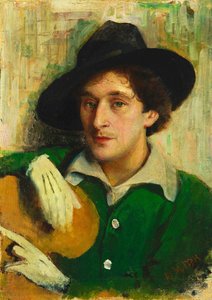
1887–1985, ბელარუსი
მარკ შაგალი
მარკ შაგალი: ოცნებების ფერადი სამყარო მარკ შაგალი, დაბადებული მოიშე შაგალად 1887 წლის 6 ივლისს ლიოზნას მახლობლად, ბელორუსეთში, არ იყო მხოლოდ მხატვარი; ის ფერების პოეტი, ოცნებების ქსოველი და ხსოვნებისა თუგის მწერველი იყო. მისი ცხოვრება, რომელიც თითქმის საუკუნეს მოიცავს, მეოცე საუკუნის აურზაური ტალღებს ასახავდა, მაგრამ მისი ხელოვნება ყოველთვის იყო ფესტიანებული მის προσωπულ ხედვაში – ხსოვნების ფოლკლორისა და წარმოსაქმნელის ძალის უუარო რწმენით. ლიოზნა მხოლოდ დაბადების ადგილი არ იყო; ის მისი მხატვრული სამყაროს გულშემატებითი ბირთვის გახდა, რომელიც ხშირად წარმოადგენდა მოქცეულ ფიგურებს, მხიარულ ცხოველებსა და გადამორჩილებულ ლანდშაფტების ელფერი. ქალაქის კულტურათა უნიკალური ნარევი – რუსული მართლმსხოვლის ტაძრები და აყვავებული یهودیه ბაზრობები – შექმნა ესთეტიკური განცდა, რომელიც მთელი მისი ხანგრძლივ კარიერას განმავლობაში მოუწონა ადვილად კატეგორიზაციას.
Also by მარკ შაგალი
 მე და სოფელი1911
 White Crucifixion1938
 მარკ შაგალი
ცხოვრება, რომელიც ოცნებებშია მოხატული: მარკ შაგალის სამყარო
ლიოვანა
ბელარუსი
1887
1915
1985
სიყვარულისა და მოდერნიზმის ზეიმობა
--ზოგადი შთაბეჭდილება-- ხელოვნების ნაწილი სტილიზებულია და გარდაუგონებელ დრამას წარმოადგენს ქალის გამოსახულებ1915
 ქალაქზე1918
Essays around Marching
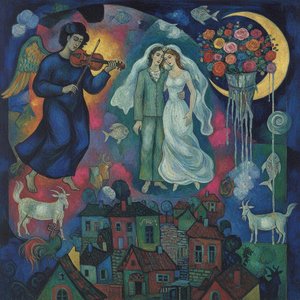 Marc Chagall’s Masterpieces: Exploring the Magic, Color, and Surrealist Legacy of a Modernist IconEmbark on a journey through the dreamlike masterpieces of Marc Chagall. Explore the profound symbolism and vibrant colors of this Surrealis…
 The Language of Brushstrokes: How Artistic Technique Expresses Emotion and EraExplore the profound connection between artistic technique and emotion. From the heavy impasto of Van Gogh to classical mastery, learn how …
 Dreaming in Color: The 25 Most Iconic Masterpieces by Marc ChagallStep into the dreamlike world of Marc Chagall. Explore 25 iconic masterpieces, from vibrant surrealist tales to soulful folklore. Find insp…