Constructivism/Suprematism · 1923
Small composition (ლასლო მოჰოი-ნადი, 1923)
ლასლო მოჰოი-ნადი (1895–1946)-მა შექმნა Small composition. ის შექმნილ არის 1923 წელს. ის Constructivism/Suprematism მიძღვნილ სტილს მიეკუთვნება. შესრულებულია Acrylic On Canvas-ით. ნახატი დაცულია Bauhaus Dessau Фонდაცია-ში, Dessau-Roßlau, Deutschland-ში. ზომა არის 24 × 30 cm.
- 1923
- Acrylic On Canvas
- 24 × 30 cm
- Bauhaus Dessau Фонდაცია, Dessau-Roßlau

 წინასწარი ნახვა

 ხელით შესრულებული ზეთប្រეწერი
 გაგზავნა
 გაზიარება
 სპეცფიკაცია


 ჩამოტვირთვა
 მსგავსები
 რენტგენოგრაფიული კვლევა
 სლაიდშოუ
 კითხვა-პასუხი

 სტატისტიკა
Small composition, მოკლედ
- სათაური
- Small composition
- ავტორი
- ლასლო მოჰოი-ნადი (1895–1946)
- ხატვის წელი და ადგილი
- ბაკშ- kajian, უნგრეთი
- თარიღი
- 1923
- ტექნიკა
- Acrylic On Canvas
- ზომები
- 24 × 30 cm
- სად ნახვა შეგიძლიათ
- Bauhaus Dessau Фонდაცია, Dessau-Roßlau, Deutschland
- მოძრაობა
- Constructivism/Suprematism
- სუბიექტი
- abstract art, geometric shapes, line composition, modern design, spatial relationships, color harmony
რა არის გამოსახული Small composition-ში?
László Moholy-Nagy’s “Small Composition”: A Pioneering Leap into Abstract Form
“Small Composition,” created in 1923 by László Moholy-Nagy, isn't merely a painting; it’s a crystallized moment of artistic revolution. Emerging from the fertile ground of Constructivism and deeply influenced by the radical experimentation of the Bauhaus school, this work represents a pivotal shift in how artists approached representation – moving beyond mimetic accuracy to explore the inherent power of form, line, and color as autonomous elements of visual language. The piece, rendered in watercolor and gouache on paper, immediately captivates with its dynamic geometry, a carefully orchestrated balance between order and chaos that speaks volumes about the artist’s evolving philosophy.
At first glance, “Small Composition” appears strikingly abstract, yet closer inspection reveals a sophisticated system of relationships. A central axis line bisects the canvas, acting as a silent guide to the placement of several key shapes: a vibrant blue crescent moon, a bold yellow circle, and a striking red rectangle. These aren’t simply decorative elements; they are deliberately positioned to create a sense of spatial depth and visual tension. The overlapping forms suggest movement and interaction, inviting the viewer to actively engage with the composition and decipher its underlying structure. The flatness of the medium – watercolor and gouache on paper – further emphasizes this interplay of form, creating an illusion of three-dimensionality through careful layering and line weight.
The Bauhaus Legacy and the Embrace of Technology
To fully appreciate “Small Composition,” it’s crucial to understand its context within the broader artistic landscape of the early 20th century. Moholy-Nagy's time at the Bauhaus in Weimar was transformative, exposing him to a radical new approach to design that sought to integrate art with industry and technology. The Bauhaus championed functionalism, believing that art should serve a purpose beyond mere aesthetics – it should improve people’s lives through innovative design solutions. This ethos is powerfully reflected in “Small Composition,” which can be seen as an exploration of the principles of geometric abstraction, a technique favored by Constructivist artists like Piet Mondrian and Kazimir Malevich.
However, Moholy-Nagy wasn't simply replicating these movements; he was pushing them forward. He recognized the potential of photography – a relatively new medium at the time – to challenge traditional notions of representation. His early experiments with photograms (photographs created without a camera) demonstrated his fascination with chance and accident, suggesting that art could emerge from unexpected combinations of light and shadow. “Small Composition” can be interpreted as an extension of this exploration, utilizing the principles of photography—particularly its ability to capture fleeting moments and manipulate perception—to create a dynamic and visually arresting composition.
Symbolism and Emotional Resonance
While ostensibly abstract, "Small Composition" is rich in subtle symbolism. The dominant blue crescent moon could represent intuition or dreams, while the bold yellow circle might symbolize energy or enlightenment. The red rectangle, often associated with stability and structure, provides a grounding element to the composition. The deliberate use of color—each hue carefully chosen for its emotional impact—further enhances the work’s expressive power. It's not about depicting recognizable objects; it’s about evoking feelings and ideas through pure form and color.
Beyond these specific symbols, “Small Composition” resonates with a sense of dynamism and forward momentum. The intersecting lines and overlapping shapes create a feeling of movement and transformation, suggesting that the artwork is constantly evolving before the viewer's eyes. It’s a testament to Moholy-Nagy’s belief that art should be an active force—capable of stimulating thought, provoking emotion, and ultimately transforming our perception of the world.
A Reproduction Worthy of Display
Reproductions of “Small Composition” offer a remarkable opportunity to bring this pioneering artwork into any interior space. The vibrant colors and dynamic composition will add a touch of modern sophistication while simultaneously evoking the spirit of artistic innovation. Consider framing the reproduction in a minimalist style to allow the artwork’s inherent beauty to shine through, or opt for a bold statement piece that commands attention. “Small Composition” is more than just a print; it's an invitation to engage with the transformative power of abstract art.
რომელ მუზეუმში ინახება Small composition?
Bauhaus Dessau Фонდაცია
Dessau-Roßlau, Deutschland
Ένα Κληρονομικό Που Γεννήθηκε στην Πειραματικήτητα: Η Βάουχάους Ντεσσάου Φόνδος Στο κέντρο της προσεκτικά ανακατασκευασμένης Βάουχάους Ντεσσάου, η Βάουχάους Ντεσσάου Φόνδος δεν είναι απλώς ένα μουσείο· είναι μια καθηλωτική εμπειρία. Ιδρύθηκε το 1994 για να προστατεύσει και να αναπτύξει τις οπτικές ιδέες του Βάλτερ Γρόπεους και του θρυλικού σχολείου του και αποτελεί μάρτυρα μιας κρίσιμης στιγμής στην αρχιτεκτονική και τον σχεδιασμό ιστορίας. Πιο από το να παρουσιάζει έτοιμα προϊόντα, ο Φόνδος διερευνά τη διαδικασία δημιουργίας – την αλληλεπίδραση μεταξύ τέχνης, αρχιτεκτονικής, τεχνολογίας και κοινωνικής θεωρίας που καθόρισε τον ιδεώδη του Βάουχάους.

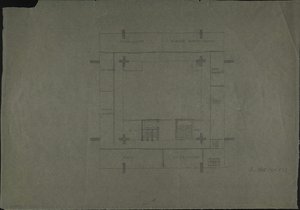

Small composition-ის მაღალი გარ Auflხ resolución-ის გამოსახულებები

საჯარო საკუთრება: მხატვარი გარდაიცვალა 1946 წელს.
სხვა ზომები, კადრისრები და ციტირება →ლასლო მოჰოი-ნადი, Small composition (1923), Bauhaus Dessau Фонდაცია. საჯარო საკუთრება
კითხვები Small composition-ზე, პასუხები
რომელი მუზეუმი ინახავს ორიგინალ "Small composition"-ს?
ორიგინალი „Small composition“ შეგიძლიათ ნახოთ Bauhaus Dessau Фонდაცია, Dessau-Roßlau, Deutschland-ში.
რა წელში შეიქმნა "Small composition"?
ლასლო მოჰოი-ნადი-ის „Small composition“-ის შექმნის თარიღია 1923.
რა ტექნიკით არის შექმნილი "Small composition"?
"Small composition" შესრულებულია Acrylic On Canvas-ით.
რა ზომისაა ორიგინალი "Small composition"?
ორიგინალის ზომა „Small composition“-ისთვის არის 24 x 30 cm. ორიგინალის ზომები სასარგებლო ინფორმაციაა რეპროდუქციის ზომის შერჩევისას.
რა არის გამოსახული ლასლო მოჰოი-ნადი-ის „Small composition“-ში?
სურათის "Small composition" თემებს წარმოადგენს abstract art, geometric shapes, line composition, modern design, spatial relationships, color harmony, early 20th century, minimalist form.
არის თუ არა ლასლო მოჰოი-ნადი-ის „Small composition“ საჯარო დომენში?
ავტორული უფლებების სტატუსი ნამუშევრისთვის ლასლო მოჰოი-ნადი-ის „Small composition“: ნამუშევარი არის საჯარო საკუთრებაშია — საავტორო უფლებები ამოწდა. ეს განსაზღვრავს, შესაძლებელია თუ არა გამოსახულების რეპროდუქციის თავისუფლად წარმოება.
ვინ არის „Small composition“-ის ავტორი?
„Small composition“ მიკუთვნებულია ლასლო მოჰოი-ნადი-ს.
რომელ სტილს მიეკუთვნება "Small composition"?
ლასლო მოჰოი-ნადი-ის „Small composition“-თან დაკავშირებული ხელოვნების მიმდინარეობა არის Constructivism/Suprematism. ეს კლასიფიკაცია ნამუშევარს მსგავს ხელოვანთა და ქსნეულობათა წრეში ათავსებს.
ლასლო მოჰოი-ნადი-ის შემოქმედების რომელი პერიოდის ნაწილია "Small composition"?
"Small composition" წარმოადგენს ლასლო მოჰოი-ნადი-ის შემოქმედებით პერიოდს: Early Modern.
ხელပاتარში: ლასლო მოჰოი-ნადი

1895–1946, უნგრეთი
ლასლო მოჰოი-ნადი
ლაზლო მოჰოლი-ნადი: თანამედროვე ხელოვნებისა და ბაუHausის პიონერი დაბადება: ბაჩ- kajian, უნგრეთი (1895) გარდაცვალება: 1946 ლაზლო მოჰოლი-ნადი იყო უაღრესად გავლენიანი უნგრელი ფერწერი, ფოტოგრაფი, मूर्तिकеტი და დიზაინერი. ის ყველაზე მეტად ცნობილია ბაუHausის სკოლაში შეტანილი მნიშვნელოვანი წვლილით და კონსტრუქტივიზმში, ტიპოგრაფიაში, ფოტოგრაფიასა და კინეტიკურ ხელოვნებაში შემოღებული პიონერული ნაშრომებით. მისი სახელოვნებო ფილოსოფია ეფუძნებოდა ტექნოლოგიისა და ინდუსტრიის ინტეგრირებას ხელოვნებაში, რითაც მხარს უჭერდა შემოქმედების ახალ ხედვას, რომელიც თანამედროვე სამყაროს ითვისებდა. ადრეული ცხოვრება და გავლენები ადრეული წლები და ოჯახი: ლაზლო ვაისზი უნგრეთში, ბაჩსბოროდში ებრაულ ოჯახში დაიბადა, მოგვიანებით კი გვარად მოჰოლი-ნადი მიიღო.
ლასლო მოჰოი-ნადი-ის შესახებ ლასლო მოჰოი-ნადი-ის გამორჩეული ნამუშევრები
ასევე ლასლო მოჰოი-ნადი-ის მიერ
 Untitled, Dessau
 Untitled\n\nUntitled1939
 Untitled
 Hilla Rebay1924

ესეები Small composition-ის შესახებ
 გეომეტრიული აბსტრაქცია: 10 შედევრი, რომელმაც ხელოვნება განსაზღვრა | OriginalUniqueArt.comგეომეტრიული აბსტრაქციის 10 შედევრი მონდრიანის, მალევიჩისა და კანდინსკის ჩართულობით. გაიგეთ მათი ისტორია, ტექნიკა და გავლენა ხელოვნებაზე. შე…
 De Stijl and Bauhaus: Distinguishing Two Pillars of Modern DesignMaster the distinctions between De Stijl and Bauhaus design. Explore the history of these modern pillars now.
 Geometry with Purpose: Distinguishing Suprematism from ConstructivismMaster the differences between Suprematism and Constructivism with our expert guide. Discover the soul of the Russian avant-garde now.