Fauvism · 1911
Vegetable fields (ავგუსტ მაკე, 1911)
ავგუსტ მაკე (1887–1914)-მა შექმნა Vegetable fields. ის შექმნილ არის 1911 წელს. ის Fauvism მიძღვნილ სტილს მიეკუთვნება. შესრულებულია Oil On Canvas-ით. ნახატი დაცულია კუნსტმუზეუნ ბონი-ში, ბონი, გერმანია-ში. ზომა არის 47 × 64 cm.
- 1911
- Oil On Canvas
- 47 × 64 cm
- კუნსტმუზეუნ ბონი

 წინასწარი ნახვა

 ხელით შესრულებული ზეთប្រეწერი
 გაგზავნა
 გაზიარება
 სპეცფიკაცია


 ჩამოტვირთვა
 მსგავსები
 რენტგენოგრაფიული კვლევა
 სლაიდშოუ
 კითხვა-პასუხი

 სტატისტიკა
Vegetable fields, მოკლედ
- სათაური
- Vegetable fields
- ავტორი
- ავგუსტ მაკე (1887–1914)
- ხატვის წელი და ადგილი
- მესხედე, გერმანია
- თარიღი
- 1911
- ტექნიკა
- Oil On Canvas
- ზომები
- 47 × 64 cm
- სად ნახვა შეგიძლიათ
- კუნსტმუზეუნ ბონი, ბონი, გერმანია
- მოძრაობა
- Fauvism
- სუბიექტი
- rural landscape, haystacks, blue flowers, path, roads, color field
რა არის გამოსახული Vegetable fields-ში?
August Macke’s ‘Vegetable Fields’: A Fauvist Echo of Rural Melancholy
This captivating oil painting, “Vegetable Fields,” created in 1911 by August Macke, offers a potent glimpse into the burgeoning world of German Expressionism. Measuring 47 x 64 cm, this work transcends a simple depiction of a rural landscape; it’s an intensely felt experience rendered through bold color and simplified forms – hallmarks of the Fauvist movement. Macke, tragically cut short by the First World War at just 27, was already producing art that resonated with a raw emotionality, anticipating the full force of Expressionism while still retaining traces of Impressionist influence.
- Subject Matter: The scene unfolds in a stylized countryside, dominated by haystacks, fields ablaze with blue flowers, and a prominent pathway leading the viewer’s eye into the distance. This isn't a meticulous rendering of reality; rather, it’s an interpretation filtered through Macke’s emotional lens.
- Style & Technique: The painting firmly embraces Fauvist principles – prioritizing color over precise representation. Thick impasto brushstrokes build texture and physicality onto the canvas, creating a vibrant, almost tactile surface. Lines are deliberately expressive, guiding the viewer's gaze and contributing to the overall sense of movement.
Decoding the Emotional Landscape
Macke’s use of color is particularly striking. The dominant blues and greens evoke a feeling of tranquility, yet they’re punctuated by jarring yellows and reds, creating an underlying tension. This deliberate dissonance reflects the anxieties and uncertainties of the era – a world on the cusp of profound change. The flattened perspective, prioritizing emotional impact over realistic spatial illusion, further intensifies this effect. It's as if Macke is inviting us to step into his subjective experience, rather than simply observing a landscape.
- Symbolism: The diverging paths in the distance are rich with symbolic potential, representing choices, journeys, or perhaps the fragmented nature of modern life. The isolated setting contributes to a sense of melancholy, hinting at themes of loneliness and contemplation.
- Historical Context: Created in 1911, “Vegetable Fields” sits squarely within the period of experimentation that preceded the full flowering of German Expressionism. Macke’s work foreshadowed the movement's emphasis on subjective emotion and distorted form, while still retaining a connection to earlier artistic traditions.
A Masterclass in Texture and Light
The painting’s technical brilliance lies not just in its color palette but also in Macke’s masterful manipulation of light and texture. The diffuse lighting suggests an overcast day, eliminating harsh shadows and contributing to the overall mood of quiet contemplation. The thick impasto technique – applying paint thickly to create a textured surface – is particularly evident in the haystacks and fields, adding a remarkable physicality to the composition. This deliberate roughness further emphasizes the emotional intensity of the work.
Collecting this Powerful Image
A hand-painted reproduction of “Vegetable Fields” offers an exceptional opportunity to bring this evocative artwork into your home or office. OriginalUniqueArt’s meticulous reproductions capture the essence of Macke's vision, faithfully recreating the painting’s vibrant colors and expressive brushwork. This piece is more than just a decoration; it’s a window into the soul of a brilliant artist and a poignant reflection on the human condition.
რომელ მუზეუმში ინახება Vegetable fields?
კუნსტმუზეუნ ბონი
ბონი, გერმანია
ექსპრესიის სავანე: კუნსტმუზეუნ ბონის სული ბონის ისტორიულ გულში, ქალაქში, სადაც ბეთჰოვენის კომპოზიციების ექო ჰაერში ტრიალებს, მდებადდება Kunstmuseum Bonn — ღრმა სავანე მათთვის, ვინც ეძებს მოდერნიზმის პირველყოფილ, ემოციურ ძალას. ამ ინსტიტუციის კედლებში ფეხის გადადგმა ნიშნავს მოგზაურობას მეოცე საუკუნის თურბulentურ, თუმცა მშვენიერ ფსიქიკაში. ომისშემდგომ რეკონსტრუქციის ტრანსფორმაციულ ეპოქაში, როდესაც საჭიროება წარმოიშვა არა მხოლოდ კედლების, არამედ კულტურული იდენტობის აღსადგენად, მუზეუმმა დევდა ევოლუცია და გახდა რენის ექსპრესიონიზმის გლობალური маяკი.

Vegetable fields-ის მაღალი გარ Auflხ resolución-ის გამოსახულებები

საჯარო საკუთრება: მხატვარი გარდაიცვალა 1914 წელს.
სხვა ზომები, კადრისრები და ციტირება →
ავგუსტ მაკე, Vegetable fields (1911), კუნსტმუზეუნ ბონი. საჯარო საკუთრება
კითხვები Vegetable fields-ზე, პასუხები
სად არის დღეს გამოფენილი ავგუსტ მაკე-ის „Vegetable fields“?
ორიგინალი „Vegetable fields“ შეგიძლიათ ნახოთ კუნსტმუზეუნ ბონი, ბონი, გერმანია-ში.
რა წელს შეიქმნა ავგუსტ მაკე-ის „Vegetable fields“?
Vegetable fields შექმნილია 1911 წელს. ეს თარიღი ნამუშევარს ავგუსტ მაკე-ის შემოქმედებითი კარიერისა და იმ ეპოქის კონტექსტში ათავსებს.
რა მასალისგან არის შესრულებული ავგუსტ მაკე-ის „Vegetable fields“?
ავგუსტ მაკე-ის „Vegetable fields“-ის მასალა არის Oil On Canvas. რეპროდუქციების მიზანია ამ ტექნიკის ვიზუალური მხარის ზუსტი გადმოცემა.
რა ზომისაა ავგუსტ მაკე-ის „Vegetable fields“ რეალურ ცხოვრებაში?
ორიგინალი ავგუსტ მაკე-ის „Vegetable fields“ ზომავს 47 x 64 cm-ს.
რა არის გამოსახული ავგუსტ მაკე-ის „Vegetable fields“-ში?
ავგუსტ მაკე-ის „Vegetable fields“-ზე გამოსახულია: rural landscape, haystacks, blue flowers, path, roads, color field, expressionism, geometric forms.
არის თუ არა "Vegetable fields" საავტორო უფლებებისგან თავისუფალი?
რაც შეეხება საავტორო უფლებებს, „Vegetable fields“ არის საჯარო საკუთრებაშია — საავტორო უფლებები ამოწდა.
რომელ ხელოვანს მიეწერება "Vegetable fields"?
ნამუშევრის „Vegetable fields“ ავტორი არის ავგუსტ მაკე. ნამუშევარი დატრიალებულია ავგუსტ მაკე-ის სახელით.
რომელ მხატვრულ მიმდევრობას წარმოადგენს ავგუსტ მაკე-ის „Vegetable fields“?
"Vegetable fields" არის Fauvism სტილის ნამუშევარი. აღნიშნული მიმდინარეობა ასახავს იმ მხატვრულ ტრადიციას, რომლის ნაწილიცაა ეს ნამუშევარი.
ავგუსტ მაკე-ის შემოქმედების რომელ პერიოდს მიეკუთვნება „Vegetable fields“?
"Vegetable fields" წარმოადგენს ავგუსტ მაკე-ის შემოქმედებით პერიოდს: Mature Period.
ხელပاتარში: ავგუსტ მაკე
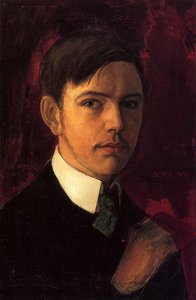
1887–1914, გერმანია
ავგუსტ მაკე
Early Life, Family and Training The story of August Macke begins in the town of Meschede, Germany, where he was born on January 3, 1887. He was the only son born to August Friedrich Hermann Macke, a building contractor and amateur artist, and Maria Florentine. His childhood was shaped by the shifting fortunes of his father’s company, which brought the family to Cologne and later to Bonn. Even as a young boy, the pull of visual expression was evident; he spent his early years sketching and designing sets for school plays, finding a way to translate his surroundings onto paper long before he ever stepped into a formal academy.
ავგუსტ მაკე-ის შესახებ ავგუსტ მაკე-ის გამორჩეული ნამუშევრები
ასევე ავგუსტ მაკე-ის მიერ
 ავგუსტ მაკე
მოკლე სიცოხლე: ავგუსტ მაკეს ფერადი სამყარო
მესხედე
გერმანია
1887
1913
1914
ჩვენების ჩხედვა თანამედოვრე ცხოვრებაში: ავგუსტ მაკეს ცოცხლმა სცენამ
--ზოგალითი შთაბეჭდილება-- ხელოვნების ნაწილირება გვიჩვენებს რამდენიმე ფიგურას, რომლებიც მიდია1913
 ბანალური გოგონები ქალაქის ფსკერზე1913
 თავშესაფარი (The Hat Shop)1913
 Portrait of the Artist's Wife with Hat1909
ესეები Vegetable fields-ის შესახებ
 August Macke: Expressionist Visions of Harmony & Modern LifeExplore the vibrant Expressionist paintings of August Macke (1887-1914). Discover his key role in Der Blaue Reiter, Fauvist influences, and…
 ექსპრესიონიზმის 10 შედევრი: ხელოვნება, რომელიც განაჩაღებს გრძნობებსაღმოფრთოვანდით ექსპრესიონიზმის შედევრებით! ვან გოგი, მუნკი და სხვა ოსტატების 10 ყველაზე მნიშვნელოვანი ტილო. შეიგრძენემოციები, ფერები და ისტ…
 Brushes of Anguish: The Psychological Landscape of Emotional Distress in Post-Impressionist ArtExplore the profound psychological depth of Post-Impressionist masters. Discover how color and form mirror human emotion.