Expressionism · 1914
Tightrope walker (ავგუსტ მაკე, 1914)
ავგუსტ მაკე (1887–1914)-მა შექმნა Tightrope walker. ის შექმნილ არის 1914 წელს. ის Expressionism მიძღვნილ სტილს მიეკუთვნება. შესრულებულია Acrylic On Canvas-ით. ნახატი დაცულია კუნსტმუზეუნ ბონი-ში, ბონი, გერმანია-ში. ზომა არის 82 × 60 cm.
- 1914
- Acrylic On Canvas
- 82 × 60 cm
- კუნსტმუზეუნ ბონი

 წინასწარი ნახვა

 ხელით შესრულებული ზეთប្រეწერი
 გაგზავნა
 გაზიარება
 სპეცფიკაცია


 ჩამოტვირთვა
 მსგავსები
 რენტგენოგრაფიული კვლევა
 სლაიდშოუ
 კითხვა-პასუხი

 სტატისტიკა
Tightrope walker, მოკლედ
- სათაური
- Tightrope walker
- ავტორი
- ავგუსტ მაკე (1887–1914)
- ხატვის წელი და ადგილი
- მესხედე, გერმანია
- თარიღი
- 1914
- ტექნიკა
- Acrylic On Canvas
- ზომები
- 82 × 60 cm
- სად ნახვა შეგიძლიათ
- კუნსტმუზეუნ ბონი, ბონი, გერმანია
- მოძრაობა
- Expressionism
- სუბიექტი
- circus, performance, tightrope, color, harmony, landscape
რა არის გამოსახული Tightrope walker-ში?
August Macke: A Symphony of Color Amidst Modern Anxiety
August Robert Ludwig Macke (1887-1914), a name etched in the annals of German Expressionism, embodies the poignant beauty born from fleeting moments and shadowed realities. His tragically premature demise during World War I robbed the art world of a prodigious talent—one who relentlessly pursued new artistic horizons while simultaneously grappling with profound existential questions. Macke’s journey began in Meschede, Westphalia, where he absorbed the influences of Impressionism and Post-Impressionism before decisively embracing Fauvist color palettes and Orphic abstraction, cementing his place as a pivotal figure within Der Blaue Reiter—a revolutionary artistic collective dedicated to exploring psychological landscapes and challenging conventional aesthetic norms.- Subject Matter: Macke’s canvases frequently depict scenes of rural life – farmers tending their fields, children playing outdoors – yet these seemingly idyllic subjects are imbued with an underlying tension reflecting the anxieties of a rapidly changing era. The tightrope walker embodies this duality; he performs his task with grace and precision against a backdrop of towering buildings, symbolizing humanity's precarious balance between tradition and progress.
- Style: Macke’s distinctive style is characterized by bold simplification and flattened perspective—techniques borrowed from Fauvist painters like Matisse. He eschewed meticulous detail in favor of expressive brushstrokes that prioritize color and tonal harmony, creating images brimming with vitality and emotional resonance.
Technique: Bold Color & Textured Surfaces
Macke’s masterful manipulation of pigment is central to his artistic vision. Utilizing thick impasto—a technique involving applying paint in textured layers—he achieved remarkable depth and luminosity, capturing the physicality of the subject matter with palpable immediacy. His color choices are deliberately vibrant and unrestrained, eschewing naturalistic hues for emotionally charged shades that convey mood and atmosphere. The use of complementary colors – blues against reds, yellows against greens – intensifies visual impact and contributes to the overall dynamism of his compositions.- Color Palette: Macke’s palette leans heavily into warm tones—ochres, reds, yellows—contrasting sharply with cooler blues and greens. This deliberate juxtaposition underscores the tension between stability and disruption inherent in the depicted environment.
- Brushwork: Macke's brushstrokes are loose and energetic, conveying movement and spontaneity. He employed a technique known as “Alla Prima,” applying paint directly onto the canvas without underpainting—a bold decision that maximized textural richness and expressive potential.
Historical Context & Symbolism: Facing Uncertainty
Macke’s artistic output coincided with the turbulent years leading up to World War I, a period marked by social unrest and intellectual ferment. The Expressionist movement sought to articulate the psychological realities of the time—the anxieties surrounding impending conflict, the disillusionment following Nietzschean philosophy—and Macke's work reflects this preoccupation. The tightrope walker itself serves as a potent symbol: representing precariousness, balance, and the constant struggle for survival amidst overwhelming forces. It speaks to the human condition – vulnerable yet striving for mastery – mirroring the broader anxieties of a society grappling with profound transformations.Emotional Impact & Legacy
“Tightrope walker” transcends mere visual representation; it resonates deeply with viewers through its evocative color palette and expressive brushwork. Macke’s ability to convey emotion—a palpable sense of tension mingled with beauty—solidifies his position as one of the most influential artists of his generation. His legacy continues to inspire contemporary painters and designers who appreciate the power of bold color and textural innovation, reminding us that art can illuminate not only what we see but also what we feel – a testament to Macke’s enduring artistic brilliance.რომელ მუზეუმში ინახება Tightrope walker?
კუნსტმუზეუნ ბონი
ბონი, გერმანია
ექსპრესიის სავანე: კუნსტმუზეუნ ბონის სული ბონის ისტორიულ გულში, ქალაქში, სადაც ბეთჰოვენის კომპოზიციების ექო ჰაერში ტრიალებს, მდებადდება Kunstmuseum Bonn — ღრმა სავანე მათთვის, ვინც ეძებს მოდერნიზმის პირველყოფილ, ემოციურ ძალას. ამ ინსტიტუციის კედლებში ფეხის გადადგმა ნიშნავს მოგზაურობას მეოცე საუკუნის თურბulentურ, თუმცა მშვენიერ ფსიქიკაში. ომისშემდგომ რეკონსტრუქციის ტრანსფორმაციულ ეპოქაში, როდესაც საჭიროება წარმოიშვა არა მხოლოდ კედლების, არამედ კულტურული იდენტობის აღსადგენად, მუზეუმმა დევდა ევოლუცია და გახდა რენის ექსპრესიონიზმის გლობალური маяკი.

Tightrope walker-ის მაღალი გარ Auflხ resolución-ის გამოსახულებები

საჯარო საკუთრება: მხატვარი გარდაიცვალა 1914 წელს.
სხვა ზომები, კადრისრები და ციტირება →ავგუსტ მაკე, Tightrope walker (1914), კუნსტმუზეუნ ბონი. საჯარო საკუთრება
კითხვები Tightrope walker-ზე, პასუხები
სად არის დღეს გამოფენილი ავგუსტ მაკე-ის „Tightrope walker“?
ავგუსტ მაკე-ის „Tightrope walker“ წარმოდგენილია კუნსტმუზეუნ ბონი, ბონი, გერმანია-ში. მუზეუმის აღწერილობა ეხება ორიგინალ ნამუშევარს და არა რეპროდუქციებს.
რა წელში შეიქმნა "Tightrope walker"?
ავგუსტ მაკე-ის „Tightrope walker“ შეიქმნა 1914 წელს.
რა მასალისგან არის შესრულებული ავგუსტ მაკე-ის „Tightrope walker“?
ავგუსტ მაკე-ის „Tightrope walker“-ის მასალა არის Acrylic On Canvas. რეპროდუქციების მიზანია ამ ტექნიკის ვიზუალური მხარის ზუსტი გადმოცემა.
რა ზომისაა ავგუსტ მაკე-ის „Tightrope walker“ რეალურ ცხოვრებაში?
ორიგინალი ავგუსტ მაკე-ის „Tightrope walker“ ზომავს 82 x 60 cm-ს.
რა თემებია გამოსახული ნამუშევარში ავგუსტ მაკე-ის „Tightrope walker“?
სურათის "Tightrope walker" თემებს წარმოადგენს circus, performance, tightrope, color, harmony, landscape, people.
შეიძლება თუ არა ავგუსტ მაკე-ის „Tightrope walker“-ის გამოსახულების თავისუფლად რეპროდუცირება?
რაც შეეხება საავტორო უფლებებს, „Tightrope walker“ არის საჯარო საკუთრებაშია — საავტორო უფლებები ამოწდა.
ვინ არის „Tightrope walker“-ის ავტორი?
„Tightrope walker“ მიკუთვნებულია ავგუსტ მაკე-ს.
რომელ ხელოვნების მიმდევრობას მიეკუთვნება ავგუსტ მაკე-ის „Tightrope walker“?
ავგუსტ მაკე-ის „Tightrope walker“-თან დაკავშირებული ხელოვნების მიმდინარეობა არის Expressionism. ეს კლასიფიკაცია ნამუშევარს მსგავს ხელოვანთა და ქსნეულობათა წრეში ათავსებს.
ავგუსტ მაკე-ის შემოქმედების რომელ პერიოდს მიეკუთვნება „Tightrope walker“?
ავგუსტ მაკე-ის შემოქმედების პერიოდში „Tightrope walker“ Mature Period-ს მიეკუთვნება. ეს ფაზა საშუალებას გვაძლევს, იგი ხელოვანის სხვა ნამუშევრებს შევადაროთ.
ხელပاتარში: ავგუსტ მაკე
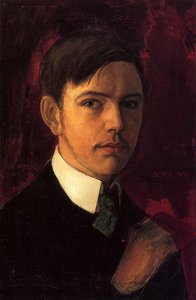
1887–1914, გერმანია
ავგუსტ მაკე
Early Life, Family and Training The story of August Macke begins in the town of Meschede, Germany, where he was born on January 3, 1887. He was the only son born to August Friedrich Hermann Macke, a building contractor and amateur artist, and Maria Florentine. His childhood was shaped by the shifting fortunes of his father’s company, which brought the family to Cologne and later to Bonn. Even as a young boy, the pull of visual expression was evident; he spent his early years sketching and designing sets for school plays, finding a way to translate his surroundings onto paper long before he ever stepped into a formal academy.
ავგუსტ მაკე-ის შესახებ ავგუსტ მაკე-ის გამორჩეული ნამუშევრები
ასევე ავგუსტ მაკე-ის მიერ
 ავგუსტ მაკე
მოკლე სიცოხლე: ავგუსტ მაკეს ფერადი სამყარო
მესხედე
გერმანია
1887
1913
1914
ჩვენების ჩხედვა თანამედოვრე ცხოვრებაში: ავგუსტ მაკეს ცოცხლმა სცენამ
--ზოგალითი შთაბეჭდილება-- ხელოვნების ნაწილირება გვიჩვენებს რამდენიმე ფიგურას, რომლებიც მიდია1913
 ბანალური გოგონები ქალაქის ფსკერზე1913
 თავშესაფარი (The Hat Shop)1913
 Portrait of the Artist's Wife with Hat1909
ესეები Tightrope walker-ის შესახებ
 The Magic of Impasto: Capturing Light and Tactile Depth in Impressionist MasterpiecesDiscover the breathtaking beauty of impasto. Explore how Impressionist masters used thick, textured brushstrokes to capture light and emoti…
 Fauvism vs German Expressionism: Distinguishing Color and EmotionMaster the differences between Fauvism and German Expressionism through expert analysis. Learn to decode the emotion behind the color today.
 August Macke: Expressionist Visions of Harmony & Modern LifeExplore the vibrant Expressionist paintings of August Macke (1887-1914). Discover his key role in Der Blaue Reiter, Fauvist influences, and…