Baroque Art · 1604
Triptych (ანნიბალე კარრაში, 1604)
ანნიბალე კარრაში (1560–1609)-მა შექმნა Triptych. ის შექმნილ არის 1604 წელს. ის Baroque Art მიძღვნილ სტილს მიეკუთვნება. ნახატი დაცულია Galleria Nazional d Art Antica-ში, რომი, Itália-ში. ზომა არის 37 × 24 cm.
- 1604
- 37 × 24 cm
- Galleria Nazional d Art Antica, რომი

 წინასწარი ნახვა

 ხელით ნაკletი ზეთწერილი
 გაგზავნა
 გაზიარება
 სპეცფიკაცია


 ჩამოტვირთვა
 მსგავსები
 რენტგენოგრაფიული კვლევა
 სლაიდშოუ
 კითხვა-პასუხი

 სტატისტიკა
Triptych, მოკლედ
- სათაური
- Triptych
- ავტორი
- ანნიბალე კარრაში (1560–1609)
- ხატვის წელი და ადგილი
- ბოლონია, იტალია
- თარიღი
- 1604
- ზომები
- 37 × 24 cm
- სად ნახვა შეგიძლიათ
- Galleria Nazional d Art Antica, რომი, Itália
- მოძრაობა
- Baroque Art
- სუბიექტი
- triptych, annibale carracci, baroque, angels, allegory, copper
რა არის გამოსახული Triptych-ში?
Annibale Carracci’s Triptych: A Baroque Masterpiece of Light, Faith, and Divine Order
Annibale Carracci's 1604 Triptych, currently housed within the Galleria Nazionale d'Arte Antica in Rome, stands as a pivotal example of the burgeoning Baroque style. More than simply a religious depiction, it’s a carefully orchestrated symphony of light, color, and symbolism—a testament to the artist’s mastery of composition and his deep understanding of both classical ideals and emerging emotional expression. This oil-on-copper painting, measuring 37 x 24 cm, invites viewers into a world where earthly beauty intertwines with divine grace, offering a profound meditation on faith, knowledge, and the very nature of existence.
Composition and Symbolism: A Dance of Allegory and Divine Presence
The triptych format itself is deeply rooted in religious tradition, allowing for a layered narrative to unfold. The central panel immediately draws the eye to an angelic figure, radiating serenity and holding aloft a book—a potent symbol of both Holy Scripture and the pursuit of divine knowledge. Surrounding this central emblem are cherubs, their youthful innocence adding a touch of ethereal joy to the scene. The left and right panels introduce allegorical figures engaged in distinct activities: one grasping a scroll or document, representing wisdom and law, while the other holds an object suggestive of power and authority. These flanking scenes aren’t merely decorative; they serve as crucial contextual elements, enriching the central theme with layers of meaning and inviting contemplation on the foundations of faith and governance.
Technique and Artistic Innovation: A Synthesis of Renaissance and Baroque
Carracci's skill is evident in every meticulously rendered detail. The use of light and shadow—a hallmark of Baroque art—is particularly striking, creating a dynamic sense of movement and emotion within the painted space. Notice how the light seems to emanate from an unseen source, illuminating the figures with a radiant glow while simultaneously casting deep shadows that heighten their three-dimensionality. The artist’s mastery extends beyond mere technique; he seamlessly blends elements of Florentine linear draftsmanship—inherited from his artistic lineage—with Venetian color and atmospheric effects, creating a unique style that revitalized Italian painting. The copper panel itself contributes to the work's luminosity, reflecting light in subtle ways that enhance its visual impact. The intricate details – the folds of the garments, the texture of hair, the play of light on skin – demonstrate an extraordinary level of observation and artistic control.
Historical Context and Artistic Legacy: A Bridge Between Eras
Annibale Carracci emerged from a vibrant artistic community in Bologna during the late 16th century, a period marked by a desire to move beyond the constraints of Mannerism. Alongside his brother Agostino and cousin Ludovico, he spearheaded the Accademia degli Incamminati, an institution dedicated to reviving High Renaissance ideals while embracing a more naturalistic approach. This ambitious project aimed to re-establish Italy as a leading force in European art. Carracci’s Triptych exemplifies this spirit of innovation, bridging the gap between the classical past and the emerging Baroque style. His work profoundly influenced subsequent generations of artists, shaping the course of Italian painting for decades to come, and continues to inspire awe and admiration today. As a masterpiece of Italian art, it stands as a powerful reminder of the enduring beauty and spiritual depth that can be achieved through masterful artistic skill.
Further Information: Explore more works by Annibale Carracci on OriginalUniqueArt.com, delve into the history of the Galleria Nazionale d'Arte Antica at OriginalUniqueArt.com, and discover other Baroque masterpieces such as Caravaggio’s *Crucifixion of Saint Peter* on WGA.hu.
რომელ მუზეუმში ინახება Triptych?
Galleria Nazional d Art Antica
რომი, Itália
The History of Galleria Nazional d Art Antica The Galleria Nazional d Art Antica was established in 1893 in Rome, Italy. The institution operates through two distinct venues: Palazzo Barberini and Palazzo Corsini. These sites house a collection that spans the period from the Italian Renaissance through the Baroque era.


Triptych-ის მაღალი გარ Auflხ resolución-ის გამოსახულებები

საჯარო საკუთრება: მხატვარი გარდაიცვალა 1609 წელს.
სხვა ზომები, კადრისრები და ციტირება →ანნიბალე კარრაში, Triptych (1604), Galleria Nazional d Art Antica. საჯარო საკუთრება
კითხვები Triptych-ზე, პასუხები
სად შემიძლია ვნახო ანნიბალე კარრაში-ის „Triptych“ ორიგინალი?
ორიგინალი „Triptych“ შეგიძლიათ ნახოთ Galleria Nazional d Art Antica, რომი, Itália-ში.
რა წელს შეიქმნა ანნიბალე კარრაში-ის „Triptych“?
Triptych შექმნილია 1604 წელს. ეს თარიღი ნამუშევარს ანნიბალე კარრაში-ის შემოქმედებითი კარიერისა და იმ ეპოქის კონტექსტში ათავსებს.
რა ზომისაა ანნიბალე კარრაში-ის „Triptych“ რეალურ ცხოვრებაში?
ანნიბალე კარრაში-ის „Triptych“ ნამუშევრის ზომებია 37 x 24 cm. რეკროდუქციების შეკვეთა შესაძლებელია სხვა ზომებშიც, პროპორციების სრული შენარჩუნებით.
რას ეხება "Triptych"?
ანნიბალე კარრაში-ის „Triptych“-ზე გამოსახულია: triptych, annibale carracci, baroque, angels, allegory, copper, renaissance, rome.
არის თუ არა ანნიბალე კარრაში-ის „Triptych“ საჯარო დომენში?
ანნიბალე კარრაში-ის „Triptych“ არის საჯარო საკუთრებაშია — საავტორო უფლებები ამოწდა. ეს სტატუსი განსაზღვრავს, თუ როგორ შეიძლება ნამუშევრის გამოსახულების რეპროდუცირება.
რომელ ხელოვანს მიეწერება "Triptych"?
ნამუშევრის „Triptych“ ავტორი არის ანნიბალე კარრაში. ნამუშევარი დატრიალებულია ანნიბალე კარრაში-ის სახელით.
რომელ სტილს მიეკუთვნება "Triptych"?
ანნიბალე კარრაში-ის „Triptych“ მიეკუთვნება Baroque Art მიმდევრობას. ეს მიმდევრობა ნამუშევარს სტილისტურ კონტექსტს სძენს.
ანნიბალე კარრაში-ის შემოქმედებითი განვითარების რომელ ეტაპს წარმოადგენს „Triptych“?
ანნიბალე კარრაში-ის შემოქმედების პერიოდში „Triptych“ Baroque Maturity-ს მიეკუთვნება. ეს ფაზა საშუალებას გვაძლევს, იგი ხელოვანის სხვა ნამუშევრებს შევადაროთ.
რა ასაკში შექმნა ანნიბალე კარრაში-მა „Triptych“?
როდესაც 1604 წელს შექმნა „Triptych“, ანნიბალე კარრაში — რომელიც 1560-ში დაიბადა — 44 წლის იყო.
About the artist, ანნიბალე კარრაში
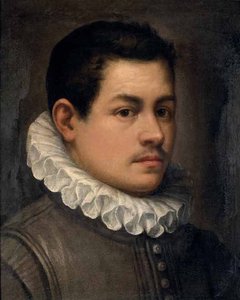
1560–1609, იტალია
ანნიბალე კარრაში
ადრეული ცხოვრება და ბოლონიის ფესვები ანნიბალე კარრაში დაიბადა ბოლონიაში, 1560 წლის 3 ნოემბერს, მხატვართა ოჯახში. მისი პირველი განათლება, სავარაუდოდ, ოჯახის სახელოსნოში გაიზარდა, რაც საფუძვლად დაედო კარიერას, რომელმაც იტალიური живописи ლანდშაფტი რადიკალურად შეცვალა. ბოლონია იმ დროს ინტელექტუალური და მხატვრული აფორიზმის ცენტრი იყო, თუმცა გარკვეულწილად მოწყვეტილი იყო რომისა და ვენეციის დომინანტი მიმდინარეობებისგან. ამ პროვინციალობის გრძნობამ ახალგაზდა მხატვართა ჯგუფს – ანნიბალეს, მის ძმას, აგოსტინოს და ბიძაშვილს, ლუდოვიკოს – უბიძგა ახალი გზის შექმნა, რომელიც იტალიური живописьს აღადგენდა მაღალი რენესანსის ოსტატებისკენ მიმრეკვობით, ხოლო ამავე დროს უფრო ნატურალისტული მიდგომის ჩართვით.
ანნიბალე კარრაში-ის შესახებ ანნიბალე კარრაში-ის გამორჩეული ნამუშევრები
ასევე ანნიბალე კარრაში-ის მიერ
 ლობიოსმჭამელი მზე
 ჰერაკლეს არჩევანი
 ჰერაქლის არჩევანი1596
 მდინარის სურათი1589
ესეები Triptych-ის შესახებ
 The Architecture of Divinity: Tracing the Evolution of Angelic Iconography in Renaissance ArtExplore the evolution of angelic iconography from early Christian art to the Baroque. Trace the divine history with our expert analysis.
 25 Masterpieces by Sir Anthony van Dyck: The King of Baroque PortraitureStep into the elegance of the Baroque era with our curated guide to Sir Anthony van Dyck's top 25 masterpieces. Explore royal portraits and…
 Caravaggism and Bolognese Classicism: Two Paths of the BaroqueMaster the differences between Caravaggism and Bolognese Classicism. Explore the dramatic tension of the Baroque era now.