School of Paris · 1928
Rita van Leer (ანდრე დერენი, 1928)
ანდრე დერენი (1880–1954)-მა შექმნა Rita van Leer. ის შექმნილ არის 1928 წელს. ის School of Paris მიძღვნილ სტილს მიეკუთვნება. შესრულებულია Oil On Panel-ით. ზომა არის 41 × 34 cm.
- 1928
- Oil On Panel
- 41 × 34 cm

 წინასწარი ნახვა

 ხელით ნაკletი ზეთწერილი
 გაგზავნა
 გაზიარება
 სპეცფიკაცია


 ჩამოტვირთვა
 მსგავსები
 რენტგენოგრაფიული კვლევა
 სლაიდშოუ
 კითხვა-პასუხი

 სტატისტიკა
Rita van Leer, მოკლედ
- სათაური
- Rita van Leer
- ავტორი
- ანდრე დერენი (1880–1954)
- ხატვის წელი და ადგილი
- შატუ, საფრანგეთი
- თარიღი
- 1928
- ტექნიკა
- Oil On Panel
- ზომები
- 41 × 34 cm
- მოძრაობა
- School of Paris
- ეპოქა
- Modern
- სუბიექტი
- woman, portrait, face, shoulders, gray, black
რა არის გამოსახული Rita van Leer-ში?
The Portrait of Rita van Leer
In this intimate portrait, André Derain turns his attention to Rita van Leer. Created about 1928, the work moves away from the loud colorism of his earlier years, focusing instead on the quiet presence of the sitter. There is a certain stillness here, a moment captured in a way that prioritizes her character over a mere photographic likeness. She meets the viewer with a directness that feels both personal and somewhat guarded.
André Derain captures the subject with an expressive likeness, favoring the essence of her personality over rigid, academic precision. The portrait focuses on the head and shoulders, stripping away unnecessary distractions to ensure the viewer's attention remains fixed upon her gaze. It is a study of a person rather than a mere likeness, offering a glimpse into a specific, fleeting moment of her life.
Composition and Visual Elements
The composition is centered entirely upon the woman’s face, which occupies the majority of the frame. Presented in a close-up view, the subject's head and shoulders emerge from a dark, minimalist background. This lack of environmental detail ensures that the viewer's attention remains fixed on the sitter. Her head is slightly tilted, a subtle movement that introduces a sense of dynamism to an otherwise still moment.
There is a directness in her gaze, as she looks straight toward the viewer. This connection is established through the careful placement of her features and the use of tonal variations rather than sharp, photographic lines. Light and shadow work together to define the contours of her face, creating a sense of three-dimensionality through the layering of different shades.
Technique and Artistic Style
The work is characteristic of early modern art, leaning into the expressive possibilities of Fauvism and Expressionism. Rather than seeking photographic accuracy, the artist employs a loose and gestural application of paint to capture the sitter. There is a palpable sense of immediacy here, driven by the visible brushstrokes that define the form. This approach prioritizes the emotional essence of the subject over a strictly realistic representation.
One notices how the artist uses short, choppy strokes to build up the features of the face and the contours of the hair. This method creates a textured, almost rugged surface. The use of thick impasto is particularly evident, providing a physical depth that makes the paint feel sculptural. These heavy applications of pigment allow the light to catch the ridges of the brushwork, adding a sense of movement to the portrait.
Materials and Physical Properties
This work is executed in oil paint, applied with a deliberate and textured hand. The artist has worked upon a surface of either canvas or panel, a choice that supports the heavy impasto visible throughout the piece. Such tactile application allows the paint to hold its form, creating a physical presence that catches the light in subtle ways. The dimensions of the work are 41 x 34 cm, a scale that invites a close, intimate inspection of the surface.
The palette is notably restrained, eschewing the riotous color often associated with the artist's earlier years. Instead, we find a monochromatic arrangement of gray, black, and white. These tones are layered to build depth and define the contours of the subject. The interplay of light and shadow is achieved through these varying shades, providing a sense of volume without the need for chromatic intensity. It is a quiet, disciplined approach to the medium.
Rita van Leer-ის მაღალი გარ Auflხ resolución-ის გამოსახულებები
საჯარო საკუთრება: მხატვარი გარდაიცვალა 1954 წელს.
ანდრე დერენი, Rita van Leer (1928). საჯარო საკუთრება
კითხვები Rita van Leer-ზე, პასუხები
რა თარიღში შეიქმნა ანდრე დერენი-ის „Rita van Leer“?
ანდრე დერენი-ის „Rita van Leer“-ის შექმნის თარიღია 1928.
რა მასალისგან არის შესრულებული ანდრე დერენი-ის „Rita van Leer“?
ანდრე დერენი-ის „Rita van Leer“-ის მასალა არის Oil On Panel. რეპროდუქციების მიზანია ამ ტექნიკის ვიზუალური მხარის ზუსტი გადმოცემა.
რა არის ორიგინალი ანდრე დერენი-ის „Rita van Leer“-ის ზომები?
ანდრე დერენი-ის „Rita van Leer“ ნამუშევრის ზომებია 41 x 34 cm. რეკროდუქციების შეკვეთა შესაძლებელია სხვა ზომებშიც, პროპორციების სრული შენარჩუნებით.
რა არის გამოსახული ანდრე დერენი-ის „Rita van Leer“-ში?
სურათის "Rita van Leer" თემებს წარმოადგენს woman, portrait, face, shoulders, gray, black, white.
არის თუ არა "Rita van Leer" საავტორო უფლებებისგან თავისუფალი?
ავტორული უფლებების სტატუსი ნამუშევრისთვის ანდრე დერენი-ის „Rita van Leer“: ნამუშევარი არის საჯარო საკუთრებაშია — საავტორო უფლებები ამოწდა. ეს განსაზღვრავს, შესაძლებელია თუ არა გამოსახულების რეპროდუქციის თავისუფლად წარმოება.
ვინ შექმნა "Rita van Leer"?
ნამუშევრის „Rita van Leer“ ავტორი არის ანდრე დერენი. ნამუშევარი დატრიალებულია ანდრე დერენი-ის სახელით.
რომელ მხატვრულ მიმდევრობას წარმოადგენს ანდრე დერენი-ის „Rita van Leer“?
ანდრე დერენი-ის „Rita van Leer“-თან დაკავშირებული ხელოვნების მიმდინარეობა არის School of Paris. ეს კლასიფიკაცია ნამუშევარს მსგავს ხელოვანთა და ქსნეულობათა წრეში ათავსებს.
ანდრე დერენი-ის შემოქმედების რომელი პერიოდის ნაწილია "Rita van Leer"?
"Rita van Leer" წარმოადგენს ანდრე დერენი-ის შემოქმედებით პერიოდს: Late Period.
რამდენი წლის იყო ანდრე დერენი, როდესაც „Rita van Leer“ შეიქმნა?
ანდრე დერენი-მა „Rita van Leer“ 48 წლის ასაკში შექმნა. ხელოვანი დაიბადა 1880 წელს, ნამუშევრის თარიღგადასახელება კი 1928-ია.
About the artist, ანდრე დერენი
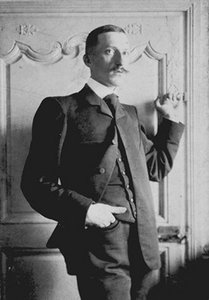
1880–1954, საფრანგეთი
ანდრე დერენი
Early Life, Family and Training In the year 1880, André Derain entered the world in Chatou, a village nestled within the Yvelines region of France. His early years were shaped by the quiet landscapes of the Île-de-France, where a natural curiosity for the surroundings began to take root. By 1895, he had already commenced studying on his own, seeking to understand the visual world through his own eyes rather than through formal instruction. This period of self-directed exploration allowed him to develop a personal way of seeing before the rigors of an academy could impose their will upon him.
ანდრე დერენი-ის შესახებ ანდრე დერენი-ის გამორჩეული ნამუშევრები
ასევე ანდრე დერენი-ის მიერ
 bathers1907
 ლონდონის ხიდი1906
 Charing Cross from sw1906
 Landscape at L'Estaque1906
ესეები Rita van Leer-ის შესახებ
 Fauvism vs German Expressionism: Distinguishing Color and EmotionMaster the differences between Fauvism and German Expressionism through expert analysis. Learn to decode the emotion behind the color today.
 Dutch artworks of the 1860s1860s Dutch masterpieces by Vincent van Gogh, Gerard Bilders, and August Allebé. View the full collection online at OriginalUniqueArt.com.
 The Silent Dialogue: Examining Intimacy and Psychological Depth in Classical PortraitureExplore the psychological depth of classical portraiture through masters like Rembrandt and Vermeer. Discover the power of the gaze today.