Art Nouveau Art Nouveau
(41) (ალფონს მუხა)
ალფონს მუხა (1860–1939)-მა შექმნა (41). ის Art Nouveau Art Nouveau მიძღვნილ სტილს მიეკუთვნება. შესრულებულია Acrylic On Canvas-ით.
- Acrylic On Canvas

 წინასწარი ნახვა

 ხელით შესრულებული ზეთប្រეწერი
 გაგზავნა
 გაზიარება
 სპეცფიკაცია


 ჩამოტვირთვა
 მსგავსები
 რენტგენოგრაფიული კვლევა
 სლაიდშოუ
 კითხვა-პასუხი

 სტატისტიკა
(41), მოკლედ
- სათაური
- (41)
- ავტორი
- ალფონს მუხა (1860–1939)
- ხატვის წელი და ადგილი
- ივანჩიცე, ჩეხეთი
- ტექნიკა
- Acrylic On Canvas
- მოძრაობა
- Art Nouveau Art Nouveau
- სუბიექტი
- woman, hair, dress, baby, floral, organic
რა არის გამოსახული (41)-ში?
Alphonse Mucha: The Enchanting Symbolism of Art Nouveau
Alphonse Maria Mucha stands as one of the most recognizable figures of Art Nouveau, an artistic movement that flourished between 1890 and 1910 across Europe. Born in Brno, Czech Republic, in 1860, Mucha rejected the rigid academic traditions of his time, forging a path toward a uniquely expressive style that captivated audiences and continues to inspire artists today.
Much’s artistic vision centered around capturing ethereal beauty—primarily through idealized depictions of women—often presented in flowing robes adorned with intricate floral motifs. Influenced by Impressionism and Symbolism, he skillfully blended these influences into his distinctive Art Nouveau aesthetic. Unlike the prevailing stylistic trends of his era, Mucha prioritized organic forms and graceful curves, mirroring the natural world’s rhythms and conveying a sense of movement.
His breakthrough came with collaborations on decorative posters for Parisian theaters and exhibitions. These commissions demanded meticulous attention to detail—particularly in the rendering of textures and colors—resulting in stunning visual experiences that cemented Mucha's reputation as a master craftsman. He employed techniques such as cloisonné enamel, gilding, and lithography to achieve unparalleled luminosity and vibrancy, pushing the boundaries of printmaking.
The Slavonic Uprising: A Fusion of Tradition and Innovation
Perhaps Mucha’s most ambitious project was “The Slavonic Uprising,” a monumental mural commissioned for Prague’s National Theatre. This artwork exemplifies Mucha's ability to synthesize disparate elements into a cohesive narrative—combining traditional Czech folklore with the dynamism of Art Nouveau principles.
The mural depicts a stylized battle scene, featuring figures draped in flowing robes reminiscent of Slavic princesses and warriors. Mucha skillfully utilized bold colors and sweeping lines to convey the urgency and grandeur of the uprising, capturing both its heroic spirit and its underlying melancholy. The intricate floral ornamentation—particularly around the central figures—underscores the movement’s preoccupation with nature and symbolizes resilience amidst adversity.
Symbolism Rooted in Myth and Folklore
Throughout Mucha's oeuvre, symbolism played a crucial role in conveying deeper meanings beyond mere visual representation. Recurring motifs—such as lilies, roses, and peacocks—carried associations rooted in Slavic mythology and Christian iconography. These symbols served to elevate the artwork’s emotional impact, inviting viewers to contemplate themes of heroism, sacrifice, and spiritual transcendence.
Consider “La Ribambelle des Gobelins,” a collaborative project with Piero Dorazio that explored the concept of collective creativity. Mucha's contribution—a stylized depiction of women—embodied the movement’s belief in the transformative power of art to inspire social change and celebrate human beauty.
A Legacy Enduring Through Reproduction
Today, Alphonse Mucha’s artwork continues to resonate with audiences worldwide. High-quality reproductions offer a captivating glimpse into his artistic genius—allowing collectors and interior designers alike to experience the enchantment of Art Nouveau firsthand. His enduring influence testifies to the power of visionary art to transcend time and inspire generations of artists.
(41)-ის მაღალი გარ Auflხ resolución-ის გამოსახულებები
საჯარო საკუთრება: მხატვარი გარდაიცვალა 1939 წელს.
ალფონს მუხა, (41). საჯარო საკუთრება
კითხვები (41)-ზე, პასუხები
რა მასალისგან არის შესრულებული ალფონს მუხა-ის „(41)“?
ალფონს მუხა-ის „(41)“-ის მასალა არის Acrylic On Canvas. რეპროდუქციების მიზანია ამ ტექნიკის ვიზუალური მხარის ზუსტი გადმოცემა.
რა არის გამოსახული ალფონს მუხა-ის „(41)“-ში?
ალფონს მუხა-ის „(41)“-ზე გამოსახულია: woman, hair, dress, baby, floral, organic, flowing lines, symmetry.
არის თუ არა "(41)" საავტორო უფლებებისგან თავისუფალი?
ავტორული უფლებების სტატუსი ნამუშევრისთვის ალფონს მუხა-ის „(41)“: ნამუშევარი არის საჯარო საკუთრებაშია — საავტორო უფლებები ამოწდა. ეს განსაზღვრავს, შესაძლებელია თუ არა გამოსახულების რეპროდუქციის თავისუფლად წარმოება.
ვინ შექმნა "(41)"?
ნამუშევრის „(41)“ ავტორი არის ალფონს მუხა. ნამუშევარი დატრიალებულია ალფონს მუხა-ის სახელით.
რომელ სტილს მიეკუთვნება "(41)"?
"(41)" არის Art Nouveau Art Nouveau სტილის ნამუშევარი. აღნიშნული მიმდინარეობა ასახავს იმ მხატვრულ ტრადიციას, რომლის ნაწილიცაა ეს ნამუშევარი.
ალფონს მუხა-ის შემოქმედებითი განვითარების რომელ ეტაპს წარმოადგენს „(41)“?
ალფონს მუხა-ის შემოქმედების პერიოდში „(41)“ Mature Period-ს მიეკუთვნება. ეს ფაზა საშუალებას გვაძლევს, იგი ხელოვანის სხვა ნამუშევრებს შევადაროთ.
რატომ არის "(41)"-ის საავტორო უფლებების სტატუსი სწორედ ასეთი?
ალფონს მუხა-ის ნამუშევარი „(41)“ არის საჯარო საკუთრებაშია — საავტორო უფლებები ამოწდა. საავტორო უფლებების ვადა ითვლება ხელოვანის გარდაცვალებიდან; ალფონს მუხა კი 1939 წელს გარდაიცვალა.
რა საერთო აქვს „(41)“-ს ალფონს მუხა-ის შემოქმედების სხვა ნაწილით?
"(41)" ალფონს მუხა-ის Art Nouveau Art Nouveau სტილის ნამუშევარია, რომლის ძირითად თემებს შორის არის renoir, moreau, czech motifs, modern art nouveau, idealized femininity."
როგორ უკავშირდება „(41)“ ალფონს მუხა-ისთვის დამახასიათებელ განმეორებად თემებს?
"(41)" ასახავს woman, hair, dress, baby, floral, organic, flowing lines, symmetry-ს, მაშინ როდესაც ალფონს მუხა-ის შემოქმედებაში დაფიქსირებული თემებია renoir, moreau, czech motifs, modern art nouveau, idealized femininity. ამ ორი კომპონენტის შედარება გვიჩვენებს, თუ როგორ უკავშირდება ეს ნამუშევარი ხელოვანისთვის დამახასიათებელ საკצועებს.
ხელပاتარში: ალფონს მუხა

1860–1939, ჩეხეთი
ალფონს მუხა
ადრეული ცხოვრება და განათლება დაიბადა: 15 ივლისს, 1860 წელს, ივანჩიცეში, მორავიაში (ამჟამად ჩეხეთის რესპუბლიკა). ადრეული ასაკიდანვე გამოავლინა მხატვრული ნიჭი. სწავლობდა პრაღის ललित ხელოვნების აკადემიაში, მაგრამ იმედგაცრუებული იყო ტრადიციული მიდგომებით. 1887 წელს გადავიდა პარიზში საკუთარი სტილის განვითარებისთვის.
ალფონს მუხა-ის შესახებ ალფონს მუხა-ის გამორჩეული ნამუშევრები
ასევე ალფონს მუხა-ის მიერ
 The Moon
 Nude
 The Apotheosis of the Slavs1926
 Stained-Glass Window in St. Vitus Cathedral
ესეები (41)-ის შესახებ
 Resilience and Heritage: A Curated Journey Through the Soul of Ukrainian Art HistoryExplore the profound legacy of Ukrainian art from Baroque grandeur to Repin's realism. Discover this rich cultural journey now.
 ხელნაწერი ტილოების განსაკუთრებული სილამაზე: ხელოვნების შედევრები როგორც ინვესტიცია ტექსტურაში, სიღ depthsუმეში და ოსტატობის ღირებულებაშიაღმოაჩინეთ ხელოვნების შედევრების განსაკუთრებული სილამაზე! ხარისხიანი ხელნაწერი ტილოები, ინვესტიციის ღირებულება და პროფესიონალური კონსულტაცი…
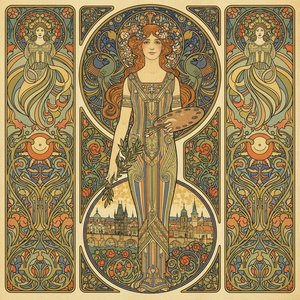 Alphonse Mucha: A Comprehensive Exploration of Art Nouveau's Master of Decorative SymbolismExplore the life & art of Alphonse Mucha, master of Art Nouveau! Discover his iconic posters, stunning illustrations, and the monumental Sl…