Wang Yuanqi პორტრეტი

22 ყველაზე ცნობილი Wang Yuanqi-ის ნახატი, გალერეის შერჩეული კოლექცია

განახლდა ოქტომბერი 2026 · დალაგებულია ჩვენი პოპულარობის ქულების მიხედვით (ძიება, ნახვა და შეკვეთები თითოეული ნამუშწაროსთვის) · 22 ნამუშევარი Wang Yuanqi ჩვენს კატალოგში

მოკლედ რომ ვთქვათ

Wang Yuanqi-ის ყველა დატოვებული ორიგინალიდან ყველაზე ცნობილი Landscape for Zhanting (1710) არის. მისდაក្រោយ Wangchuan Villa (1711) და Landscape (1678) მოდიან. ჩვენს კატალოგში Wang Yuanqi-ის 22 ნამუშწარებია; გალერეამ შეინافظა ის 22 ნამუშწარო, რომლებსაც მსოფლიო ყველაზე მეტად აღიარებს, რომელთაგან თითოეული წარმოდგენილია თვის, მუზეუმისა და ისტორიის თანხლებით.

1642 – 1715, Taicang ყველაზე მეტი ნამشევრი: მეტროპოლიტენის ხელოვნების მუზეუმი

Wang Yuanqi-ის 10 საუკეთესო ნამუშgeryო: გალერეის არჩევანი

1
Landscape for Zhanting (1710) ავტორის: Wang Yuanqi

Landscape for Zhanting

1710 · Ink

In Landscape for Zhanting, the artist Wang Yuanqi presents a vast mountain range that stretches across the entire width of the silk. Snow-capped peaks rise against the sky, their white summits catching the light amidst the rugged terrain. These mountains form a heavy, continuous boundary that defines the horizon. The scale of the landscape creates a sense of immense depth, pulling the eye through layers of stone and mist.
2
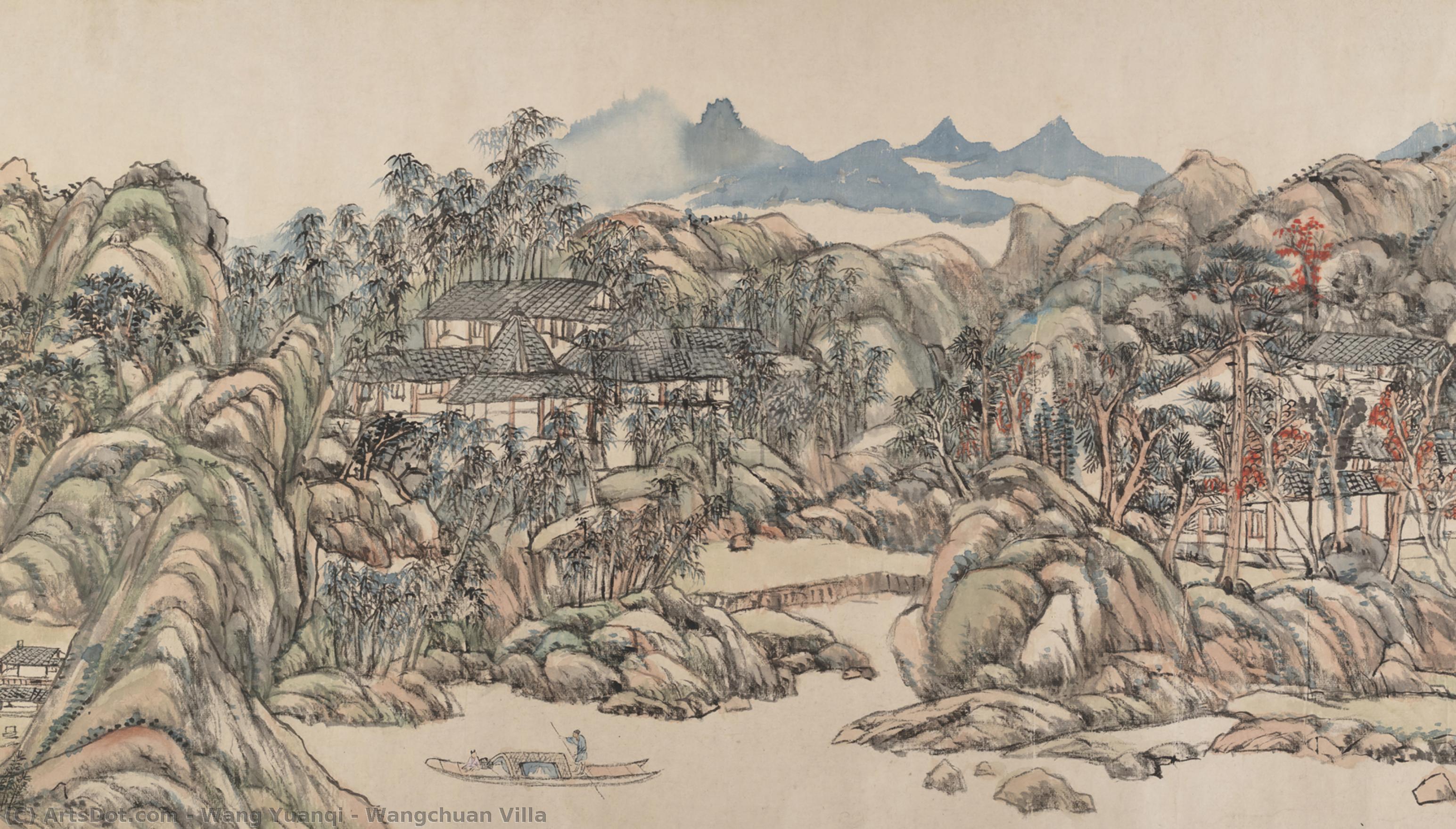
Wangchuan Villa (1711) ავტორის: Wang Yuanqi

Wangchuan Villa

The handscroll titled Wangchuan Villa emerges from the brush of Wang Yuanqi, a painter who shaped the landscape traditions of the Qing Dynasty. Born in 1642 in Taicang, Jiangsu province, China, Wang Yuanqi carries the weight of a profound artistic lineage. He moves through the world of ink and color as a leading figure of the Orthodox School. His hand brings life to this specific vision of a mountain community,…

Wang Yuanqi-ის შერჩევა გრძელდება, 11-დან 22-მდე

სუბიექტები, რომლებმაც Wang Yuanqi-ის ყურადღება მიიპყრო

ამ ორიგინალებში ყველაზე ხშირად განმეორებადი არის 네 თემა, რომელთაგან თითოეულს თავისი საუკეთესო ნიმუში წარმოგვიდგება.

მუზეუმები, სადაც Wang Yuanqi-ის ორიგინალები ინახება

ამ გვერდზე წარმოდგენილი მხატვრობის შედეგების უმეტესობას 8 მუზეუმი ინახავს.

მუზეუმი ქალაქი Wang Yuanqi შემოქმედებაలు ამ სიიდან მოპოვებული ნახატები
მეტროპოლიტენის ხელოვნების მუზეუმი, ნიუ-იორკიმეტროპოლიტენის ხელოვნების მუზეუმი ნიუ-იორკი 7 Wangchuan Villa, 清 王原祁 倣吳鎮山水圖 軸 Landscape after Wu Zhen, Landscape for Zhanting
ჩიკაგოს ხელოვნების ინსტიტუტი, ჩიკაგოჩიკაგოს ხელოვნების ინსტიტუტი ჩიკაგო 3 Landscape, Mountainous Landscape after Wang Meng, Landscape after Huang Gongwang
კლივল্যান্ডের ხელოვნების მუზეუმი, კლივლენდიკლივল্যান্ডের ხელოვნების მუზეუმი კლივლენდი 2 Landscape after Ni Zan, Green Peaks under Clear Sky: After Huang Gongwang
იეილის უნივერსიტეტის სახელოვნებო გალერეა, ნიუ ჰეივენიიეილის უნივერსიტეტის სახელოვნებო გალერეა ნიუ ჰეივენი 2 Landscape in the Style of Huang Gongwang, Landscape
Walters Art Museum, BaltimoreWalters Art Museum Baltimore 1 Free Spirits Among Streams and Mountains
დეტროიტის ხელოვნების ინსტიტუტი, დეტროიტიდეტროიტის ხელოვნების ინსტიტუტი დეტროიტი 1 Mountain and River Landscape
დ Palace Museum, ბეიჯინიდ Palace Museum ბეიჯინი 1 Wang Yuanqi's Thatched Cottage Ten Records
National Gallery of Victoria, მელბურნიNational Gallery of Victoria მელბურნი 1 The Fuchun Mountians

Wang Yuanqi ათწლეულების მიხედვით: ორიგინალი, რომელიც განსაზღვრავს თითოეულ მათგანს

ნამუშევრები ათწლეულების მიხედვით

შეარჩიეთ ათწლეული, რათა ნახოთ ის ორიგინალი ნამუშევარი, რომელიც მას განსაზღვრავს.

კოლექციონერთა კითხვები Wang Yuanqi-ის ნახატებზე

რა ნამუშწარესით არის ყველაზე ცნობილი Wang Yuanqi?გაამჟღავნეთ პასუხი

Landscape for Zhanting (1710). შემდეგ მოდიან Wangchuan Villa (1711) და Landscape (1678).

რამდენage იყო Wang Yuanqi, როდესაც შეიქმნა Landscape for Zhanting?გაამჟღავნეთ პასუხი

68 წლის: Landscape for Zhanting შექმნილია 1710 წელს, ხოლო Wang Yuanqi დაიბადა 1642 წელს.

რა არის Wang Yuanqi-ის 열 иң ცნობილი 열ი ტილო?გაამჟღავნეთ პასუხი

Landscape for Zhanting, Wangchuan Villa, Landscape, Mountainous Landscape after Wang Meng, Free Spirits Among Streams and Mountains, 清 王原祁 倣吳鎮山水圖 軸 Landscape after Wu Zhen, Landscape for Zhanting, Landscape after Ni Zan, Green Peaks under Clear Sky: After Huang Gongwang და Landscape after Huang Gongwang. ზემოთ მოცემული რეიტინგი ასახავს თითოეულის შემოქმედების წელსა და მუზეუმს.

რამდენი სურათი დატოვა Wang Yuanqi-მა?გაამჟღავნეთ პასუხი

ჩვენს კატალოგში წარმოდგენილია 22 ნამუშწევრი Wang Yuanqi-ისგან, დათარიღებული 1678-დან 1712-მდე.

რომელ მუზეუმებშია და hangs Wang Yuanqi-ის შედევრული ნამუშევრები?გაამჟღავნეთ პასუხი

ძირითადად მეტროპოლიტენის ხელოვნების მუზეუმი (ნიუ-იორკი), ჩიკაგოს ხელოვნების ინსტიტუტი (ჩიკაგო) და კლივল্যান্ডের ხელოვნების მუზეუმი (კლივლენდი)-ში. ზემოთ მოცემულ მუზეუმების ცხრილში ისინი ყველა listed.

მათ რომელ წლებში შექმნა Wang Yuanqi-მა ყველაზე ცნობილი ნამუშევრები?გაამჟღავნეთ პასუხი

1700s-ში: ამ გვერდზე წარმოდგენილი 22 ნამუშწარwerksიდან 5 შეიქმნა მაშინ, მათგან Landscape after Ni Zan.

რა არის Wang Yuanqi-ის პირველი და ბოლო ცნობილი ორიგინალი?გაამჟღავნეთ პასუხი

ამ გვერდზე ყველაზე ადრეული არის Landscape (1678), ხოლო ყველაზე გვიანდელი — Landscape in the Style of Huang Gongwang (1712).

რომელ თემებს ირჩევდა Wang Yuanqi ყველაზე ხშირად?გაამჟღავნეთ პასუხი

Mountains (3), Trees (2) და People (2), ამ გვერდზე წარმოდგენილ 22 ნამუშწარეს შორის.

Wang Yuanqi-ის რომელ ნამუშევრებს ჰქ나 მეტროპოლიტენის ხელოვნების მუზეუმი-ში?გაამჟღავნეთ პასუხი

Wangchuan Villa, 清 王原祁 倣吳鎮山水圖 軸 Landscape after Wu Zhen და Landscape for Zhanting: მეტროპოლიტენის ხელოვნების მუზეუმი, ნიუ-იორკი-ში წარმოდგენილია ამ გვერდზე მოცემული ნამუშევრების 7 ცალი.

Wang Yuanqi: ცხოვრება და შემოქმედება

Wang Yuanqi: A Master of Qing Dynasty Landscape

Early Life and Education

  • Wang Yuanqi (王原祁) was born in 1642 in Taicang, Jiangsu province, China.
  • He came from a family with a strong artistic tradition; his grandfather, Wang Shimin, was a renowned painter of the early Qing dynasty.
  • Yuanqi received rigorous training in painting from his grandfather, laying the foundation for his future artistic endeavors.
  • His style name was 'Mao-ching' and his sobriquet was 'Lu-t’ai'.

Career as a Court Official

  • Wang Yuanqi rose to prominence as a court official during the Qing dynasty, beginning shortly after its establishment in 1644.
  • He served with distinction and was eventually appointed curator of the imperial collection under the Kangxi Emperor.
  • This position granted him access to a vast array of artworks, further enriching his artistic knowledge and influencing his style.
  • He remained a court official throughout his long career, balancing administrative duties with his passion for painting until his death in 1715 at age 73.

Artistic Style and Influences

  • Wang Yuanqi is considered one of the “Six Masters of the early Qing period,” also known as the ‘Four Wangs, a Wu and a Yun’.
  • He was a leading figure in the 'Orthodox School' (正统派) of Chinese landscape painting.
  • His landscapes drew inspiration from Yuan dynasty artists who moved away from the highly realistic depictions favored during the Northern Song period.
  • A key influence on his work was Huang Gongwang, particularly in the use of dry brush strokes, ink washes, and a sophisticated approach to color.
  • He skillfully integrated color patterns into his compositions, complementing abstract designs with rhythmic color flows.

Major Works and Achievements

  • Notable works include Landscape in the Style of Huang Gongwang (1711), currently held in Singapore’s Asian Civilisations Museum.
  • His rendition of Wang Wei's eighth-century hand scroll, The Wang River Villa, is housed in the Metropolitan Museum of Art, New York City.
  • Other significant paintings include “The Fuchun Mountains”, “Landscape for Zhanting” and numerous landscapes after the Four Great Yuan Masters.
  • He excelled at recreating the styles of earlier masters while imbuing his works with a unique personal touch.

Historical Significance

  • Wang Yuanqi played a crucial role in shaping the development of Chinese landscape painting during the Qing dynasty.
  • His adherence to and refinement of the Orthodox School established a standard for generations of artists.
  • He helped preserve and promote traditional artistic values while also demonstrating innovative techniques in composition and color usage.
  • His work continues to be celebrated for its technical mastery, aesthetic beauty, and historical importance within the context of Chinese art history.