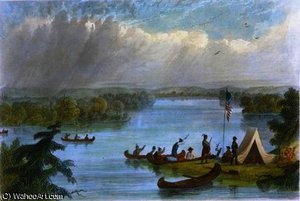
სეთ ईस्टमანი პორტრეტი

37 ყველაზე ცნობილი სეთ ईस्टमანი-ის ნახატი, გალერეის შერჩეული კოლექცია

განახლდა ნოემბერი 2026 · დალაგებულია ჩვენი პოპულარობის ქულების მიხედვით (ძიება, ნახვა და შეკვეთები თითოეული ნამუშწაროსთვის) · 37 ნამუშევარი სეთ ईस्टमანი ჩვენს კატალოგში

მოკლედ რომ ვთქვათ

სეთ ईस्टमანი-ის ყველა დატოვებული ორიგინალიდან ყველაზე ცნობილია Sioux Indians Breaking Up Camp (1848), რომელიც ბოსტონი-ში მდებარე ბოსტონის fine arts-ის მუზეუმი-ის კოლექციაშია. მისდაក្រោយ Dakotah village და Gathering Wild Rice მოდიან. ჩვენს კატალოგში სეთ ईस्टमანი-ის 37 ნამუშწარებია; გალერეამ შეინافظა ის 37 ნამუშწარო, რომლებსაც მსოფლიო ყველაზე მეტად აღიარებს, რომელთაგან თითოეული წარმოდგენილია თვის, მუზეუმისა და ისტორიის თანხლებით.

1808 – 1875, ბრუნსვიკი Hudson river school ყველაზე მეტი ნამشევრი: კროკერის სახელობის ხელოვნების მუზეუმი

სეთ ईस्टमანი-ის 10 საუკეთესო ნამუშgeryო: გალერეის არჩევანი

1
Sioux Indians Breaking Up Camp (1848) ავტორის: სეთ ईस्टमანი

Sioux Indians Breaking Up Camp

1848 · Oil On Canvas · ბოსტონის fine arts-ის მუზეუმი, ბოსტონი

The scene unfolds in Sioux Indians Breaking Up Camp, a work painted by Seth Eastman. The air feels heavy with the movement of a people in transition, as the community prepares to leave their current site. This painting, dating to about 1848, captures a specific moment of departure across the expansive prairie. The figures move with purpose, tending to their belongings and animals under a vast, shifting sky.

4
Ballplay of the Dakota on the St. Peters River in Winter (1848) ავტორის: სეთ ईस्टमანი

Ballplay of the Dakota on the St. Peters River in Winter

In the quiet, biting chill of an 1848 winter, Seth Eastman captured more than just a landscape; he immortalized a vibrant pulse of life amidst the frost. Ballplay of the Dakota on the St. Peters River in Winter serves as a breathtaking window into a vanished era, where the frozen expanse of the river becomes a stage for communal joy and athletic prowess. The painting depicts a spirited game of…

სეთ ईस्टमანი-ის შერჩევა გრძელდება, 11-დან 37-მდე

სუბიექტები, რომლებმაც სეთ ईस्टमანი-ის ყურადღება მიიპყრო

ამ ორიგინალებში ყველაზე ხშირად განმეორებადი არის 네 თემა, რომელთაგან თითოეულს თავისი საუკეთესო ნიმუში წარმოგვიდგება.

მუზეუმები, სადაც სეთ ईस्टमანი-ის ორიგინალები ინახება

ამ გვერდზე წარმოდგენილი მხატვრობის შედეგების უმეტესობას 7 მუზეუმი ინახავს.

მუზეუმი ქალაქი სეთ ईस्टमანი შემოქმედებაలు ამ სიიდან მოპოვებული ნახატები
კროკერის სახელობის ხელოვნების მუზეუმი, საკრამენტოკროკერის სახელობის ხელოვნების მუზეუმი საკრამენტო 2 Gathering Grass Seed, San Joaquin Valley, California, Transporting Water and Grass Seed, Valley of San Joaquin, California
ბოსტონის fine arts-ის მუზეუმი, ბოსტონიბოსტონის fine arts-ის მუზეუმი ბოსტონი 1 Sioux Indians Breaking Up Camp
ამონ კარტერის ამერიკული ხელოვნების მუზეუმი, ფორტ-ვორთიამონ კარტერის ამერიკული ხელოვნების მუზეუმი ფორტ-ვორთი 1 Ballplay of the Dakota on the St. Peters River in Winter
სენტ-ლუისის ხელოვნების მუზეუმი, სენტ-ლუისისენტ-ლუისის ხელოვნების მუზეუმი სენტ-ლუისი 1 Chippewa Encampment on the Upper Mississippi
Cincinnati Art Museum, SinkcincinnatiCincinnati Art Museum Sinkcincinnati 1 Buffalo Hunt
National Gallery of Art, ვაშინგტონიNational Gallery of Art ვაშინგტონი 1 Ball Playing among the Sioux Indians
Minneapolis Institute of Art, MinneapolisMinneapolis Institute of Art Minneapolis 1 The Falls of St. Anthony

სეთ ईस्टमანი წელიწადმიწლით: ორიგინალები, რომლებიც განსაზღვრავენ თითოეულ მათგანს

სეთ ईस्टमანი-ის ამ შერჩევაში წარმოდგენილი ნამუშევრების თარიღები მხოლოდ 7 წელს მოიცავს, 1845-დან 1851-მდე: მოკლე კარიერა, წარმოდგენილი აქ წლიდან წლამდე.

ნამუშევრები წლების მიხედვით

შეარჩიეთ წელი ორიგინალების სანახავად.

კოლექციონერთა კითხვები სეთ ईस्टमანი-ის ნახატებზე

რა ნამუშწარესით არის ყველაზე ცნობილი სეთ ईस्टमანი?გაამჟღავნეთ პასუხი

Sioux Indians Breaking Up Camp (1848), ბოსტონის fine arts-ის მუზეუმი, ბოსტონი. შემდეგ მოდიან Dakotah village და Gathering Wild Rice.

რამდენage იყო სეთ ईस्टमანი, როდესაც შეიქმნა Sioux Indians Breaking Up Camp?გაამჟღავნეთ პასუხი

40 წლის: Sioux Indians Breaking Up Camp შექმნილია 1848 წელს, ხოლო სეთ ईस्टमანი დაიბადა 1808 წელს.

რა არის სეთ ईस्टमანი-ის 열 иң ცნობილი 열ი ტილო?გაამჟღავნეთ პასუხი

Sioux Indians Breaking Up Camp, Dakotah village, Gathering Wild Rice, Ballplay of the Dakota on the St. Peters River in Winter, Chippewa Encampment on the Upper Mississippi, Buffalo Hunt, Ball Playing among the Sioux Indians, Lake itsaca, Wabeno Songs, from 'Information Respecting და Indian Burial,. ზემოთ მოცემული რეიტინგი ასახავს თითოეულის შემოქმედების წელსა და მუზეუმს.

რამდენი სურათი დატოვა სეთ ईस्टमანი-მა?გაამჟღავნეთ პასუხი

ჩვენს კატალოგში წარმოდგენილია 37 ნამუშწევრი სეთ ईस्टमანი-ისგან, დათარიღებული 1845-დან 1851-მდე.

რომელ მუზეუმებშია და hangs სეთ ईस्टमანი-ის შედევრული ნამუშევრები?გაამჟღავნეთ პასუხი

ძირითადად კროკერის სახელობის ხელოვნების მუზეუმი (საკრამენტო), ბოსტონის fine arts-ის მუზეუმი (ბოსტონი) და ამონ კარტერის ამერიკული ხელოვნების მუზეუმი (ფორტ-ვორთი)-ში. ზემოთ მოცემულ მუზეუმების ცხრილში ისინი ყველა listed.

მათ რომელ წლებში შექმნა სეთ ईस्टमანი-მა ყველაზე ცნობილი ნამუშევრები?გაამჟღავნეთ პასუხი

1848-ში: ამ გვერდზე წარმოდგენილი 37 ნამუშწარwerksიდან 3 შეიქმნა მაშინ, მათგან Sioux Indians Breaking Up Camp.

რა არის სეთ ईस्टमანი-ის პირველი და ბოლო ცნობილი ორიგინალი?გაამჟღავნეთ პასუხი

ამ გვერდზე ყველაზე ადრეული არის Chippewa Encampment on the Upper Mississippi (1845), ხოლო ყველაზე გვიანდელი — Ball Playing among the Sioux Indians (1851).

რომელ თემებს ირჩევდა სეთ ईस्टमანი ყველაზე ხშირად?გაამჟღავნეთ პასუხი

Native american life (3), Music (3) და 19th century america (2), ამ გვერდზე წარმოდგენილ 37 ნამუშწარეს შორის.

რომელ ტექნიკას იყენებდა სეთ ईस्टमანი ყველაზე ხშირად?გაამჟღავნეთ პასუხი

Watercolor, ამ გვერდზე არსებული 37 ნამუშწაროსგან 2 ცალიდან.

რა ხელოვნების მიმართულებას მიეკუთვნება სეთ ईस्टमანი?გაამჟღავნეთ პასუხი

Hudson river school, ამ გვერდზე წარმოდგენილი ორიგინალების მიხედვით.

სეთ ईस्टमანი-ის რომელ ნამუშევრებს ჰქ나 კროკერის სახელობის ხელოვნების მუზეუმი-ში?გაამჟღავნეთ პასუხი

Gathering Grass Seed, San Joaquin Valley, California და Transporting Water and Grass Seed, Valley of San Joaquin, California: კროკერის სახელობის ხელოვნების მუზეუმი, საკრამენტო-ში წარმოდგენილია ამ გვერდზე მოცემული ნამუშევრების 2 ცალი.

სეთ ईस्टमანი: ცხოვრება და შემოქმედება

The Dual Vision of a Frontier Chronicler

Seth Eastman lived a life defined by the striking duality of the sword and the brush. As a West Point graduate and a distinguished officer in the United States Army, his early years were forged in the crucible of military discipline and the rugged expanses of the American frontier. During the Mexican-American War, Eastman did not merely navigate challenging terrains as a soldier; he observed them with the keen, analytical eye of a mapmaker. This period of service, marked by bravery and leadership, provided him with a unique vantage point—a perspective that blended the strategic precision of a military officer with the profound sensitivity of an artist.

His journey through the Dakota Territory and his command positions within the expanding West allowed him to witness the dramatic shifts of a nation in motion. While his military career saw him rise through the ranks to become a Lieutenant Colonel, it was his quiet moments of observation that would ultimately secure his place in the annals of American art history.

A Witness to Vanishing Worlds

Perhaps Eastman’s most enduring contribution to the American identity is his role as an ethnographic chronicler. Tasked by Congress with documenting the lives of Native American tribes following the Treaty of Fort Laramie, he undertook arduous expeditions that were as much scientific endeavors as they were artistic ones. His work for Henry Rowe Schoolcraft’s monumental six-volume study stands as a testament to his commitment to accuracy and detail. Through his hundreds of illustrations, Eastman captured the rhythmic pulse of the Sioux tribes in Minnesota and South and Dakota—documenting hunting rituals, sacred ceremonies, and the dignified portraits of tribal elders with an uncompromising realism.

These works are more than mere illustrations; they are windows into a way of life that was being irrevocably altered by the tides of westward expansion. In his depictions of communal joy, such as the spirited ballplay of the Dakota on the frozen St. Peters River, or the quiet dignity of daily survival, Eastman imbued his subjects with a humanity that transcended the colonial gaze. He possessed a rare ability to translate the ephemeral moments of frontier life into permanent visual records, ensuring that the vibrant culture of the Plains peoples would not be lost to the shadows of history. His brush served as a bridge between the known and the unknown, capturing the essence of a world in transition.

The Hudson River Legacy and the Golden West

Artistically, Eastman was deeply rooted in the Hudson River School tradition, a movement characterized by its reverence for the sublime power of nature. His style reflected the meticulous attention to detail and the luminous quality of light that defined his contemporaries, such as Thomas Moran. This influence is evident in his ability to render the landscape not just as a backdrop, but as a living, breathing protagonist in the American story.

This mastery of light and texture extended even to his explorations of the California frontier. In his delicate watercolors depicting the Yokuts people within the San Joaquin Valley, Eastman demonstrated an extraordinary capacity for capturing the translucent layers of the natural world. Whether portraying the purposeful movement of women gathering grass seed or the sweeping vistas of a golden valley, his work remained anchored in a profound connection to the earth. Through this seamless blend of military precision and artistic lyricism, Seth Eastman remains a singular figure—a man who mapped the land and, in doing so, captured its very soul.