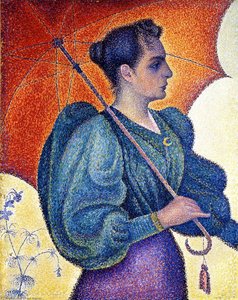
პოლ სინიაკი პორტრეტი

100 ყველაზე ცნობილი პოლ სინიაკი-ის ნახატი, თითოეული მათგანი უნიკალური

განახლდა ნოემბერი 2026 · დალაგებულია ჩვენი პოპულარობის ქულების მიხედვით (ძიება, ნახვა და შეკვეთები თითოეული ნამუშწაროსთვის) · 399 ნამუშევარი პოლ სინიაკი ჩვენს კატალოგში

მოკლედ რომ ვთქვათ

ტროპეზის ფოთლი (1909) არის პოლ სინიაკი-ის ის ნამუშწარო, რომელიც ყველაზე მეტ ყურადღებას იქცევს; ორიგინალი იმყოფება პუშკინის სახელმწიფო ხელოვნების მუზეუმი-ში, მოსკოვი. ამის შემდეგ, მზერა გადადის მისაღები (1887)-სა და ბულვარდის დ 克ლიში სეზონი (1886)-ზე. ჩვენს კატალოგში არსებული პოლ სინიაკი-ის 399 ნამუშწაროდან ეს 100 ყველაზე ცნობილია; თითოეული მათგანი წარმოადგენს უნიკალურ ორიგინალს, რომელიც წარმოდგენილია წელით, მუზეუმითა და იმ მიზეზით, რის გამოც ის დღემდე ცოცხლობს.

1863 – 1935, პარიზი Pointillism ყველაზე მეტი ნამشევრი: Musée d'Orsay

პოლ სინიაკი-ის 10 საუკეთესო ნამუშgeryო, გალერეის თcraftით

1
ტროპეზის ფოთლი (1909) ავტორის: პოლ სინიაკი

ტროპეზის ფოთლი

პოლ სინაკის "სენტ-ტროპეზის ფოთლი" (1909) არის არა მხოლოდ ხილვა, არამედ საგანმანათლებლო მოგზაურობა ხელოვნებაში და მეცნიერებაში. ეს ტილო, რომელიც დღეს Pushkin Museum-ში ინახება მოსკოვში, წარმოადგენს ფრანგული რივიერას სულისკვეთებას, გადატანილი კანვასზე მრავალი წვეთის საშუალებით. სინაკი, ერთად გეორგ სეურატთან, იყო ნეოიმპრესიონიზმის მოღვაწე, რომელიც ცდილობდა შეექმნა ხილული ჰარმონია მეცნიერული ფერის თეორიის საფუძველზე. "სენტ-ტროპეზის ფოთლი" ამ სწრაფვის შესანიშნავი მაგალითია.

2
მისაღები (1887) ავტორის: პოლ სინიაკი

მისაღები

1887 · ზეთი ტილოზე · კროლერ-მულერის მუზეუმი, ოტერლო

პოლ სიგნაკის 1887 წლის შედევრი, „საუზმე (სასადილო)“, უფრო მეტია, ვიდრე საოცარი აღწერა საოჯახო ცხოვრებისა; ეს არის ნეოიმპრესიონიზმის განვითარების გარდამტეხი ნამუშევარი და მომხიდარი ფანჯარა მე-19 საუკუნის ბოლოს საფრანგეთის სოციალურ დინამიკაში. ეს ტილო გვიწვევს, რომ შევიდეთ ბურჟუაზიული ოჯახის მშვიდ moments-ში, რომელიც შესრულებულია ზედმიწევნითი ტექნიკითა და სინათლისა და ფერის ღრმა გაგებით.

3
ბულვარდის დ 克ლიში სეზონი (1886) ავტორის: პოლ სინიაკი

ბულვარდის დ 克ლიში სეზონი

1886 · ზეთი ტილოზე · Minneapolis Institute of Art, Minneapolis

ზამთრის სიმშვიდე პარიზში პაულ სიგნაკის „ბულვარდი დე კლიში 1886“ მაყურებელს პარიზის ერთ-ერთ ყველაზე საკულტო ბულვარზე არსებულ მშვიდ ზამთრის სცენაში ეპატიჟება. ეს მომხიბვლელი ნამუშევარი აფიქსირებს თოვლიანი დღის წყნარ სილამაზეს და ქალაქის მზარდი დინამიკის შუაგულში სიმშვიდის მომენტს გვთავაზობს. კომპოზიცია და პერსპექტივა ნამუშევრის კომპოზიცია ოსტატურად არის დაბალანსებული, სადაც ცენტრალური აქცენტი თოვლით დაფარულ ქუჩაზეა გადატანილი, რაც მაყურებლის მზერას სცენის სიღრმეში ითრევს. სიგნაკი იყენებს 선პირს (linear perspective) სიღრმის შეგრძნების შესაქმნელად, რის შედეგადაც ბულვარი თითქოს შორს…

4
Two Cypresses, Mistral, Opus 241 (1893) ავტორის: პოლ სინიაკი

Two Cypresses, Mistral, Opus 241

1893 · ზეთი ტილოზე · კროლერ-მულერის მუზეუმი, ოტერლო

In the quiet halls of the Kröller-Müller Museum, there exists a window into a world where light does not merely fall upon objects but seems to vibrate from within them. Paul Signac’s Two Cypresses, Mistral, Opus 241, painted in 1893, is far more than a landscape; it is a rhythmic, breathing testament to the power of Neo-Impressionism. At first glance, the viewer is greeted by the commanding presence of two…

5
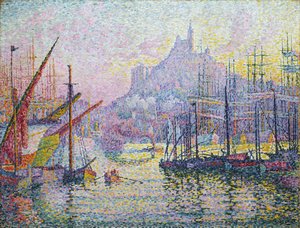
Notre-Dame-de-la-Garde (La Bonne-Mere), Marseilles (1906) ავტორის: პოლ სინიაკი

Notre-Dame-de-la-Garde (La Bonne-Mere), Marseilles

Paul Signac's "Notre-Dame-de-la-Garde (La Bonne-Mère), Marseilles," painted between 1905 and 1906, is more than just a depiction of a harbor scene; it’s an embodiment of the Neo-Impressionist philosophy – a deliberate exploration of light, color, and the very mechanics of perception. Housed within the Metropolitan Museum of Art in New York, this canvas pulsates with life, capturing not merely what the eye sees but how it *experiences* the vibrant energy…

6
Capo de Noli (1898) ავტორის: პოლ სინიაკი

Capo de Noli

1898 · Oil On Canvas · Wallraf-Richartz-Museum, კოლონია

In the pantheon of Neo-Impressionist masterpieces, few works capture the ethereal dance between science and soul quite like Paul Signac’s 1898 triumph, Capo di Noli. This breathtaking canvas is far more than a mere coastal landscape; it is a profound meditation on the Mediterranean spirit, rendered through a lens of meticulous optical precision. As the viewer’s gaze meets the sun-drenched shores of the Italian Riviera, they are immediately transported to…

7
Venice, The Pink Cloud (1909) ავტორის: პოლ სინიაკი

Venice, The Pink Cloud

1909 · Oil On Canvas · ალბერტინა, ვენა

Venice, The Pink Cloud is an oil on canvas painting created in 1909. The scene depicts a Venetian waterway featuring several boats floating on the water. The composition includes two large sailboats, one positioned in the foreground and another further back, both with their sails raised. Additionally, smaller boats are scattered throughout the image, including one near the center and others toward the right side. A person is visible in…

8
Steamboats, Rotterdam (1906) ავტორის: პოლ სინიაკი

Steamboats, Rotterdam

To stand before Paul Signac's depiction of Steamboats in Rotterdam is to be enveloped by a moment suspended between industry and profound tranquility. This painting, executed in 1906, does more than merely record a harbor scene; it captures the very essence of light interacting with water and man-made structures. The overall impression is one of vibrant, almost shimmering energy, yet this dynamism is anchored by an underlying sense of deep…

10
The Port at Sunset, Saint-Tropez, Opus 236 (1892) ავტორის: პოლ სინიაკი

The Port at Sunset, Saint-Tropez, Opus 236

1892 · Oil On Canvas · Museum Barberini, პოტსდამი

Paul Signac’s “The Port at Sunset, Saint-Tropez, Opus 236” is more than a picturesque depiction of a Mediterranean harbor; it's a meticulously crafted meditation on light, color, and the restorative power of nature. Painted in 1892, this oil on canvas embodies the fervent spirit of Post-Impressionism, a movement born from a desire to transcend mere representation and delve into the very essence of visual experience. Created during a pivotal moment…

პოლ სინიაკი-ის ცნობილი ნამუშევრები, 11-დან 100-მდე ნომრებით

11Le Pont des Arts ავტორის: პოლ სინიაკიLe Pont des ArtsFolkwang-ის მუზეუმი 12The River Bank, Petit-Andely (also known as Riverbank, Les Andelys) - Paul Signac (2026) ავტორის: პოლ სინიაკიThe River Bank, Petit-Andely (also known as Riverbank, Les Andelys) - Paul Signac2026 13La Voile verte (1904) ავტორის: პოლ სინიაკიLa Voile verte1904 14Le Corne d'Or, Le Pont (1907) ავტორის: პოლ სინიაკიLe Corne d'Or, Le Pont1907 15Woman at her toilette wearing a purple corset (1893) ავტორის: პოლ სინიაკიWoman at her toilette wearing a purple corset1893 16L'Hirondelle Steamer on the Seine (1901) ავტორის: პოლ სინიაკიL'Hirondelle Steamer on the Seine1901 · National Gallery Prague 17Evening, Avignon (Château des Papes) (1909) ავტორის: პოლ სინიაკიEvening, Avignon (Château des Papes)1909 · Musée d'Orsay 18Sunset, Herblay, Opus 206 (1889) ავტორის: პოლ სინიაკიSunset, Herblay, Opus 2061889 · გლაზგოს სახელოვნებო გალერეა და მუზეუმი 19Sisteron (1902) ავტორის: პოლ სინიაკიSisteron1902 20Houses in the Port, Saint-Tropez, Opus 237 (1892) ავტორის: პოლ სინიაკიHouses in the Port, Saint-Tropez, Opus 2371892 21La Rochelle, Sortie du Port (2000) ავტორის: პოლ სინიაკიLa Rochelle, Sortie du Port2000 · ჯოჰანესბურგის სახელოვნების გალერეა 22The Pink Cloud, Antibes (1916) ავტორის: პოლ სინიაკიThe Pink Cloud, Antibes1916 · პორტლენდის ხელოვნების მუზეუმი 23Regattas on the Seine (1885) ავტორის: პოლ სინიაკიRegattas on the Seine1885 24The Portrait of Maximilien Luce (1891) ავტორის: პოლ სინიაკიThe Portrait of Maximilien Luce1891 25Evening Calm, Concarneau, Opus 220 (Allegro Maestoso) (1891) ავტორის: პოლ სინიაკიEvening Calm, Concarneau, Opus 220 (Allegro Maestoso)1891 · მეტროპოლიტენის ხელოვნების მუზეუმი 26Gate, St.Tropez (1896) ავტორის: პოლ სინიაკიGate, St.Tropez1896 · რუმინეთის ეროვნული სახელოვნებო მუზეუმი 27Antibes, the towers (1911) ავტორის: პოლ სინიაკიAntibes, the towers1911 · ალბერტინა 28In the Time of Harmony (small) (1907) ავტორის: პოლ სინიაკიIn the Time of Harmony (small)1907 29Les Andelys (1923) ავტორის: პოლ სინიაკიLes Andelys1923 30The Pont Royal with the Gare d'Orsay, Paris (1929) ავტორის: პოლ სინიაკიThe Pont Royal with the Gare d'Orsay, Paris1929 31Fog, Herblay, Opus 208 (1889) ავტორის: პოლ სინიაკიFog, Herblay, Opus 2081889 · Musée d'Orsay 32Concarneau (study) (1891) ავტორის: პოლ სინიაკიConcarneau (study)1891 33Castellane (1902) ავტორის: პოლ სინიაკიCastellane1902 34Port of La Rochelle (1921) ავტორის: პოლ სინიაკიPort of La Rochelle1921 · Musée d'Orsay 35The Velodrome (1899) ავტორის: პოლ სინიაკიThe Velodrome1899 36Port of Saint-Cast (1890) ავტორის: პოლ სინიაკიPort of Saint-Cast1890 · ბოსტონის fine arts-ის მუზეუმი 37Women by the Well III (1892) ავტორის: პოლ სინიაკიWomen by the Well III1892 · Musée d'Orsay 38Still LIfe with a Book and Oranges (1885) ავტორის: პოლ სინიაკიStill LIfe with a Book and Oranges1885 · Alte Nationalgalerie 39St. Tropez ავტორის: პოლ სინიაკიSt. Tropez 40Woman on the Terrace ავტორის: პოლ სინიაკიWoman on the TerraceNational Gallery of Ireland 41The Road to Gennevilliers (1883) ავტორის: პოლ სინიაკიThe Road to Gennevilliers1883 · Musée d'Orsay 42The Jetty, Cassis, Opus 198 (1889) ავტორის: პოლ სინიაკიThe Jetty, Cassis, Opus 1981889 · მეტროპოლიტენის ხელოვნების მუზეუმი 43The Junction at Bois-Columbes (1886) ავტორის: პოლ სინიაკიThe Junction at Bois-Columbes1886 · ვან გოგის მუზეუმი 44The Lighthouse, Saint-Tropez (1895) ავტორის: პოლ სინიაკიThe Lighthouse, Saint-Tropez1895 45Marseille, an Old Port (1906) ავტორის: პოლ სინიაკიMarseille, an Old Port1906 46Les Andelys (1923) ავტორის: პოლ სინიაკიLes Andelys1923 47Marseille (1906) ავტორის: პოლ სინიაკიMarseille1906 48Women by the Well I (1892) ავტორის: პოლ სინიაკიWomen by the Well I1892 · Musée d'Orsay 49Blessing of the Tuna Fleet at Groix (1923) ავტორის: პოლ სინიაკიBlessing of the Tuna Fleet at Groix1923 · Minneapolis Institute of Art 50Ile de la Cite, Paris ავტორის: პოლ სინიაკიIle de la Cite, Paris 51Avant Du Tub ავტორის: პოლ სინიაკიAvant Du Tub 52Istanbul ავტორის: პოლ სინიაკიIstanbul 53Carnival at Nice ავტორის: პოლ სინიაკიCarnival at Nice 54Portrieux, Brittany ავტორის: პოლ სინიაკიPortrieux, Brittany 55Study for Venice, Morning (1908) ავტორის: პოლ სინიაკიStudy for Venice, Morning1908 56Comblat and the valley of the Cere ავტორის: პოლ სინიაკიComblat and the valley of the Cere 57The Look at Montauban in rain (1922) ავტორის: პოლ სინიაკიThe Look at Montauban in rain1922 58Saint-Anne (Saint-Tropez) (1905) ავტორის: პოლ სინიაკიSaint-Anne (Saint-Tropez)1905 59Woman with Parasol, Opus 243 (also known as Portrait of Berthe Signac) (1893) ავტორის: პოლ სინიაკიWoman with Parasol, Opus 243 (also known as Portrait of Berthe Signac)1893 · Musée d'Orsay 60Fecamp, Sunshine (1886) ავტორის: პოლ სინიაკიFecamp, Sunshine1886 61The Seine near Courbevoie - River Landscape (1883) ავტორის: პოლ სინიაკიThe Seine near Courbevoie - River Landscape1883 · Wallraf-Richartz-Museum 62Port-en-Bessin. 14th July (1884) ავტორის: პოლ სინიაკიPort-en-Bessin. 14th July1884 · Saarland Museum 63Coal Crane, Clichy (1884) ავტორის: პოლ სინიაკიCoal Crane, Clichy1884 · Kelvingrove Art Gallery and Museum 64Asnières, Bank of the Seine (1885) ავტორის: პოლ სინიაკიAsnières, Bank of the Seine1885 · Museum of Modern Art, Saitama 65View of the Port, Saint-Briac (1885) ავტორის: პოლ სინიაკიView of the Port, Saint-Briac1885 · Museum Boijmans Van Beuningen 66Montmartre Study: Studio (1883) ავტორის: პოლ სინიაკიMontmartre Study: Studio1883 67The Red Stocking (1883) ავტორის: პოლ სინიაკიThe Red Stocking1883 68The Fish Market, Port-en-Bessin (1884) ავტორის: პოლ სინიაკიThe Fish Market, Port-en-Bessin1884 69Rue Vercingetorix (1885) ავტორის: პოლ სინიაკიRue Vercingetorix1885 70The Milliners (1885) ავტორის: პოლ სინიაკიThe Milliners1885 71Still Northwest Breeze, Saint-Briac (1885) ავტორის: პოლ სინიაკიStill Northwest Breeze, Saint-Briac1885 72The Gas Tanks at Clichy (1885) ავტორის: პოლ სინიაკიThe Gas Tanks at Clichy1885 73Port-en-Bessin, the Old Tower (1884) ავტორის: პოლ სინიაკიPort-en-Bessin, the Old Tower1884 74Port en Bessin, the Beach (1883) ავტორის: პოლ სინიაკიPort en Bessin, the Beach1883 · Museum Barberini 75Saint Briac, Courtyard of the Ville Hue (1885) ავტორის: პოლ სინიაკიSaint Briac, Courtyard of the Ville Hue1885 76Port en Bessin, a Cliff (1883) ავტორის: პოლ სინიაკიPort en Bessin, a Cliff1883 77Rue Caulaincourt. Mills on Montmarte (1884) ავტორის: პოლ სინიაკიRue Caulaincourt. Mills on Montmarte1884 78The Haystack (1882) ავტორის: პოლ სინიაკიThe Haystack1882 79Gouverlo, Portrieux (1888) ავტორის: პოლ სინიაკიGouverlo, Portrieux1888 · हिरोෂიმას ხელოვნების მუზეუმი 80Saint-Briac, La garde Guérin, Saint-Lunaire (1890) ავტორის: პოლ სინიაკიSaint-Briac, La garde Guérin, Saint-Lunaire1890 · Arp Museum Bahnhof Rolandseck 81Quay at Clichy, Sun (1887) ავტორის: პოლ სინიაკიQuay at Clichy, Sun1887 · ბალტიმორის სახელოვნებო მუზეუმი 82Portrieux, The Bathing Cabins, Opus 185 (Beach of the Countess) (1888) ავტორის: პოლ სინიაკიPortrieux, The Bathing Cabins, Opus 185 (Beach of the Countess)1888 · ნელსონ-ატკინსონის სახელობის ხელოვნების მუზეუმი 83The Château Gaillard, View from My Window, Petit-Andely (1886) ავტორის: პოლ სინიაკიThe Château Gaillard, View from My Window, Petit-Andely1886 · ნელსონ-ატკინსონის სახელობის ხელოვნების მუზეუმი 84Women by the Well II (1892) ავტორის: პოლ სინიაკიWomen by the Well II1892 · Musée d'Orsay 85Portrieux, The jetty, grey weather (1888) ავტორის: პოლ სინიაკიPortrieux, The jetty, grey weather1888 · კროლერ-მულერის მუზეუმი 86Portrieux, the lighthouse (1888) ავტორის: პოლ სინიაკიPortrieux, the lighthouse1888 · კროლერ-მულერის მუზეუმი 87View of Collioure (1887) ავტორის: პოლ სინიაკიView of Collioure1887 · კროლერ-მულერის მუზეუმი 88Port of Saint-Cast (1890) ავტორის: პოლ სინიაკიPort of Saint-Cast1890 · ბოსტონის fine arts-ის მუზეუმი 89View of the Seine at Herblay (1889) ავტორის: პოლ სინიაკიView of the Seine at Herblay1889 · ბოსტონის fine arts-ის მუზეუმი 90The Seine at Les Andelys (1886) ავტორის: პოლ სინიაკიThe Seine at Les Andelys1886 · ნორტონ სიმონის მუზეუმი 91The Ponton de la Félicité at Asnières (1886) ავტორის: პოლ სინიაკიThe Ponton de la Félicité at Asnières1886 · ვან გოგის მუზეუმი 92Quai de Clichy. Temps gris (1887) ავტორის: პოლ სინიაკიQuai de Clichy. Temps gris1887 · კუნსტმუზეუმ ბერნი 93Railway junction near Bois Colombes (1886) ავტორის: პოლ სინიაკიRailway junction near Bois Colombes1886 94Woman Reading (1887) ავტორის: პოლ სინიაკიWoman Reading1887 · Musée d'Orsay 95Stern of the Boat, Opus 175 (1888) ავტორის: პოლ სინიაკიStern of the Boat, Opus 1751888 96The Masts, Portrieux, Opus 182 (1888) ავტორის: პოლ სინიაკიThe Masts, Portrieux, Opus 1821888 97The Riverbank, Herblay, Opus 204 (1889) ავტორის: პოლ სინიაკიThe Riverbank, Herblay, Opus 2041889 98Morning Calm, Concarneau, Opus 219 (Larghetto) (1891) ავტორის: პოლ სინიაკიMorning Calm, Concarneau, Opus 219 (Larghetto)1891 99Cap Canaille, Cassis, Opus 200 (1889) ავტორის: პოლ სინიაკიCap Canaille, Cassis, Opus 2001889 100The Swell, Portrieux, Opus 190 (1888) ავტორის: პოლ სინიაკიThe Swell, Portrieux, Opus 1901888 · შტატგალერი შტუტგარტი

პოლ სინიაკი-ის ცნობილი სურათები, პერიოდების მიხედვით

სუბიექტები, რომლებმაც პოლ სინიაკი-ის ყურადღება მიიპყრო

ამ ორიგინალებში ყველაზე ხშირად განმეორებადი არის 네 თემა, რომელთაგან თითოეულს თავისი საუკეთესო ნიმუში წარმოგვიდგება.

მუზეუმები, სადაც პოლ სინიაკი-ის ორიგინალები ინახება

ამ გვერდზე წარმოდგენილი მხატვრობის შედეგების უმეტესობას 8 მუზეუმი ინახავს.

მუზეუმი ქალაქი პოლ სინიაკი შემოქმედებაలు ამ სიიდან მოპოვებული ნახატები
Musée d'Orsay, პარიზიMusée d'Orsay პარიზი 19 Evening, Avignon (Château des Papes), Fog, Herblay, Opus 208, Port of La Rochelle
კროლერ-მულერის მუზეუმი, ოტერლოკროლერ-მულერის მუზეუმი ოტერლო 10 მისაღები, Two Cypresses, Mistral, Opus 241, Portrieux, The jetty, grey weather
მეტროპოლიტენის ხელოვნების მუზეუმი, ნიუ-იორკიმეტროპოლიტენის ხელოვნების მუზეუმი ნიუ-იორკი 7 Notre-Dame-de-la-Garde (La Bonne-Mere), Marseilles, Evening Calm, Concarneau, Opus 220 (Allegro Maestoso), The Jetty, Cassis, Opus 198
ბოსტონის fine arts-ის მუზეუმი, ბოსტონიბოსტონის fine arts-ის მუზეუმი ბოსტონი 4 Port of Saint-Cast, Port of Saint-Cast, View of the Seine at Herblay
Wallraf-Richartz-Museum, კოლონიაWallraf-Richartz-Museum კოლონია 5 Capo de Noli, The Seine near Courbevoie - River Landscape
ალბერტინა, ვენაალბერტინა ვენა 4 Venice, The Pink Cloud, Antibes, the towers
Museum Barberini, პოტსდამიMuseum Barberini პოტსდამი 4 The Port at Sunset, Saint-Tropez, Opus 236, Port en Bessin, the Beach
Minneapolis Institute of Art, MinneapolisMinneapolis Institute of Art Minneapolis 2 ბულვარდის დ 克ლიში სეზონი, Blessing of the Tuna Fleet at Groix

პოლ სინიაკი ათწლეულების განმავლობაში: თითოეულ დეკადესთვის ერთი უნიკალური ორიგინალი

ნამუშევრები ათწლეულების მიხედვით

შეარჩიეთ ათწლეული, რათა ნახოთ ის ორიგინალი ნამუშევარი, რომელიც მას განსაზღვრავს.

პოლ სინიაკი-ის ნახატები: კითხვები გალერეისთვის

რა არის პოლ სინიაკი-ის ყველაზე ცნობილი ნამუშწარებიდან ერთერთი?გაამჟღავნეთ პასუხი

ტროპეზის ფოთლი (1909), პუშკინის სახელმწიფო ხელოვნების მუზეუმი, მოსკოვი. შემდეგ მოდიან მისაღები (1887) და ბულვარდის დ 克ლიში სეზონი (1886).

რა ასაკში შექმნა პოლ სინიაკი-მა ტროპეზის ფოთლი?გაამჟღავნეთ პასუხი

46 წლის: ტროპეზის ფოთლი შექმნილია 1909 წელს, ხოლო პოლ სინიაკი დაიბადა 1863 წელს.

პოლ სინიაკი-ის რომელი 열ათმე ნახატია ყველაზე ცნობილი?გაამჟღავნეთ პასუხი

ტროპეზის ფოთლი, მისაღები, ბულვარდის დ 克ლიში სეზონი, Two Cypresses, Mistral, Opus 241, Notre-Dame-de-la-Garde (La Bonne-Mere), Marseilles, Capo de Noli, Venice, The Pink Cloud, Steamboats, Rotterdam, The Tuna Boats, Groix და The Port at Sunset, Saint-Tropez, Opus 236. ზემოთ მოცემული რეიტინგი ასახავს თითოეულის შემოქმედების წელსა და მუზეუმს.

რამდენი ნამუშწარებია ცნობილი პოლ სინიაკი-ის შემოქმედებიდან?გაამჟღავნეთ პასუხი

ჩვენს კატალოგში წარმოდგენილია 399 ნამუშწევრი პოლ სინიაკი-ისგან, დათარიღებული 1882-დან 1929-მდე.

სად შეიძლება ყველაზე ცნობილი პოლ სინიაკი-ის ორიგინალების ნახვა?გაამჟღავნეთ პასუხი

ძირითადად Musée d'Orsay (პარიზი), კროლერ-მულერის მუზეუმი (ოტერლო) და მეტროპოლიტენის ხელოვნების მუზეუმი (ნიუ-იორკი)-ში. ზემოთ მოცემულ მუზეუმების ცხრილში ისინი ყველა listed.

რა პერიოდში შექმნა პოლ სინიაკი-მა ყველაზე ცნობილი სურათები?გაამჟღავნეთ პასუხი

1880s-ში: ამ გვერდზე წარმოდგენილი 100 ნამუშწარwerksიდან 46 შეიქმნა მაშინ, მათგან მისაღები.

რომელი ცნობილი პოლ სინიაკი ტილოა ყველაზე ადრეული და რომელი — ყველაზე გვიანდელი?გაამჟღავნეთ პასუხი

ამ გვერდზე ყველაზე ადრეული არის The Haystack (1882), ხოლო ყველაზე გვიანდელი — The Tuna Boats, Groix (1929).

რა თემებს ანიჭებდა უპირატესობას პოლ სინიაკი?გაამჟღავნეთ პასუხი

Boats (17), Color theory (12) და Landscape (10), ამ გვერდზე წარმოდგენილ 100 ნამუშწარეს შორის.

რა მასალებით ხატავდა ყველაზე ხშირად პოლ სინიაკი?გაამჟღავნეთ პასუხი

Oil On Canvas, ამ გვერდზე არსებული 100 ნამუშწაროსგან 30 ცალიდან.

პოლ სინიაკი-ის შემოქმედება რომელ მიმდინარეობას მიეკუთვნება?გაამჟღავნეთ პასუხი

Pointillism და Post-impressionism, ამ გვერდზე წარმოდგენილი ორიგინალების მიხედვით.

რა პოლ სინიაკი-ის ორიგინალების ნახვა შემიძლია Musée d'Orsay-ში?გაამჟღავნეთ პასუხი

Evening, Avignon (Château des Papes), Fog, Herblay, Opus 208 და Port of La Rochelle: Musée d'Orsay, პარიზი-ში წარმოდგენილია ამ გვერდზე მოცემული ნამუშევრების 9 ცალი.

პოლ სინიაკი: მხატვრის პორტრეტი

The Life and Identity of Paul Signac

Born in Paris on 11 November 1863, Paul Signac entered a world that was beginning to shift under the weight of new visual ideas. He was the son of Jules Jean-Baptiste Signac and Héloïse Anaïs-Eugénie Deudon, a family that provided the foundation for a life dedicated to the pursuit of light. While his parents once envisioned a different path for him, the pull of the canvas proved stronger than any other calling. He would eventually become a central figure in the Neo-Impressionist movement, a man whose very identity was tied to the way color and light interacted upon a surface.

His existence was marked by a deep connection to the sea and the shifting colors of the coast. He was a sailor at heart, a man who found his true rhythm amidst the waves and the sun-drenched harbors of the Mediterranean. This love for the water was not merely a hobby but a way of seeing the world, one that he translated into his paintings through a disciplined, almost scientific application of pigment. He sought to find order within the chaos of light, using his brushes to reconstruct the world through a meticulous, rhythmic method.

By the time he passed away in 1935 at the age of 72, he had left behind a body of work that challenged the traditional boundaries of how we perceive color. His life was a long, steady pursuit of a specific kind of harmony, one that sought to marry the precision of science with the deep feelings of the artist. He lived through a period of immense change, remaining a steadfast advocate for his chosen methods until his final days in Paris.

Early Life, Family and Training

Born in Paris, the young Signac grew up in a household shaped by the commerce of the city. His father managed a shop on the Rue Frochot, where he sold luxury horse saddles and harnesses to a discerning clientele. This environment of craftsmanship and material detail provided a backdrop to a childhood that would soon shift toward the artistic heart of the capital. As his family moved into the Montmartre area, the boy found himself immersed in an urban center teeming with creative energy and the evolving spirit of the age.

His early education was marked by a structured interest in form and construction. He spent his time studying architecture at the Collège Rollin in Montmartre until 1880. This training in the logic of space and structure would linger in his mind long after he turned his attention toward the canvas. By 1882, his path led him to the École des Arts-Décoratifs in Paris, where he sought to refine his technical abilities. It was during these formative years that the pull of the Seine and the light of the outdoors began to compete with the rigid lines of his architectural studies.

The Development of Neo-Impressionism

The seeds of Signac's transformation were sown during a visit to an exhibition in 1880, where the works of Claude Monet left a lasting impression upon him. This encounter stirred a curiosity that would eventually lead him away from the fleeting impressions of his youth toward a more structured way of seeing. By 1884, his path crossed with Georges Seurat, a meeting that would alter the course of his life and the history of painting. Together, they sought to move beyond the spontaneous brushwork of their predecessors, looking instead toward a method that combined art with the logic of light.

This partnership focused on the development of Pointillism, a technique where tiny, distinct dots of pure color were applied to the canvas. They believed that by placing these dots side by side, the eye of the viewer would perform the work of mixing them, creating a luminosity that traditional blending could not achieve. While Seurat provided much of the initial theoretical weight, Signac became the movement's most vital voice. Following the death of his collaborator in 1891, Signac emerged as the principal spokesman for Divisionism, ensuring that their scientific approach to color and light would endure and influence the generations that followed.

Technique and the Science of Color

Signac sought to bring a sense of order to the canvas, treating the act of painting as a rigorous investigation into how the human eye perceives light. He moved away from the traditional method of mixing pigments on a palette, which he believed could dull the true intensity of color. Instead, he adopted a technique known as Pointillism, or Divisionism, where he applied tiny, distinct dots of pure color directly onto the surface. By placing complementary colors side by side, he relied on the viewer's own eye to perform the optical blending, creating a shimmering effect that felt more alive than a pre-mixed hue. This was a disciplined, almost mathematical approach to the canvas.

His commitment to these principles was not merely a matter of habit but a deeply held intellectual conviction. He spent years studying the scientific laws of light and color, seeking to ground his art in the truths of physics. In 1899, he articulated these complex theories in his writing, From Eugène Delacroix to Neo-Impressionism. Through his work, he demonstrated that the artist could achieve a new kind of luminosity by respecting the purity of each pigment. As his career progressed, his application of these dots became more fluid and expressive, yet he never abandoned the fundamental science that governed his vision.

Artistic Activity in Paris and Asnières

The streets of Paris in the mid-1880s offered a restless energy that pulled Signac toward new ways of seeing. In 1886, he participated in the 8th Impressionist exhibition, contributing eighteen works that largely focused on city views and seascapes. His style at this time was caught in a transition, blending the loose, rapid brushstrokes of the Impressionists with the emerging, more disciplined application of color that would soon define his reputation. It was during this period of intense experimentation that he encountered Vincent van Gogh. The two men found a shared language in the light of the French landscape, and by 1887, they began to frequent Asnières-sur-Seine together. In the quietude of the riverbanks, they sought to capture the shifting atmosphere of the outskirts of the capital.

As his ideas matured, Signac moved closer to the radical theories of his contemporaries. He found himself standing alongside figures such as Degas, Pissarro, Gauguin, and Seurat during the IX Impressionist Exhibition. These gatherings were more than mere social meetings; they were the crucibles where the future of modern painting was forged. While his early years were marked by a fascination with the river landscapes of the Seine, his time in Asnières allowed him to refine the rhythmic, mosaic-like application of paint that would eventually move away from the fleeting impressions of the past toward a more structured, scientific harmony.

Coastal Life and the Mediterranean

The pull of the sea eventually drew the artist away from the urban landscapes of the north. In 1892, he sailed the Garonne River southeast through France, seeking the light of the Mediterranean Sea. He dropped anchor in Saint-Tropez aboard his yacht, the Olympia, and found there a landscape that would become a major theme across his paintings. The shimmering waters and sun-drenched harbors offered a new rhythm for his brush, far removed from the riverbanks of the Seine.

He found such deep inspiration in this southern light that he established a home in Saint-Tropez. This coastal retreat became a sanctuary where he could observe the interplay of color and tide. His technique began to change as he moved through these maritime settings; the strict, meticulous dots of his earlier years gradually gave way to a more fluid and expressive application of paint. The movement of the waves and the brightness of the Mediterranean air encouraged a broader palette and a more spontaneous touch.

Key Works of the Artist

In the early years of his experimentation, Signac sought to capture the pulse of the city through a rigorous, scientific lens. His 1886 work, Boulevard de Clichy, captures a winter scene in Paris, where the snowy boulevard is rendered through the meticulous application of small dots of pure color. This approach allowed him to translate the urban landscape into a rhythmic arrangement of light and shadow. By 1887, his focus shifted toward the quietude of domestic life. In Breakfast (The Dining Room), he applied thousands of tiny, distinct points of color to a scene of Belle Époque elegance, where sunlight streams through a window to illuminate a breakfast table with a vibrating energy.

As his life moved toward the sea, his brushwork began to change, finding a new freedom in the light of the south. The 1895 painting The Red Buoy, Saint-Tropez demonstrates this evolution, using his mastery of Pointillism to catch the dynamic energy of the Mediterranean coast. The colors in these maritime scenes became more fluid and expressive, moving away from the strict, tiny dots of his earlier years toward a broader, more mosaic-like touch. Even when turning his attention to the people around him, his technique remained precise. His 1890 Portrait of Felix Feneon used this meticulous construction to explore light and color, presenting the subject with a clarity born from his revolutionary method.

Leadership and the Avant-Garde

Beyond the quietude of his coastal studies, Signac moved through the social circles of Paris with a firm sense of purpose. He was a well known Anarchist, a conviction that mirrored his desire to break away from the rigid, established structures of the art world. This spirit of rebellion found a practical outlet through his leadership within the Société des Artistes Indépendants. He held the presidency of this influential group from 1908 until his death in 1935, ensuring that the spirit of independence remained a guiding force for those who sought to challenge the status quo.

His influence extended far beyond his own canvases, as he acted as a patron for those who dared to experiment. He possessed a keen eye for the new, recognizing the potential in the radical shifts of the coming century. By providing a platform for emerging talents, he helped foster the rise of movements that would change the course of modern art. He was among the first to offer his support to the pioneers of Fauvism and Cubism, welcoming their departures from tradition. Through his guidance, artists like Henri Matisse and André Derain found the space necessary to develop their own unique visions.

Legacy and Influence on Modern Art

The ripples of Signac’s experiments with light and color reached far beyond the quiet harbors of the Mediterranean. He acted as a bridge between the structured theories of the late nineteenth century and the explosive freedom of the next. By championing the idea that color could be applied with a rhythmic, almost musical intensity, he provided a foundation for those who sought to break away from traditional representation. His presence in the art world was felt not only through his brush but through his intellect, as he became a leading figure who helped define the direction of modern expression.

This influence was particularly evident in the emergence of Fauvism. Signac’s approach to the canvas inspired artists like Henri Matisse and André Derain, who would later push the boundaries of color even further. He showed that the way an artist handles pigment can change the very way a viewer perceives reality. His commitment to the evolution of new styles ensured that his ideas remained a vital part of the artistic conversation, influencing a whole generation of painters who looked to his work to understand the potential of pure hue and light.

Where to See the Works Today

To witness the light that Signac so carefully studied, one must travel to the great halls of Paris. The Musée d'Orsay holds nine of his works, offering a significant gathering of his vision. It is there that the meticulous application of color becomes most apparent to the observer. In the same city, other treasures can be found, though the largest concentration remains in the French capital.

Across the Atlantic, the Metropolitan Museum of Art in New York preserves five of his paintings, allowing those in the Americas to encounter his specific method of optical mixing. The reach of his influence extends even further, finding its way to the Kröller-Müller Museum in Otterlo, which maintains four of his pieces. These works allow us to see how his style evolved from the strict dots of his early years toward a more fluid touch.

The presence of his art is truly global, reaching as far as the National Gallery of Victoria in Melbourne, where two of his works reside. These scattered collections ensure that his experiments with light and color remain accessible to those seeking to understand the science of his brushwork. Some of the specific pieces held in these various institutions include: