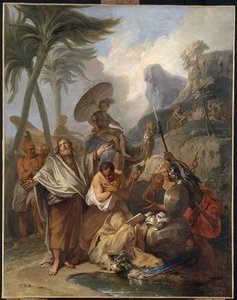
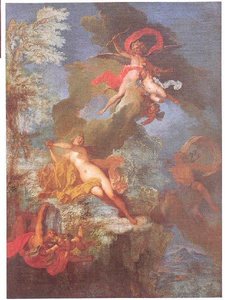
ნიკოლა ბერტინი პორტრეტი

42 ყველაზე ცნობილი ნიკოლა ბერტინი-ის ნახატი, გალერეის შერჩეული კოლექცია

განახლდა ოქტომბერი 2026 · დალაგებულია ჩვენი პოპულარობის ქულების მიხედვით (ძიება, ნახვა და შეკვეთები თითოეული ნამუშწაროსთვის) · 43 ნამუშევარი ნიკოლა ბერტინი ჩვენს კატალოგში

მოკლედ რომ ვთქვათ

ნიკოლა ბერტინი-ის ყველა დატოვებული ორიგინალიდან ყველაზე ცნობილია The Good Samaritan (1701), რომელიც მუნხენი-ში მდებარე ბავარიის სახელმწიფო ფერწერის კოლექციები-ის კოლექციაშია. მისდაក្រោយ Christ and the Canaanite Woman (1701) და Christ and the Samaritan Woman (1701) მოდიან. ჩვენს კატალოგში ნიკოლა ბერტინი-ის 43 ნამუშწარებია; გალერეამ შეინافظა ის 42 ნამუშწარო, რომლებსაც მსოფლიო ყველაზე მეტად აღიარებს, რომელთაგან თითოეული წარმოდგენილია თვის, მუზეუმისა და ისტორიის თანხლებით.

1667 – 1736, პარიზი Baroque ყველაზე მეტი ნამشევრი: ბავარიის სახელმწიფო ფერწერის კოლექციები

ნიკოლა ბერტინი-ის 10 საუკეთესო ნამუშgeryო: გალერეის არჩევანი

1
The Good Samaritan (1701) ავტორის: ნიკოლა ბერტინი

The Good Samaritan

This monochromatic painting, dated 1701, depicts a scene from the biblical parable of the Good Samaritan. The composition centers on a man assisting an injured individual onto a horse. To the left, a stone archway provides a structured architectural element, while the background is filled with the dense, detailed textures of foliage and trees. The entire work is rendered in a grayscale palette, utilizing a wide range of tonal values…

2
Christ and the Canaanite Woman (1701) ავტორის: ნიკოლა ბერტინი

Christ and the Canaanite Woman

The oil painting titled Christ and the Canaanite Woman was executed by the French painter Nicolas Bertin. This work dates to 1701. The artist, who was born in Paris in 1667, lived until 1736. His hand is evident in the specific handling of the figures and the narrative structure presented in this composition.

3
Christ and the Samaritan Woman (1701) ავტორის: ნიკოლა ბერტინი

Christ and the Samaritan Woman

In this 1701 oil painting, two figures are positioned within a wooded landscape near a stone well. Christ is depicted with an outstretched arm, a gesture directed toward the Samaritan woman. She reacts to his presence with a specific hand gesture, creating a diagonal tension between their bodies. The composition follows a triangular arrangement, guiding the eye from the seated or leaning figure of Christ toward the woman and then…

4
Hercules Delivering Prometheus (1703) ავტორის: ნიკოლა ბერტინი

Hercules Delivering Prometheus

1703 · Oil On Canvas

A heavy, muscular tension pulls at the center of the canvas. Hercules moves with a sudden, diagonal force, his body a study in strained anatomy and heroic intent. He reaches toward Prometheus, whose torso is pale against the encroaching shadows of the rocky landscape. The scene is a collision of flesh and stone, a moment of violent rescue frozen in oil. Red drapery cuts through the earthy browns of the…

5
Saint Gregory the Great (1707) ავტორის: ნიკოლა ბერტინი

Saint Gregory the Great

1707 · Oil

In this intimate oil painting, we encounter Saint Gregory the Great, a figure of profound spiritual weight. The portrait, executed by the French painter Nicolas Bertin, captures the subject in a moment of quiet, upward contemplation. It is a work that invites a closer look at the individual's character and the divine connection suggested by his expression.

6
Venus Orders Vulcan to Make Arms for Aeneas (1704) ავტორის: ნიკოლა ბერტინი

Venus Orders Vulcan to Make Arms for Aeneas

1704 · Oil · Opera House, Versailles

The scene unfolds within a rugged, outdoor workshop or grotto, where heavy textures define the rocky background and the foliage of large trees. In the center-left, Venus is depicted as a luminous, seated figure, her body angled as she gestures toward Vulcan. Vulcan is positioned with his back to the viewer, his muscular frame leaning over an anvil as he engages in his craft. The arrangement of the figures follows…

7
Hercules fighting Achelous. (1710) ავტორის: ნიკოლა ბერტინი

Hercules fighting Achelous.

The canvas captures a violent collision between the hero Hercules and the river god Achelous. Two muscular male figures dominate the foreground, locked in a physical struggle that defines the composition. Their limbs form energetic, diagonal lines, guiding the eye through the chaos of the combat. Above the fray, a winged female figure floats amidst the clouds, holding a laurel wreath as a symbol of divine oversight or impending triumph.…

8
Bacchanalia. (1710) ავტორის: ნიკოლა ბერტინი

Bacchanalia.

Nicolas Bertin’s Bacchanalia. presents a scene of exuberant revelry set within a dark, cavernous environment. The composition is dynamic, centering on a group of figures engaged in celebration. On the left, a male figure is captured in mid-motion, his back partially turned to the viewer as he raises a golden goblet toward the others. To the right, three figures—two women and a man—recline together upon a draped surface. The arrangement…

9
Hercules Delivering Prometheus (1703) ავტორის: ნიკოლა ბერტინი

Hercules Delivering Prometheus

1703 · Oil On Canvas · Birmingham Museum of Art, Birmingham

A heavy, muscular tension pulls the eye upward. Hercules moves in a powerful diagonal, his body a study of strained anatomy and light. He reaches toward the suffering figure of Prometheus, whose flesh is pale against the dark, craggy shadows of the rock. The air feels thick with the scent of dust and the heat of a struggle. Every muscle is a knot of effort, carved by light that strikes…

10
The Infant Zeus among Nymphs (1710) ავტორის: ნიკოლა ბერტინი

The Infant Zeus among Nymphs

The Infant Zeus among Nymphs by Nicolas Bertin depicts a mythological scene set within a lush, pastoral landscape. The composition is organized in a dynamic, pyramidal structure that directs the viewer's eye toward the center of the grouping. At this focal point, an infant Zeus is surrounded by a group of nymphs. These figures are positioned in various poses of movement and service, creating a sense of activity within the…

ნიკოლა ბერტინი-ის შერჩევა გრძელდება, 11-დან 42-მდე

11Bacchus with Four Putti (1716) ავტორის: ნიკოლა ბერტინიBacchus with Four Putti1716 · ბავარიის სახელმწიფო ფერწერის კოლექციები 12Saturn Clipping the Wings of Eros (1716) ავტორის: ნიკოლა ბერტინიSaturn Clipping the Wings of Eros1716 · ბავარიის სახელმწიფო ფერწერის კოლექციები 13Amor Leaves Psyche (1716) ავტორის: ნიკოლა ბერტინიAmor Leaves Psyche1716 · ბავარიის სახელმწიფო ფერწერის კოლექციები 14Prophets and Kings of the Old Testament Adoring the Name of Jehovah (1718) ავტორის: ნიკოლა ბერტინიProphets and Kings of the Old Testament Adoring the Name of Jehovah1718 · ჰიუსტონის fine arts მუზეუმი 15The Resurrection of Christ (1730) ავტორის: ნიკოლა ბერტინიThe Resurrection of Christ1730 · Carnavalet Museum 16Christ Washing the Feet of His Disciples (1725) ავტორის: ნიკოლა ბერტინიChrist Washing the Feet of His Disciples1725 · ჩიკაგოს ხელოვნების ინსტიტუტი 17Daniel in the Lions' Den (1736) ავტორის: ნიკოლა ბერტინიDaniel in the Lions' Den1736 · Musée Des Beaux 18Susanna and the Elders (1699) ავტორის: ნიკოლა ბერტინიSusanna and the Elders1699 · Rijksmuseum 19Phaethon on the Chariot of Apollo (1720) ავტორის: ნიკოლა ბერტინიPhaethon on the Chariot of Apollo1720 · ლუვრი 20PROMETHEE DELIVRE PAR HERCULE ავტორის: ნიკოლა ბერტინიPROMETHEE DELIVRE PAR HERCULEლუვრი 21Saint Philippe baptisant l'eunuque de la reine Candace ავტორის: ნიკოლა ბერტინიSaint Philippe baptisant l'eunuque de la reine Candaceლუვრი 22Vertumnus and Pomona (1706) ავტორის: ნიკოლა ბერტინიVertumnus and Pomona1706 · Opera House 23Joseph and Potiphar"s Wife, Nicolas Bertin, 1690 - 1710 (1710) ავტორის: ნიკოლა ბერტინიJoseph and Potiphar"s Wife, Nicolas Bertin, 1690 - 17101710 · Rijksmuseum 24Jupiter and Danaë ავტორის: ნიკოლა ბერტინიJupiter and DanaëMusee National du Chateau de Compiegne 25The Finding of the Money in Benjamin's Sack ავტორის: ნიკოლა ბერტინიThe Finding of the Money in Benjamin's SackNational Gallery of Ireland 26Bacchus and Ariadne ავტორის: ნიკოლა ბერტინიBacchus and AriadneNationalmuseum 27Nicolas Bertin - Apollon et les Muses ავტორის: ნიკოლა ბერტინიNicolas Bertin - Apollon et les Muses 28La Lapidation de saint Etienne ავტორის: ნიკოლა ბერტინიLa Lapidation de saint Etienne 29Hercule délivrant Prométhée ავტორის: ნიკოლა ბერტინიHercule délivrant Prométhée 30Jupiter et Léda ავტორის: ნიკოლა ბერტინიJupiter et LédaMusee National du Chateau de Compiegne 31Acis et Galathée ავტორის: ნიკოლა ბერტინიAcis et GalathéeMusee National du Chateau de Compiegne 32Moïse et les filles de Jethro ავტორის: ნიკოლა ბერტინიMoïse et les filles de Jethro 33Persée délivrant Andromède ავტორის: ნიკოლა ბერტინიPersée délivrant AndromèdeMusee National du Chateau de Compiegne 34LE TRIOMPHE DE DAVID ავტორის: ნიკოლა ბერტინიLE TRIOMPHE DE DAVID 35Jupiter et Danaë ავტორის: ნიკოლა ბერტინიJupiter et Danaë 36Vénus et l'Amour ავტორის: ნიკოლა ბერტინიVénus et l'Amour 37Anacréon et l'Amour ავტორის: ნიკოლა ბერტინიAnacréon et l'Amour 38PHAETON CONDUISANT LE CHAR DU SOLEIL ავტორის: ნიკოლა ბერტინიPHAETON CONDUISANT LE CHAR DU SOLEILლუვრი 39La résurrection de Lazare ავტორის: ნიკოლა ბერტინიLa résurrection de Lazare 40Moïse et les filles de Jéthro ავტორის: ნიკოლა ბერტინიMoïse et les filles de Jéthro 41Psyché abandonnée par l'Amour ავტორის: ნიკოლა ბერტინიPsyché abandonnée par l'AmourMusee National du Chateau de Compiegne 42Hercule assommant les soldats de Busiris Hercule et les Nymphes (Titre ancien) Hercule et les filles de Stymphalos (Titre ancien) ავტორის: ნიკოლა ბერტინიHercule assommant les soldats de Busiris Hercule et les Nymphes (Titre ancien) Hercule et les filles de Stymphalos (Titre ancien)

სუბიექტები, რომლებმაც ნიკოლა ბერტინი-ის ყურადღება მიიპყრო

ამ ორიგინალებში ყველაზე ხშირად განმეორებადი არის 네 თემა, რომელთაგან თითოეულს თავისი საუკეთესო ნიმუში წარმოგვიდგება.

მუზეუმები, სადაც ნიკოლა ბერტინი-ის ორიგინალები ინახება

ამ გვერდზე წარმოდგენილი მხატვრობის შედეგების უმეტესობას 8 მუზეუმი ინახავს.

მუზეუმი ქალაქი ნიკოლა ბერტინი შემოქმედებაలు ამ სიიდან მოპოვებული ნახატები
ბავარიის სახელმწიფო ფერწერის კოლექციები, მუნხენიბავარიის სახელმწიფო ფერწერის კოლექციები მუნხენი 6 The Good Samaritan, Christ and the Canaanite Woman, Christ and the Samaritan Woman
Musee National du Chateau de Compiegne, კომპიენMusee National du Chateau de Compiegne კომპიენ 5 Jupiter and Danaë, Jupiter et Léda, Acis et Galathée
ლუვრი, პარიზილუვრი პარიზი 4 Phaethon on the Chariot of Apollo, PROMETHEE DELIVRE PAR HERCULE, Saint Philippe baptisant l'eunuque de la reine Candace
Opera House, VersaillesOpera House Versailles 2 Venus Orders Vulcan to Make Arms for Aeneas, Vertumnus and Pomona
ვარშავის ეროვნული მუზეუმი, ვარშავავარშავის ეროვნული მუზეუმი ვარშავა 2 Hercules fighting Achelous., Bacchanalia.
Rijksmuseum, ამსტერდამიRijksmuseum ამსტერდამი 2 Susanna and the Elders, Joseph and Potiphar"s Wife, Nicolas Bertin, 1690 - 1710
Birmingham Museum of Art, BirminghamBirmingham Museum of Art Birmingham 1 Hercules Delivering Prometheus
ხელოვნების, არქიტექტურისა და დიზაინის ეროვნული მუზეუმი, ოსლოხელოვნების, არქიტექტურისა და დიზაინის ეროვნული მუზეუმი ოსლო 1 The Infant Zeus among Nymphs

ნიკოლა ბერტინი ათწლეულების მიხედვით: ორიგინალი, რომელიც განსაზღვრავს თითოეულ მათგანს

ნამუშევრები ათწლეულების მიხედვით

შეარჩიეთ ათწლეული, რათა ნახოთ ის ორიგინალი ნამუშევარი, რომელიც მას განსაზღვრავს.

კოლექციონერთა კითხვები ნიკოლა ბერტინი-ის ნახატებზე

რა ნამუშწარესით არის ყველაზე ცნობილი ნიკოლა ბერტინი?გაამჟღავნეთ პასუხი

The Good Samaritan (1701), ბავარიის სახელმწიფო ფერწერის კოლექციები, მუნხენი. შემდეგ მოდიან Christ and the Canaanite Woman (1701) და Christ and the Samaritan Woman (1701).

რამდენage იყო ნიკოლა ბერტინი, როდესაც შეიქმნა The Good Samaritan?გაამჟღავნეთ პასუხი

34 წლის: The Good Samaritan შექმნილია 1701 წელს, ხოლო ნიკოლა ბერტინი დაიბადა 1667 წელს.

რა არის ნიკოლა ბერტინი-ის 열 иң ცნობილი 열ი ტილო?გაამჟღავნეთ პასუხი

The Good Samaritan, Christ and the Canaanite Woman, Christ and the Samaritan Woman, Hercules Delivering Prometheus, Saint Gregory the Great, Venus Orders Vulcan to Make Arms for Aeneas, Hercules fighting Achelous., Bacchanalia., Hercules Delivering Prometheus და The Infant Zeus among Nymphs. ზემოთ მოცემული რეიტინგი ასახავს თითოეულის შემოქმედების წელსა და მუზეუმს.

რამდენი სურათი დატოვა ნიკოლა ბერტინი-მა?გაამჟღავნეთ პასუხი

ჩვენს კატალოგში წარმოდგენილია 43 ნამუშწევრი ნიკოლა ბერტინი-ისგან, დათარიღებული 1699-დან 1736-მდე.

რომელ მუზეუმებშია და hangs ნიკოლა ბერტინი-ის შედევრული ნამუშევრები?გაამჟღავნეთ პასუხი

ძირითადად ბავარიის სახელმწიფო ფერწერის კოლექციები (მუნხენი), Musee National du Chateau de Compiegne (კომპიენ) და ლუვრი (პარიზი)-ში. ზემოთ მოცემულ მუზეუმების ცხრილში ისინი ყველა listed.

მათ რომელ წლებში შექმნა ნიკოლა ბერტინი-მა ყველაზე ცნობილი ნამუშევრები?გაამჟღავნეთ პასუხი

1700s-ში: ამ გვერდზე წარმოდგენილი 42 ნამუშწარwerksიდან 8 შეიქმნა მაშინ, მათგან The Good Samaritan.

რა არის ნიკოლა ბერტინი-ის პირველი და ბოლო ცნობილი ორიგინალი?გაამჟღავნეთ პასუხი

ამ გვერდზე ყველაზე ადრეული არის Susanna and the Elders (1699), ხოლო ყველაზე გვიანდელი — Daniel in the Lions' Den (1736).

რომელ თემებს ირჩევდა ნიკოლა ბერტინი ყველაზე ხშირად?გაამჟღავნეთ პასუხი

Man (12), Drapery (8) და Woman (6), ამ გვერდზე წარმოდგენილ 42 ნამუშწარეს შორის.

რომელ ტექნიკას იყენებდა ნიკოლა ბერტინი ყველაზე ხშირად?გაამჟღავნეთ პასუხი

Oil, ამ გვერდზე არსებული 42 ნამუშწაროსგან 10 ცალიდან.

რა ხელოვნების მიმართულებას მიეკუთვნება ნიკოლა ბერტინი?გაამჟღავნეთ პასუხი

Baroque, ამ გვერდზე წარმოდგენილი ორიგინალების მიხედვით.

ნიკოლა ბერტინი-ის რომელ ნამუშევრებს ჰქ나 ბავარიის სახელმწიფო ფერწერის კოლექციები-ში?გაამჟღავნეთ პასუხი

The Good Samaritan, Christ and the Canaanite Woman და Christ and the Samaritan Woman: ბავარიის სახელმწიფო ფერწერის კოლექციები, მუნხენი-ში წარმოდგენილია ამ გვერდზე მოცემული ნამუშევრების 6 ცალი.

ნიკოლა ბერტინი: ცხოვრება და შემოქმედება

Early Life and Artistic Foundations

Nicolas Bertin, born in Paris in 1667, emerged from a family steeped in the artistic traditions of late 17th-century France. Though his father was a sculptor who sadly passed away when Nicolas was just four years old, the seeds of creativity were clearly sown early on. His formal training began in 1678 with an apprenticeship under Guy-Louis Vernansal, a respected figure in Parisian artistic circles. This initial grounding proved pivotal, but Bertin’s education didn't stop there; he soon found himself studying under the tutelage of Jean Jouvenet and later Louis Boullongne, both influential painters who would significantly shape his developing style. These masters instilled in him not only technical skill but also a deep appreciation for narrative power and dramatic composition—qualities that would become hallmarks of his own work.

The Prix de Rome and Italian Inspiration

Bertin’s talent quickly became apparent, culminating in a remarkable achievement in 1685: winning the prestigious *Prix de Rome* with his painting “Construction of Noah's Ark.” This award was the highest honor an aspiring French artist could receive, granting him the invaluable opportunity to study at the Académie de France in Rome. He arrived in Italy towards the end of that year and remained until the winter of 1688-89, immersing himself in the artistic heritage of the ancient world and the Renaissance masters. During his time abroad, he was profoundly influenced by the works of Raphael, the Carracci family, and Correggio, absorbing their techniques and compositional approaches. Notably, Bertin also participated in a student protest against the teaching methods at the Académie de France, demonstrating an independent spirit that would continue to inform his artistic choices throughout his career.

A Rising Star in Parisian Artistic Circles

Upon returning to Paris after a brief sojourn in Lyon, Bertin steadily gained recognition within the French art establishment. He was formally received as a member of the Académie Royale de Peinture et de Sculpture in 1703, presenting “Hercules Delivering Prometheus” as his *morceau de réception*—a work required for full membership. This acceptance solidified his position among the leading painters of his generation and opened doors to important commissions. In 1715, he was appointed a professor at the Académie Royale, further cementing his influence on aspiring artists.

Mythological Narratives and Religious Scenes

Bertin’s oeuvre is characterized by a captivating blend of mythological and religious subjects, often rendered with Baroque grace and meticulous detail. Early works like “Mercury Killing Argus” (now lost) reveal the stylistic influences of the Boullogne brothers—graceful figures and clear, Flemish-derived colors. However, Bertin soon began to forge his own path, developing a distinctive approach to storytelling through paint. His paintings of around the turn of the century, such as “Joseph and Potiphar’s Wife” and “Susanna and the Elders,” exemplify this shift. These intimate religious scenes were particularly popular with private collectors, offering ambiguous narratives that allowed for both sacred and secular interpretations. He wasn't merely illustrating biblical tales; he was exploring themes of temptation, desire, and morality with a nuanced sensibility. Other notable works include "The Flight into Egypt" and “Mars and Venus,” each demonstrating his mastery of composition, color, and emotional expression.

Legacy and Historical Significance

Nicolas Bertin’s work embodies the transition between the late Baroque period and the emerging Rococo style. While rooted in the dramatic intensity and technical precision of the Baroque, his paintings also exhibit a growing emphasis on elegance, refinement, and narrative depth—qualities that would become central to the Rococo aesthetic. His ability to blend sacred themes with secular undertones appealed to a wide audience, securing him a prominent place among the most sought-after painters in France during his lifetime. Today, Bertin’s paintings are held in major European and American collections, continuing to captivate viewers with their beauty, complexity, and enduring artistic merit. His legacy lies not only in the exquisite quality of his work but also in his ability to capture the spirit of a changing era—a time of both religious devotion and burgeoning secularism.