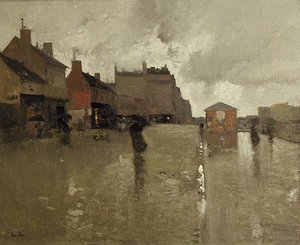
ლუიჯი ლუარი პორტრეტი

63 ყველაზე ცნობილი ლუიჯი ლუარი-ის ნახატი, გალერეის შერჩეული კოლექცია

განახლდა ოქტომბერი 2026 · დალაგებულია ჩვენი პოპულარობის ქულების მიხედვით (ძიება, ნახვა და შეკვეთები თითოეული ნამუშწაროსთვის) · 63 ნამუშევარი ლუიჯი ლუარი ჩვენს კატალოგში

მოკლედ რომ ვთქვათ

ლუიჯი ლუარი-ის ყველა დატოვებული ორიგინალიდან ყველაზე ცნობილი L'Avenue du Boid de Bologne არის. მისდაក្រោយ Paris, Morning (1890) და The Grand Boulevards (1888) მოდიან. ჩვენს კატალოგში ლუიჯი ლუარი-ის 63 ნამუშწარებია; გალერეამ შეინافظა ის 63 ნამუშწარო, რომლებსაც მსოფლიო ყველაზე მეტად აღიარებს, რომელთაგან თითოეული წარმოდგენილია თვის, მუზეუმისა და ისტორიის თანხლებით.

1845 – 1916, გორიზია Impressionism ყველაზე მეტი ნამشევრი: Carnavalet Museum

ლუიჯი ლუარი-ის 10 საუკეთესო ნამუშgeryო: გალერეის არჩევანი

1
L'Avenue du Boid de Bologne ავტორის: ლუიჯი ლუარი

L'Avenue du Boid de Bologne

Oil On Panel

The scene unfolds within L'Avenue du Boid de Bologne, a lively urban landscape captured by the hand of Luigi Loir. This oil on panel work invites us into a bustling moment of city life, where the energy of the street feels immediate and alive. We find ourselves walking alongside a crowd of pedestrians, some carrying handbags or backpacks, as they navigate the sidewalks of this busy environment. A bicycle rests…

ლუიჯი ლუარი-ის შერჩევა გრძელდება, 11-დან 63-მდე

11Festival of Place du Trône, Paris (1890) ავტორის: ლუიჯი ლუარიFestival of Place du Trône, Paris1890 · პატარა პალატა 12Paris with Snow (1889) ავტორის: ლუიჯი ლუარიParis with Snow1889 13Visit of the Russian Sovereigns to Paris; the official procession passing Place de la Concorde, October 6, 1896 (1896) ავტორის: ლუიჯი ლუარიVisit of the Russian Sovereigns to Paris; the official procession passing Place de la Concorde, October 6, 18961896 · Carnavalet Museum 14The Outing of the Russian Emperor to the Opera Gala in Paris (1896) ავტორის: ლუიჯი ლუარიThe Outing of the Russian Emperor to the Opera Gala in Paris1896 15Rue des Nations, at the 1900 Exposition Universelle (1900) ავტორის: ლუიჯი ლუარიRue des Nations, at the 1900 Exposition Universelle1900 · Carnavalet Museum 16The Carousel (1900) ავტორის: ლუიჯი ლუარიThe Carousel1900 · Carnavalet Museum 17Underground Railway (1899) ავტორის: ლუიჯი ლუარიUnderground Railway1899 · National Gallery Prague 18The Place Animee at Sunset (1899) ავტორის: ლუიჯი ლუარიThe Place Animee at Sunset1899 19Le Boulevard sous la Pluie (1899) ავტორის: ლუიჯი ლუარიLe Boulevard sous la Pluie1899 20At the Seashore ავტორის: ლუიჯი ლუარიAt the Seashore 21At the Seashore ავტორის: ლუიჯი ლუარიAt the Seashore 22Street Scene, Paris ავტორის: ლუიჯი ლუარიStreet Scene, Paris 23Docks ავტორის: ლუიჯი ლუარიDocks 24Promenade on the Champs-Elysees, Paris ავტორის: ლუიჯი ლუარიPromenade on the Champs-Elysees, Paris 25A carnival ავტორის: ლუიჯი ლუარიA carnival 26Brettons coming out of a church in the dark ავტორის: ლუიჯი ლუარიBrettons coming out of a church in the dark 27Porte des Ternes, Paris ავტორის: ლუიჯი ლუარიPorte des Ternes, Paris 28The Opera Square view from the Boulevard des Capucines, Paris ავტორის: ლუიჯი ლუარიThe Opera Square view from the Boulevard des Capucines, Paris 29A Parisian boulevard ავტორის: ლუიჯი ლუარიA Parisian boulevard 30Une porte de Paris. After the rain ავტორის: ლუიჯი ლუარიUne porte de Paris. After the rain 31The docks near the Pont Neuf ავტორის: ლუიჯი ლუარიThe docks near the Pont Neuf 32At the Quayside ავტორის: ლუიჯი ლუარიAt the Quayside 33Banks of the Seine ავტორის: ლუიჯი ლუარიBanks of the Seine 34le Marche aux puces, Porte de Clignancourt ავტორის: ლუიჯი ლუარიle Marche aux puces, Porte de Clignancourt 35An Afternoon stroll ავტორის: ლუიჯი ლუარიAn Afternoon stroll 36A Parisian street scene in winter ავტორის: ლუიჯი ლუარიA Parisian street scene in winterოსლო მუზეუმი 37A boulevard in Paris on a rainy day, the Pantheon beyond ავტორის: ლუიჯი ლუარიA boulevard in Paris on a rainy day, the Pantheon beyond 38Paris in Winter ავტორის: ლუიჯი ლუარიParis in Winter 39Boulevard Henri IV, Sunset ავტორის: ლუიჯი ლუარიBoulevard Henri IV, Sunset 40The entertainers and their trailers behind a carnival ავტორის: ლუიჯი ლუარიThe entertainers and their trailers behind a carnival 41Strollers at dusk ავტორის: ლუიჯი ლუარიStrollers at dusk 42On the Quai in Le Havre ავტორის: ლუიჯი ლუარიOn the Quai in Le Havre 43View of the city ავტორის: ლუიჯი ლუარიView of the city 44Fun fair ავტორის: ლუიჯი ლუარიFun fair 45Paris under the snow ავტორის: ლუიჯი ლუარიParis under the snow 46Boulevard Saint Michel ავტორის: ლუიჯი ლუარიBoulevard Saint Michel 47Paris, Le Louvre, Le Quai De La Megisserie Et Les Marchands D'Oiseaux ავტორის: ლუიჯი ლუარიParis, Le Louvre, Le Quai De La Megisserie Et Les Marchands D'Oiseaux 48The barracks of the New Year, Paris, Porte Saint Martin ავტორის: ლუიჯი ლუარიThe barracks of the New Year, Paris, Porte Saint Martin 49The Night Cafe ავტორის: ლუიჯი ლუარიThe Night Cafe 50Paris at Night ავტორის: ლუიჯი ლუარიParis at Night 51Place de la Republique, Paris ავტორის: ლუიჯი ლუარიPlace de la Republique, Paris 52On the docks near the Pont Neuf 1 ავტორის: ლუიჯი ლუარიOn the docks near the Pont Neuf 1 53A Parisian Street Scene ავტორის: ლუიჯი ლუარიA Parisian Street Scene 54Mid-Lent in Paris (1912) ავტორის: ლუიჯი ლუარიMid-Lent in Paris1912 · Carnavalet Museum 55Carnival ავტორის: ლუიჯი ლუარიCarnival 56Winters Day at the Skating Pond ავტორის: ლუიჯი ლუარიWinters Day at the Skating Pond 57Still life with flowers ავტორის: ლუიჯი ლუარიStill life with flowers 58Evening Promenade, Le Havre ავტორის: ლუიჯი ლუარიEvening Promenade, Le Havre 59Sunset ავტორის: ლუიჯი ლუარიSunset 60La Seine à Asnières ავტორის: ლუიჯი ლუარიLa Seine à Asnières 61A Night On The Seine ავტორის: ლუიჯი ლუარიA Night On The Seine 62Boulevard Berthier, Paris ავტორის: ლუიჯი ლუარიBoulevard Berthier, Paris 63Fillettes sur les quais, place du Châtelet ავტორის: ლუიჯი ლუარიFillettes sur les quais, place du Châtelet

ლუიჯი ლუარი-ის ცნობილი სურათები, პერიოდების მიხედვით

სუბიექტები, რომლებმაც ლუიჯი ლუარი-ის ყურადღება მიიპყრო

ამ ორიგინალებში ყველაზე ხშირად განმეორებადი არის 네 თემა, რომელთაგან თითოეულს თავისი საუკეთესო ნიმუში წარმოგვიდგება.

მუზეუმები, სადაც ლუიჯი ლუარი-ის ორიგინალები ინახება

ამ გვერდზე წარმოდგენილი მხატვრობის შედეგების უმეტესობას 6 მუზეუმი ინახავს.

მუზეუმი ქალაქი ლუიჯი ლუარი შემოქმედებაలు ამ სიიდან მოპოვებული ნახატები
Carnavalet Museum, პარისიCarnavalet Museum პარისი 5 A Corner of Bercy During the Flood, Visit of the Russian Sovereigns to Paris; the official procession passing Place de la Concorde, October 6, 1896, Rue des Nations, at the 1900 Exposition Universelle
Minneapolis Institute of Art, MinneapolisMinneapolis Institute of Art Minneapolis 1 L'Avenue de Neuilly on a Winter Day
ჩიკაგოს ხელოვნების ინსტიტუტი, ჩიკაგოჩიკაგოს ხელოვნების ინსტიტუტი ჩიკაგო 1 The Boathouse
პატარა პალატა, პარიზიპატარა პალატა პარიზი 1 Festival of Place du Trône, Paris
National Gallery Prague, პრაღაNational Gallery Prague პრაღა 1 Underground Railway
ოსლო მუზეუმი, ოსლოოსლო მუზეუმი ოსლო 1 A Parisian street scene in winter

ლუიჯი ლუარი ათწლეულების მიხედვით: ორიგინალი, რომელიც განსაზღვრავს თითოეულ მათგანს

ნამუშევრები ათწლეულების მიხედვით

შეარჩიეთ ათწლეული, რათა ნახოთ ის ორიგინალი ნამუშევარი, რომელიც მას განსაზღვრავს.

კოლექციონერთა კითხვები ლუიჯი ლუარი-ის ნახატებზე

რა ნამუშწარესით არის ყველაზე ცნობილი ლუიჯი ლუარი?გაამჟღავნეთ პასუხი

L'Avenue du Boid de Bologne. შემდეგ მოდიან Paris, Morning (1890) და The Grand Boulevards (1888).

რა არის ლუიჯი ლუარი-ის 열 иң ცნობილი 열ი ტილო?გაამჟღავნეთ პასუხი

L'Avenue du Boid de Bologne, Paris, Morning, The Grand Boulevards, The Porte Maillot, Snow Effect, Sunset, A Parisian Street Scene with Sacre Coeur in the back, L'Avenue de Neuilly on a Winter Day, A Corner of Bercy During the Flood, The Boathouse, Return of the Fishermen to Boulogne და The Louvre from the Jardin des Tuileries. ზემოთ მოცემული რეიტინგი ასახავს თითოეულის შემოქმედების წელსა და მუზეუმს.

რამდენი სურათი დატოვა ლუიჯი ლუარი-მა?გაამჟღავნეთ პასუხი

ჩვენს კატალოგში წარმოდგენილია 63 ნამუშწევრი ლუიჯი ლუარი-ისგან, დათარიღებული 1874-დან 1912-მდე.

რომელ მუზეუმებშია და hangs ლუიჯი ლუარი-ის შედევრული ნამუშევრები?გაამჟღავნეთ პასუხი

ძირითადად Carnavalet Museum (პარისი), Minneapolis Institute of Art (Minneapolis) და ჩიკაგოს ხელოვნების ინსტიტუტი (ჩიკაგო)-ში. ზემოთ მოცემულ მუზეუმების ცხრილში ისინი ყველა listed.

მათ რომელ წლებში შექმნა ლუიჯი ლუარი-მა ყველაზე ცნობილი ნამუშევრები?გაამჟღავნეთ პასუხი

1890s-ში: ამ გვერდზე წარმოდგენილი 63 ნამუშწარwerksიდან 8 შეიქმნა მაშინ, მათგან Paris, Morning.

რა არის ლუიჯი ლუარი-ის პირველი და ბოლო ცნობილი ორიგინალი?გაამჟღავნეთ პასუხი

ამ გვერდზე ყველაზე ადრეული არის L'Avenue de Neuilly on a Winter Day (1874), ხოლო ყველაზე გვიანდელი — Mid-Lent in Paris (1912).

რომელ თემებს ირჩევდა ლუიჯი ლუარი ყველაზე ხშირად?გაამჟღავნეთ პასუხი

France (15), Urban landscape (8) და Parisian street scene (7), ამ გვერდზე წარმოდგენილ 63 ნამუშწარეს შორის.

რა ხელოვნების მიმართულებას მიეკუთვნება ლუიჯი ლუარი?გაამჟღავნეთ პასუხი

Impressionism, ამ გვერდზე წარმოდგენილი ორიგინალების მიხედვით.

ლუიჯი ლუარი-ის რომელ ნამუშევრებს ჰქ나 Carnavalet Museum-ში?გაამჟღავნეთ პასუხი

A Corner of Bercy During the Flood, Visit of the Russian Sovereigns to Paris; the official procession passing Place de la Concorde, October 6, 1896 და Rue des Nations, at the 1900 Exposition Universelle: Carnavalet Museum, პარისი-ში წარმოდგენილია ამ გვერდზე მოცემული ნამუშევრების 5 ცალი.

ლუიჯი ლუარი: ცხოვრება და შემოქმედება

The Luminous Spirit of Paris: The Life and Art of Luigi Loir

Luigi Loir, born Aloys François Joseph Loi in the heart of Paris in 1845, remains one of the most evocative chroniclers of the French capital's golden age. A painter whose brush captured not just scenery but the very pulse of urban existence, Loir occupied a unique space within the Impressionist movement. While his contemporaries often sought solace in the quietude of rural landscapes and sun-drenched haystacks, Loir turned his gaze toward the rhythmic energy of the city. His work serves as a visual diary of 19th-century Paris, documenting the architectural majesty and the fleeting, atmospheric shifts of light that define the Seine and the bustling streets of Montmartre. Born into an artistic lineage—his father being a painter himself—Loir’s development was steeped in the traditions of visual storytelling from his earliest years. He refined his technical prowess at the prestigious École Supérieure des Beaux-Arts, where he encountered the transformative teachings of masters such as Jean-Baptiste Camille Corot and Frédéric Bazille. From Corot, he likely inherited a sensitivity to natural light and tonal subtlety, while the influence of Bazille helped anchor his work within the burgeoning Impressionist ethos of direct observation. This rigorous training provided him with the structural foundation necessary to balance meticulous detail with the spontaneous, airy qualities that would become his hallmark.

A Master of Urban Atmosphere and Light

The true magic of Loir’s oeuvre lies in his ability to render the bustling energy of Paris with a sense of profound immediacy. He possessed a rare talent for capturing the "fleeting moment"—the way moonlight dances upon the ripples of the Seine or how the evening haze softens the edges of a bridge at dusk. His canvases, such as the breathtaking Paris at Night and The Louvre from the Jardin des Tuileries, demonstrate a sophisticated use of color and layering to create depth and movement. Unlike the more fragmented brushwork seen in some radical Impressionist works, Loir maintained a certain architectural clarity, ensuring that the grandeur of Paris's monuments remained as steadfast as the light that bathed them. His versatility allowed him to traverse various moods and mediums, from the sweeping panoramic views of the city to intimate, charming vignettes. In works like Fillettes sur les quais, place du Châtelet, he utilizes a delicate watercolor technique to evoke the warmth and innocence of Parisian street life. Conversely, his larger oil paintings can convey a sense of epic scale and seasonal drama, as seen in the evocative Winter's Day at the Skating Pond. Through these varied approaches, Loir achieved a remarkable feat: he made the monumental feel intimate and the everyday feel extraordinary.

Legacy and Historical Significance

Though history often centers its narrative on the titans of Impressionism like Monet or Renoir, the significance of Luigi Loir cannot be understated. He provided a vital urban counterpoint to the movement's pastoral tendencies, ensuring that the evolution of the modern city was recorded with as much artistic fervor as the natural world. His work stands as a testament to the transformation of Paris during the late 19th century, capturing a period of immense architectural and social change. Today, Loir’s paintings continue to enchant collectors and art enthusiasts alike, offering a nostalgic window into a vanished era. His ability to blend technical precision with an emotive, luminous palette ensures that his vision of Paris remains eternally vibrant. To look upon a Loir landscape is to experience the heartbeat of a city that never truly sleeps, preserved forever in layers of light, color, and motion.