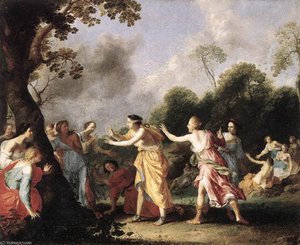
იოჰან ლისი პორტრეტი

31 ყველაზე ცნობილი იოჰან ლისი-ის ნახატი, თითოეული მათგანი უნიკალური

განახლდა ნოემბერი 2026 · დალაგებულია ჩვენი პოპულარობის ქულების მიხედვით (ძიება, ნახვა და შეკვეთები თითოეული ნამუშწაროსთვის) · 33 ნამუშევარი იოჰან ლისი ჩვენს კატალოგში

მოკლედ რომ ვთქვათ

Nymph and Shepherd (1625) არის იოჰან ლისი-ის ის ნამუშწარო, რომელიც ყველაზე მეტ ყურადღებას იქცევს; ორიგინალი იმყოფება მეტროპოლიტენის ხელოვნების მუზეუმი-ში, ნიუ-იორკი. ამის შემდეგ, მზერა გადადის Temptation of Saint Anthony (1614)-სა და The Apostle Paul (1614)-ზე. ჩვენს კატალოგში არსებული იოჰან ლისი-ის 33 ნამუშწაროდან ეს 31 ყველაზე ცნობილია; თითოეული მათგანი წარმოადგენს უნიკალურ ორიგინალს, რომელიც წარმოდგენილია წელით, მუზეუმითა და იმ მიზეზით, რის გამოც ის დღემდე ცოცხლობს.

1597 – 1629, ბურგშტაინფურტი Baroque ყველაზე მეტი ნამشევრი: ბავარიის სახელმწიფო ფერწერის კოლექციები

იოჰან ლისი-ის 10 საუკეთესო ნამუშgeryო, გალერეის თcraftით

1
Nymph and Shepherd (1625) ავტორის: იოჰან ლისი

Nymph and Shepherd

Deep within a dense, shadowy woodland, a quiet drama unfolds under the weight of heavy leaves and twisting branches. A nymph lies reclined, her pale skin catching a soft, directional light that cuts through the gloom of the forest. She rests in a state of deep repose, unaware of the gaze directed toward her. From behind the rugged bark of a tree, a muscular shepherd leans into the frame. He…

2
Temptation of Saint Anthony (1614) ავტორის: იოჰან ლისი

Temptation of Saint Anthony

The artwork is titled Temptation of Saint Anthony, a work executed by the German Baroque painter Johann Liss. This specific piece is also identified by the alternative title Anthony and Lust. The painting was created between 1624 and 1625.

3
The Apostle Paul (1614) ავტორის: იოჰან ლისი

The Apostle Paul

The Apostle Paul emerges from the shadows of history in this striking portrait by Johann Liss. Created about 1614, the work captures a moment of profound spiritual intensity. The subject is an elderly man, his features weathered by time and his spirit ignited by divine inspiration. He is identified as the Apostle Paul, a figure of immense weight in religious tradition, appearing here with a sense of urgent, living presence.

4
Curse of Cain (1615) ავტორის: იოჰან ლისი

Curse of Cain

1615 · Oil On Canvas

In "Curse of Cain" by Johann Liss, a diagonal tension pulls the eye upward. The composition begins with a muscular figure in the foreground, anchored in shadow. From this heavy base, the gaze climbs through a turbulent sky toward a celestial presence hidden within the clouds. This movement follows a low-angle perspective, forcing the viewer to look up at the unfolding drama of divine judgment and human suffering. The scene…

5
A Game of Morra (1620) ავტორის: იოჰან ლისი

A Game of Morra

1620 · Oil On Canvas · Gemäldegalerie Alte Meister im Schloss Wilhelmshöhe, კასელი

The scene unfolds in A Game of Morra, a painting by the German Baroque artist Johann Liss. This genre art piece captures a spirited moment of human interaction, pulling the viewer into a lively social encounter. The figures gather under a rustic pergola, their gestures and expressions suggesting the tension and play of the game itself. It is a moment frozen in time, where the energy of the group seems…

7
Sleeping Nymph (1620) ავტორის: იოჰან ლისი

Sleeping Nymph

1620 · Oil On Canvas · Statens Museum For Kunst, კობენჰაგენი

A pale, luminous figure lies amidst the dark textures of a cavernous landscape. This reclining nude female rests upon a bed of grass and white drapery, her body catching a soft, directional light that pulls her from the surrounding gloom. She faces away, her posture relaxed and heavy with sleep. Around her, the world is composed of craggy, dark rocky masses and deep, earthy tones of ochre and brown. The…

8
The prodigal son at the prostitutes (1622) ავტორის: იოჰან ლისი

The prodigal son at the prostitutes

In this dramatic oil painting from 1622, we find ourselves drawn into a nocturnal scene of revelry and debauchery. The composition is dense, creating a sense of chaotic movement within a shallow, stage-like space. A group of figures is caught in a moment of intense social interaction, their lives seemingly consumed by the immediate demands of drinking and carnal pleasure. The subject matter draws from the biblical narrative of the…

9
Cupid (Amor) (1630) ავტორის: იოჰან ლისი

Cupid (Amor)

A youthful figure emerges from a heavy, dark void. This is Cupid, the god of desire, caught in a moment of quiet tension. His skin possesses a luminous, fleshy quality that seems to hold its own light against the surrounding gloom. He holds a single arrow diagonally across his chest, a sharp instrument of fate held with a soft, unstudied grace. The composition pulls the viewer into an intimate space,…

10
Temptation of  Saint Anthony (1624) ავტორის: იოჰან ლისი

Temptation of Saint Anthony

The painting presents a tight, triangular arrangement of figures that creates a sense of intimacy and tension. A seated saint occupies the center of the frame, his form illuminated by a strong directional light source from the upper left. This light falls upon his face and a golden bowl held by an approaching woman, leaving the background in deep shadow. The woman is draped in crimson fabric, which provides a…

იოჰან ლისი-ის ცნობილი ნამუშევრები, 11-დან 31-მდე ნომრებით

11Temptation of Saint Anthony (1660) ავტორის: იოჰან ლისიTemptation of Saint Anthony1660 · ბავარიის სახელმწიფო ფერწერის კოლექციები 12The Ecstasy of St Paul (1628) ავტორის: იოჰან ლისიThe Ecstasy of St Paul1628 · ბერლინის შტატული მუზეუმები 13The Prodigal Son (1625) ავტორის: იოჰან ლისიThe Prodigal Son1625 · Academy of Fine Arts Vienna 14Untitled (D2X6GG) (1626) ავტორის: იოჰან ლისიUntitled (D2X6GG)1626 · მეტროპოლიტენის ხელოვნების მუზეუმი 15A Bacchanalian Feast (1617) ავტორის: იოჰან ლისიA Bacchanalian Feast1617 · Fitzwilliam College 16Judith in the Tent of Holofernes (1622) ავტორის: იოჰან ლისიJudith in the Tent of Holofernes1622 · ნაციონალური გალერეა 17The Fall of Phaeton (1624) ავტორის: იოჰან ლისიThe Fall of Phaeton1624 · ნაციონალური გალერეა 18Adam and Eve Mourning for Abel (1624) ავტორის: იოჰან ლისიAdam and Eve Mourning for Abel1624 · ვენეციის აკადემიის გალერეა 19The Vision of St Jerome (1627) ავტორის: იოჰან ლისიThe Vision of St Jerome1627 · San Nicola da Tolentino 20Franciscan Monk ავტორის: იოჰან ლისიFranciscan MonkStatens Museum For Kunst 21A lute player ავტორის: იოჰან ლისიA lute player 22MOISE SAUVE DES EAUX ავტორის: იოჰან ლისიMOISE SAUVE DES EAUXლილის fine arts-ის მ્યુზეუმი 23E Dirck van der Blind Mans Buff ავტორის: იოჰან ლისიE Dirck van der Blind Mans Buff 24Abel mourned by his parents ავტორის: იოჰან ლისიAbel mourned by his parents 25The Satyr and the Peasant (1626) ავტორის: იოჰან ლისიThe Satyr and the Peasant1626 · National Gallery of Art 26Venus and Adonis (1625) ავტორის: იოჰან ლისიVenus and Adonis1625 · Staatliche Kunsthalle Karlsruhe 27კლეოპატრა śmierci (1622) ავტორის: იოჰან ლისიკლეოპატრა śmierci1622 · ალტერ პინაკოთეკა 28ისააკის მსხვერპლი (1624) ავტორის: იოჰან ლისიისააკის მსხვერპლი1624 · ვენეციის აკადემიის გალერეა 29Judith and Holophernes (1628) ავტორის: იოჰან ლისიJudith and Holophernes1628 · კუნსტისტორიშეს მუზეუმი 30Apollo and Marsyas (1627) ავტორის: იოჰან ლისიApollo and Marsyas1627 · ვენეციის აკადემიის გალერეა 31Venus in front of the Mirror (1625) ავტორის: იოჰან ლისიVenus in front of the Mirror1625 · უფიციების გალერეა

იოჰან ლისი-ის ცნობილი სურათები, პერიოდების მიხედვით

სუბიექტები, რომლებმაც იოჰან ლისი-ის ყურადღება მიიპყრო

ამ ორიგინალებში ყველაზე ხშირად განმეორებადი არის 네 თემა, რომელთაგან თითოეულს თავისი საუკეთესო ნიმუში წარმოგვიდგება.

მუზეუმები, სადაც იოჰან ლისი-ის ორიგინალები ინახება

ამ გვერდზე წარმოდგენილი მხატვრობის შედეგების უმეტესობას 8 მუზეუმი ინახავს.

მუზეუმი ქალაქი იოჰან ლისი შემოქმედებაలు ამ სიიდან მოპოვებული ნახატები
ბავარიის სახელმწიფო ფერწერის კოლექციები, მუნხენიბავარიის სახელმწიფო ფერწერის კოლექციები მუნხენი 4 Temptation of Saint Anthony, The Apostle Paul, Temptation of Saint Anthony
ვენეციის აკადემიის გალერეა, ვენეციავენეციის აკადემიის გალერეა ვენეცია 3 Adam and Eve Mourning for Abel, ისააკის მსხვერპლი, Apollo and Marsyas
მეტროპოლიტენის ხელოვნების მუზეუმი, ნიუ-იორკიმეტროპოლიტენის ხელოვნების მუზეუმი ნიუ-იორკი 2 Nymph and Shepherd, Untitled (D2X6GG)
Statens Museum For Kunst, კობენჰაგენიStatens Museum For Kunst კობენჰაგენი 2 Sleeping Nymph, Franciscan Monk
ნაციონალური გალერეა, ლონდონინაციონალური გალერეა ლონდონი 2 Judith in the Tent of Holofernes, The Fall of Phaeton
Gemäldegalerie Alte Meister im Schloss Wilhelmshöhe, კასელიGemäldegalerie Alte Meister im Schloss Wilhelmshöhe კასელი 1 A Game of Morra
Szépművészeti Múzeum, ბუდაპეშტიSzépművészeti Múzeum ბუდაპეშტი 1 Village Wedding Procession
გერმანული ეროვნული მუზეუმი, ნირნბერგიგერმანული ეროვნული მუზეუმი ნირნბერგი 1 The prodigal son at the prostitutes

იოჰან ლისი წლების განმავლობაში: თითოეული მათგანის უნიკალური ორიგინალი

აქ წარმოდგენილ იოჰან ლისი-ის პირველ და ბოლო დათარიღებულ ორიგინალებს შორის 15 წელი არის, 1614 და 1628: თითოეულ წელს თავისი ადგილი ქვემოთ აქვს.

ნამუშევრები წლების მიხედვით

შეარჩიეთ წელი ორიგინალების სანახავად.

იოჰან ლისი-ის ნახატები: კითხვები გალერეისთვის

რა არის იოჰან ლისი-ის ყველაზე ცნობილი ნამუშწარებიდან ერთერთი?გაამჟღავნეთ პასუხი

Nymph and Shepherd (1625), მეტროპოლიტენის ხელოვნების მუზეუმი, ნიუ-იორკი. შემდეგ მოდიან Temptation of Saint Anthony (1614) და The Apostle Paul (1614).

რა ასაკში შექმნა იოჰან ლისი-მა Nymph and Shepherd?გაამჟღავნეთ პასუხი

28 წლის: Nymph and Shepherd შექმნილია 1625 წელს, ხოლო იოჰან ლისი დაიბადა 1597 წელს.

იოჰან ლისი-ის რომელი 열ათმე ნახატია ყველაზე ცნობილი?გაამჟღავნეთ პასუხი

Nymph and Shepherd, Temptation of Saint Anthony, The Apostle Paul, Curse of Cain, A Game of Morra, Village Wedding Procession, Sleeping Nymph, The prodigal son at the prostitutes, Cupid (Amor) და Temptation of Saint Anthony. ზემოთ მოცემული რეიტინგი ასახავს თითოეულის შემოქმედების წელსა და მუზეუმს.

რამდენი ნამუშწარებია ცნობილი იოჰან ლისი-ის შემოქმედებიდან?გაამჟღავნეთ პასუხი

ჩვენს კატალოგში წარმოდგენილია 33 ნამუშწევრი იოჰან ლისი-ისგან, დათარიღებული 1614-დან 1628-მდე.

სად შეიძლება ყველაზე ცნობილი იოჰან ლისი-ის ორიგინალების ნახვა?გაამჟღავნეთ პასუხი

ძირითადად ბავარიის სახელმწიფო ფერწერის კოლექციები (მუნხენი), ვენეციის აკადემიის გალერეა (ვენეცია) და მეტროპოლიტენის ხელოვნების მუზეუმი (ნიუ-იორკი)-ში. ზემოთ მოცემულ მუზეუმების ცხრილში ისინი ყველა listed.

რა პერიოდში შექმნა იოჰან ლისი-მა ყველაზე ცნობილი სურათები?გაამჟღავნეთ პასუხი

1624-ში: ამ გვერდზე წარმოდგენილი 31 ნამუშწარwerksიდან 4 შეიქმნა მაშინ, მათგან Temptation of Saint Anthony.

რომელი ცნობილი იოჰან ლისი ტილოა ყველაზე ადრეული და რომელი — ყველაზე გვიანდელი?გაამჟღავნეთ პასუხი

ამ გვერდზე ყველაზე ადრეული არის Temptation of Saint Anthony (1614), ხოლო ყველაზე გვიანდელი — The Ecstasy of St Paul (1628).

რა თემებს ანიჭებდა უპირატესობას იოჰან ლისი?გაამჟღავნეთ პასუხი

Man (10), Woman (9) და People (7), ამ გვერდზე წარმოდგენილ 31 ნამუშწარეს შორის.

რა მასალებით ხატავდა ყველაზე ხშირად იოჰან ლისი?გაამჟღავნეთ პასუხი

Oil On Canvas, ამ გვერდზე არსებული 31 ნამუშწაროსგან 14 ცალიდან.

იოჰან ლისი-ის შემოქმედება რომელ მიმდინარეობას მიეკუთვნება?გაამჟღავნეთ პასუხი

Baroque, ამ გვერდზე წარმოდგენილი ორიგინალების მიხედვით.

რა იოჰან ლისი-ის ორიგინალების ნახვა შემიძლია ბავარიის სახელმწიფო ფერწერის კოლექციები-ში?გაამჟღავნეთ პასუხი

Temptation of Saint Anthony, The Apostle Paul და Temptation of Saint Anthony: ბავარიის სახელმწიფო ფერწერის კოლექციები, მუნხენი-ში წარმოდგენილია ამ გვერდზე მოცემული ნამუშევრების 4 ცალი.

იოჰან ლისი: მხატვრის პორტრეტი

A Master of the Baroque Spirit

Johann Liss, also known as Jan Lys, stands as a luminous figure within the 17th-century German Baroque movement, a painter whose journey through Europe mirrored the vibrant, shifting currents of his era. Born in Schleswig-Holstein, Germany, specifically in Oldenburg, Liss’s early life was shaped by the rigorous artistic traditions of his home state. His path as an artist was one of constant motion and profound transformation, as he moved from the northern reaches of Germany to the great artistic hubs of the continent. Through his studies with Hendrick Goltzius in Haarlem and Amsterdam, he absorbed the technical mastery of the Dutch tradition before embarking on a travels that would eventually lead him through Paris and into the heart of Italy.

The evolution of Liss’s style is a captivating study in artistic adaptation. His early period, marked by his time in Rome around 1620–1622, reveals a deep engagement with the dramatic tension of Caravaggio. During these formative years, his canvases were defined by the stark, powerful contrasts of light and shadow, a technique that imbued his religious and mythological subjects with an immediate, visceral presence. However, as he migrated toward Venice, his palette underwent a magnificent metamorphosis. The somber depths of his Roman period gave way to a spirited treatment of the painted surface, characterized by brilliant colors and a loose, energetic brushwork that seemed to breathe with life.

Themes of Divinity and Desire

Liss possessed a rare ability to navigate the dual realms of the sacred and the profane, treating biblical narratives and classical myths with equal emotional intensity. In his religious works, such as The Sacrifice of Isaac, he utilized the Baroque aesthetic to explore profound themes of faith, obedience, and divine intervention. He often set these heavy theological moments against expansive, meticulously rendered landscapes, creating a tension between the monumental weight of the scripture and the natural world. His depictions of the divine were never merely static; they pulsed with a sense of movement and psychological depth that captured the religious fervor of the 17th century.

Conversely, his mythological works allowed for a more sensuous exploration of the human form and classical legend. In pieces like Venus and Adonis, Liss embraced a burgeoning aesthetic of beauty and desire, using oil on copper to achieve subtle tonal variations that heightened the emotional stakes of Ovidian tragedy. Whether capturing the tragic demise of Cleopatra or the divine judgment in Apollo and Marsyas, his work consistently sought to transcend simple storytelling. He looked toward the raw power of emotion, utilizing thick impasto and dynamic compositions to ensure that every mythological encounter felt both ancient and urgently alive.

Legacy and Artistic Influence

The significance of Johann Liss extends far beyond his individual canvases, as his stylistic innovations helped pave the way for future generations of painters. His later Venetian style, with its emphasis on light, color, and a certain fluid spontaneity, acted as a precursor to the Rococo movement. The energetic brushstrokes found in his work can be seen as an early influence on the great Guardi brothers, and his ability to integrate foreign influences into the Venetian tradition left a lasting mark on the Republic's artistic landscape.

His impact is most clearly felt in the lineage of 18th-century masters. The works of Sebastiano Ricci, Giovanni Battista Tiepolo, and Giovanni Piazzetta all carry echoes of the brilliance and movement that Liss pioneered. Though his life was cut short by the plague in Verona, leaving behind a legacy of both pious biblical subjects and sensuous mythological tales, he remains a vital link in the chain of Baroque excellence. He was a painter who mastered the art of transformation, turning the shadows of Rome into the radiant light of Venice.