ჰენრი ფუსელი პორტრეტი

ჰენრი ფუსელი-ის ნახატები: 100 ყველაზე ცნობილი ნამუშევარი, গალერეის თcraftით

განახლდა ოქტომბერი 2026 · დალაგებულია ჩვენი პოპულარობის ქულების მიხედვით (ძიება, ნახვა და შეკვეთები თითოეული ნამუშწაროსთვის) · 161 ნამუშევარი ჰენრი ფუსელი ჩვენს კატალოგში

მოკლედ რომ ვთქვათ

გალერეის შეხედულებით, ჰენრი ფუსელი-ის ყველაზე ცნობილი ნამუშწაროა მურგილი სხეული (1781), რომლის ორიგინალი დეტროიტის ხელოვნების ინსტიტუტი-ში, დეტროიტი-ში hangs. ტიტანია და ბოთომი სულელის თავით და The Nightmare (1790) ქმნიან იმ ტრიოს, რომელიც ყველამ იცნობს. ჩვენს კატალოგში არსებული ჰენრი ფუსელი-ის 161 ნამუშწაროდან, გალერეა ქვემოთ წარმოგიდგენთ 100 ყველაზე ცნობილ მათგანს; თითოეული მათგანი არის ორიგინალი, რომლის აღწერა მოიცავს შემოქმედების წელს, მუზეუმს და იმ დეტალებს, რაც მას უნიკალურს ხდის.

1741 – 1825, ციურიხი Romantic gothic horror ყველაზე მეტი ნამشევრი: Kunsthaus Zürich

გალერეის ჰენრი ფუსელი 10 საუკეთესო ნამი에도

1
მურგილი სხეული (1781) ავტორის: ჰენრი ფუსელი

მურგილი სხეული

1781 · ზეთი ტილოზე · დეტროიტის ხელოვნების ინსტიტუტი, დეტროიტი

ჰენრი ფუსელის „კოშმარი“ საკულტო ნამუშევარია, რომელიც გოთიკური ჰორორისა და რომანტიზმის არსს ასახავს. 1781 წელს შექმნილი ეს ზეთოვანი ტილო ქვეცნობიერი გონების ღრმა კვლევაა; იგი დრამატულ კომპოზიციას მდიდარ სიმბოლიზმთან აერთიანებს, რათა მაყურეში შფოთვისა და მოხიბვლის განცდა გააღვიძოს.

2
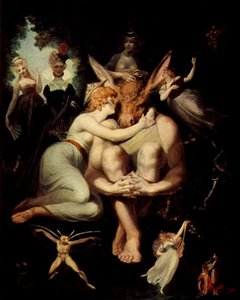
ტიტანია და ბოთომი სულელის თავით ავტორის: ჰენრი ფუსელი

ტიტანია და ბოთომი სულელის თავით

ზეთი ტილოზე

ძველი ტყის ჩრდილოვან, მთვარის შუქით განათებულ სიღრმეებში, იოჰან ჰაინრიხ ფუსელი გვიწვევს იმ სამყაროში, სადაც ადამიანურსა და ზებუნებრივს შორის არსებული საზღვრები სრულად ილღვია. მისი შედევრი, ტიტანია და ბოთომი ვირით თავით<, ასლს მოგვაფიქრებს ტრანსფორმაციის გადამწყვეტ მომენტს უილიამ შექსპირის მიდამოღვიძების ღამის სიზმრიდან<. კომპოზიცია არის მოძრაობისა და მისტიციზმის სუნთქვაგამკვდრებელი ქარბუქი, რომელიც ეთერულ დედოფელ ტიტანიას ეფუძნება, როდესაც იგი ფრენილი ფერიების ზღვაშია მოკალათებული. მის გვერდით ზის ბოთომის groteski, თუმცა უცნაურად მომხიდავი ფიგურა, რომლის თავიც ვირის თავად…

3
The Nightmare (1790) ავტორის: ჰენრი ფუსელი

The Nightmare

1790 · Oil On Canvas · გოეთეს მუზეუმი, فرانკფურტ

In the shadowy realm of Johann Heinrich Füssli, the boundaries between sleep and wakefulness dissolve into a haunting spectacle of terror and desire. His seminal work, The Nightmare, stands as a profound exploration of the human psyche, capturing that breathless moment when the terrors of the unconscious manifest in the physical world. The painting presents a woman lying prostrate in bed, her limbs cast downward in a state of vulnerable,…

4
Lady Macbeth with the Daggers (1812) ავტორის: ჰენრი ფუსელი

Lady Macbeth with the Daggers

1812 · Oil On Canvas · Tate Gallery, ლონდონი

To stand before this depiction of Lady Macbeth is to confront the very precipice of human ambition curdled by guilt. Johann Heinrich Friesli’s masterful rendering captures not merely a scene from Shakespeare, but the suffocating aftermath of moral transgression. The air in the painting feels thick, heavy with unspoken secrets and the metallic tang of spilled blood. It is an intensely dramatic tableau, steeped in the Romantic fascination with the…

6
The Artist Moved by the Grandeur of Antique Fragments (1778) ავტორის: ჰენრი ფუსელი

The Artist Moved by the Grandeur of Antique Fragments

1778 · Chalk · Kunsthaus Zürich, Ցյուրխե

The paper holds a heavy silence. In red chalk and sepia wash, a fragmented body lies in repose, its stone limbs severed from a whole. The torso and limbs of a classical male figure occupy the space with a quiet, heavy presence. Strong hatching and cross-hatching define the musculature, mimicking the rough, weathered texture of ancient stone. Light falls from above, casting shadows that carve out the volume of the…

7
Hamlet and his father's Ghost (1785) ავტორის: ჰენრი ფუსელი

Hamlet and his father's Ghost

1785 · Drawing

In this drawing from 1785, we find ourselves drawn into a moment of profound psychological unrest. The scene captures a dramatic encounter, likely inspired by the tension of Shakespearean tragedy, where the boundary between the living and the supernatural dissolves. A central figure, arms outstretched, appears caught in a state of sudden, violent realization. Around this focal point, other figures react with a mixture of struggle and silent observation, their…

8
The Night-Hag Visiting Lapland Witches (1796) ავტორის: ჰენრი ფუსელი

The Night-Hag Visiting Lapland Witches

Henry Fuseli's "The Night-Hag Visiting Lapland Witches," painted in 1796, isn’t merely a depiction of a scene; it’s an immersion into the shadowed heart of human psychology. This arresting oil on canvas, currently residing within the hallowed halls of The Metropolitan Museum of Art in New York City, pulsates with a potent blend of gothic horror and nascent Romanticism – a visual embodiment of fear, superstition, and the unsettling allure…

9
Portrait of a Young Woman (1781) ავტორის: ჰენრი ფუსელი

Portrait of a Young Woman

The Portrait of a Young Woman by Henry Fuseli is a formal portrait of a woman that captures a quiet, contemplative presence. Painted in 1781, this oil on canvas work presents the subject in a way that invites a closer, more personal inspection of her features and expression. It is a piece that reflects the artist's specific interest in the psychological nuances of his sitters.

10
Scene of Witches, from The Masque of Queens by Ben Jonson (1785) ავტორის: ჰენრი ფუსელი

Scene of Witches, from The Masque of Queens by Ben Jonson

1785 · Painting · Yale Center for British Art, ნიუ-ჰეივენი

In the shadowy corridors of art history, few names evoke as much intrigue and nocturnal wonder as Johann Heinrich Füssli. Known to the English-speaking world as Henry Fuseli, this Swiss master was a pioneer of the Romantic movement, a painter who dared to venture into the deepest recesses of the human psyche. His work, particularly his depictions of the supernatural, serves as a bridge between the rational Enlightenment and the…

ჰენრი ფუსელი-ის ნახატები, რეიტინგით 11-დან 100-მდე

11Head of a Damned Soul from Dante's "Inferno," (verso) (1774) ავტორის: ჰენრი ფუსელიHead of a Damned Soul from Dante's "Inferno," (verso)1774 · ჩიკაგოს ხელოვნების ინსტიტუტი 12The insane Kate (1807) ავტორის: ჰენრი ფუსელიThe insane Kate1807 13Deutsch Titania liebkost den eselköpfigen Bottom (1794) ავტორის: ჰენრი ფუსელიDeutsch Titania liebkost den eselköpfigen Bottom1794 · Kunsthaus Zürich 14Leonora Discovers Alonzo’s Dagger (1792) ავტორის: ჰენრი ფუსელიLeonora Discovers Alonzo’s Dagger1792 · Nationalmuseum 15Celadon and Amelia (1801) ავტორის: ჰენრი ფუსელიCeladon and Amelia1801 · Staatliche Kunsthalle Karlsruhe 16John Milton's Paradise Lost, Satan and the Birth of Sin (Book II, 746-758)  Painting no. 6 from The Milton Gallery (1785) ავტორის: ჰენრი ფუსელიJohn Milton's Paradise Lost, Satan and the Birth of Sin (Book II, 746-758) Painting no. 6 from The Milton Gallery1785 · დალასის ხელოვნების მუზეუმი 17Study for the three witches in Macbeth (1783) ავტორის: ჰენრი ფუსელიStudy for the three witches in Macbeth1783 · Auckland Art Gallery Toi o Tāmaki 18Euphrosyne before the Imagination and the Temperance (1800) ავტორის: ჰენრი ფუსელიEuphrosyne before the Imagination and the Temperance1800 · Kurpfälzisches Museum 19Sketch for "Oath on the Rütli," Female Figure (verso) (1779) ავტორის: ჰენრი ფუსელიSketch for "Oath on the Rütli," Female Figure (verso)1779 · ჩიკაგოს ხელოვნების ინსტიტუტი 20The Dream of Queen Katherine (from William Shakespeare's 'Henry VIII', Act IV, Scene 2) (1781) ავტორის: ჰენრი ფუსელიThe Dream of Queen Katherine (from William Shakespeare's 'Henry VIII', Act IV, Scene 2)1781 · ვიქტორია და ალბერტის მუზეუმი 21Prince Arthur and the Fairy Queen. (1788) ავტორის: ჰენრი ფუსელიPrince Arthur and the Fairy Queen.1788 · კუნსტმუზეუ ბაზელი 22Tekemessa and Eurysake (1805) ავტორის: ჰენრი ფუსელიTekemessa and Eurysake1805 · Yale Center for British Art 23Thetis asks Hephaistos to forge armor for her son Achilles (1803) ავტორის: ჰენრი ფუსელიThetis asks Hephaistos to forge armor for her son Achilles1803 · Kunsthaus Zürich 24Satan and Death with Sin Intervening (1792) ავტორის: ჰენრი ფუსელიSatan and Death with Sin Intervening1792 · ბავარიის სახელმწიფო ფერწერის კოლექციები 25Ariadne Watching the Struggle of Theseus with the Minotaur (1820) ავტორის: ჰენრი ფუსელიAriadne Watching the Struggle of Theseus with the Minotaur1820 · Yale Center for British Art 26Erotic Scene with a man and three women ავტორის: ჰენრი ფუსელიErotic Scene with a man and three women 27Danaë and Perseus on Seriphos (?) (1787) ავტორის: ჰენრი ფუსელიDanaë and Perseus on Seriphos (?)1787 · იეილის უნივერსიტეტის სახელოვნებო გალერეა 28The Erinyes Drive Alcmaeon from the Corpse of his Mother, Eriphyle, Whom He Has Killed. (1821) ავტორის: ჰენრი ფუსელიThe Erinyes Drive Alcmaeon from the Corpse of his Mother, Eriphyle, Whom He Has Killed.1821 · Kunsthaus Zürich 29Satan Starting from the Touch of Ithuriels Spear ავტორის: ჰენრი ფუსელიSatan Starting from the Touch of Ithuriels Spear 30The Weird Sisters -The Three Witches ავტორის: ჰენრი ფუსელიThe Weird Sisters -The Three Witches 31Christ Disappearing at Emmaus (1792) ავტორის: ჰენრი ფუსელიChrist Disappearing at Emmaus1792 · Yale Center for British Art 32A Shakespearean Subject (1785) ავტორის: ჰენრი ფუსელიA Shakespearean Subject1785 33Psyche walks past the Fates undeterred (1780) ავტორის: ჰენრი ფუსელიPsyche walks past the Fates undeterred1780 34Laying Nude and piano player (1799) ავტორის: ჰენრი ფუსელიLaying Nude and piano player1799 · კუნსტმუზეუ ბაზელი 35Paolo Malatesta and Francesca da Polenta surprised by Gianciotto Malatesta (1785) ავტორის: ჰენრი ფუსელიPaolo Malatesta and Francesca da Polenta surprised by Gianciotto Malatesta1785 · Aargauer Kunsthaus 36The Three Conspirators Swear an Oath on the Rüthli Meadow (1779) ავტორის: ჰენრი ფუსელიThe Three Conspirators Swear an Oath on the Rüthli Meadow1779 · Kunsthaus Zürich 37Portrait of Joseph Priestley (1783) ავტორის: ჰენრი ფუსელიPortrait of Joseph Priestley1783 38The nightmare, Detroit Institute of (1781) ავტორის: ჰენრი ფუსელიThe nightmare, Detroit Institute of1781 39Selling of Cupids (1776) ავტორის: ჰენრი ფუსელიSelling of Cupids1776 · Yale Center for British Art 40The Daughters of Pandareos (1795) ავტორის: ჰენრი ფუსელიThe Daughters of Pandareos1795 · Kunsthaus Zürich 41The Vision of the Deluge (1800) ავტორის: ჰენრი ფუსელიThe Vision of the Deluge1800 42The loneliness at dawn (1796) ავტორის: ჰენრი ფუსელიThe loneliness at dawn1796 43A Scene from 'The Wife of Bath's Tale' (from Geoffrey Chaucer's, 'Canterbury Tales') (recto); Falstaff in the Laundry Basket mocked by Five Women (?) (verso) (1812) ავტორის: ჰენრი ფუსელიA Scene from 'The Wife of Bath's Tale' (from Geoffrey Chaucer's, 'Canterbury Tales') (recto); Falstaff in the Laundry Basket mocked by Five Women (?) (verso)1812 · Petworth House 44Puck (1810) ავტორის: ჰენრი ფუსელიPuck1810 45Untitled (AQR9W9) (1812) ავტორის: ჰენრი ფუსელიUntitled (AQR9W9)1812 46Kriemhild sees the dead Siegfried in a dream (1805) ავტორის: ჰენრი ფუსელიKriemhild sees the dead Siegfried in a dream1805 47Portrait of a Lady (1781) ავტორის: ჰენრი ფუსელიPortrait of a Lady1781 · დეტროიტის ხელოვნების ინსტიტუტი 48The Serpent tempting Eve (Satan's first address to Eve) (1802) ავტორის: ჰენრი ფუსელიThe Serpent tempting Eve (Satan's first address to Eve)1802 · Auckland Art Gallery Toi o Tāmaki 49Henry V' Act II Scene 2 Discovering the Conspirators (1790) ავტორის: ჰენრი ფუსელიHenry V' Act II Scene 2 Discovering the Conspirators1790 · Royal Shakespeare Company Collection 50The Infant Shakespeare Between Tragedy and Comedy (1805) ავტორის: ჰენრი ფუსელიThe Infant Shakespeare Between Tragedy and Comedy1805 · ლონდონის უნივერსიტეტი 51Ezzelin and Meduna (1779) ავტორის: ჰენრი ფუსელიEzzelin and Meduna1779 · Sir John Soane's Museum 52Silence (1799) ავტორის: ჰენრი ფუსელიSilence1799 · Kunsthaus Zürich 53Titania, Bottom and the Fairies (1794) ავტორის: ჰენრი ფუსელიTitania, Bottom and the Fairies1794 · Kunsthaus Zürich 54The Shepherd's Dream (1793) ავტორის: ჰენრი ფუსელიThe Shepherd's Dream1793 · Tate Gallery 55The Incubus Leaving Two Sleeping Women (1793) ავტორის: ჰენრი ფუსელიThe Incubus Leaving Two Sleeping Women1793 56Macbeth' Act I Scene 3 The Weird Sisters (1783) ავტორის: ჰენრი ფუსელიMacbeth' Act I Scene 3 The Weird Sisters1783 · Royal Shakespeare Company Collection 57Woman Sitting, Curled up (1778) ავტორის: ჰენრი ფუსელიWoman Sitting, Curled up1778 · National Gallery of Denmark 58The Shepherd (1786) ავტორის: ჰენრი ფუსელიThe Shepherd1786 · ალბერტინა 59Portrait of the Artist (1790) ავტორის: ჰენრი ფუსელიPortrait of the Artist1790 · Szépművészeti Múzeum 60Dante and Virgil on the Ice of Kocythos (1774) ავტორის: ჰენრი ფუსელიDante and Virgil on the Ice of Kocythos1774 · Kunsthaus Zürich 61Untitled (AQR9WB) (2006) ავტორის: ჰენრი ფუსელიUntitled (AQR9WB)2006 62The Death of Cardinal Beaufort ავტორის: ჰენრი ფუსელიThe Death of Cardinal Beaufort 63Huon and Amanda with the Dead Alphonso ავტორის: ჰენრი ფუსელიHuon and Amanda with the Dead Alphonso 64Teiresias Foretells the Future to Odysseus, 1780-1785 (1785) ავტორის: ჰენრი ფუსელიTeiresias Foretells the Future to Odysseus, 1780-17851785 · ალბერტინა 65Bust Portrait of a Woman with Bonnet ავტორის: ჰენრი ფუსელიBust Portrait of a Woman with BonnetKupferstichkabinett 66Swiss; practiced in England, ) (1741) ავტორის: ჰენრი ფუსელიSwiss; practiced in England, )1741 67Deutsch Der Feuerkönig English The Fire King Русский Король огня (1810) ავტორის: ჰენრი ფუსელიDeutsch Der Feuerkönig English The Fire King Русский Король огня1810 68The Great Father and Ancient Night ავტორის: ჰენრი ფუსელიThe Great Father and Ancient Night 69King Lear Banishing Cordelia (1784) ავტორის: ჰენრი ფუსელიKing Lear Banishing Cordelia1784 70Dispute between Hotspur, Glendower, Mortimer and Worcester (from Shakespeare's Henry IV Part 1) (1784) ავტორის: ჰენრი ფუსელიDispute between Hotspur, Glendower, Mortimer and Worcester (from Shakespeare's Henry IV Part 1)1784 · Birmingham Museums And Art Gallery 71The Italian Count (also known as Ezzelin Bracciaferro, Musing over Meduna, Destroyed by him for Disloyalty) (1780) ავტორის: ჰენრი ფუსელიThe Italian Count (also known as Ezzelin Bracciaferro, Musing over Meduna, Destroyed by him for Disloyalty)1780 72Untitled (AQR9VM) (1790) ავტორის: ჰენრი ფუსელიUntitled (AQR9VM)1790 · Museum of All Saints 73Hagen and the Nymphs of the Danube (1802) ავტორის: ჰენრი ფუსელიHagen and the Nymphs of the Danube1802 · მეტროპოლიტენის ხელოვნების მუზეუმი 74German Gertrud, Hamlet und der Geist des Vaters (1793) ავტორის: ჰენრი ფუსელიGerman Gertrud, Hamlet und der Geist des Vaters1793 75Milton Dictating to His Daughter (1794) ავტორის: ჰენრი ფუსელიMilton Dictating to His Daughter1794 · ჩიკაგოს ხელოვნების ინსტიტუტი 76The Elf Queen Titania and labels, the weavers with donkey's head (1794) ავტორის: ჰენრი ფუსელიThe Elf Queen Titania and labels, the weavers with donkey's head1794 77Macbeth, Banquo and the Witches ('Macbeth' Act I Scene 3) (1794) ავტორის: ჰენრი ფუსელიMacbeth, Banquo and the Witches ('Macbeth' Act I Scene 3)1794 · Petworth House 78Mamillius Conjuring up Sprites and Goblins for His Mother (1786) ავტორის: ჰენრი ფუსელიMamillius Conjuring up Sprites and Goblins for His Mother1786 79Deutsch Belindas Traum English Dream of Belinda Русский Сон Белинды (1790) ავტორის: ჰენრი ფუსელიDeutsch Belindas Traum English Dream of Belinda Русский Сон Белинды1790 80Titania is leevtallig met Bottom met de daare Eselkopp (1794) ავტორის: ჰენრი ფუსელიTitania is leevtallig met Bottom met de daare Eselkopp1794 81Deutsch Das Erwachen der Elfenkönigin Titania English The Awakening of the Fairy Queen Titania (1790) ავტორის: ჰენრი ფუსელიDeutsch Das Erwachen der Elfenkönigin Titania English The Awakening of the Fairy Queen Titania1790 82Milton When a Boy Instructed by His Mother (1799) ავტორის: ჰენრი ფუსელიMilton When a Boy Instructed by His Mother1799 83The Ladies of Hastings (1800) ავტორის: ჰენრი ფუსელიThe Ladies of Hastings1800 84Horseman attacked by a giant snake (1800) ავტორის: ჰენრი ფუსელიHorseman attacked by a giant snake1800 85Deutsch Das Schweigen English The Silence Русский Тишина (1801) ავტორის: ჰენრი ფუსელიDeutsch Das Schweigen English The Silence Русский Тишина1801 86Kriemhild is haunted by her remorse (1805) ავტორის: ჰენრი ფუსელიKriemhild is haunted by her remorse1805 87La débutante (1807) ავტორის: ჰენრი ფუსელიLa débutante1807 88Brunhilde Observing Gunther, Whom She Has Tied to the Ceiling (1807) ავტორის: ჰენრი ფუსელიBrunhilde Observing Gunther, Whom She Has Tied to the Ceiling1807 · City Museum and Art Gallery 89Kriemhild zeigt Gunther im Gefängnis den Nibelungenring (1807) ავტორის: ჰენრი ფუსელიKriemhild zeigt Gunther im Gefängnis den Nibelungenring1807 90The fairy queen Titania finds the magic ring on the beach (1805) ავტორის: ჰენრი ფუსელიThe fairy queen Titania finds the magic ring on the beach1805 91Kriemhild zeigt Hagen das Haupt Gunthers (1805) ავტორის: ჰენრი ფუსელიKriemhild zeigt Hagen das Haupt Gunthers1805 92The Fire King (1810) ავტორის: ჰენრი ფუსელიThe Fire King1810 93Deutsch Cerasimus und Huon fliehen vor dem Elfenkönig Oberon (1805) ავტორის: ჰენრი ფუსელიDeutsch Cerasimus und Huon fliehen vor dem Elfenkönig Oberon1805 94Kriemhild throws herself on the dead Siegfried (1817) ავტორის: ჰენრი ფუსელიKriemhild throws herself on the dead Siegfried1817 95Leonore Discovering the Dagger Left by Alonzo ავტორის: ჰენრი ფუსელიLeonore Discovering the Dagger Left by Alonzo 96Portrait of Magdalena Hess from Zurich ავტორის: ჰენრი ფუსელიPortrait of Magdalena Hess from Zurich 97The Enchanted Island. Before the Cell of Prospero ავტორის: ჰენრი ფუსელიThe Enchanted Island. Before the Cell of Prospero 98PERSEUS RETURNING THE EYE OF THE GRAII ავტორის: ჰენრი ფუსელიPERSEUS RETURNING THE EYE OF THE GRAII 99Die Hexe ავტორის: ჰენრი ფუსელიDie Hexe 100Puck ავტორის: ჰენრი ფუსელიPuck

ჰენრი ფუსელი-ის ცნობილი სურათები, პერიოდების მიხედვით

სუბიექტები, რომლებმაც ჰენრი ფუსელი-ის ყურადღება მიიპყრო

ამ ორიგინალებში ყველაზე ხშირად განმეორებადი არის 네 თემა, რომელთაგან თითოეულს თავისი საუკეთესო ნიმუში წარმოგვიდგება.

მუზეუმები, სადაც ჰენრი ფუსელი-ის ორიგინალები ინახება

ამ გვერდზე წარმოდგენილი მხატვრობის შედეგების უმეტესობას 8 მუზეუმი ინახავს.

მუზეუმი ქალაქი ჰენრი ფუსელი შემოქმედებაలు ამ სიიდან მოპოვებული ნახატები
Kunsthaus Zürich, ՑյուրխեKunsthaus Zürich Ցյուրխե 12 The Artist Moved by the Grandeur of Antique Fragments, Deutsch Titania liebkost den eselköpfigen Bottom, Thetis asks Hephaistos to forge armor for her son Achilles
Yale Center for British Art, ნიუ-ჰეივენიYale Center for British Art ნიუ-ჰეივენი 7 Scene of Witches, from The Masque of Queens by Ben Jonson, Tekemessa and Eurysake, Ariadne Watching the Struggle of Theseus with the Minotaur
დეტროიტის ხელოვნების ინსტიტუტი, დეტროიტიდეტროიტის ხელოვნების ინსტიტუტი დეტროიტი 3 მურგილი სხეული, Portrait of a Young Woman, Portrait of a Lady
ჩიკაგოს ხელოვნების ინსტიტუტი, ჩიკაგოჩიკაგოს ხელოვნების ინსტიტუტი ჩიკაგო 3 Head of a Damned Soul from Dante's "Inferno," (verso), Sketch for "Oath on the Rütli," Female Figure (verso), Milton Dictating to His Daughter
მეტროპოლიტენის ხელოვნების მუზეუმი, ნიუ-იორკიმეტროპოლიტენის ხელოვნების მუზეუმი ნიუ-იორკი 3 The Night-Hag Visiting Lapland Witches, Hagen and the Nymphs of the Danube
Tate Gallery, ლონდონიTate Gallery ლონდონი 2 Lady Macbeth with the Daggers, The Shepherd's Dream
Auckland Art Gallery Toi o Tāmaki, AucklandAuckland Art Gallery Toi o Tāmaki Auckland 2 Study for the three witches in Macbeth, The Serpent tempting Eve (Satan's first address to Eve)
კუნსტმუზეუ ბაზელი, ბაზელიკუნსტმუზეუ ბაზელი ბაზელი 2 Prince Arthur and the Fairy Queen., Laying Nude and piano player

ჰენრი ფუსელი, ერთი ავთენტური ნამუშწარები ათწლეულში

ნამუშევრები ათწლეულების მიხედვით

შეარჩიეთ ათწლეული, რათა ნახოთ ის ორიგინალი ნამუშევარი, რომელიც მას განსაზღვრავს.

ჰენრი ფუსელი-ის ნახატები: გალერეის პასუხები

რომელი ჰენრი ფუსელი ტილოა ყველაზე ცნობილი?გაამჟღავნეთ პასუხი

მურგილი სხეული (1781), დეტროიტის ხელოვნების ინსტიტუტი, დეტროიტი. შემდეგ მოდიან ტიტანია და ბოთომი სულელის თავით და The Nightmare (1790).

რამდენage იყო ჰენრი ფუსელი მურგილი სხეული-ის დასრულებისას?გაამჟღავნეთ პასუხი

40 წლის: მურგილი სხეული შექმნილია 1781 წელს, ხოლო ჰენრი ფუსელი დაიბადა 1741 წელს.

რომელია ჰენრი ფუსელი-ის 10 საუკეთესო ნამუშწარო?გაამჟღავნეთ პასუხი

მურგილი სხეული, ტიტანია და ბოთომი სულელის თავით, The Nightmare, Lady Macbeth with the Daggers, The incubus leaving two young women, The Artist Moved by the Grandeur of Antique Fragments, Hamlet and his father's Ghost, The Night-Hag Visiting Lapland Witches, Portrait of a Young Woman და Scene of Witches, from The Masque of Queens by Ben Jonson. ზემოთ მოცემული რეიტინგი ასახავს თითოეულის შემოქმედების წელსა და მუზეუმს.

რამდენიმე ნამუშწარები შექმნა ჰენრი ფუსელი-მა?გაამჟღავნეთ პასუხი

ჩვენს კატალოგში წარმოდგენილია 161 ნამუშწევრი ჰენრი ფუსელი-ისგან, დათარიღებული 1774-დან 1821-მდე.

სად hanging ჰენრი ფუსელი-ის ყველაზე ცნობილი ორიგინალები?გაამჟღავნეთ პასუხი

ძირითადად Kunsthaus Zürich (Ցյուրխե), Yale Center for British Art (ნიუ-ჰეივენი) და დეტროიტის ხელოვნების ინსტიტუტი (დეტროიტი)-ში. ზემოთ მოცემულ მუზეუმების ცხრილში ისინი ყველა listed.

როდის შექმნა ჰენრი ფუსელი-მა ყველაზე ცნობილი სურათები?გაამჟღავნეთ პასუხი

1790s-ში: ამ გვერდზე წარმოდგენილი 100 ნამუშწარwerksიდან 25 შეიქმნა მაშინ, მათგან The Nightmare.

რომლებიც ჰენრი ფუსელი-ის ყველაზე ადრეული და ბოლო ცნობილი ნამუშევრებია?გაამჟღავნეთ პასუხი

ამ გვერდზე ყველაზე ადრეული არის Head of a Damned Soul from Dante's "Inferno," (verso) (1774), ხოლო ყველაზე გვიანდელი — The Erinyes Drive Alcmaeon from the Corpse of his Mother, Eriphyle, Whom He Has Killed. (1821).

რომელ თემებს მიმართავდა ჰენრი ფუსელი ყველაზე ხშირად?გაამჟღავნეთ პასუხი

Woman (16), Dark background (13) და Shadows (12), ამ გვერდზე წარმოდგენილ 100 ნამუშწარეს შორის.

რა ტექნიკით მუშაობდა ჰენრი ფუსელი ყველაზე ხშირად?გაამჟღავნეთ პასუხი

Oil On Canvas, ამ გვერდზე არსებული 100 ნამუშწაროსგან 29 ცალიდან.

რომელ მიძღვნასთან არის დაკავშირებული ჰენრი ფუსელი?გაამჟღავნეთ პასუხი

Romantic gothic horror, ამ გვერდზე წარმოდგენილი ორიგინალების მიხედვით.

რომელი ჰენრი ფუსელი-ის ორიგინალები ინახავს Kunsthaus Zürich?გაამჟღავნეთ პასუხი

The Artist Moved by the Grandeur of Antique Fragments, Deutsch Titania liebkost den eselköpfigen Bottom და Thetis asks Hephaistos to forge armor for her son Achilles: Kunsthaus Zürich, Ցյուրխե-ში წარმოდგენილია ამ გვერდზე მოცემული ნამუშევრების 9 ცალი.

ჰენრი ფუსელი: მხატვარი

Early Life, Family and Training

Johann Heinrich Füssli was born on 7 February 1741 in Zürich, Switzerland. He grew up in a large household as the second of 18 children. His father, Johann Caspar Füssli, was a man of both brush and pen, working as a painter of portraits and landscapes while also writing Lives of the Helvetic Painters. This environment provided a steady, if crowded, backdrop to his earliest years.

His education followed a structured path at the Collegium Carolinum in Zürich, where he studied the classics. This formal training in language and history would later color the way he approached his subjects. Life did not move directly toward the canvas for him, however. In 1761, he took orders and spent a period of time serving as a pastor.

The path of a clergyman was not his final destination. His early years were marked by a tension between the religious life he was prepared for and the visual world of his father. This period of study and service provided the intellectual foundation that would eventually support his later, more dramatic interests.

Artistic Development in England and Italy

In 1765, he arrived in England, finding ways to sustain himself through miscellaneous writing. It was during this time that he met Sir Joshua Reynolds. After seeing his drawings, Reynolds suggested he abandon his other pursuits and devote himself entirely to painting. This advice marked a turning point in his direction.

He left for an art pilgrimage to Italy in 1770, staying there until 1778. While living in Rome, he spent much of his time contemplating the works of Michelangelo and the marble statues of the Monte Cavallo. It was during these years in Italy that he chose to change his name from Füssli to the more Italian-sounding Fuseli.

Career in Britain and Royal Academy

Upon returning to Britain in early 1779, he found a place within the London art scene through a commission from Alderman John Boydell. This work involved contributing to the Shakespeare Gallery, a project that allowed him to translate dramatic literature into visual form. His presence in the city grew steadily as he moved through the institutional ranks of the Royal Academy. He was named an associate in 1788 and became a Full Academician by 1790.

His influence within the Academy extended beyond his own canvases. He held significant administrative and teaching responsibilities, serving as the Keeper and later as the Professor of Painting. These roles placed him at the center of British artistic instruction. His life in London was marked by these official duties and his marriage to Sophia Rawlins, who had been one of his models. He remained a fixture of the Academy's structure for many years.

Key Works and Subject Matter

Much of his work looks toward the shadows of the human mind. In his painting about 1781, The Nightmare explores the heavy, unsettling weight of dreams and the subconscious. He often turned his attention to the dramatic tension found in literature. He produced several pieces for John Boydell's Shakespeare Gallery, focusing heavily on the plays of William Shakespeare. His interest in the Bard's stories led him to depict scenes like those from Macbeth, where he captured the psychological strain of the characters.

Beyond the stage, he drew from the ancient and the sacred. His canvases frequently interpret mythological and Biblical tales, often using an ideal scale to heighten the sense of the fantastic. He also spent time developing a series of paintings based on the works of John Milton, seeking to translate the poet's epic visions into visual form. These subjects allowed him to move between the realms of the divine and the grotesque.

Legacy and Influence

Füssli did more than just participate in the Romantic movement; he helped ignite it. His work moved away from the strict logic of the Enlightenment, leaning instead into the visceral and the emotional. This shift helped pave the way for a new kind of visual language in Britain. His preoccupation with the subconscious and the irrational left a mark on the landscape of British art, influencing the direction many younger artists would take in the decades that followed.

One can see his shadow in the work of William Blake, who shared a similar interest in the visionary and the intense. Füssli’s ability to pull themes from the depths of dreams and the supernatural provided a template for exploring the human psyche through paint. Even today, his focus on the unsettling and the fantastic continues to draw people. His interest in the way a nightmare feels, rather than just how it looks, remains a central part of his presence in art history.