

1


განახლდა ნოემბერი 2026 · დალაგებულია ჩვენი პოპულარობის ქულების მიხედვით (ძიება, ნახვა და შეკვეთები თითოეული ნამუშწაროსთვის) · 5 ნამუშევარი ჯოვანი და মিলანო ჩვენს კატალოგში
მოკლედ რომ ვთქვათ
ჯოვანი და মিলანო-ის ყველა დატოვებული ორიგინალიდან ყველაზე ცნობილი St. Francis of Assisi (1360) არის. მისდაក្រោយ The Crucifixion (1360) და Christ and the Virgin with Saints (1365) მოდიან. ჩვენს კატალოგში ჯოვანი და মিলანო-ის 5 ნამუშწარებია; გალერეამ შეინافظა ის 5 ნამუშწარო, რომლებსაც მსოფლიო ყველაზე მეტად აღიარებს, რომელთაგან თითოეული წარმოდგენილია თვის, მუზეუმისა და ისტორიის თანხლებით.
ამ გვერდზე წარმოდგენილი მხატვრობის შედეგების უმეტესობას 3 მუზეუმი ინახავს.
| მუზეუმი | ქალაქი | ჯოვანი და মিলანო შემოქმედებაలు | ამ სიიდან მოპოვებული ნახატები |
|---|---|---|---|
 Rijksmuseum |
ამსტერდამი | 1 | The Crucifixion |
 ნაციონალური გალერეა |
ლონდონი | 1 | Christ and the Virgin with Saints |
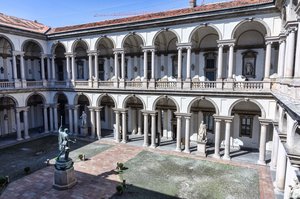 Pinacoteca di Brera |
მილანი | 1 | Christ in throne adored by angels |
ჯოვანი და মিলანო-ის ამ შერჩევაში წარმოდგენილი ნამუშევრების თარიღები მხოლოდ 6 წელს მოიცავს, 1360-დან 1365-მდე: მოკლე კარიერა, წარმოდგენილი აქ წლიდან წლამდე.
შეარჩიეთ წელი ორიგინალების სანახავად.

St. Francis of Assisi (1360). შემდეგ მოდიან The Crucifixion (1360) და Christ and the Virgin with Saints (1365).
35 წლის: St. Francis of Assisi შექმნილია 1360 წელს, ხოლო ჯოვანი და মিলანო დაიბადა 1325 წელს.
ჩვენს კატალოგში წარმოდგენილია 5 ნამუშწევრი ჯოვანი და মিলანო-ისგან, დათარიღებული 1360-დან 1365-მდე.
ძირითადად Rijksmuseum (ამსტერდამი), ნაციონალური გალერეა (ლონდონი) და Pinacoteca di Brera (მილანი)-ში. ზემოთ მოცემულ მუზეუმების ცხრილში ისინი ყველა listed.
1360-ში: ამ გვერდზე წარმოდგენილი 5 ნამუშწარwerksიდან 4 შეიქმნა მაშინ, მათგან St. Francis of Assisi.
ამ გვერდზე ყველაზე ადრეული არის St. Francis of Assisi (1360), ხოლო ყველაზე გვიანდელი — Christ and the Virgin with Saints (1365).
In the bustling streets of Florence, where the air was thick with the scent of fresh pigment and the echoes of a changing era, a painter named Giovanni di Jacopo di Guido da Caversaccio began to make his mark. Hailing from Lombardy, he arrived in Tuscany as a man seeking his fortune, appearing in the city's records as Johannes Jacobi de Commo. He was a traveler, a foreign hand among the established masters, yet his presence was felt almost immediately. His brush did not seek to reinvent the heavens, but rather to interpret them through the lens of a profound influence. He looked toward the works of Giotto, absorbing the weight of human form and the newfound sense of spatial depth that had begun to transform Italian painting. His style carried the grace of the Gothic period, yet it moved with a burgeoning naturalism that sought to ground the divine in the physical world.
This pursuit of realism was not a mere imitation. Giovanni sought to capture the subtle nuances of light and the heavy folds of drapery, giving his figures a sense of volume that commanded the space they occupied. He worked alongside others who shared this vision, including Giottino and the sons of Taddeo Gaddi, weaving his own hand into the fabric of the Florentine school. His life was a quiet struggle to find a voice amidst the giants of the age, a task he met with a steady, deliberate hand.
The works he left behind offer a glimpse into a mind preoccupied with the intersection of the sacred and the human. In the Prato Spedale della Misericordia, he produced a polyptych of the Madonna and Saints, a work that remains his oldest known signed achievement. It was a commission that required both technical precision and a deep understanding of religious narrative. Later, his hands shaped the scenes of the biblical creation myth for the Ognissanti of Florence, a large polyptych that would eventually be dismembered and scattered, its parts lost to the passage of time but its impact remaining in the memory of the city.
His skill was perhaps most clearly seen in the Rinuccini Chapel within Santa Croce. There, he decorated the upper registers of frescoes depicting the Life of the Virgin and the Life of Mary Magdalene. While other hands, such as that of Matteo di Pacino, worked the lower levels, Giovanni’s contribution provided the spiritual height of the cycle. His ability to convey emotion through a gesture or a facial expression helped bridge the gap between the stylized icons of the past and the more humanized art of the coming years.
As his career progressed, the reach of his talent extended beyond the walls of Florence. By 1369, the documentation of his life leads us to Rome, where he was working under the patronage of Pope Urban V. This period of his life shows a man who had moved from a foreign newcomer to a respected hand in the papal court, working alongside established figures in the shadow of the great masters. It was a time of significant responsibility, yet it was also the final chapter of his documented existence. He left behind a body of work that, while perhaps smaller than those of his contemporaries, possessed a clarity and a weight that spoke of a life spent mastering the language of light and form.


