გერიტ რიტველდი პორტრეტი

3 ყველაზე ცნობილი გერიტ რიტველდი-ის ნახატი, გალერეის შერჩეული კოლექცია

განახლდა ოქტომბერი 2026 · დალაგებულია ჩვენი პოპულარობის ქულების მიხედვით (ძიება, ნახვა და შეკვეთები თითოეული ნამუშწაროსთვის) · 3 ნამუშევარი გერიტ რიტველდი ჩვენს კატალოგში

მოკლედ რომ ვთქვათ

გერიტ რიტველდი-ის ყველა დატოვებული ორიგინალიდან ყველაზე ცნობილია O Haupt voll Blut und Wunden (1911), რომელიც უტრეხტი-ში მდებარე Centraal Museum-ის კოლექციაშია. მისდაក្រោយ Portrait of Anthonie Begeer (1856-1910) (1910) და Red/Blue Chair (Rood Blauwe Stoel) მოდიან. ჩვენს კატალოგში გერიტ რიტველდი-ის 3 ნამუშწარებია; გალერეამ შეინافظა ის 3 ნამუშწარო, რომლებსაც მსოფლიო ყველაზე მეტად აღიარებს, რომელთაგან თითოეული წარმოდგენილია თვის, მუზეუმისა და ისტორიის თანხლებით.

1888 – 1964, უტრექტი ყველაზე მეტი ნამشევრი: Centraal Museum

გერიტ რიტველდი-ის 10 საუკეთესო ნამუშgeryო: გალერეის არჩევანი

3
Red/Blue Chair (Rood Blauwe Stoel) ავტორის: გერიტ რიტველდი

Red/Blue Chair (Rood Blauwe Stoel)

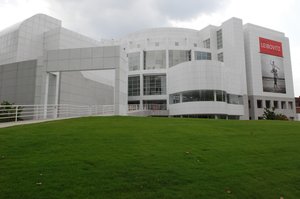
· High Museum of Art, ატლანტა

The Red/Blue Chair is perhaps the most influential and recognizable furniture design of the twentieth century because it redefined traditional notions of form and space within the confines of a practical household object. This design blurred the boundaries between painting, sculpture, and architecture. By reducing form to a series of planes and boundaries delineating space but not containing it, Rietveld erased the isolation of the object in space and gave…

მუზეუმები, სადაც გერიტ რიტველდი-ის ორიგინალები ინახება

ამ გვერდზე წარმოდგენილი მხატვრობის შედეგების უმეტესობას 2 მუზეუმი ინახავს.

მუზეუმი ქალაქი გერიტ რიტველდი შემოქმედებაలు ამ სიიდან მოპოვებული ნახატები
Centraal Museum, უტრეხტიCentraal Museum უტრეხტი 2 O Haupt voll Blut und Wunden, Portrait of Anthonie Begeer (1856-1910)
High Museum of Art, ატლანტაHigh Museum of Art ატლანტა 1 Red/Blue Chair (Rood Blauwe Stoel)

გერიტ რიტველდი წელიწადმიწლით: ორიგინალები, რომლებიც განსაზღვრავენ თითოეულ მათგანს

1910-დან 1911-მდე, სულ რაღაც 2 წელი; იხილეთ გერიტ რიტველდი-ის ყველა დათარიღებული ნამუშევარი ამ შერჩევაში: აქ თითოეული წელი თავისი საუკეთესო მხრით წარმოდგენილია.

ნამუშევრები წლების მიხედვით

შეარჩიეთ წელი ორიგინალების სანახავად.

კოლექციონერთა კითხვები გერიტ რიტველდი-ის ნახატებზე

რა ნამუშწარესით არის ყველაზე ცნობილი გერიტ რიტველდი?გაამჟღავნეთ პასუხი

O Haupt voll Blut und Wunden (1911), Centraal Museum, უტრეხტი. შემდეგ მოდიან Portrait of Anthonie Begeer (1856-1910) (1910) და Red/Blue Chair (Rood Blauwe Stoel).

რამდენage იყო გერიტ რიტველდი, როდესაც შეიქმნა O Haupt voll Blut und Wunden?გაამჟღავნეთ პასუხი

23 წლის: O Haupt voll Blut und Wunden შექმნილია 1911 წელს, ხოლო გერიტ რიტველდი დაიბადა 1888 წელს.

რამდენი სურათი დატოვა გერიტ რიტველდი-მა?გაამჟღავნეთ პასუხი

ჩვენს კატალოგში წარმოდგენილია 3 ნამუშწევრი გერიტ რიტველდი-ისგან, დათარიღებული 1910-დან 1911-მდე.

რომელ მუზეუმებშია და hangs გერიტ რიტველდი-ის შედევრული ნამუშევრები?გაამჟღავნეთ პასუხი

ძირითადად Centraal Museum (უტრეხტი) და High Museum of Art (ატლანტა)-ში. ზემოთ მოცემულ მუზეუმების ცხრილში ისინი ყველა listed.

რა არის გერიტ რიტველდი-ის პირველი და ბოლო ცნობილი ორიგინალი?გაამჟღავნეთ პასუხი

ამ გვერდზე ყველაზე ადრეული არის Portrait of Anthonie Begeer (1856-1910) (1910), ხოლო ყველაზე გვიანდელი — O Haupt voll Blut und Wunden (1911).

გერიტ რიტველდი-ის რომელ ნამუშევრებს ჰქ나 Centraal Museum-ში?გაამჟღავნეთ პასუხი

O Haupt voll Blut und Wunden და Portrait of Anthonie Begeer (1856-1910): Centraal Museum, უტრეხტი-ში წარმოდგენილია ამ გვერდზე მოცემული ნამუშევრების 2 ცალი.

გერიტ რიტველდი: ცხოვრება და შემოქმედება

The Artisan's Lineage and the Birth of Modernity

In the heart of Utrecht, where the scent of fresh sawdust and the rhythmic strike of a mallet once defined the daily rhythm, Gerrit Thomas Rietveld began his journey. Born in 1888 to a master joiner, his early years were steeped in the tactile language of wood and the disciplined precision of craftsmanship. This foundational intimacy with material was not merely a childhood memory but the very bedrock upon which he would later build a revolution. Before he ever sought to deconstruct form into abstract planes, Rietveld mastered the physical reality of the joint and the grain, honing his technical skills through night school and professional draughtsmanship. This marriage of manual dexterity and academic rigor allowed him to translate the most complex, abstract concepts into tangible, structural realities.

The Geometry of Spirit: De Stijl and the Red/Blue Chair

As the twentieth century unfolded, a radical new vision began to coalesce, one that sought to strip away the ornamental excesses of the past in favor of a pure, elemental truth. Rietveld emerged as a vital protagonist in the De Stijl movement, a group of visionaries who believed that art could be reduced to its most fundamental components: horizontal and vertical lines, and the primary triad of red, blue, and yellow. His 1917 creation, the Red/Blue Chair, stands as a profound manifesto in three dimensions. It is not merely furniture; it is a sculptural intersection of planes that defies the traditional weight of an object. By utilizing cantilevered elements and bold, primary colors, Rietveld transformed a functional household item into a dynamic exploration of space, where the boundaries between painting, sculpture, and architecture began to dissolve.

Architectural Fluidity and a Lasting Legacy

Rietveld’s ambitions eventually transcended the confines of the workshop, spilling into the very structures that house human life. His architectural masterpiece, the Rietveld Schröder House, remains one of the most radical expressions of modern living ever conceived. In this Utrecht landmark, he abandoned the static, enclosed room in favor of a fluid, metamorphic environment. Through the ingenious use of sliding walls and open planes, he created a space that could breathe and change, mirroring the dynamism of the modern age. This vision of functionalism—where beauty is found in clarity, structure, and the honest expression of form—has left an indelible mark on the history of design. From his interactions with the Bauhaus to his enduring influence on geometric abstraction, Rietveld’s legacy continues to resonate, reminding us that true innovation lies in the courage to see the world through its most essential, unadorned lines.