ფრანსისკო გოია პორტრეტი

100 ყველაზე ცნობილი ფრანსისკო გოია-ის ნახატი, გალერეის შერჩეული კოლექცია

განახლდა ნოემბერი 2026 · დალაგებულია ჩვენი პოპულარობის ქულების მიხედვით (ძიება, ნახვა და შეკვეთები თითოეული ნამუშწაროსთვის) · 1 429 ნამუშევარი ფრანსისკო გოია ჩვენს კატალოგში

მოკლედ რომ ვთქვათ

ფრანსისკო გოია-ის ყველა დატოვებული ორიგინალიდან ყველაზე ცნობილია სატურნმა თავისი ვაჟი შეყაზჷნა (1823), რომელიც მადრიდი-ში მდებარე პრადოს მუზეუმი-ის კოლექციაშია. მისდაក្រោយ მესამე მაისი, 1808 (მადრიდის დამცველების სიკვდილი) (1814) და შიშველი მაია (1798) მოდიან. ჩვენს კატალოგში ფრანსისკო გოია-ის 1,429 ნამუშწარებია; გალერეამ შეინافظა ის 100 ნამუშწარო, რომლებსაც მსოფლიო ყველაზე მეტად აღიარებს, რომელთაგან თითოეული წარმოდგენილია თვის, მუზეუმისა და ისტორიის თანხლებით.

1746 – 1828, ფუენდეტოდოსი Რომანტიზმი ყველაზე მეტი ნამشევრი: პრადოს მუზეუმი

ფრანსისკო გოია-ის 10 საუკეთესო ნამუშgeryო: გალერეის არჩევანი

1
სატურნმა თავისი ვაჟი შეყაზჷნა (1823) ავტორის: ფრანსისკო გოია

სატურნმა თავისი ვაჟი შეყაზჷნა

1823 · ზეთი ტილოზე · პრადოს მუზეუმი, მადრიდი

Francisco José de Goya y Lucientes: Saturn Devouring One Of His Sons Francisco José de Goya y Lucientes (1746–1828), a name synonymous with artistic innovation and unflinching psychological realism, stands as one of Spain’s most influential figures in the Romantic era. Born into modest circumstances in Fuendetodos, his early life was marked by ambition and dedication to mastering the conventions of academic painting – skills honed under luminaries like José…

2
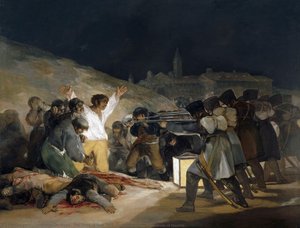
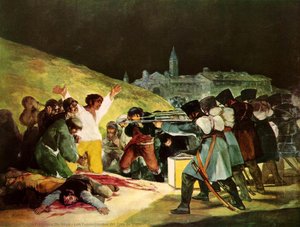
მესამე მაისი, 1808 (მადრიდის დამცველების სიკვდილი) (1814) ავტორის: ფრანსისკო გოია

მესამე მაისი, 1808 (მადრიდის დამცველების სიკვდილი)

1814 · ზეთი ტილოზე · პრადოს მუზეუმი, მადრიდი

ფრანსisko გოია (1746-1828) ესპანელი მხატვრის შედევრი, "მესამე მაისი, 1808 წლის მადრიდის აღქმისას", არის არა მხოლოდ ისტორიული 사건ის გამოსახულება, არამედ ადამიანურ ტრაგედიის გულისხმა და სიმტკიცის უნარი ომის დროს. ეს ტილო, რომელიც 1814 წელს შეიქმნა, ასახავს 1808 წლის მაისში მადრიდში მომხდარ მოვლენებს, როდესაც ესპანელები აჯანჯბობდნენ საფრანგეთის ოკუპაციის წინააღმდეგ. ნაპოლეონის არმიამ სასტიკად ჩეხა ამ აღშფოთებას, ასობით ადამიანს სიცოცხლეს მოgვარდა. გოიას ეს ტილო არის მემორიალი იმ heroებს, ვინც თავდაუწირველად ი defendingდნენ თავიანთ სამშობლოს.

3
შიშველი მაია (1798) ავტორის: ფრანსისკო გოია

შიშველი მაია

1798 · ზეთი ტილოზე · პრადოს მუზეუმი, მადრიდი

This exquisite oil painting captures a reclining nude woman, her form rendered with striking realism and delicate attention to detail. The subject’s relaxed pose, arms resting behind her head, exudes confidence and ease, inviting viewers into an intimate moment of natural beauty. Her gaze directly confronts the viewer, creating a powerful connection that challenges traditional notions of modesty and invites contemplation of female autonomy and self-assurance. The composition centers the…

4
შარლზ მეოთხე ესპანეთის და მისი ოჯახი (1800) ავტორის: ფრანსისკო გოია

შარლზ მეოთხე ესპანეთის და მისი ოჯახი

1800 · ზეთი ტილოზე

ფრანისკო გოიას "Charles IV of Spain and His Family" (Charles IV of Spain and His Family) შექმნა 1800 წელს, მნიშვნელოვანი მომენტი ესპანეთის ისტორიაში. გოია সদ্য დაინიშნეს სასახლის მხატვარი პირველად, რაც უმაღლესი პოსტი იყო, რომელიც მისთვისเปิดโอกาสให้เข้าถึงราช ოჯახს და მნიშვნელოვან სარგებლობას afforded him. ეს შეკვეთა მოვიდა იმ დროს, როდესაც ესპანეთი ურჩევნიათ phức tạp პოლიტიკურ გარემოში, მათ შორის საფრანცის რევოლუციის შემდეგ და ზრალი ხელით ნაპოლეონ ბონაფერტის ქვეყანაში. ნახატი არა მხოლოდ იყო ფორმალური პორტრეტი,…

5
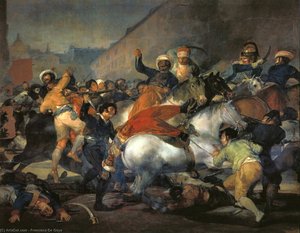
2 მაისი, 1808 წელი, პუერტა-დელ-სოლში ავტორის: ფრანსისკო გოია

2 მაისი, 1808 წელი, პუერტა-დელ-სოლში

ზეთი ტილოზე

A Chronicle of Rebellion: Goya’s “The Second of May, 1808” Francisco de Goya's "The Second of May, 1808" isn’t merely a painting; it’s a visceral scream frozen in time. Completed in 1814, this monumental oil on canvas transports us directly into the heart of the Dos de Mayo Uprising – a pivotal moment in Spanish history and a searing indictment of war's brutal realities. The scene unfolds within the Calle…

6
ძაღლი (1820) ავტორის: ფრანსისკო გოია

ძაღლი

1820 · ზეთი ტილოზე · პრადოს მუზეუმი, მადრიდი

Created in 1820 during Goya’s self-imposed exile from Madrid following the Napoleonic invasion, “Dog” resonates deeply with the anxieties of its time. The political instability gripping Spain fueled a pervasive sense of disillusionment and despair—themes that permeate Goya's broader oeuvre. This painting isn’t merely a portrait; it’s a visual manifestation of the human condition confronting solitude and questioning existence.

7
The Clothed Maja (1800) ავტორის: ფრანსისკო გოია

The Clothed Maja

1800 · ზეთი ტილოზე · პრადოს მუზეუმი, მადრიდი

In the quiet, shadowed corners of art history, few portraits command the room with as much silent authority as Francisco Goya’s The Clothed Maja. Painted in 1800, this work is far more than a mere depiction of a noblewoman; it is a profound exploration of femininity, social standing, and the psychological depth of the human spirit. The central figure, identified as María del Pilar Teresa Cayetana de Silva y Álvarez…

8
მკვდარებიანი სატყბულო (1821) ავტორის: ფრანსისკო გოია

მკვდარებიანი სატყბულო

1821 · ზეთი ტილოზე · პრადოს მუზეუმი, მადრიდი

ფრანსისკო გოიას "მახინჯება მ thuậtების" (Witches' Sabbath) – ეს არა მარტო ნახატი, არამედ სიღრმისა და საიდუმლოების მოგზაურობა. 1821 წელს შექმნილი ეს ნაწარმოები, რომელიც განთავსებულია გოიას "შავ პორტრეტებში" (Black Paintings) სერიაში, წარმოგიდგენთ საშინელ სიმაგრეს – მர்மულ, დაძაბულ სამყაროს, სადაც ბუნდოვანი ხაზები, ძლიერი კონტრასტები და შემოქმედის შინაგანი ტრფილა ერთად ქმნიან უნიკალურ ეფექტს. გოიას ნაწარმოებების ეს ნიმუში, თავისთავად, არის რევოლუციური მოძრაობის – ოდermულიズムის (Dark Romanticism) გამჭვირალი მაგალითი, რომელიც შემოქმედებს მర్మულობით, საშინელებით და გრძნობათა…

9
მკწველების საბათი 1 ავტორის: ფრანსისკო გოია

მკწველების საბათი 1

აკრილი ტილოზე

Witches' Sabbath 1: A Gothic Vision of Inquisition’s Fear Francisco de Goya’s 'Witches' Sabbath 1' stands as a chilling testament to the anxieties of Romanticism and a searing indictment of religious persecution in Spain. Painted in 1798 using oil on canvas, this monumental artwork transcends mere depiction; it plunges viewers into a realm of unsettling symbolism and psychological depth. The painting’s dark palette—dominated by blacks, browns, and muted reds—immediately establishes…

10
მეტეხილი (1812) ავტორის: ფრანსისკო გოია

მეტეხილი

1812 · ზეთი ტილოზე · პრადოს მუზეუმი, მადრიდი

Francisco Goya’s “The Colossus” isn't merely a painting; it’s an encounter with raw, untamed emotion rendered in oil on canvas. Completed in 1812 amidst the turmoil of Spain’s Peninsular War, this monumental work immediately confronts the viewer with a figure of colossal proportions – a giant seemingly emerging from the heart of a storm. This isn't a scene of triumphant victory or serene contemplation; it’s a visceral depiction of chaos,…

ფრანსისკო გოია-ის შერჩევა გრძელდება, 11-დან 100-მდე

11ჩხუბი ჯოხებით (1823) ავტორის: ფრანსისკო გოიაჩხუბი ჯოხებით1823 · პრადოს მუზეუმი 12ጠንების ფრენა ავტორის: ფრანსისკო გოიაጠንების ფრენაპრადოს მუზეუმი 13ატროპოსი (ბოჭვაჭვლები) (1823) ავტორის: ფრანსისკო გოიაატროპოსი (ბოჭვაჭვლები)1823 · პრადოს მუზეუმი 14ქოლგა (1777) ავტორის: ფრანსისკო გოიაქოლგა1777 · რენა სოფიას სახელობის ეროვნული ხელოვნების ცენტრი 15ი diduga და ჰოლოვერნე (1823) ავტორის: ფრანსისკო გოიაი diduga და ჰოლოვერნე1823 · პრადოს მუზეუმი 16ორი მოხუცი ქალი, რომლებიც ჯამიდან ჭამენ ავტორის: ფრანსისკო გოიაორი მოხუცი ქალი, რომლებიც ჯამიდან ჭამენპრადოს მუზეუმი 17ასმოდეა (1823) ავტორის: ფრანსისკო გოიაასმოდეა1823 · პრადოს მუზეუმი 18ბორდოელი რძენარე ავტორის: ფრანსისკო გოიაბორდოელი რძენარეპრადოს მუზეუმი 19The Pilgrimage of San Isidro (1823) ავტორის: ფრანსისკო გოიაThe Pilgrimage of San Isidro1823 · პრადოს მუზეუმი 20გამყიდველი კომიკოსები ავტორის: ფრანსისკო გოიაგამყიდველი კომიკოსებიКоролівська академія витончених мистецтв Сан-Фернандо 21ლეოკადია (1823) ავტორის: ფრანსისკო გოიალეოკადია1823 · პრადოს მუზეუმი 22შეშფოთებისთა სახლი ავტორის: ფრანსისკო გოიაშეშფოთებისთა სახლი 23ორი ახალგაზრდა, რომელიც კაცზე იცინის ავტორის: ფრანსისკო გოიაორი ახალგაზრდა, რომელიც კაცზე იცინისპრადოს მუზეუმი 24Witness Goya’s ‘The Third of May 1808’! A powerful Romantic masterpiece depicting Spanish resistance & war's brutality. Explore its symbolism, technique & historical impact.

The Third of May, 1808 The Execution of the Defenders of Madrid

artworks_databa ავტორის: ფრანსისკო გოიაWitness Goya’s ‘The Third of May 1808’! A powerful Romantic masterpiece depicting Spanish resistance & war's brutality. Explore its symbolism, technique & historical impact. The Third of May, 1808 The Execution of the Defenders of Madrid artworks_databa 25ლა მაჯა ნუდა (1797) ავტორის: ფრანსისკო გოიალა მაჯა ნუდა1797 26ჩარლზ მეოთხე და მისი ოჯახი ავტორის: ფრანსისკო გოიაჩარლზ მეოთხე და მისი ოჯახიპრადოს მუზეუმი 271808 წლის 3 მაისი, მადრიდში ავტორის: ფრანსისკო გოია1808 წლის 3 მაისი, მადრიდში 28გონების ძილი monsters-ს წარმოქმნის (1799) ავტორის: ფრანსისკო გოიაგონების ძილი monsters-ს წარმოქმნის1799 29დრო და ძველი ქალები (1810) ავტორის: ფრანსისკო გოიადრო და ძველი ქალები1810 · ლილ-ის ხელოვნების სასرული პალატი (Palais des Beaux-Arts) 30პორტუგალიის წმიდა იზაბელა დაჭრილი ადამიანის ჭრილობების მეთვალყურეობა ავტორის: ფრანსისკო გოიაპორტუგალიის წმიდა იზაბელა დაჭრილი ადამიანის ჭრილობების მეთვალყურეობა 31ლაზარილო დე Ტ harmed (1819) ავტორის: ფრანსისკო გოიალაზარილო დე Ტ harmed1819 32მებაღა და სავდროსო (1797) ავტორის: ფრანსისკო გოიამებაღა და სავდროსო1797 33Fire at Night (1794) ავტორის: ფრანსისკო გოიაFire at Night1794 34მეტელეული (1812) ავტორის: ფრანსისკო გოიამეტელეული1812 35Atropos (Atropos or Fate) ავტორის: ფრანსისკო გოიაAtropos (Atropos or Fate) 36მდამოწუწუნი (1785) ავტორის: ფრანსისკო გოიამდამოწუწუნი1785 37Judith and Holofernes ავტორის: ფრანსისკო გოიაJudith and Holofernes 38მავრის ნათელი (1797) ავტორის: ფრანსისკო გოიამავრის ნათელი1797 · ნაციონალური გალერეა 39The dance (1784) ავტორის: ფრანსისკო გოიაThe dance1784 · აჟუდას ეროვნული სასახლე 40And his house is on fire (1799) ავტორის: ფრანსისკო გოიაAnd his house is on fire1799 41witches sabbath ავტორის: ფრანსისკო გოიაwitches sabbath 42Manner of Flying, plate 13 in (1865) ავტორის: ფრანსისკო გოიაManner of Flying, plate 13 in1865 43사냥에서 돌아오는 길 (1784) ავტორის: ფრანსისკო გოია사냥에서 돌아오는 길1784 · აჟუდას ეროვნული სასახლე 44The Second of May 1808 (1814) ავტორის: ფრანსისკო გოიაThe Second of May 18081814 45Squealers. (1799) ავტორის: ფრანსისკო გოიაSquealers.1799 46The Yard of a Madhouse (1794) ავტორის: ფრანსისკო გოიაThe Yard of a Madhouse1794 47The Family of the Duke of Osuna ავტორის: ფრანსისკო გოიაThe Family of the Duke of Osuna 48Poor Folly (1819) ავტორის: ფრანსისკო გოიაPoor Folly1819 49Should God forgive her She was her mother (1799) ავტორის: ფრანსისკო გოიაShould God forgive her She was her mother1799 50Los Fusilamientos del Tres de Mayo ავტორის: ფრანსისკო გოიაLos Fusilamientos del Tres de Mayo 51There it goes (1799) ავტორის: ფრანსისკო გოიაThere it goes1799 52Spanish Entertainment (1825) ავტორის: ფრანსისკო გოიაSpanish Entertainment1825 53Love and Death (1799) ავტორის: ფრანსისკო გოიაLove and Death1799 54The dog - - (1823) ავტორის: ფრანსისკო გოიაThe dog - -1823 55Strolling Players (1793) ავტორის: ფრანსისკო გოიაStrolling Players1793 56The Duchess of Alba, Sketch (1796) ავტორის: ფრანსისკო გოიაThe Duchess of Alba, Sketch1796 · Hispanic Society Museum - Library 57Bartholomew Suerda (1806) ავტორის: ფრანსისკო გოიაBartholomew Suerda1806 58Portrait of King Charles IV (1790) ავტორის: ფრანსისკო გოიაPortrait of King Charles IV1790 · პრადოს მუზეუმი 59The Holy Family (1787) ავტორის: ფრანსისკო გოიაThe Holy Family1787 · პრადოს მუზეუმი 60The Arrest of Christ (1788) ავტორის: ფრანსისკო გოიაThe Arrest of Christ1788 · Toledo Cathedral 61დონა ტერெ사 სურედა - - (1805) ავტორის: ფრანსისკო გოიადონა ტერெ사 სურედა - -1805 62The inquisition tribunal ავტორის: ფრანსისკო გოიაThe inquisition tribunal 63They who Cannot (1799) ავტორის: ფრანსისკო გოიაThey who Cannot1799 64What Will he Die. (1799) ავტორის: ფრანსისკო გოიაWhat Will he Die.1799 65Maja and Celestina on a Balcony (1812) ავტორის: ფრანსისკო გოიაMaja and Celestina on a Balcony1812 66Saint Lucy (1799) ავტორის: ფრანსისკო გოიაSaint Lucy1799 · ბავარიის სახელმწიფო ფერწერის კოლექციები 67Charles IV, King of Spain (1790) ავტორის: ფრანსისკო გოიაCharles IV, King of Spain1790 · ჰარვარდის ხელოვნების მუზეუმები 68She prays for her (1799) ავტორის: ფრანსისკო გოიაShe prays for her1799 69Bravissimo (1799) ავტორის: ფრანსისკო გოიაBravissimo1799 70What more can one do. (1815) ავტორის: ფრანსისკო გოიაWhat more can one do.1815 71Girl Listening to a Guitar (1799) ავტორის: ფრანსისკო გოიაGirl Listening to a Guitar1799 72მარია ლუისა დედოფლის მანტილა ფრანსისკო გოიამ (1799) ავტორის: ფრანსისკო გოიამარია ლუისა დედოფლის მანტილა ფრანსისკო გოიამ1799 · Palacio Real 73Portrait of Don Francisco de Borja Tellez Giron (1816) ავტორის: ფრანსისკო გოიაPortrait of Don Francisco de Borja Tellez Giron1816 74Neither more nor less (1799) ავტორის: ფრანსისკო გოიაNeither more nor less1799 75El comercio ავტორის: ფრანსისკო გოიაEl comercio 76Why hide them. (1799) ავტორის: ფრანსისკო გოიაWhy hide them.1799 77The Great He-Goat or Witches Sabbath d1 ავტორის: ფრანსისკო გოიაThe Great He-Goat or Witches Sabbath d1 78Poor little girls! (1799) ავტორის: ფრანსისკო გოიაPoor little girls!1799 79They spin finely (1799) ავტორის: ფრანსისკო გოიაThey spin finely1799 80Those Specks of Dust (1799) ავტორის: ფრანსისკო გოიაThose Specks of Dust1799 81They have flown (1799) ავტორის: ფრანსისკო გოიაThey have flown1799 82They Sing for the Composer (1797) ავტორის: ფრანსისკო გოიაThey Sing for the Composer1797 83Queen María Luisa (1789) ავტორის: ფრანსისკო გოიაQueen María Luisa1789 84War scene (1812) ავტორის: ფრანსისკო გოიაWar scene1812 85Till death (1799) ავტორის: ფრანსისკო გოიაTill death1799 86All will fall (1799) ავტორის: ფრანსისკო გოიაAll will fall1799 87Witches Sabbath (1789) ავტორის: ფრანსისკო გოიაWitches Sabbath1789 88The Countess of Chinchón ავტორის: ფრანსისკო გოიაThe Countess of Chinchón 89Little goblins (1799) ავტორის: ფრანსისკო გოიაLittle goblins1799 90The Water Carrier ( (1812) ავტორის: ფრანსისკო გოიაThe Water Carrier (1812 · Szépművészeti Múzeum 91Portrait of Ferdinand VII of Spain (1808) ავტორის: ფრანსისკო გოიაPortrait of Ferdinand VII of Spain1808 · Μουσείο Τέχνης Σαο Παυλοῦ Άσσις Χατεάουμπριάνδ 92Self-Portrait (1799) ავტორის: ფრანსისკო გოიაSelf-Portrait1799 93Fight with Clubs ავტორის: ფრანსისკო გოიაFight with Clubs 94This certainly is reading (1799) ავტორის: ფრანსისკო გოიაThis certainly is reading1799 95Subir y bajar ავტორის: ფრანსისკო გოიაSubir y bajar 96The Giant ავტორის: ფრანსისკო გოიაThe Giant 97the colossus ავტორის: ფრანსისკო გოიაthe colossus 98Sharing the Old Woman (1810) ავტორის: ფრანსისკო გოიაSharing the Old Woman1810 99The Great He Goat or Witches Sabbath ავტორის: ფრანსისკო გოიაThe Great He Goat or Witches Sabbath 100To the Count Palatine (1799) ავტორის: ფრანსისკო გოიაTo the Count Palatine1799

ფრანსისკო გოია-ის ცნობილი სურათები, პერიოდების მიხედვით

მწიფე პერიოდი

1805 – 1819 · 3 ნამუშწარwerks ამ სიაში

სუბიექტები, რომლებმაც ფრანსისკო გოია-ის ყურადღება მიიპყრო

ამ ორიგინალებში ყველაზე ხშირად განმეორებადი არის 네 თემა, რომელთაგან თითოეულს თავისი საუკეთესო ნიმუში წარმოგვიდგება.

მუზეუმები, სადაც ფრანსისკო გოია-ის ორიგინალები ინახება

ამ გვერდზე წარმოდგენილი მხატვრობის შედეგების უმეტესობას 8 მუზეუმი ინახავს.

მუზეუმი ქალაქი ფრანსისკო გოია შემოქმედებაలు ამ სიიდან მოპოვებული ნახატები
პრადოს მუზეუმი, მადრიდიპრადოს მუზეუმი მადრიდი 131 სატურნმა თავისი ვაჟი შეყაზჷნა, მესამე მაისი, 1808 (მადრიდის დამცველების სიკვდილი), შიშველი მაია
აჟუდას ეროვნული სასახლე, ლისაბონიაჟუდას ეროვნული სასახლე ლისაბონი 10 The dance, 사냥에서 돌아오는 길
ბავარიის სახელმწიფო ფერწერის კოლექციები, მუნხენიბავარიის სახელმწიფო ფერწერის კოლექციები მუნხენი 13 Saint Lucy
Королівська академія витончених мистецтв Сан-Фернандо, マドリードКоролівська академія витончених мистецтв Сан-Фернандо マドリード 11 გამყიდველი კომიკოსები
Hispanic Society Museum - Library, ნიუ-იორკიHispanic Society Museum - Library ნიუ-იორკი 6 The Duchess of Alba, Sketch
ნაციონალური გალერეა, ლონდონინაციონალური გალერეა ლონდონი 5 მავრის ნათელი
Szépművészeti Múzeum, ბუდაპეშტიSzépművészeti Múzeum ბუდაპეშტი 5 The Water Carrier (
Μουσείο Τέχνης Σαο Παυλοῦ Άσσις Χατεάουμπριάνδ, საო პაულოΜουσείο Τέχνης Σαο Παυλοῦ Άσσις Χατεάουμπριάνδ საო პაულო 4 Portrait of Ferdinand VII of Spain

ფრანსისკო გოია ათწლეულების მიხედვით: ორიგინალი, რომელიც განსაზღვრავს თითოეულ მათგანს

ნამუშევრები ათწლეულების მიხედვით

შეარჩიეთ ათწლეული, რათა ნახოთ ის ორიგინალი ნამუშევარი, რომელიც მას განსაზღვრავს.

კოლექციონერთა კითხვები ფრანსისკო გოია-ის ნახატებზე

რა ნამუშწარესით არის ყველაზე ცნობილი ფრანსისკო გოია?გაამჟღავნეთ პასუხი

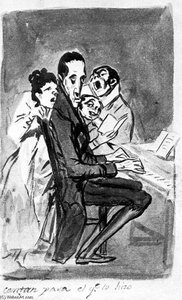
სატურნმა თავისი ვაჟი შეყაზჷნა (1823), პრადოს მუზეუმი, მადრიდი. შემდეგ მოდიან მესამე მაისი, 1808 (მადრიდის დამცველების სიკვდილი) (1814) და შიშველი მაია (1798).

რამდენage იყო ფრანსისკო გოია, როდესაც შეიქმნა სატურნმა თავისი ვაჟი შეყაზჷნა?გაამჟღავნეთ პასუხი

77 წლის: სატურნმა თავისი ვაჟი შეყაზჷნა შექმნილია 1823 წელს, ხოლო ფრანსისკო გოია დაიბადა 1746 წელს.

რა არის ფრანსისკო გოია-ის 열 иң ცნობილი 열ი ტილო?გაამჟღავნეთ პასუხი

სატურნმა თავისი ვაჟი შეყაზჷნა, მესამე მაისი, 1808 (მადრიდის დამცველების სიკვდილი), შიშველი მაია, შარლზ მეოთხე ესპანეთის და მისი ოჯახი, 2 მაისი, 1808 წელი, პუერტა-დელ-სოლში, ძაღლი, The Clothed Maja, მკვდარებიანი სატყბულო, მკწველების საბათი 1 და მეტეხილი. ზემოთ მოცემული რეიტინგი ასახავს თითოეულის შემოქმედების წელსა და მუზეუმს.

რამდენი სურათი დატოვა ფრანსისკო გოია-მა?გაამჟღავნეთ პასუხი

ჩვენს კატალოგში წარმოდგენილია 1,429 ნამუშწევრი ფრანსისკო გოია-ისგან, დათარიღებული 1777-დან 1825-მდე.

რომელ მუზეუმებშია და hangs ფრანსისკო გოია-ის შედევრული ნამუშევრები?გაამჟღავნეთ პასუხი

ძირითადად პრადოს მუზეუმი (მადრიდი), აჟუდას ეროვნული სასახლე (ლისაბონი) და ბავარიის სახელმწიფო ფერწერის კოლექციები (მუნხენი)-ში. ზემოთ მოცემულ მუზეუმების ცხრილში ისინი ყველა listed.

მათ რომელ წლებში შექმნა ფრანსისკო გოია-მა ყველაზე ცნობილი ნამუშევრები?გაამჟღავნეთ პასუხი

1790s-ში: ამ გვერდზე წარმოდგენილი 100 ნამუშწარwerksიდან 36 შეიქმნა მაშინ, მათგან შიშველი მაია.

რა არის ფრანსისკო გოია-ის პირველი და ბოლო ცნობილი ორიგინალი?გაამჟღავნეთ პასუხი

ამ გვერდზე ყველაზე ადრეული არის ქოლგა (1777), ხოლო ყველაზე გვიანდელი — Spanish Entertainment (1825).

რომელ თემებს ირჩევდა ფრანსისკო გოია ყველაზე ხშირად?გაამჟღავნეთ პასუხი

Goya (14), Darkness (12) და Ესპანური ხელოვნება (9), ამ გვერდზე წარმოდგენილ 100 ნამუშწარეს შორის.

რომელ ტექნიკას იყენებდა ფრანსისკო გოია ყველაზე ხშირად?გაამჟღავნეთ პასუხი

Ზეთი ტილოზე, ამ გვერდზე არსებული 100 ნამუშწაროსგან 26 ცალიდან.

რა ხელოვნების მიმართულებას მიეკუთვნება ფრანსისკო გოია?გაამჟღავნეთ პასუხი

Რომანტიზმი, ამ გვერდზე წარმოდგენილი ორიგინალების მიხედვით.

ფრანსისკო გოია-ის რომელ ნამუშევრებს ჰქ나 პრადოს მუზეუმი-ში?გაამჟღავნეთ პასუხი

სატურნმა თავისი ვაჟი შეყაზჷნა, მესამე მაისი, 1808 (მადრიდის დამცველების სიკვდილი) და შიშველი მაია: პრადოს მუზეუმი, მადრიდი-ში წარმოდგენილია ამ გვერდზე მოცემული ნამუშევრების 20 ცალი.

ფრანსისკო გოია: ცხოვრება და შემოქმედება

Early Life, Family and Training

Francisco José de Goya y Lucientes was born on 30 March 1746 in Fuendetodos, Aragon. He grew up in a lower middle-class household alongside his siblings: Rita, Tomás, Jacinta, Mariano, and Camilo. His father, José Benito de Goya y Franque, worked as a gilder, a trade that required a steady hand and an eye for detail. This domestic setting provided the early, quiet backdrop to a life that would eventually move far beyond the provincial borders of his birthplace.

At the age of fourteen, his formal training began. He studied under José Luzán y Martínez, learning the foundational mechanics of his craft. These early years were spent absorbing the technical requirements of the medium before he eventually moved to Madrid. In the capital, his education continued under Anton Raphael Mengs, a significant figure in the artistic circles of the time. This transition from the provincial instruction of his youth to the formal environment of Madrid shaped the technical precision he would carry into his later years.

Patrons, Workshop and Commissions

The steady climb through the Spanish court began in 1786, when he was named a painter to the Royal Chamber. By 1790, his position had solidified as the first court painter. His work was tied to the shifting fortunes of the monarchy, serving as a painter to Charles IV and later to Ferdinand VII. These roles brought him into constant contact with the aristocracy, requiring a steady hand for the portraits and official duties expected by the Crown.

Between 1775 and 1792, much of his output was directed toward the Royal Tapestry Factory at Santa Barbara near Madrid. He produced the preliminary designs for these works, often depicting scenes of daily life and rural settings. These commissions required a specific kind of precision to ensure the imagery translated well from canvas to thread. His studio was a place of constant production, moving from these decorative designs to the more formal, psychological studies of the royal family.

Key Works and Artistic Periods

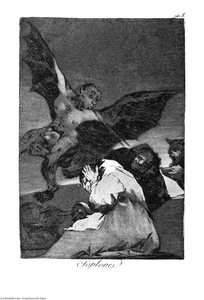
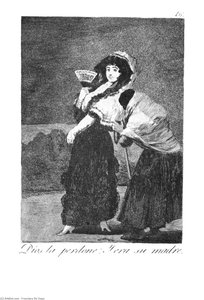
The shift in his work became visible as his world grew quieter. In 1799, he produced Los Caprichos, a series of eighty etchings. These prints used aquatint to look at the follies and superstitions of Spanish society, populating the pages with witches and monsters. This period of intense observation continued through the years of conflict in Spain. Between 1810 and 1820, he created The Disasters of War, a series of etchings that recorded the brutality and starvation of the Peninsular War. These works do not look for heroism; they focus on the raw suffering of the people.

By 1814, he had completed The Third of May 1808, a painting that captures the execution of defenders in Madrid. As he moved into his later years, his focus turned toward the walls of his home, the Quinta del Sordo. Between 1819 and 1823, he painted the Black Paintings directly onto the plaster. These murals, including Saturn Devouring His Son and Asmodea, deal with madness and existential dread. They are heavy, dark, and stripped of the lighter themes of his earlier years.

In his final years in Bordeaux, he turned his attention to the spectacle of the bullring. This resulted in the La Tauromaquia series, which explored the violence of the bullfight. His output remained steady until his death, moving from the social critiques of his youth to the deep, private shadows of his later life.

Technique and Style

His hands moved through a wide range of textures and methods. In his printmaking, he utilized aquatint to create tonal depth and experimented with lithography in his later years. These technical choices allowed him to move between the sharp, biting lines of satire and the softer, more atmospheric qualities of his drawings. His output was varied, shifting from the social critiques found in Los Caprichos to the heavy, visceral depictions of the Disasters of War. He also turned his attention to the spectacle of the bullring in his La Tauromaquia series.

The way he applied paint changed as his life became more isolated. For the Black Paintings, he did not use a traditional canvas. Instead, he applied oil paint directly onto the plaster walls of his home. This method resulted in a heavy, somber quality that captured a sense of psychological weight. His work often moved from the lighter, more decorative scenes of his early career toward a style that prioritized expressive freedom. This shift is visible in the way he handled light and shadow to reveal character rather than just a likeness.

Later Years and Death

By 1819, Goya was in his mid-seventies when he retreated to the Quinta del Sordo, a farmhouse on the outskirts of Madrid. The walls of this house became a canvas for his most intense and private visions, where he applied oil paint directly onto the plaster to create the Black Paintings. These works, including Saturn Devouring His Son and Asmodea, emerged from a period of deep isolation. He continued to produce work that explored the darker, more unsettling corners of the human psyche during these years.

Political unrest in Spain eventually prompted a change in his surroundings. In 1824, he sought exile in Bordeaux, France. He remained there, continuing his practice and focusing on printmaking, until his death on 16 April 1828. His final years in Bordeaux were marked by a renewed interest in the spectacle of the bullring, seen in his La Tauromaquia series.

Legacy and Influence

The weight of his work sits heavily between two eras. He is often called the last of the Old Masters and the first of the moderns, a position that marks the transition from the structured traditions of the past to the expressive freedom of the new. As a leader of the Romanticism movement, he moved away from the polished surfaces of his early courtly years toward a style that prioritized the raw reality of the human condition. His ability to capture the psychological truth of a sitter, even in the most unsettling or dark compositions, changed how artists approached the canvas.

This shift toward a more subjective and intense way of seeing left a mark on those who followed. His influence reaches through the decades, appearing in the works of Édouard Manet and Pablo Picasso. Later, the visceral, distorted energy found in the paintings of Francis Bacon carries echoes of the darkness Goya explored. He remains the most important Spanish artist of the late eighteenth and early nineteenth centuries, having bridged the gap between the formal requirements of the Spanish Crown and the inward, often turbulent, explorations of the individual spirit.