ეჟენ ბუდენი პორტრეტი

100 ყველაზე ცნობილი ეჟენ ბუდენი-ის ნახატი, თითოეული მათგანი უნიკალური

განახლდა ნოემბერი 2026 · დალაგებულია ჩვენი პოპულარობის ქულების მიხედვით (ძიება, ნახვა და შეკვეთები თითოეული ნამუშწაროსთვის) · 1 117 ნამუშევარი ეჟენ ბუდენი ჩვენს კატალოგში

მოკლედ რომ ვთქვათ

Le Havre, the Francois I Tower (also known as François 1 Tower) (1852) არის ეჟენ ბუდენი-ის ის ნამუშწარო, რომელიც ყველაზე მეტ ყურადღებას იქცევს; ორიგინალი იმყოფება ანდრე მალროს თანამედროვე ხელოვნების მუზეუმი-ში, ლე ჰავრი. ამის შემდეგ, მზერა გადადის მდინარე აბევილთან ახლოს (1894)-სა და დიეპპი (1892)-ზე. ჩვენს კატალოგში არსებული ეჟენ ბუდენი-ის 1,117 ნამუშწაროდან ეს 100 ყველაზე ცნობილია; თითოეული მათგანი წარმოადგენს უნიკალურ ორიგინალს, რომელიც წარმოდგენილია წელით, მუზეუმითა და იმ მიზეზით, რის გამოც ის დღემდე ცოცხლობს.

1824 – 1898, ონფლერი Იმპრესიონიზმი ყველაზე მეტი ნამشევრი: Musée d'Orsay

ეჟენ ბუდენი-ის 10 საუკეთესო ნამუშgeryო, გალერეის თcraftით

1
Le Havre, the Francois I Tower (also known as François 1 Tower) (1852) ავტორის: ეჟენ ბუდენი

Le Havre, the Francois I Tower (also known as François 1 Tower)

In 1852, Eugène Louis Boudin turned his gaze toward the salt-heavy air of the Normandy coast. His landscape painting, Le Havre, the Francois I Tower (also known as François 1 Tower), captures a specific moment of stillness within the French port of Le Havre, France. The canvas holds a coastal scene where the sea meets the stone of a historical fortress.

2
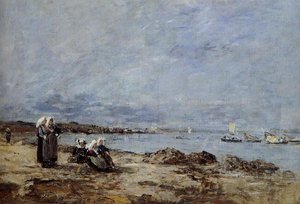
მდინარე აბევილთან ახლოს (1894) ავტორის: ეჟენ ბუდენი

მდინარე აბევილთან ახლოს

1894 · ზეთი ტილოზე

ევგენე ბუდინის მდინარე აბევილთან ახლოს-ზე ჭვრეტა ნიშნავს მომენტალურ გადატანას დროში გაყინულ სურათში—სრულყოფილ, მზისგან დაფარილად ნათელ შუადღედს საფრანგეთის წყლის გასწვრივ. ეს ნამუშევარი უფრო მეტია, ვიდრე უბრალოდ წყლისა და ხეების აღწერა; ეს არის თავად სინათლის არსში შთთრევა. სცენა საოცარი სიმშვიდით იშლება, თუმცა ამ მშვიდი ზედაპირის მიღმა იმ ეპოქისთვის დამახასიათებელი დინამიკური ენერგია იმალება. თითქოს ყურს შეუძლია მოისმინოს გადისებელ ნავებს მათ კორპუსზე მომზღდარი წყლის რბილი ჟღერადობა და იგრძნოს შორს მდებარე ფოთლებს შორის მოქცეული მსუბუქი…

3
დიეპპი (1892) ავტორის: ეჟენ ბუდენი

დიეპპი

1892 · აკრილი ტილოზე · Musee des Beaux-Arts, Dieppe

Dieppe, the Pollet Cliffs – Eugène Louis Boudin’s Atmospheric Vision Eugène Louis Boudin's “Dieppe, the Pollet Cliffs” transcends mere depiction; it embodies a pivotal moment in Impressionist art and captures the essence of coastal Normandy at the cusp of the 19th century. Painted in 1892, this canvas isn’t simply a landscape—it’s an embodiment of Boudin's unwavering dedication to portraying light and atmosphere with unparalleled sensitivity. The scene unfolds before us:…

4
View from the Camaret Heights (1873) ავტორის: ეჟენ ბუდენი

View from the Camaret Heights

1873 · Oil On Canvas

The air feels heavy with the scent of salt and damp earth as the eye travels across this coastal landscape. A windmill stands as a silent sentinel in the middle ground, its form anchored against a backdrop of soft, shifting light. Below, the land rolls in gentle, organic curves, where livestock graze peacefully and figures move with a slow, unhurried grace. The scene is divided into rhythmic horizontal bands, leading…

7
Sailing Ships at Deauville (1896) ავტორის: ეჟენ ბუდენი

Sailing Ships at Deauville

1896 · Acrylic · National Gallery of Art, ვაშინგტონი

A Moment Frozen in Light: Eugène Louis Boudin’s Sailing Ships at Deauville Eugène Louis Boudin's "Sailing Ships at Deauville," painted in 1896, isn’t merely a depiction of a seaside harbor; it’s an embodiment of Impressionism’s core philosophy—the pursuit of capturing the ephemeral beauty of a single instant. Born in Honfleur, France, Boudin's upbringing amidst the turbulent waters of Normandy profoundly shaped his artistic sensibility. Unlike many artists of his time…

8
On the Beach (1863) ავტორის: ეჟენ ბუდენი

On the Beach

1863 · Watercolor

In this watercolor from 1863, we find ourselves on the sandy shores of Trouville, Normandy. The scene captures a quiet, unhurried afternoon where a small group of women, dressed in long gowns and hats, have gathered to enjoy the fresh sea air. There is a sense of stillness here, despite the presence of life. The figures are rendered with quick, delicate dabs of paint, appearing almost as fleeting impressions against…

9
Fishermen of Kerhor Receiving a Blessing at Plougastel (1870) ავტორის: ეჟენ ბუდენი

Fishermen of Kerhor Receiving a Blessing at Plougastel

1870 · Oil

The artist’s approach to this scene relies on a directness born from working outdoors. Rather than relying on the controlled lighting of a studio, the composition captures the way light actually behaves on a shifting coastline. The brushwork is deliberate, building up layers of pigment to mimic the specific textures of the sand and the wet wood of the boats. There is a focus on the atmosphere—the way the sky…

10
Deauville, the Beach, Low Tide (1887) ავტორის: ეჟენ ბუდენი

Deauville, the Beach, Low Tide

1887 · Oil On Canvas

The painting titled Deauville, the Beach, Low Tide is an oil work by the French artist Eugène Louis Boudin. Created in 1887, the scene captures a specific moment on the Normandy coast. It depicts a wide expanse of sand revealed by the receding waters, where the shoreline becomes a stage for quiet activity. Small figures are scattered across the coast, some standing near the edge of the tide while others…

ეჟენ ბუდენი-ის ცნობილი ნამუშევრები, 11-დან 100-მდე ნომრებით

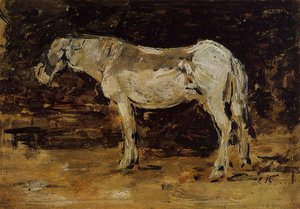
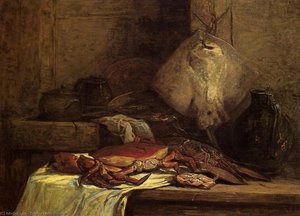
11Crinolines on the Beach (1863) ავტორის: ეჟენ ბუდენიCrinolines on the Beach1863 · Collection Bemberg 12Beach Scene, Trouville (1863) ავტორის: ეჟენ ბუდენიBeach Scene, Trouville1863 · National Gallery of Art 13Approaching Storm (1864) ავტორის: ეჟენ ბუდენიApproaching Storm1864 · ჩიკაგოს ხელოვნების ინსტიტუტი 14Fisherwomen at Berck (1875) ავტორის: ეჟენ ბუდენიFisherwomen at Berck1875 15Portrieux (1874) ავტორის: ეჟენ ბუდენიPortrieux1874 · უნგრეთის ეროვნული გალერეა 16Cows in a Pasture (1883) ავტორის: ეჟენ ბუდენიCows in a Pasture1883 17Le Havre, The Outer Harbor at Sunset (1882) ავტორის: ეჟენ ბუდენიLe Havre, The Outer Harbor at Sunset1882 · Museum Barberini 18Barges on the canal at Saint-Valery-sur-Somme (1891) ავტორის: ეჟენ ბუდენიBarges on the canal at Saint-Valery-sur-Somme1891 19The White Horse (1887) ავტორის: ეჟენ ბუდენიThe White Horse1887 20Cayeux, Windmill in the Countryside, Morning (1890) ავტორის: ეჟენ ბუდენიCayeux, Windmill in the Countryside, Morning1890 21Fishing Boats at Sea (1895) ავტორის: ეჟენ ბუდენიFishing Boats at Sea1895 22Fecamp, the Basin (1892) ავტორის: ეჟენ ბუდენიFecamp, the Basin1892 23Laundresses by a Stream ავტორის: ეჟენ ბუდენიLaundresses by a Streamნაციონალური გალერეა 24Fruit and Vegetables with a Parrot (1869) ავტორის: ეჟენ ბუდენიFruit and Vegetables with a Parrot1869 25Fish, Skate and Dogfish (1873) ავტორის: ეჟენ ბუდენიFish, Skate and Dogfish1873 26Near Honfleur (1853) ავტორის: ეჟენ ბუდენიNear Honfleur1853 27Beach Scene, Trouville (1863) ავტორის: ეჟენ ბუდენიBeach Scene, Trouville1863 · მეტროპოლიტენის ხელოვნების მუზეუმი 28Strand in Trouville (1863) ავტორის: ეჟენ ბუდენიStrand in Trouville1863 29Troaon in Hospital-Camfrout (1871) ავტორის: ეჟენ ბუდენიTroaon in Hospital-Camfrout1871 · ლიბერეცის რეგიონული გალერეა 30Trouville (1866) ავტორის: ეჟენ ბუდენიTrouville1866 31Untitled (1870) ავტორის: ეჟენ ბუდენიUntitled1870 32The Entrance (1865) ავტორის: ეჟენ ბუდენიThe Entrance1865 33The Trouville Jetty (1867) ავტორის: ეჟენ ბუდენიThe Trouville Jetty1867 34Beach at Trouville (1864) ავტორის: ეჟენ ბუდენიBeach at Trouville1864 35Le Havre. Entrance to the Port. (1864) ავტორის: ეჟენ ბუდენიLe Havre. Entrance to the Port.1864 36Drinkers on the Farm at Saint-Simeon (1867) ავტორის: ეჟენ ბუდენიDrinkers on the Farm at Saint-Simeon1867 37Le Havre, the regatta festival (1869) ავტორის: ეჟენ ბუდენიLe Havre, the regatta festival1869 38Women on the Beach, Rough Seas (1870) ავტორის: ეჟენ ბუდენიWomen on the Beach, Rough Seas1870 39By the Bathing Machines (1866) ავტორის: ეჟენ ბუდენიBy the Bathing Machines1866 40Plougastel, Women Waiting for the Ferry (1870) ავტორის: ეჟენ ბუდენიPlougastel, Women Waiting for the Ferry1870 41Marines Landing in Brest Harbor (1870) ავტორის: ეჟენ ბუდენიMarines Landing in Brest Harbor1870 42The Market at Landerneau (1870) ავტორის: ეჟენ ბუდენიThe Market at Landerneau1870 43View of the Harbor at Trouville (1864) ავტორის: ეჟენ ბუდენიView of the Harbor at Trouville1864 44The Beach at Trouville (1869) ავტორის: ეჟენ ბუდენიThe Beach at Trouville1869 · სენტ-ლუისის ხელოვნების მუზეუმი 45Crab, Lobster and Fish (also known as Still Life with Skate) (1860) ავტორის: ეჟენ ბუდენიCrab, Lobster and Fish (also known as Still Life with Skate)1860 46Cherbourg (1883) ავტორის: ეჟენ ბუდენიCherbourg1883 47Crinolines on the Beach (1872) ავტორის: ეჟენ ბუდენიCrinolines on the Beach1872 48The port Portrieux at low tide (1872) ავტორის: ეჟენ ბუდენიThe port Portrieux at low tide1872 49Fishing Boats at Berck (1878) ავტორის: ეჟენ ბუდენიFishing Boats at Berck1878 50The port Portrieux at low tide (1874) ავტორის: ეჟენ ბუდენიThe port Portrieux at low tide1874 51Fervaques, Garden and House of Monsieur Jacuette (1877) ავტორის: ეჟენ ბუდენიFervaques, Garden and House of Monsieur Jacuette1877 52Market at Trouville (1878) ავტორის: ეჟენ ბუდენიMarket at Trouville1878 53Trouville, Beach Scene (1879) ავტორის: ეჟენ ბუდენიTrouville, Beach Scene1879 54View of Dordrecht (1884) ავტორის: ეჟენ ბუდენიView of Dordrecht1884 · Dordrechts Museum 55Beach Scene (1879) ავტორის: ეჟენ ბუდენიBeach Scene1879 56Sailing Boats at Anchor (1883) ავტორის: ეჟენ ბუდენიSailing Boats at Anchor1883 57Laundresses (1882) ავტორის: ეჟენ ბუდენიLaundresses1882 58Washerwomen by a River (1885) ავტორის: ეჟენ ბუდენიWasherwomen by a River1885 59The Seine at Caudebec-en-Caux (1889) ავტორის: ეჟენ ბუდენიThe Seine at Caudebec-en-Caux1889 · ლე ჰავრის ხელოვნების მუზეუმი 60Women Washing Clothes at Étretat (1890) ავტორის: ეჟენ ბუდენიWomen Washing Clothes at Étretat1890 · გენტის fine arts-ის მ્યુზეუმი (MSK) 61March in Honfleur (1889) ავტორის: ეჟენ ბუდენიMarch in Honfleur1889 · ლიბერეცის რეგიონული გალერეა 62Untitled (1890) ავტორის: ეჟენ ბუდენიUntitled1890 63Low Tide at Saint-Vaast-la-Hougue (1890) ავტორის: ეჟენ ბუდენიLow Tide at Saint-Vaast-la-Hougue1890 64Laundresses on the Banks of the Touques (1887) ავტორის: ეჟენ ბუდენიLaundresses on the Banks of the Touques1887 65Deauville, the Harbor (1887) ავტორის: ეჟენ ბუდენიDeauville, the Harbor1887 66Deauville, the Dunes (1888) ავტორის: ეჟენ ბუდენიDeauville, the Dunes1888 67The Canal at Saint-Valery-sur-Somme (1891) ავტორის: ეჟენ ბუდენიThe Canal at Saint-Valery-sur-Somme1891 68The Seine at Caudebec-en-Caux (1889) ავტორის: ეჟენ ბუდენიThe Seine at Caudebec-en-Caux1889 69Le Havre. Avent Port. (1887) ავტორის: ეჟენ ბუდენიLe Havre. Avent Port.1887 70Dunkirk, the Inner Port (1889) ავტორის: ეჟენ ბუდენიDunkirk, the Inner Port1889 71Le Havre, the Casimir Delavigne Basin (1892) ავტორის: ეჟენ ბუდენიLe Havre, the Casimir Delavigne Basin1892 72Le Havre, the Outer Port (1894) ავტორის: ეჟენ ბუდენიLe Havre, the Outer Port1894 73Deauville, the Harbor (1897) ავტორის: ეჟენ ბუდენიDeauville, the Harbor1897 74Rouen, View over the River Seine (1895) ავტორის: ეჟენ ბუდენიRouen, View over the River Seine1895 75The Harbor at Deauville (1896) ავტორის: ეჟენ ბუდენიThe Harbor at Deauville1896 76Venice (1895) ავტორის: ეჟენ ბუდენიVenice1895 77The Lock at Trouville (1894) ავტორის: ეჟენ ბუდენიThe Lock at Trouville1894 78Beach Scene, Villers (1894) ავტორის: ეჟენ ბუდენიBeach Scene, Villers1894 79Golfe-Juan, the Bay and the Mountains of Esterel (1893) ავტორის: ეჟენ ბუდენიGolfe-Juan, the Bay and the Mountains of Esterel1893 80Deauville, Norwegian Three-Master Leaving Port (1897) ავტორის: ეჟენ ბუდენიDeauville, Norwegian Three-Master Leaving Port1897 81The Bridge over the Toques at Deauville (1895) ავტორის: ეჟენ ბუდენიThe Bridge over the Toques at Deauville1895 82Trouville, the Inner Port, Low tide (1881) ავტორის: ეჟენ ბუდენიTrouville, the Inner Port, Low tide1881 83Criqueboeuf, the Church (1880) ავტორის: ეჟენ ბუდენიCriqueboeuf, the Church1880 84Horses for Hire in a Yard (1887) ავტორის: ეჟენ ბუდენიHorses for Hire in a Yard1887 85The Beach at Trouville (1868) ავტორის: ეჟენ ბუდენიThe Beach at Trouville1868 · Musée d'Orsay 86The Beach (1871) ავტორის: ეჟენ ბუდენიThe Beach1871 87ვილიფრანშეს კარიერა (1892) ავტორის: ეჟენ ბუდენივილიფრანშეს კარიერა1892 88River near Dunkirk (1889) ავტორის: ეჟენ ბუდენიRiver near Dunkirk1889 89The Beach at Tourgéville-les-Sablons ავტორის: ეჟენ ბუდენიThe Beach at Tourgéville-les-Sablonsნაციონალური გალერეა 90Seacost Bindy in Logonna Daoulas (1871) ავტორის: ეჟენ ბუდენიSeacost Bindy in Logonna Daoulas1871 · ლიბერეცის რეგიონული გალერეა 91The Entrance to the Port of Honfleur (1865) ავტორის: ეჟენ ბუდენიThe Entrance to the Port of Honfleur1865 92The Beach at Trouville (1867) ავტორის: ეჟენ ბუდენიThe Beach at Trouville1867 · Musée d'Orsay 93Deauville, Ships at Dock (1896) ავტორის: ეჟენ ბუდენიDeauville, Ships at Dock1896 94Fervaques, a Village Street (1881) ავტორის: ეჟენ ბუდენიFervaques, a Village Street1881 95Port of Bordeaux (1874) ავტორის: ეჟენ ბუდენიPort of Bordeaux1874 · Musée d'Orsay 96Pheasant, Duck and Fruit (1879) ავტორის: ეჟენ ბუდენიPheasant, Duck and Fruit1879 97Parc Cordier in Trouville (1880) ავტორის: ეჟენ ბუდენიParc Cordier in Trouville1880 · კატალონიის ეროვნული ხელოვნების მუზეუმი 98A Canal at Abbeville (1894) ავტორის: ეჟენ ბუდენიA Canal at Abbeville1894 · ჰარვარდის ხელოვნების მუზეუმები 99Deauville: Beach Scene (1890) ავტორის: ეჟენ ბუდენიDeauville: Beach Scene1890 · თისენ-ბორნემიმზას მუზეუმი 100Fish Market (1875) ავტორის: ეჟენ ბუდენიFish Market1875

ეჟენ ბუდენი-ის ცნობილი სურათები, პერიოდების მიხედვით

სუბიექტები, რომლებმაც ეჟენ ბუდენი-ის ყურადღება მიიპყრო

ამ ორიგინალებში ყველაზე ხშირად განმეორებადი არის 네 თემა, რომელთაგან თითოეულს თავისი საუკეთესო ნიმუში წარმოგვიდგება.

მუზეუმები, სადაც ეჟენ ბუდენი-ის ორიგინალები ინახება

ამ გვერდზე წარმოდგენილი მხატვრობის შედეგების უმეტესობას 8 მუზეუმი ინახავს.

მუზეუმი ქალაქი ეჟენ ბუდენი შემოქმედებაలు ამ სიიდან მოპოვებული ნახატები
Musée d'Orsay, პარიზიMusée d'Orsay პარიზი 12 The Beach at Trouville, The Beach at Trouville, Port of Bordeaux
ლიბერეცის რეგიონული გალერეა, ლიბერეცილიბერეცის რეგიონული გალერეა ლიბერეცი 6 Troaon in Hospital-Camfrout, March in Honfleur, Seacost Bindy in Logonna Daoulas
National Gallery of Art, ვაშინგტონიNational Gallery of Art ვაშინგტონი 25 Sailing Ships at Deauville, Beach Scene, Trouville
ნაციონალური გალერეა, ლონდონინაციონალური გალერეა ლონდონი 10 Laundresses by a Stream, The Beach at Tourgéville-les-Sablons
Museum Barberini, პოტსდამიMuseum Barberini პოტსდამი 6 Le Havre, The Outer Harbor at Sunset
მეტროპოლიტენის ხელოვნების მუზეუმი, ნიუ-იორკიმეტროპოლიტენის ხელოვნების მუზეუმი ნიუ-იორკი 6 Beach Scene, Trouville
ლე ჰავრის ხელოვნების მუზეუმი, ლე-ჰავრილე ჰავრის ხელოვნების მუზეუმი ლე-ჰავრი 5 The Seine at Caudebec-en-Caux
თისენ-ბორნემიმზას მუზეუმი, მადრიდითისენ-ბორნემიმზას მუზეუმი მადრიდი 5 Deauville: Beach Scene

ეჟენ ბუდენი ათწლეულების განმავლობაში: თითოეულ დეკადესთვის ერთი უნიკალური ორიგინალი

ნამუშევრები ათწლეულების მიხედვით

შეარჩიეთ ათწლეული, რათა ნახოთ ის ორიგინალი ნამუშევარი, რომელიც მას განსაზღვრავს.

ეჟენ ბუდენი-ის ნახატები: კითხვები გალერეისთვის

რა არის ეჟენ ბუდენი-ის ყველაზე ცნობილი ნამუშწარებიდან ერთერთი?გაამჟღავნეთ პასუხი

Le Havre, the Francois I Tower (also known as François 1 Tower) (1852), ანდრე მალროს თანამედროვე ხელოვნების მუზეუმი, ლე ჰავრი. შემდეგ მოდიან მდინარე აბევილთან ახლოს (1894) და დიეპპი (1892).

რა ასაკში შექმნა ეჟენ ბუდენი-მა Le Havre, the Francois I Tower (also known as François 1 Tower)?გაამჟღავნეთ პასუხი

28 წლის: Le Havre, the Francois I Tower (also known as François 1 Tower) შექმნილია 1852 წელს, ხოლო ეჟენ ბუდენი დაიბადა 1824 წელს.

ეჟენ ბუდენი-ის რომელი 열ათმე ნახატია ყველაზე ცნობილი?გაამჟღავნეთ პასუხი

Le Havre, the Francois I Tower (also known as François 1 Tower), მდინარე აბევილთან ახლოს, დიეპპი, View from the Camaret Heights, Deauville, the Jetty, Pont Aven, a Mill, Sailing Ships at Deauville, On the Beach, Fishermen of Kerhor Receiving a Blessing at Plougastel და Deauville, the Beach, Low Tide. ზემოთ მოცემული რეიტინგი ასახავს თითოეულის შემოქმედების წელსა და მუზეუმს.

რამდენი ნამუშწარებია ცნობილი ეჟენ ბუდენი-ის შემოქმედებიდან?გაამჟღავნეთ პასუხი

ჩვენს კატალოგში წარმოდგენილია 1,117 ნამუშწევრი ეჟენ ბუდენი-ისგან, დათარიღებული 1852-დან 1897-მდე.

სად შეიძლება ყველაზე ცნობილი ეჟენ ბუდენი-ის ორიგინალების ნახვა?გაამჟღავნეთ პასუხი

ძირითადად Musée d'Orsay (პარიზი), ლიბერეცის რეგიონული გალერეა (ლიბერეცი) და National Gallery of Art (ვაშინგტონი)-ში. ზემოთ მოცემულ მუზეუმების ცხრილში ისინი ყველა listed.

რა პერიოდში შექმნა ეჟენ ბუდენი-მა ყველაზე ცნობილი სურათები?გაამჟღავნეთ პასუხი

1890s-ში: ამ გვერდზე წარმოდგენილი 100 ნამუშწარwerksიდან 28 შეიქმნა მაშინ, მათგან მდინარე აბევილთან ახლოს.

რომელი ცნობილი ეჟენ ბუდენი ტილოა ყველაზე ადრეული და რომელი — ყველაზე გვიანდელი?გაამჟღავნეთ პასუხი

ამ გვერდზე ყველაზე ადრეული არის Le Havre, the Francois I Tower (also known as François 1 Tower) (1852), ხოლო ყველაზე გვიანდელი — Pont Aven, a Mill (1897).

რა თემებს ანიჭებდა უპირატესობას ეჟენ ბუდენი?გაამჟღავნეთ პასუხი

Sky (42), Water (34) და Boats (26), ამ გვერდზე წარმოდგენილ 100 ნამუშწარეს შორის.

რა მასალებით ხატავდა ყველაზე ხშირად ეჟენ ბუდენი?გაამჟღავნეთ პასუხი

Oil On Canvas, ამ გვერდზე არსებული 100 ნამუშწაროსგან 67 ცალიდან.

ეჟენ ბუდენი-ის შემოქმედება რომელ მიმდინარეობას მიეკუთვნება?გაამჟღავნეთ პასუხი

Იმპრესიონიზმი, ამ გვერდზე წარმოდგენილი ორიგინალების მიხედვით.

რა ეჟენ ბუდენი-ის ორიგინალების ნახვა შემიძლია Musée d'Orsay-ში?გაამჟღავნეთ პასუხი

The Beach at Trouville, The Beach at Trouville და Port of Bordeaux: Musée d'Orsay, პარიზი-ში წარმოდგენილია ამ გვერდზე მოცემული ნამუშევრების 3 ცალი.

ეჟენ ბუდენი: მხატვრის პორტრეტი

Early Life, Family and Artistic Training

Born on 12 July 1824 in the port town of Honfleur, Normandy, France, Eugène Louis Boudin was a child of the sea. His father worked as a harbor pilot, a profession that kept the family's life tied to the tides and the movement of vessels. By the age of ten, the boy was already working aboard a steamboat that traveled the waters between Le Havre and Honfleur. It was during these early years on the water that he first began to observe the shifting light upon the waves, a habit that would eventually define his entire career.

In 1835, the family moved to Le Havre, where his father opened a shop that sold stationery and picture frames. This shop became a central part of his youth, as he worked among the tools of the trade and the various works of art that passed through the doors. The proximity to these objects and the discussions held within the shop provided a quiet, steady immersion in the world of visual art. He was not merely a shopkeeper's son; he was a young man growing up in a landscape of color and commerce.

His formal path toward painting became clear when he earned a scholarship in 1850, which allowed him to leave Normandy for Paris. This move brought him into the heart of the French art world, where he enrolled as a student in the studio of Eugène Isabey. To support himself while honing his craft, he took a position as a copyist at the Louvre. There, amidst the great works of the past, he learned the discipline of observation and the technical foundations that would support his later explorations of the natural world.

Developing a Unique Technique and Style

Boudin found his true calling in the salt air and the shifting tides, establishing himself as a marine painter with a profound expertise in rendering the sea and its rugged shores. He was among the first French landscape painters to abandon the safety of the studio to work outdoors. By embracing the practice of en plein air, he sought to capture the world directly from observation, chasing the fleeting light as it danced upon the water. This commitment to immediacy required a certain boldness in his application of pigment.

His method was both deliberate and spirited. He often began his canvases by applying a white dye substance, a light blue ocher, across the surface. Once this foundation was set, he would use hard bristle brushes to overlay colors, building up the paint to create areas of intense brightness. This technique allowed him to mimic the way sunlight strikes the crest of a wave or breaks through a heavy cloud. His pastels were equally distinctive, defined by a summary and economic brushwork that favored the essence of a scene over unnecessary detail.

This technical approach allowed him to translate the sensory experience of the Normandy coast onto the panel. He did not merely seek to depict a location, but to record the very movement of the atmosphere. Through his layered application of color and his preference for direct observation, he developed a way of seeing that favored the transient over the permanent.

The Influence of the Dutch Masters

The path of his brush was deeply shaped by the shadows and light of the 17th-century Dutch masters. He found a profound resonance in their meticulous attention to detail and their ability to use atmospheric perspective to create a sense of depth. This connection to the North was not merely academic; it was a fundamental part of how he perceived the world. He sought to capture the very essence of a scene through a careful study of how light interacts with the elements, a pursuit that mirrored the sensibilities of those long-dead masters.

A significant shift in his direction occurred when he met the Dutch painter Johan Jongkind. This encounter proved to be a turning point for his developing vision. Jongkind encouraged him to leave the confines of the studio and embrace the practice of painting outdoors, a method known as en plein air. This advice allowed him to witness the immediate, shifting moods of the coastal environment. He became obsessed with the way the sky and the sea could change in a single moment, seeking to translate those fleeting impressions of light and water onto his canvas.

His work became a study of these transient qualities. He focused on the subtle nuances of the sky, often treating it as a central character in his landscapes. By observing the way light moved across the waves and through the clouds, he learned to render the atmosphere with a new kind of immediacy. This dedication to the natural world, fueled by his encounters with Jongkind and the influence of the Dutch tradition, allowed him to portray the salt-sprayed cliffs and shimmering tides of the Normandy coast with remarkable sensitivity.

Mentorship and the Impressionist Circle

Boudin moved through a social landscape where the boundaries of traditional art were being tested by new ideas. He found himself in the company of influential figures, sharing ideas with the painter Gustave Courbet and engaging with the sharp perspectives of the era's most prominent poet and critic. His presence in the artistic circles of the time was bolstered by his connections to Constant Troyon, Jean-François Millet, and Jean-Baptiste Isabey, men who helped shape the environment in which he practiced his craft.

Perhaps his most profound impact was felt in the development of a young Claude Monet. The two shared a bond that went beyond mere friendship; Boudin acted as a guide, steering the younger man away from simple caricatures and toward the serious study of the landscape. Monet later reflected on this guidance with deep gratitude, claiming that Boudin had torn the veil from his eyes and revealed the true potential of painting the natural world. This mentorship helped foster a new way of seeing that would eventually change the course of art history.

Though his own methods remained somewhat more traditional than those of the avant-garde, Boudin was present at the very beginning of a revolution. He participated in the first Impressionist exhibition in 1874, standing alongside the artists who would soon redefine the movement. He occupied a unique space, acting as a bridge between the established traditions of the past and the radical, light-filled experiments of the future.

Major Works and Artistic Themes

His brush was drawn repeatedly to the salt-sprayed edges of the world, finding his deepest expression in the coastal landscapes of Normandy. He possessed a particular fascination with the way light behaved upon the water and the shifting moods of the sky, often focusing his attention on the Normandy and Brittany coasts. In these scenes, he sought to capture the very essence of the maritime environment, moving beyond mere depiction to record the transient atmosphere of the sea and its shores.

This devotion to the coast extended into his more intimate studies of life on land. In 1867, he painted Honfleur, the Saint Catherine Market Place, a work that captures the activity of a village scene. Later, in about 1889, he turned his attention to March in Honfleur, continuing his long dialogue with the light of that specific region. Even in his quieter moments, the sea remained present; his Still Life with Lobster on a White Tablecloth, now held at the High Museum of Art in Atlanta, demonstrates a focus on the textures and colors of the maritime bounty.

Later Years and Death

As the years progressed, the restless spirit that had once driven a young boy to sketch in the margins of books led the artist across many borders. He sought the shifting light of the coast in Belgium and the Netherlands, and later turned his gaze toward the warmth of southern France. His travels were not merely for leisure but were driven by a need to witness the atmosphere in its many states. He found himself drawn to Venice, where the unique quality of the light upon the water offered new mysteries to solve on canvas.

His devotion to the natural world and his steadfast presence in the French art scene did not go unnoticed by the state. In 1892, he was honored when he was knighted into the Légion d’honneur, a recognition of a life spent in pursuit of the ephemeral. Even as his physical strength perhaps waned, his connection to the sea remained a constant thread in his existence.

The end came in Deauville, France, a place where the salt air and the tides had long been his companions. He passed away on 8 August 1898, looking out toward the English Channel. He left behind a body of work that captured the very essence of the wind and the waves he had loved since his childhood in Honfleur.

Enduring Legacy and Recognition

The recognition of his talent grew steadily as he moved through the competitive circles of the French art establishment. In 1881, he earned a third-place medal at the Paris Salon, a distinction that signaled his rising stature. His ability to capture the shifting light of the coast eventually led to even greater honors, including a gold medal at the 1889 Exposition Universelle. These accolades reflected a career spent observing the natural world with a sincerity that resonated with his contemporaries.

His influence reached far beyond the canvases he produced, leaving a mark on the very way future generations would approach the landscape. This lasting impact is honored through the Eugène Boudin Prize, an award presented by the Société Nationale des Beaux-Arts to recognize artistic achievement. It is a fitting tribute to a man who spent his life chasing the fleeting moods of the sea and sky.

Today, his presence is felt in many great collections, as his works are celebrated in museums worldwide. Collectors and historians continue to study his ability to translate the atmosphere of the Normandy and Brittany coasts onto a simple panel or canvas. His paintings remain part of the permanent dialogue of art history, held in various institutions across the globe.

Where to See His Works Today

To witness the light that once danced upon the Normandy coast, one must travel to the great repositories of French art. In Paris, the Musée d’Orsay preserves several of his canvases, allowing viewers to stand before the very brushstrokes that once inspired a generation of painters. His presence in the capital ensures that his study of the sky remains accessible to those seeking the origins of a new way of seeing the natural world.

The maritime spirit of his homeland is kept alive in Le Havre, where the Musée d'art Moderne André Malraux holds his works. This collection brings the viewer back to the shores and ports that defined his life and his vision. Beyond the borders of France, his influence travels across the seas. In the United States, the Nelson-Atkins Museum of Art in Kansas City maintains pieces that speak to his ability to capture the fleeting movement of the tides. His reach extends even further into Europe, with the Regional Gallery in Liberec, Liberice, preserving his efforts to translate the atmosphere of the coast onto the panel.