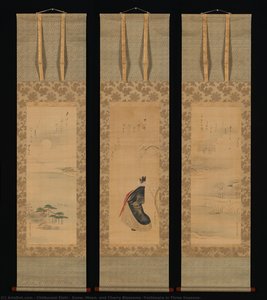
ჩობუნსაი ეიში პორტრეტი

68 ყველაზე ცნობილი ჩობუნსაი ეიში-ის ნახატი, თითოეული მათგანი უნიკალური

განახლდა ოქტომბერი 2026 · დალაგებულია ჩვენი პოპულარობის ქულების მიხედვით (ძიება, ნახვა და შეკვეთები თითოეული ნამუშწაროსთვის) · 69 ნამუშევარი ჩობუნსაი ეიში ჩვენს კატალოგში

მოკლედ რომ ვთქვათ

Snow, Moon, and Cherry Blossoms (Yoshiwara in Three Seasons) (801) არის ჩობუნსაი ეიში-ის ის ნამუშწარო, რომელიც ყველაზე მეტ ყურადღებას იქცევს; ორიგინალი იმყოფება მეტროპოლიტენის ხელოვნების მუზეუმი-ში, ნიუ-იორკი. ამის შემდეგ, მზერა გადადის Three Gods of Good Fortune Visit the Yoshiwara; or “Scenes of Pleasure at the Height of Spring” (801)-სა და The Salt Maidens, Murasame with Yukihira's Hat (1790)-ზე. ჩვენს კატალოგში არსებული ჩობუნსაი ეიში-ის 69 ნამუშწაროდან ეს 68 ყველაზე ცნობილია; თითოეული მათგანი წარმოადგენს უნიკალურ ორიგინალს, რომელიც წარმოდგენილია წელით, მუზეუმითა და იმ მიზეზით, რის გამოც ის დღემდე ცოცხლობს.

1756 – 1829, ტოკიო Ukiyo-e ყველაზე მეტი ნამشევრი: მეტროპოლიტენის ხელოვნების მუზეუმი

ჩობუნსაი ეიში-ის 10 საუკეთესო ნამუშgeryო, გალერეის თcraftით

1
Snow, Moon, and Cherry Blossoms (Yoshiwara in Three Seasons) (801) ავტორის: ჩობუნსაი ეიში

Snow, Moon, and Cherry Blossoms (Yoshiwara in Three Seasons)

Introduction Chōbunsai Eishi was a prominent Japanese artist of the Ukiyo-e school, which flourished during the Edo period (1603-1868). He is best known for his portraits of beautiful women and his innovative use of color. The Painting: Snow, Moon, and Cherry Blossoms "Snow, Moon, and Cherry Blossoms" is a masterpiece by Chōbunsai Eishi, which exemplifies his unique style and technique. The painting depicts a woman in traditional Japanese attire, standing…

2
Three Gods of Good Fortune Visit the Yoshiwara; or “Scenes of Pleasure at the Height of Spring” (801) ავტორის: ჩობუნსაი ეიში

Three Gods of Good Fortune Visit the Yoshiwara; or “Scenes of Pleasure at the Height of Spring”

Introduction to Chōbunsai Eishi and Ukiyo-e Art Movement Chōbunsai Eishi was an artist of samurai descent who also created prints, illustrating several handscrolls showing patrons traveling to the pleasure quarters of Yoshiwara. The Ukiyo-e art movement, which flourished from the 17th through 19th centuries in Japan, produced woodblock prints and paintings depicting various subjects such as female beauties, kabuki actors, sumo wrestlers, scenes from history and folk tales, travel scenes…

ჩობუნსაი ეიში-ის ცნობილი ნამუშევრები, 11-დან 68-მდე ნომრებით

11Courtesan with a Letter in Her Mouth (1815) ავტორის: ჩობუნსაი ეიშიCourtesan with a Letter in Her Mouth1815 · მეტროპოლიტენის ხელოვნების მუზეუმი 12Courtesan with Fan and Koto (701) ავტორის: ჩობუნსაი ეიშიCourtesan with Fan and Koto701 13Beauty At Her Toilette Edo Period, Bunka Era ავტორის: ჩობუნსაი ეიშიBeauty At Her Toilette Edo Period, Bunka Era 14Concours De Plaisirs Des Quatre Saisons ავტორის: ჩობუნსაი ეიშიConcours De Plaisirs Des Quatre Saisons 15A girl representing a celestial musician playing the biwa ავტორის: ჩობუნსაი ეიშიA girl representing a celestial musician playing the biwa 16Beauty under Cherry Blossoms (1868) ავტორის: ჩობუნსაი ეიშიBeauty under Cherry Blossoms1868 · University of Michigan Museum of Art 17Prostitute at a Parade ავტორის: ჩობუნსაი ეიშიProstitute at a ParadeMinneapolis Institute of Art 18A Prostitute and her attendants under a cherry tree ავტორის: ჩობუნსაი ეიშიA Prostitute and her attendants under a cherry treeMinneapolis Institute of Art 19He Mountain Woman ავტორის: ჩობუნსაი ეიშიHe Mountain Woman 20Kokaidan Rokubu Goroshi ავტორის: ჩობუნსაი ეიშიKokaidan Rokubu Goroshi 21Kokaidan Heterogamy ავტორის: ჩობუნსაი ეიშიKokaidan Heterogamy 22Courtesan and Attendant ავტორის: ჩობუნსაი ეიშიCourtesan and Attendantმეტროპოლიტენის ხელოვნების მუზეუმი 23Three Beauties Viewing Cherry Blossoms ავტორის: ჩობუნსაი ეიშიThree Beauties Viewing Cherry Blossomsმეტროპოლიტენის ხელოვნების მუზეუმი 24Untitled ავტორის: ჩობუნსაი ეიშიUntitled 25A Parody Of The Well Curb From Tales Of Ise ავტორის: ჩობუნსაი ეიშიA Parody Of The Well Curb From Tales Of Ise 26A Beauty With A Sprig Of Cherry Blossom ავტორის: ჩობუნსაი ეიშიA Beauty With A Sprig Of Cherry Blossom 27From The Series Shokoku Meisho Hyakkei ავტორის: ჩობუნსაი ეიშიFrom The Series Shokoku Meisho Hyakkei 28Three Women and a Boy Along the Sumida River ავტორის: ჩობუნსაი ეიშიThree Women and a Boy Along the Sumida River 29A Group Of Courtesans And Kamuro In A Large Boat Playing On Drums And On The Shamisen ავტორის: ჩობუნსაი ეიშიA Group Of Courtesans And Kamuro In A Large Boat Playing On Drums And On The Shamisen 30The Courtesan Tokiwazu Of The Chojiya Strolling With Her Kamuro And Other Attendants On New Year's Day ავტორის: ჩობუნსაი ეიშიThe Courtesan Tokiwazu Of The Chojiya Strolling With Her Kamuro And Other Attendants On New Year's Day 31Courtesan Holding a Poetry Slip (1810) ავტორის: ჩობუნსაი ეიშიCourtesan Holding a Poetry Slip1810 32Hanging Scroll: Woman in a Dark Kimono ავტორის: ჩობუნსაი ეიშიHanging Scroll: Woman in a Dark KimonoCincinnati Art Museum 33River View in Snow ავტორის: ჩობუნსაი ეიშიRiver View in SnowMinneapolis Institute of Art 34A Bust Portrait Of A Young Girl ავტორის: ჩობუნსაი ეიშიA Bust Portrait Of A Young Girl 35A Group Of Five Japanese ავტორის: ჩობუნსაი ეიშიA Group Of Five Japanese 36Standing courtesan ავტორის: ჩობუნსაი ეიშიStanding courtesan 37Purple Flowers Of Edo ავტორის: ჩობუნსაი ეიშიPurple Flowers Of Edo 38A Group Of Five Oban Bijin ავტორის: ჩობუნსაი ეიშიA Group Of Five Oban Bijin 39Beauty Writing A Poem On A Fan ავტორის: ჩობუნსაი ეიშიBeauty Writing A Poem On A Fan 40Three Bijin ავტორის: ჩობუნსაი ეიშიThree Bijin 41Itsutomi, From The Series Seiro Geisha Erami ავტორის: ჩობუნსაი ეიშიItsutomi, From The Series Seiro Geisha Erami 42Matsuchiyama In Autumn; Mimeguri Shrine In Winter ავტორის: ჩობუნსაი ეიშიMatsuchiyama In Autumn; Mimeguri Shrine In Winter 43Portrait Of A Beauty Seated At A Desk ავტორის: ჩობუნსაი ეიშიPortrait Of A Beauty Seated At A Desk 44From The Series Imayo Irokue No Ito ავტორის: ჩობუნსაი ეიშიFrom The Series Imayo Irokue No Ito 45Portrait Of The Courtesan Mitsuhana Of The Ohishiya ავტორის: ჩობუნსაი ეიშიPortrait Of The Courtesan Mitsuhana Of The Ohishiya 46'hana No En' From 'eight Views Of Disguised Genji ავტორის: ჩობუნსაი ეიში'hana No En' From 'eight Views Of Disguised Genji 47A Beauty Playing With Her Hairpins ავტორის: ჩობუნსაი ეიშიA Beauty Playing With Her Hairpins 48Woodcut ავტორის: ჩობუნსაი ეიშიWoodcut 49Seated in an interior ავტორის: ჩობუნსაი ეიშიSeated in an interior 50A Beauty On A Yellow Background Holding The Cord Of A Model Of A Snapper ავტორის: ჩობუნსაი ეიშიA Beauty On A Yellow Background Holding The Cord Of A Model Of A Snapper 51Shiratsuyu of the ogiya ავტორის: ჩობუნსაი ეიშიShiratsuyu of the ogiya 52Daikoku, From The Series Fukujin Takara Awase ავტორის: ჩობუნსაი ეიშიDaikoku, From The Series Fukujin Takara Awase 53Courtesans From The Tamaya Yamazo Brothel ავტორის: ჩობუნსაი ეიშიCourtesans From The Tamaya Yamazo Brothel 54Portrait Of The Courtesan Seated By A Bookstand ავტორის: ჩობუნსაი ეიშიPortrait Of The Courtesan Seated By A Bookstand 55Praying for rain ავტორის: ჩობუნსაი ეიშიPraying for rain 56House cleaning ავტორის: ჩობუნსაი ეიშიHouse cleaning 57Two Young Girls And A Man Paddling In The River ავტორის: ჩობუნსაი ეიშიTwo Young Girls And A Man Paddling In The River 58Portrait Of The Courtesan Holding A Brush ავტორის: ჩობუნსაი ეიშიPortrait Of The Courtesan Holding A Brush 59Beauty dreaming of the tales of ise edo period ავტორის: ჩობუნსაი ეიშიBeauty dreaming of the tales of ise edo period 60Sumidagawa, From The Series Goshiki No Asobi ავტორის: ჩობუნსაი ეიშიSumidagawa, From The Series Goshiki No Asobi 61The Courtesan Segawa Of Matsubaya With Two Shinzo And Two Kamuro ავტორის: ჩობუნსაი ეიშიThe Courtesan Segawa Of Matsubaya With Two Shinzo And Two Kamuro 62Fujin Sogaku Juttai ავტორის: ჩობუნსაი ეიშიFujin Sogaku Juttai 63A Sheet From A Polyptych Depicting Young Girls Collecting Clams At The Seaside ავტორის: ჩობუნსაი ეიშიA Sheet From A Polyptych Depicting Young Girls Collecting Clams At The Seaside 64The Left-hand Sheet Of A Pentaptych Showing Two Young Girls And A Young Man In A Pleasure Boat ავტორის: ჩობუნსაი ეიშიThe Left-hand Sheet Of A Pentaptych Showing Two Young Girls And A Young Man In A Pleasure Boat 65Cherry Blossom Viewing At Gotenyama Hill ავტორის: ჩობუნსაი ეიშიCherry Blossom Viewing At Gotenyama Hill 66Nanamachi of the Yotsumeya walking with attendants Sumano and Akashi under a cherry tree ავტორის: ჩობუნსაი ეიშიNanamachi of the Yotsumeya walking with attendants Sumano and Akashi under a cherry tree 67Shellfish and Apparitions of the Yoshiwara Pleasure Quarter (1811) ავტორის: ჩობუნსაი ეიშიShellfish and Apparitions of the Yoshiwara Pleasure Quarter1811 68Beautiful Woman Enjoying Firefly Catching ავტორის: ჩობუნსაი ეიშიBeautiful Woman Enjoying Firefly Catchingფუკუდას სახელობის ხელოვნების მუზეუმი

სუბიექტები, რომლებმაც ჩობუნსაი ეიში-ის ყურადღება მიიპყრო

ამ ორიგინალებში ყველაზე ხშირად განმეორებადი არის 네 თემა, რომელთაგან თითოეულს თავისი საუკეთესო ნიმუში წარმოგვიდგება.

მუზეუმები, სადაც ჩობუნსაი ეიში-ის ორიგინალები ინახება

ამ გვერდზე წარმოდგენილი მხატვრობის შედეგების უმეტესობას 7 მუზეუმი ინახავს.

მუზეუმი ქალაქი ჩობუნსაი ეიში შემოქმედებაలు ამ სიიდან მოპოვებული ნახატები
მეტროპოლიტენის ხელოვნების მუზეუმი, ნიუ-იორკიმეტროპოლიტენის ხელოვნების მუზეუმი ნიუ-იორკი 5 Snow, Moon, and Cherry Blossoms (Yoshiwara in Three Seasons), Three Gods of Good Fortune Visit the Yoshiwara; or “Scenes of Pleasure at the Height of Spring”, Courtesan with a Letter in Her Mouth
Minneapolis Institute of Art, MinneapolisMinneapolis Institute of Art Minneapolis 5 Moonlight [left of the pair Beauties in Spring], Rain [right of the pair Beauties in Spring], Prostitute at a Parade
ჩიკაგოს ხელოვნების ინსტიტუტი, ჩიკაგოჩიკაგოს ხელოვნების ინსტიტუტი ჩიკაგო 4 The Salt Maidens, Murasame with Yukihira's Hat, The Salt Maidens, Matsukaze with Yukihira's Coat, Beauty Replacing Her Hairpin
კლივল্যান্ডের ხელოვნების მუზეუმი, კლივლენდიკლივল্যান্ডের ხელოვნების მუზეუმი კლივლენდი 1 Beauty in a Boat on Sumida River
University of Michigan Museum of Art, Ann ArborUniversity of Michigan Museum of Art Ann Arbor 1 Beauty under Cherry Blossoms
Cincinnati Art Museum, SinkcincinnatiCincinnati Art Museum Sinkcincinnati 1 Hanging Scroll: Woman in a Dark Kimono
ფუკუდას სახელობის ხელოვნების მუზეუმი, კიოტოფუკუდას სახელობის ხელოვნების მუზეუმი კიოტო 1 Beautiful Woman Enjoying Firefly Catching

ჩობუნსაი ეიში ათწლეულების განმავლობაში: თითოეულ დეკადესთვის ერთი უნიკალური ორიგინალი

ნამუშევრები ათწლეულების მიხედვით

შეარჩიეთ ათწლეული, რათა ნახოთ ის ორიგინალი ნამუშევარი, რომელიც მას განსაზღვრავს.

ჩობუნსაი ეიში-ის ნახატები: კითხვები გალერეისთვის

რა არის ჩობუნსაი ეიში-ის ყველაზე ცნობილი ნამუშწარებიდან ერთერთი?გაამჟღავნეთ პასუხი

Snow, Moon, and Cherry Blossoms (Yoshiwara in Three Seasons) (801), მეტროპოლიტენის ხელოვნების მუზეუმი, ნიუ-იორკი. შემდეგ მოდიან Three Gods of Good Fortune Visit the Yoshiwara; or “Scenes of Pleasure at the Height of Spring” (801) და The Salt Maidens, Murasame with Yukihira's Hat (1790).

ჩობუნსაი ეიში-ის რომელი 열ათმე ნახატია ყველაზე ცნობილი?გაამჟღავნეთ პასუხი

Snow, Moon, and Cherry Blossoms (Yoshiwara in Three Seasons), Three Gods of Good Fortune Visit the Yoshiwara; or “Scenes of Pleasure at the Height of Spring”, The Salt Maidens, Murasame with Yukihira's Hat, The Salt Maidens, Matsukaze with Yukihira's Coat, Mounted Archer and Courtesan with Bow, Beauty Replacing Her Hairpin, Moonlight [left of the pair Beauties in Spring], Rain [right of the pair Beauties in Spring], Beauty in a Boat on Sumida River და A Courtesan Reading a Letter. ზემოთ მოცემული რეიტინგი ასახავს თითოეულის შემოქმედების წელსა და მუზეუმს.

რამდენი ნამუშწარებია ცნობილი ჩობუნსაი ეიში-ის შემოქმედებიდან?გაამჟღავნეთ პასუხი

ჩვენს კატალოგში წარმოდგენილია 69 ნამუშწევრი ჩობუნსაი ეიში-ისგან, დათარიღებული 1790-დან 1822-მდე.

სად შეიძლება ყველაზე ცნობილი ჩობუნსაი ეიში-ის ორიგინალების ნახვა?გაამჟღავნეთ პასუხი

ძირითადად მეტროპოლიტენის ხელოვნების მუზეუმი (ნიუ-იორკი), Minneapolis Institute of Art (Minneapolis) და ჩიკაგოს ხელოვნების ინსტიტუტი (ჩიკაგო)-ში. ზემოთ მოცემულ მუზეუმების ცხრილში ისინი ყველა listed.

რა პერიოდში შექმნა ჩობუნსაი ეიში-მა ყველაზე ცნობილი სურათები?გაამჟღავნეთ პასუხი

1790s-ში: ამ გვერდზე წარმოდგენილი 68 ნამუშწარwerksიდან 6 შეიქმნა მაშინ, მათგან The Salt Maidens, Murasame with Yukihira's Hat.

რომელი ცნობილი ჩობუნსაი ეიში ტილოა ყველაზე ადრეული და რომელი — ყველაზე გვიანდელი?გაამჟღავნეთ პასუხი

ამ გვერდზე ყველაზე ადრეული არის The Salt Maidens, Murasame with Yukihira's Hat (1790), ხოლო ყველაზე გვიანდელი — A Courtesan Reading a Letter (1822).

რა თემებს ანიჭებდა უპირატესობას ჩობუნსაი ეიში?გაამჟღავნეთ პასუხი

Girls (5), Portraits (5) და Cherry blossoms (4), ამ გვერდზე წარმოდგენილ 68 ნამუშწარეს შორის.

ჩობუნსაი ეიში-ის შემოქმედება რომელ მიმდინარეობას მიეკუთვნება?გაამჟღავნეთ პასუხი

Ukiyo-e, ამ გვერდზე წარმოდგენილი ორიგინალების მიხედვით.

რა ჩობუნსაი ეიში-ის ორიგინალების ნახვა შემიძლია მეტროპოლიტენის ხელოვნების მუზეუმი-ში?გაამჟღავნეთ პასუხი

Snow, Moon, and Cherry Blossoms (Yoshiwara in Three Seasons), Three Gods of Good Fortune Visit the Yoshiwara; or “Scenes of Pleasure at the Height of Spring” და Courtesan with a Letter in Her Mouth: მეტროპოლიტენის ხელოვნების მუზეუმი, ნიუ-იორკი-ში წარმოდგენილია ამ გვერდზე მოცემული ნამუშევრების 5 ცალი.

ჩობუნსაი ეიში: მხატვრის პორტრეტი

Chobunsai Eishi: The Poet of Beauty

Chobunsai Eishi (1756-1829), also known as Hosoda Tokitomi, stands as a pivotal figure in the vibrant world of Edo-period Japanese art. Born into a distinguished samurai family within the prestigious Fujiwara clan – a lineage tracing back to influential roles within the shogunate – Eishi’s life was one of privilege and ultimately, artistic liberation. His early years were marked by service within the Tokugawa court, a position he relinquished in 1789 to dedicate himself fully to his passion: capturing the exquisite beauty of women and the evocative narratives of classic literature. Eishi's legacy rests primarily on his masterful *bijin-ga* – portraits of beautiful women – but his work also encompasses scenes drawn from celebrated tales like “The Tale of Genji,” demonstrating a profound understanding of both artistic technique and cultural storytelling.

Early Life and Artistic Foundations

Eishi’s origins were steeped in tradition and influence. His grandfather, Hosoda Tokitoshi, had served as Treasury Minister to the shogunate, providing his family with a secure position within the imperial system. This background instilled in Eishi a sense of decorum and an appreciation for refined aesthetics. While the exact circumstances surrounding his artistic awakening remain somewhat shrouded in mystery, it’s believed he received early instruction from Kanō Michinobu, a prominent master of the Kanō school of painting – renowned for its meticulous detail and stylized depictions of nature and religious subjects. The influence of this training is evident in Eishi's initial works, which shared some stylistic similarities with the Kanō tradition. However, Eishi quickly forged his own distinctive path, establishing himself as a leading figure within the *ukiyo-e* genre, known for its woodblock prints capturing fleeting moments of beauty and everyday life. The name “Eishi,” bestowed upon him – whether by Shogun Ieharu or through tradition – marked a significant step in his artistic journey, signifying his recognition as a skilled artist.

A Rivalry of Styles: Kiyonaga and Utamaro

Eishi’s rise to prominence coincided with the flourishing careers of two other masters of *bijin-ga*: Kitagawa Kiyonaga and Utamaro Nishimura. Initially, Eishi found himself in direct competition with Kiyonaga, whose bold compositions and dramatic use of color set a high standard for portraiture. However, Eishi’s unique approach – characterized by an emphasis on elegance, subtlety, and a nuanced portrayal of female beauty – gradually established him as a distinct voice within the field. He skillfully captured not just physical appearance but also the inner lives and emotions of his subjects, creating portraits that resonated with viewers long after they were created. While Kiyonaga favored grand scale and theatrical presentation, Eishi excelled at conveying intimacy and grace, often depicting women in quiet moments of contemplation or delicate activities. This subtle difference in style ultimately cemented Eishi’s place alongside Utamaro as one of the most celebrated *bijin-ga* artists of his time.

Technique and Subject Matter

Eishi's technical prowess was remarkable, particularly for a period when woodblock printing was still evolving. He mastered the art of color layering – *nishiki-e*, utilizing multiple colors to create rich, luminous effects. His prints often featured subdued tones, reflecting contemporary regulations that discouraged ostentatious displays of wealth and extravagance. However, Eishi’s skill lay not just in his technical execution but also in his ability to imbue his subjects with a sense of life and personality. He frequently depicted women engaged in literary pursuits, such as reading or writing poetry – drawing inspiration from classic tales like “The Tale of Genji.” These scenes offered glimpses into the lives of women during the Edo period, revealing their intellectual interests and social roles. Notably, Eishi’s later works became increasingly characterized by elongated figures, with heads disproportionately small—a stylistic choice that emphasized elegance and refinement.

Legacy and Influence

Following 1801, Eishi abandoned print design to dedicate himself entirely to painting, a decision that solidified his reputation as a master of the brush. He was granted the honorary title *Jibukyō* (治部卿), recognizing his exceptional talent and contributions to the arts. His final years were marked by quiet contemplation and artistic refinement. Eishi’s work continues to captivate audiences today, admired for its exquisite beauty, subtle emotional depth, and masterful technical execution. His influence can be seen in subsequent generations of *ukiyo-e* artists, who drew inspiration from his elegant style and innovative approach to portraiture. Chobunsai Eishi remains a testament to the power of artistic vision and the enduring appeal of capturing the beauty of human experience through art. His prints are held in major museums worldwide, ensuring that his legacy will continue to inspire and delight for centuries to come.