ბადა შანრენი პორტრეტი

41 ყველაზე ცნობილი ბადა შანრენი-ის ნახატი, გალერეის შერჩეული კოლექცია

განახლდა ნოემბერი 2026 · დალაგებულია ჩვენი პოპულარობის ქულების მიხედვით (ძიება, ნახვა და შეკვეთები თითოეული ნამუშწაროსთვის) · 42 ნამუშევარი ბადა შანრენი ჩვენს კატალოგში

მოკლედ რომ ვთქვათ

ბადა შანრენი-ის ყველა დატოვებული ორიგინალიდან ყველაზე ცნობილია Landscape in the style of Wu Zhen, (1280-1354) (1696), რომელიც მელბურნი-ში მდებარე National Gallery of Victoria-ის კოლექციაშია. მისდაក្រោយ Duck on a Branch (1691) და Landscape (1698) მოდიან. ჩვენს კატალოგში ბადა შანრენი-ის 42 ნამუშწარებია; გალერეამ შეინافظა ის 41 ნამუშწარო, რომლებსაც მსოფლიო ყველაზე მეტად აღიარებს, რომელთაგან თითოეული წარმოდგენილია თვის, მუზეუმისა და ისტორიის თანხლებით.

1626 – 1705, სინძიან ყველაზე მეტი ნამشევრი: მეტროპოლიტენის ხელოვნების მუზეუმი

ბადა შანრენი-ის 10 საუკეთესო ნამუშgeryო: გალერეის არჩევანი

1
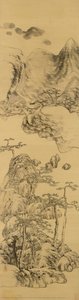
Landscape in the style of Wu Zhen, (1280-1354) (1696) ავტორის: ბადა შანრენი

Landscape in the style of Wu Zhen, (1280-1354)

1696 · Ink · National Gallery of Victoria, მელბურნი

In this landscape, we encounter a world where the physical and the spiritual are indistinguishable. Painted around 1696, this work reflects a profound engagement with the traditions of the Yuan dynasty, specifically the approach of Wu Zhen. The composition does not seek to document a specific place, but rather to map the interior terrain of the artist. There is a deliberate absence of human presence, leaving the viewer alone with…

2
Duck on a Branch (1691) ავტორის: ბადა შანრენი

Duck on a Branch

1691 · Ink On Paper

In this ink wash painting from 1691, we encounter a solitary bird perched upon a gnarled, curving branch. The composition is defined by a profound sense of emptiness, where the cream-colored paper is not merely a background but an active presence, suggesting a vast, silent void. The bird, likely a duck, is rendered with a decisive, spontaneous brushwork that prioritizes its spirit over anatomical precision. There is a quiet tension…

3
Landscape (1698) ავტორის: ბადა შანრენი

Landscape

1698 · Ink On Paper

In the year about 1698, Bada Shanren produced Landscape, a traditional Chinese landscape painting rendered in monochrome ink. The scene unfolds upon paper, where black ink defines a world of quietude. A tall tree with sparse foliage rises from a small hill, its branches reaching out with calligraphic precision. Beside this tree, a giraffe stands as a singular, unexpected presence within the composition. This unusual animal introduces a surreal quality…

ბადა შანრენი-ის შერჩევა გრძელდება, 11-დან 41-მდე

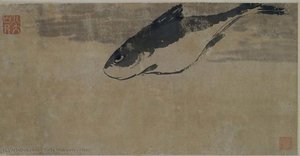
11Flowers and Insects (1683) ავტორის: ბადა შანრენიFlowers and Insects1683 12Spray of Tuberose (Spray of Fuchia) (1681) ავტორის: ბადა შანრენიSpray of Tuberose (Spray of Fuchia)1681 13Two Twigs of Camellia (Two Twigs of Flowering Fruit) (1681) ავტორის: ბადა შანრენიTwo Twigs of Camellia (Two Twigs of Flowering Fruit)1681 14Two Grasshoppers on Lotus Leaves (1681) ავტორის: ბადა შანრენიTwo Grasshoppers on Lotus Leaves1681 15Two Grape Leaves (1681) ავტორის: ბადა შანრენიTwo Grape Leaves1681 16Lotus and Ducks (1696) ავტორის: ბადა შანრენიLotus and Ducks1696 · ფრიერის ხელოვნების গალერეა 17Two Chicks (1694) ავტორის: ბადა შანრენიTwo Chicks1694 · Minneapolis Institute of Art 18清 八大山人 (朱耷) 蓮塘戲禽圖 卷 Birds in a lotus pond (1690) ავტორის: ბადა შანრენი清 八大山人 (朱耷) 蓮塘戲禽圖 卷 Birds in a lotus pond1690 · მეტროპოლიტენის ხელოვნების მუზეუმი 19清 朱耷 (八大山人) 倣王羲之 蘭亭序 軸 After Wang Xizhi's (303 361 ) Preface to the Orchid Pavilion Gathering (1694) ავტორის: ბადა შანრენი清 朱耷 (八大山人) 倣王羲之 蘭亭序 軸 After Wang Xizhi's (303 361 ) Preface to the Orchid Pavilion Gathering1694 · მეტროპოლიტენის ხელოვნების მუზეუმი 20清 朱耷 (八大山人) 山水圖 冊 Landscape album (1699) ავტორის: ბადა შანრენი清 朱耷 (八大山人) 山水圖 冊 Landscape album1699 · მეტროპოლიტენის ხელოვნების მუზეუმი 21Landscape in the style of Ni Zan, (1301 1374) (1696) ავტორის: ბადა შანრენიLandscape in the style of Ni Zan, (1301 1374)1696 · The Ian Potter Centre - NGV Australia 22Untitled (D2X7RZ) (1699) ავტორის: ბადა შანრენიUntitled (D2X7RZ)1699 · მეტროპოლიტენის ხელოვნების მუზეუმი 23Landscape in the style of Wu Zhen, (1280 1354) (1696) ავტორის: ბადა შანრენიLandscape in the style of Wu Zhen, (1280 1354)1696 · The Ian Potter Centre - NGV Australia 24Landscape in the style of Wang Meng, (c. 1309 1385) (1696) ავტორის: ბადა შანრენიLandscape in the style of Wang Meng, (c. 1309 1385)1696 · The Ian Potter Centre - NGV Australia 25Cedar Tree, Day Lily, and Wagtails (1700) ავტორის: ბადა შანრენიCedar Tree, Day Lily, and Wagtails1700 · ფრიერის ხელოვნების গალერეა 26Mynah Bird on an Old Tree (1703) ავტორის: ბადა შანრენიMynah Bird on an Old Tree1703 · დ Palace Museum 27清 朱耷 (八大山人) 二鷹圖 軸 Two eagles (1702) ავტორის: ბადა შანრენი清 朱耷 (八大山人) 二鷹圖 軸 Two eagles1702 · მეტროპოლიტენის ხელოვნების მუზეუმი 28Fish (601) ავტორის: ბადა შანრენიFish601 29Podróżni na osiołkach ავტორის: ბადა შანრენიPodróżni na osiołkachვარშავის ეროვნული მუზეუმი 30Landscape in the style of Huang Gongwang, (1269-1354) (1664) ავტორის: ბადა შანრენიLandscape in the style of Huang Gongwang, (1269-1354)1664 · National Gallery of Victoria 31Landscape in the style of Ni Zan, (1301-1374) (1696) ავტორის: ბადა შანრენიLandscape in the style of Ni Zan, (1301-1374)1696 · National Gallery of Victoria 32Landscape in the style of Wang Meng, (c. 1309-1385) (1696) ავტორის: ბადა შანრენიLandscape in the style of Wang Meng, (c. 1309-1385)1696 · National Gallery of Victoria 33twelve egrets in marsh grasses ავტორის: ბადა შანრენიtwelve egrets in marsh grassesIndianapolis Museum of Art 34SEASCAPE WITH TREE AND BOAT ავტორის: ბადა შანრენიSEASCAPE WITH TREE AND BOATჰარვარდის ხელოვნების მუზეუმები 35SUMI ALBUM LEAF OF THREE LOTUS FLOWERS ავტორის: ბადა შანრენიSUMI ALBUM LEAF OF THREE LOTUS FLOWERSჰარვარდის ხელოვნების მუზეუმები 36Birds, in Qing style ავტორის: ბადა შანრენიBirds, in Qing style 37Bird on Rock, in Qing style ავტორის: ბადა შანრენიBird on Rock, in Qing style 38BIRD AND CHRYSANTHEMUM ავტორის: ბადა შანრენიBIRD AND CHRYSANTHEMUM 39Album ავტორის: ბადა შანრენიAlbumმეტროპოლიტენის ხელოვნების მუზეუმი 40PINE TREE AND ROCK ავტორის: ბადა შანრენიPINE TREE AND ROCK 41Lotus and Birds ავტორის: ბადა შანრენიLotus and Birdsჩინეთის თანამედროვე და კონტემპორარული ხელოვნების დოკუმენტაციის კვლევის ცენტრი

სუბიექტები, რომლებმაც ბადა შანრენი-ის ყურადღება მიიპყრო

ამ ორიგინალებში ყველაზე ხშირად განმეორებადი არის 네 თემა, რომელთაგან თითოეულს თავისი საუკეთესო ნიმუში წარმოგვიდგება.

მუზეუმები, სადაც ბადა შანრენი-ის ორიგინალები ინახება

ამ გვერდზე წარმოდგენილი მხატვრობის შედეგების უმეტესობას 8 მუზეუმი ინახავს.

მუზეუმი ქალაქი ბადა შანრენი შემოქმედებაలు ამ სიიდან მოპოვებული ნახატები
მეტროპოლიტენის ხელოვნების მუზეუმი, ნიუ-იორკიმეტროპოლიტენის ხელოვნების მუზეუმი ნიუ-იორკი 6 清 八大山人 (朱耷) 蓮塘戲禽圖 卷 Birds in a lotus pond, 清 朱耷 (八大山人) 倣王羲之 蘭亭序 軸 After Wang Xizhi's (303 361 ) Preface to the Orchid Pavilion Gathering, 清 朱耷 (八大山人) 山水圖 冊 Landscape album
National Gallery of Victoria, მელბურნიNational Gallery of Victoria მელბურნი 4 Landscape in the style of Wu Zhen, (1280-1354), Landscape in the style of Huang Gongwang, (1269-1354), Landscape in the style of Ni Zan, (1301-1374)
The Ian Potter Centre - NGV Australia, მელბურიThe Ian Potter Centre - NGV Australia მელბური 4 Landscape in the style of Huang Gongwang, (1269 1354), Landscape in the style of Ni Zan, (1301 1374), Landscape in the style of Wu Zhen, (1280 1354)
კლივল্যান্ডের ხელოვნების მუზეუმი, კლივლენდიკლივল্যান্ডের ხელოვნების მუზეუმი კლივლენდი 2 Fish and Rocks, Landscape after Guo Zhongshu
ფრიერის ხელოვნების গალერეა, ვაშინგტონი, კოლუმბიის ოლქიფრიერის ხელოვნების গალერეა ვაშინგტონი, კოლუმბიის ოლქი 2 Lotus and Ducks, Cedar Tree, Day Lily, and Wagtails
ჰარვარდის ხელოვნების მუზეუმები, კემბრიჯიჰარვარდის ხელოვნების მუზეუმები კემბრიჯი 2 SEASCAPE WITH TREE AND BOAT, SUMI ALBUM LEAF OF THREE LOTUS FLOWERS
Minneapolis Institute of Art, MinneapolisMinneapolis Institute of Art Minneapolis 1 Two Chicks
დ Palace Museum, ბეიჯინიდ Palace Museum ბეიჯინი 1 Mynah Bird on an Old Tree

ბადა შანრენი ათწლეულების მიხედვით: ორიგინალი, რომელიც განსაზღვრავს თითოეულ მათგანს

ნამუშევრები ათწლეულების მიხედვით

შეარჩიეთ ათწლეული, რათა ნახოთ ის ორიგინალი ნამუშევარი, რომელიც მას განსაზღვრავს.

კოლექციონერთა კითხვები ბადა შანრენი-ის ნახატებზე

რა ნამუშწარესით არის ყველაზე ცნობილი ბადა შანრენი?გაამჟღავნეთ პასუხი

Landscape in the style of Wu Zhen, (1280-1354) (1696), National Gallery of Victoria, მელბურნი. შემდეგ მოდიან Duck on a Branch (1691) და Landscape (1698).

რამდენage იყო ბადა შანრენი, როდესაც შეიქმნა Landscape in the style of Wu Zhen, (1280-1354)?გაამჟღავნეთ პასუხი

70 წლის: Landscape in the style of Wu Zhen, (1280-1354) შექმნილია 1696 წელს, ხოლო ბადა შანრენი დაიბადა 1626 წელს.

რა არის ბადა შანრენი-ის 열 иң ცნობილი 열ი ტილო?გაამჟღავნეთ პასუხი

Landscape in the style of Wu Zhen, (1280-1354), Duck on a Branch, Landscape, Fish and Rocks, Landscape in the style of Huang Gongwang, (1269 1354), Landscape after Guo Zhongshu, Spray of Hibiscus (Spray of Flowering Shrub), Plant (Bird of Paradise), Branch of Hydrangea და Spray of Water Weed and Two Insects. ზემოთ მოცემული რეიტინგი ასახავს თითოეულის შემოქმედების წელსა და მუზეუმს.

რამდენი სურათი დატოვა ბადა შანრენი-მა?გაამჟღავნეთ პასუხი

ჩვენს კატალოგში წარმოდგენილია 42 ნამუშწევრი ბადა შანრენი-ისგან, დათარიღებული 1664-დან 1703-მდე.

რომელ მუზეუმებშია და hangs ბადა შანრენი-ის შედევრული ნამუშევრები?გაამჟღავნეთ პასუხი

ძირითადად მეტროპოლიტენის ხელოვნების მუზეუმი (ნიუ-იორკი), National Gallery of Victoria (მელბურნი) და The Ian Potter Centre - NGV Australia (მელბური)-ში. ზემოთ მოცემულ მუზეუმების ცხრილში ისინი ყველა listed.

მათ რომელ წლებში შექმნა ბადა შანრენი-მა ყველაზე ცნობილი ნამუშევრები?გაამჟღავნეთ პასუხი

1690s-ში: ამ გვერდზე წარმოდგენილი 41 ნამუშწარwerksიდან 14 შეიქმნა მაშინ, მათგან Landscape in the style of Wu Zhen, (1280-1354).

რა არის ბადა შანრენი-ის პირველი და ბოლო ცნობილი ორიგინალი?გაამჟღავნეთ პასუხი

ამ გვერდზე ყველაზე ადრეული არის Landscape in the style of Huang Gongwang, (1269 1354) (1664), ხოლო ყველაზე გვიანდელი — Mynah Bird on an Old Tree (1703).

რომელ თემებს ირჩევდა ბადა შანრენი ყველაზე ხშირად?გაამჟღავნეთ პასუხი

Landscape (3), Mountains (2) და Rocks (2), ამ გვერდზე წარმოდგენილ 41 ნამუშწარეს შორის.

რომელ ტექნიკას იყენებდა ბადა შანრენი ყველაზე ხშირად?გაამჟღავნეთ პასუხი

Ink On Paper, ამ გვერდზე არსებული 41 ნამუშწაროსგან 2 ცალიდან.

ბადა შანრენი-ის რომელ ნამუშევრებს ჰქ나 მეტროპოლიტენის ხელოვნების მუზეუმი-ში?გაამჟღავნეთ პასუხი

清 八大山人 (朱耷) 蓮塘戲禽圖 卷 Birds in a lotus pond, 清 朱耷 (八大山人) 倣王羲之 蘭亭序 軸 After Wang Xizhi's (303 361 ) Preface to the Orchid Pavilion Gathering და 清 朱耷 (八大山人) 山水圖 冊 Landscape album: მეტროპოლიტენის ხელოვნების მუზეუმი, ნიუ-იორკი-ში წარმოდგენილია ამ გვერდზე მოცემული ნამუშევრების 6 ცალი.

ბადა შანრენი: ცხოვრება და შემოქმედება

The Enigmatic Eight Mountain Man: A Legacy of Resilience

Zhu Da, known to history by the evocative pen name Bada Shanren, remains one of the most profound and enigmatic figures in the annals of Chinese art. Born around 1626 during the twilight of the Ming Dynasty, his life was inextricably woven into the violent tapestry of dynastic transition. As a member of the imperial House of Zhu, he lived under the shadow of political upheaval; the fall of the Ming to the Qing forces meant that his very lineage was marked for destruction. This period of profound instability did more than just shape his biography; it forged the very soul of his artistry. To escape the purges that claimed his kin, Zhu Da sought refuge within the quietude of Buddhist monasteries, spending thirty years as a monk. It was in this contemplative isolation, amidst the teachings of Zen Buddhism, that he developed the spiritual depth and the minimalist aesthetic that would later revolutionize Chinese ink wash painting.

A Vision of Minimalist Mastery

The artistry of Bada Shanren is characterized by an unprecedented economy of means, a style that many contemporary scholars view as a precursor to modern minimalism. Unlike the meticulous and often crowded compositions of his predecessors, Barga’s work breathes through vast, intentional voids. He mastered the art of leaving space empty, using the white of the paper not merely as a background, but as an active participant in the composition—representing mist, water, or the infinite silence of the mind. His brushwork was both decisive and deceptively simple, capable of conveying intense emotion through a single, sweeping stroke. Whether depicting a solitary rock or a cluster of reeds, his focus remained steadfastly on capturing the essence rather than the literal form, prioritizing the transmission of mood and atmosphere over decorative detail.

Symbolism and the Silent Protest

Beyond the technical brilliance of his landscapes and calligraphy, Bada Shanren’s work is celebrated for its poignant, often biting, use of metaphor. His most famous subjects—enigmatic birds and fish—are far from mere studies of nature. Many art historians interpret his "mocking birds," with their wide-eyed, almost disdainful stares, as subtle political allegories. These creatures, appearing solitary and defiant amidst a desolate landscape, are believed to reflect the artist's own feelings of displacement and his silent protest against the new Qing regime. This layer of hidden meaning transforms his paintings from simple naturalistic observations into profound psychological portraits of a scholar-artist navigating a world in flux. His later landscapes, which drew inspiration from the great Yuan dynasty masters like Ni Zan, further expanded his repertoire, blending classical reverence with his unique, idiosyncratic spirit.

Historical Significance and Enduring Influence

The historical significance of Bada Shanren lies in his ability to bridge the gap between the classical traditions of the past and a new, more expressive way of seeing. By integrating the spiritual discipline of Zen with the political trauma of his era, he created a visual language that was both deeply personal and universally resonant. His influence can be traced through centuries of Chinese ink painting, where his approach to space, subject, and symbolism continues to inspire artists seeking to express the profound through the minimal. Today, he is remembered not just as a painter of landscapes or birds, but as a master of the "unspoken," an artist who found a way to speak volumes through the quietest of strokes and the most profound of silences.