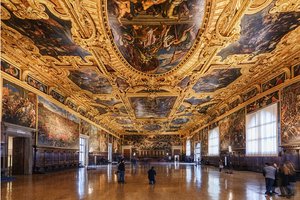
ანტონიო ვასილაკი პორტრეტი

11 ყველაზე ცნობილი ანტონიო ვასილაკი-ის ნახატი, გალერეის შერჩეული კოლექცია

განახლდა ნოემბერი 2026 · დალაგებულია ჩვენი პოპულარობის ქულების მიხედვით (ძიება, ნახვა და შეკვეთები თითოეული ნამუშწაროსთვის) · 11 ნამუშევარი ანტონიო ვასილაკი ჩვენს კატალოგში

მოკლედ რომ ვთქვათ

ანტონიო ვასილაკი-ის ყველა დატოვებული ორიგინალიდან ყველაზე ცნობილი Triumph Of The Order Of The Benedictines არის. მისდაក្រោយ Day of Judgment (1574) და Portrait Of A Collector მოდიან. ჩვენს კატალოგში ანტონიო ვასილაკი-ის 11 ნამუშწარებია; გალერეამ შეინافظა ის 11 ნამუშწარო, რომლებსაც მსოფლიო ყველაზე მეტად აღიარებს, რომელთაგან თითოეული წარმოდგენილია თვის, მუზეუმისა და ისტორიის თანხლებით.

1556 – 1629, მილოსი Baroque ყველაზე მეტი ნამشევრი: ხელოვნების, არქიტექტურისა და დიზაინის ეროვნული მუზეუმი

ანტონიო ვასილაკი-ის 10 საუკეთესო ნამუშgeryო: გალერეის არჩევანი

1
Triumph Of The Order Of The Benedictines ავტორის: ანტონიო ვასილაკი

Triumph Of The Order Of The Benedictines

Painting

In this monumental composition, we find ourselves drawn into a crowded, ceremonial assembly that feels both historical and deeply immediate. A group of figures, some clad in the heavy, structured armor of a bygone era and others in the flowing garments of medieval attire, occupy the space with a sense of solemnity. The arrangement is dense, with at least fourteen individuals positioned in close proximity, their gazes and gestures suggesting…

2
Day of Judgment (1574) ავტორის: ანტონიო ვასილაკი

Day of Judgment

The painting Day of Judgment is a religious work by the artist Antonio Vassilacchi. It captures a moment of divine reckoning, a heavy scene of spiritual consequence. The canvas holds the weight of the soul's final accounting, rendered in 1574.

3
Portrait Of A Collector ავტორის: ანტონიო ვასილაკი

Portrait Of A Collector

The painting titled Portrait Of A Collector is an oil work by the artist Antonio Vassilacchi. Executed in the Baroque style, the piece focuses on a single subject. The composition centers on a collector, presented as an individual. This portrait captures the specific persona and interests of the sitter through a direct gaze and the inclusion of personal objects.

8
Conquest of Tyre (1590) ავტორის: ანტონიო ვასილაკი

Conquest of Tyre

1590 · Acrylic On Canvas · დოჯის სასახლე, ვენეცია

Antonio Vassilacchi’s Conquest of Tyre: A Venetian Echo in Aegean Stone The Sala dello Scrutinio (Voting Hall) within the Doge's Palace stands as a testament to Venice’s ambition and artistic prowess—a space meticulously crafted to project power and prestige. And dominating this hall is Antonio Vassilacchi’s monumental depiction of Alexander the Great’s siege of Tyre, completed in 1590. More than just a historical record, it's an embodiment of Venetian Baroque…

ანტონიო ვასილაკი-ის შერჩევა გრძელდება, 11-დან 11-მდე

სუბიექტები, რომლებმაც ანტონიო ვასილაკი-ის ყურადღება მიიპყრო

ამ ორიგინალებში ყველაზე ხშირად განმეორებადი არის 네 თემა, რომელთაგან თითოეულს თავისი საუკეთესო ნიმუში წარმოგვიდგება.

მუზეუმები, სადაც ანტონიო ვასილაკი-ის ორიგინალები ინახება

ამ გვერდზე წარმოდგენილი მხატვრობის შედეგების უმეტესობას 4 მუზეუმი ინახავს.

მუზეუმი ქალაქი ანტონიო ვასილაკი შემოქმედებაలు ამ სიიდან მოპოვებული ნახატები
ხელოვნების, არქიტექტურისა და დიზაინის ეროვნული მუზეუმი, ოსლოხელოვნების, არქიტექტურისა და დიზაინის ეროვნული მუზეუმი ოსლო 1 Day of Judgment
ბირმინგემის მუზეუმი და სახელოვნებო გალერეა, ბირმინგემიბირმინგემის მუზეუმი და სახელოვნებო გალერეა ბირმინგემი 1 Portrait Of A Collector
Musée des Beaux-Arts, რეიმიMusée des Beaux-Arts რეიმი 1 The Conversion of Saint Paul
დოჯის სასახლე, ვენეციადოჯის სასახლე ვენეცია 1 Conquest of Tyre

ანტონიო ვასილაკი წელიწადმიწლით: ორიგინალები, რომლებიც განსაზღვრავენ თითოეულ მათგანს

1574-დან 1590-მდე, ანტონიო ვასილაკი 17 წელი მუშაობდა: შერჩევა ასახავს ამ გრძელწლიან კარიერას წელიწად年-ობით, მისი საუკეთესო ორიგინალი ნამუშევრების მეშვეობით.

ნამუშევრები წლების მიხედვით

შეარჩიეთ წელი ორიგინალების სანახავად.

კოლექციონერთა კითხვები ანტონიო ვასილაკი-ის ნახატებზე

რა ნამუშწარესით არის ყველაზე ცნობილი ანტონიო ვასილაკი?გაამჟღავნეთ პასუხი

Triumph Of The Order Of The Benedictines. შემდეგ მოდიან Day of Judgment (1574) და Portrait Of A Collector.

რა არის ანტონიო ვასილაკი-ის 열 иң ცნობილი 열ი ტილო?გაამჟღავნეთ პასუხი

Triumph Of The Order Of The Benedictines, Day of Judgment, Portrait Of A Collector, The Conversion of Saint Paul, Mystic Marriage of St. Catherine with St. Anthony of Padua, The transfiguration, Adoration Of The Kings, Conquest of Tyre, Greek Painter In Venice და The Battle Of Lepanto. ზემოთ მოცემული რეიტინგი ასახავს თითოეულის შემოქმედების წელსა და მუზეუმს.

რამდენი სურათი დატოვა ანტონიო ვასილაკი-მა?გაამჟღავნეთ პასუხი

ჩვენს კატალოგში წარმოდგენილია 11 ნამუშწევრი ანტონიო ვასილაკი-ისგან, დათარიღებული 1574-დან 1590-მდე.

რომელ მუზეუმებშია და hangs ანტონიო ვასილაკი-ის შედევრული ნამუშევრები?გაამჟღავნეთ პასუხი

ძირითადად ხელოვნების, არქიტექტურისა და დიზაინის ეროვნული მუზეუმი (ოსლო), ბირმინგემის მუზეუმი და სახელოვნებო გალერეა (ბირმინგემი) და Musée des Beaux-Arts (რეიმი)-ში. ზემოთ მოცემულ მუზეუმების ცხრილში ისინი ყველა listed.

რა არის ანტონიო ვასილაკი-ის პირველი და ბოლო ცნობილი ორიგინალი?გაამჟღავნეთ პასუხი

ამ გვერდზე ყველაზე ადრეული არის Day of Judgment (1574), ხოლო ყველაზე გვიანდელი — Conquest of Tyre (1590).

რომელ თემებს ირჩევდა ანტონიო ვასილაკი ყველაზე ხშირად?გაამჟღავნეთ პასუხი

People (2) და Religious art (2), ამ გვერდზე წარმოდგენილ 11 ნამუშწარეს შორის.

რა ხელოვნების მიმართულებას მიეკუთვნება ანტონიო ვასილაკი?გაამჟღავნეთ პასუხი

Baroque, ამ გვერდზე წარმოდგენილი ორიგინალების მიხედვით.

ანტონიო ვასილაკი: ცხოვრება და შემოქმედება

A Greek Voice in Venetian Splendor: The Life and Art of Antonio Vassilacchi

Antonio Vassilacchi, known affectionately as L'Aliense – “the foreigner” – stands as a compelling figure within the vibrant tapestry of late Renaissance and early Baroque Venice. Born in 1556 on the sun-drenched island of Milos, Greece, his journey to become a celebrated painter in one of Europe’s most cosmopolitan cities is a testament to talent, adaptability, and the enduring power of artistic ambition. Leaving his homeland at a young age, Vassilacchi arrived in Venice, a republic brimming with artistic innovation and cultural exchange, ready to absorb its influences while retaining a distinct identity forged by his Greek heritage. This duality would become a defining characteristic of his work, setting him apart from many of his contemporaries. He wasn’t merely an artist *in* Venice; he was an artist *of* Venice, yet always subtly marked by the echoes of his Aegean origins.

Apprenticeship and Early Commissions: Forging a Venetian Style

Vassilacchi's artistic education began under the tutelage of Paolo Veronese, a master renowned for his opulent color palettes, dynamic compositions, and grand-scale frescoes. This apprenticeship proved foundational, instilling in Vassilacchi a deep understanding of Venetian painting techniques and aesthetics. He quickly absorbed Veronese’s mastery of light and shadow, his ability to create bustling scenes filled with richly dressed figures, and his penchant for dramatic storytelling. However, while deeply influenced by his mentor, Vassilacchi didn't simply imitate; he began to develop his own unique voice. Early commissions – frescoes in the episcopal palace at Treviso and churches in Padua and Venice – allowed him to hone his skills and experiment with different styles. These early works demonstrate a growing confidence and an emerging talent for capturing both human emotion and architectural grandeur. A pivotal moment arrived in 1577, when a devastating fire ravaged the Doge's Palace, offering Vassilacchi a crucial opportunity to showcase his abilities on a monumental scale as one of the artists tasked with its restoration.

The Palazzo Ducale and a Flourishing Career

The reconstruction of the Doge’s Palace proved transformative for Vassilacchi. This commission wasn't merely about repairing damage; it was about recreating the very heart of Venetian power and prestige. He contributed extensively to numerous halls, including the Grand Council Hall, Senate Hall, and Hall of the Compass, immersing himself in the city’s political and social life while simultaneously leaving an indelible mark on its artistic landscape. His work within the Palazzo Ducale demonstrates a remarkable versatility – he could depict historical events with dramatic flair, portray allegorical figures with elegant grace, and capture the intricate details of Venetian architecture with meticulous precision. Beyond the Doge's Palace, Vassilacchi continued to receive commissions from churches throughout Venice and beyond. Notable examples include “The Transfiguration” at San Marziale and a cycle of paintings depicting the life of Christ at San Pietro in Perugia, showcasing his skill in religious iconography and narrative painting. In 1600, he became a member of ‘the brotherhood of saint nicolas of the greek nation’, one of Venice’s most vibrant communities for foreign artists, further solidifying his place within the city's cultural fabric.

Legacy and Artistic Significance: Bridging Cultures

Antonio Vassilacchi occupies a unique position in the history of Venetian art. As a Greek painter working primarily in Italy, he served as a bridge between cultures, contributing to Venice’s renowned cosmopolitan atmosphere. His ability to secure prestigious commissions – particularly his extensive work at the Doge's Palace – underscores his reputation as a respected and sought-after artist. While often overshadowed by more celebrated contemporaries like Veronese or Titian, Vassilacchi’s legacy lies in his significant contributions to Venetian art and his role as a representative of Greek cultural identity within the Italian Renaissance. His style, evolving from the High Renaissance influences of Veronese towards the emerging Baroque aesthetic, is characterized by dynamic compositions, rich colors, and dramatic lighting – hallmarks that would come to define the artistic landscape of the 17th century. He was also a dedicated teacher, passing on his knowledge and skills to pupils like Tomasso Dollobella, ensuring that his artistic vision continued to inspire future generations. L'Aliense, the foreigner, ultimately became an integral part of Venice’s artistic soul, leaving behind a body of work that continues to captivate and inspire today.

Major Works

  • Frescoes in the Doge's Palace: Arguably his most significant achievement, showcasing versatility across numerous halls.
  • Paintings for Churches: Including “The Transfiguration” at San Marziale and the cycle depicting Christ’s life at San Pietro in Perugia.
  • “Triumph Of The Order Of The Benedictines”: A monumental painting located in Perugia, demonstrating skill in large-scale compositions and narrative storytelling.