

A Sanctuary of Visual Discovery
Nestled within the serene, academic landscape of the Williams College campus in Massachusetts, the Williams College Museum of Art (WCMA) serves as much more than a mere repository for historical artifacts; it is a living, breathing sanctuary for artistic exploration. To step into its galleries is to enter a space where the boundaries between scholarly rigor and pure aesthetic wonder dissolve. The museum embodies the very essence of a liberal arts education, inviting visitors—from seasoned collectors to curious students—to engage in a profound dialogue with the visual world. It is an institution that does not simply display objects but fosters a deep, contemplative connection between the viewer and the enduring power of human creativity.
The museum’s architectural presence is a masterclass in harmony, subtly reinforcing its academic setting by blending seamlessly into the surrounding campus landscape. Within its walls, a sense of quietude prevails, punctuated only by the way natural light floods the galleries to illuminate masterpieces with a soft, ethereal glow. This intentional design creates an environment where one can lose themselves in the nuances of a brushstroke or the weight of a sculpture. As the museum undergoes its ambitious new building project, it continues to evolve, promising even more expansive gallery spaces and specialized classrooms that will further integrate the joy of object study into the heart of the community experience.
A Tapestry of Global Narratives
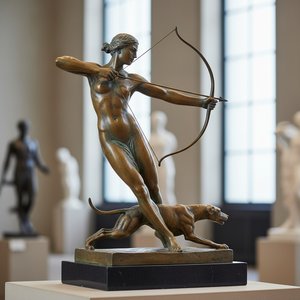
The true soul of WCMA lies in its remarkably diverse and encyclopedic collection, a vast assemblage that spans centuries and continents. The holdings are a breathtaking journey through time, boasting an impressive array of American and European paintings, intricate sculptures, and cutting-edge contemporary pieces. For the lover of Old Master traditions, the museum offers profound delights, including significant works of Dutch, Flemish, and Netherlandish art. One might find themselves captivated by the delicate precision of Jan Weenix’s Dead Game and Fruits with Landscape or the regal presence in Frans Pourbus the盛 Younger’s Portrait of Infanta Isabella Clara Eugenia . The collection even holds rare treasures such as Rembrandt van Rijn’s intimate etching, Sleeping Puppy , which invites a moment of quiet, tender reflection.
Beyond the European masters, the museum holds a unique position in the art world as the home to the largest repository of works by the American artist brothers Maurice and Charles Prendergast. This concentration of modern American vision provides a vital counterpoint to its classical holdings, showcasing the evolution of texture, color, and form through a distinctly twentieth-century lens. Whether it is the satirical brilliance of William Hogarth's The March of the Guards to Finchley or the poignant, contemporary portraiture of Christopher Williams, the collection functions as a continuous thread of human expression, weaving together the grand narratives of history with the intimate whispers of individual identity.
An Enduring Legacy of Engagement
The history of the Williams College Museum of Art is one of visionary growth and intellectual curiosity. Established in 1926 by Professor Karl Weston, the museum was born from a mission to move art beyond the static confines of textbooks and slides, bringing it directly into the hands and eyes of students. This commitment to direct engagement has been the driving force behind its expansion from a small collection housed in the library's wings to a world-class institution with over 14,000 works. It is a legacy built on the belief that art is a fundamental tool for understanding our place in the world.
This spirit of engagement is most vibrantly expressed through the museum’s dynamic exhibition program. WCMA refuses to remain static; instead, it actively seeks to spark new ways of thinking through exhibitions that traverse themes ranging from the revolutionary techniques of Impressionism to the pressing challenges of contemporary visual culture. For the interior designer seeking inspiration or the collector searching for historical context, the museum offers a rich, ever-changing landscape of ideas. It remains a place where the past and the present collide, ensuring that every visit is not just an observation of art, but an encounter with the very pulse of human experience.