


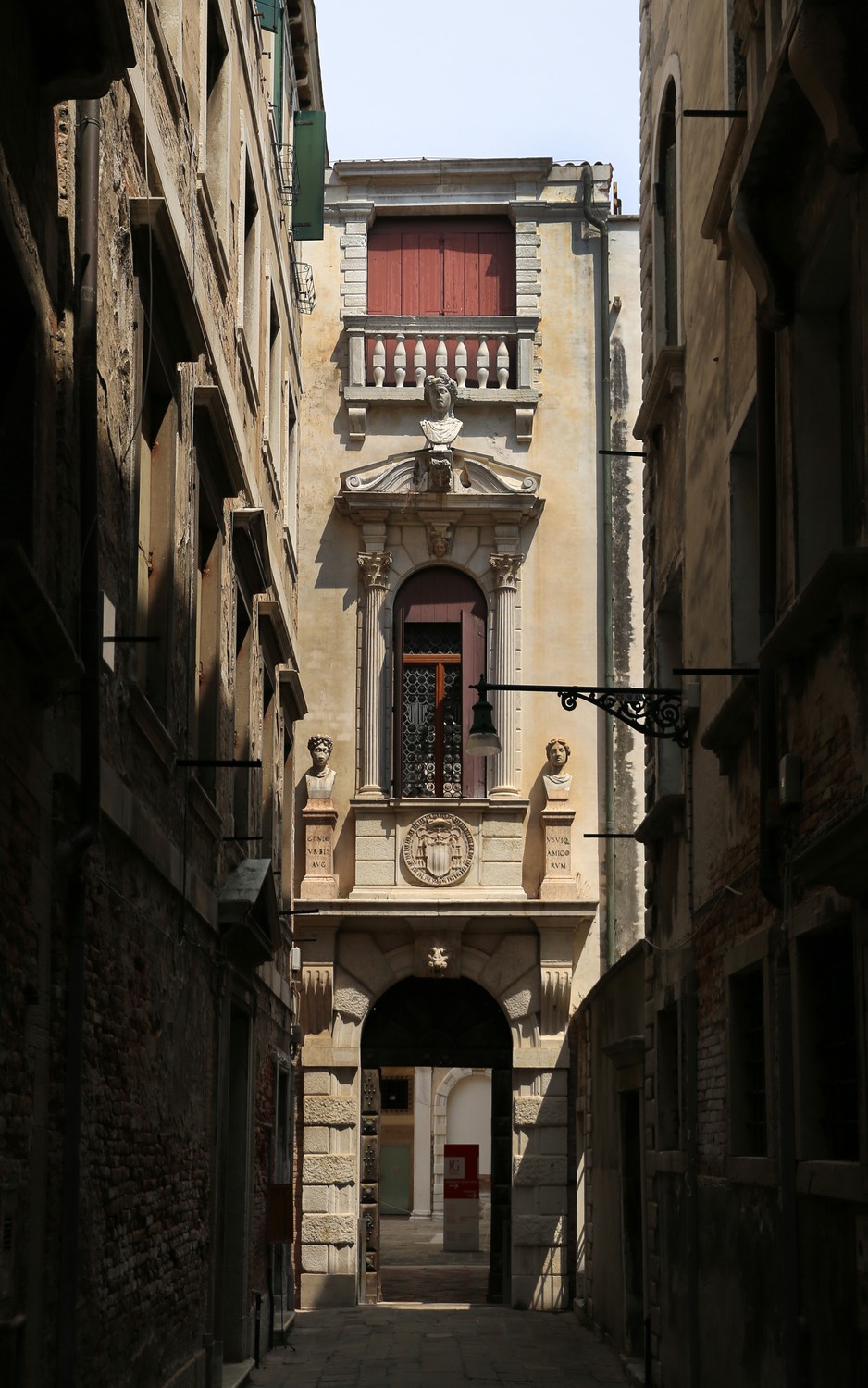
A Venetian Renaissance Jewel: Palazzo Grimani di Santa Maria Formosa
Nestled within the labyrinthine beauty of Venice’s Castello district, near the historic Campo Santa Maria Formosa, lies a hidden gem – the Palazzo Grimani di Santa Maria Formosa. More than just a museum, it's a meticulously preserved Renaissance residence that offers an unparalleled glimpse into the opulent lifestyle and intellectual pursuits of one of Venice’s most influential families: the Grimanis. This State museum isn’t merely a collection of artworks; it’s a tangible portal to 16th-century Venetian society, where classical ideals intertwined with the unique character of the city.
The palace's story begins in the medieval era, with a modest structure acquired by Antonio Grimani, who would later become Doge. However, it was his grandsons, Vettore and Giovanni Grimani – both prominent figures in Venetian politics – who truly transformed the building into the breathtaking Renaissance masterpiece we see today. Inspired by the grandeur of ancient Roman domus, they embarked on an ambitious project, commissioning some of Venice’s most celebrated artists to adorn its interiors with frescoes, stucco work, and sculptures. This transformation wasn't simply about aesthetics; it represented a conscious effort to elevate their family’s status and reflect their commitment to learning and the arts.
Architectural Innovation and Artistic Flourishes
What immediately distinguishes Palazzo Grimani is its remarkably innovative architecture. Departing from the traditional, imposing palazzi that dominate Venice, the Grimanis sought a more modern aesthetic, drawing inspiration from Roman models of private residences. The result is a spacious courtyard enclosed by elegant loggias, adorned with classical statues – a deliberate nod to the architectural principles of antiquity. The monumental staircase, designed by Federico Zuccari, stands as a testament to this ambition, its lavishly decorated walls depicting allegorical scenes that speak to virtue and civic duty.
Within the palace’s rooms, one encounters exquisite examples of Venetian craftsmanship. Giovanni da Udine's intricate stucco work graces the Sala del Doge Antonio and the Sala a Fogliami, while Francesco Salviati and Giovanni da Udine’s frescoes in the Camerino di Callisto and Camerino di Apollo are breathtaking displays of color, composition, and narrative skill. The Tribune, once home to over one hundred pieces from the Grimani's vast archaeological collection – including the captivating sculpture of the Kidnapping of Ganymede – is a particularly remarkable feature, showcasing the family’s dedication to collecting both art and knowledge.
A Treasure Trove of Artistic Patronage
The museum’s collection offers a compelling window into the Grimani family's artistic patronage. Beyond the monumental frescoes and stucco work, highlights include fragments from the family’s extensive collection of sculptures, marbles, vases, bronzes, and gems – many of which now form part of the National Archaeological Museum of Venice. These remnants provide intimate glimpses into the Grimanis’ refined tastes and their appreciation for beauty and luxury. The Sala di Psiche houses a beautiful copy of Salviati's Adoration of Psyche, originally lodged in the middle of the wooden ceiling that was dismembered in the mid-nineteenth century.
Notable Exhibitions and Unique Features
Currently, Palazzo Grimani hosts several engaging temporary exhibitions. “Domus Grimani 1594-2019” explores the evolution of the palace’s sculpture collection over four centuries, while "Domus Grimani - The Doge's Room" offers a deeper dive into the life and times of the Grimani family. The Tribune itself remains a captivating space, housing a suspended sculpture that draws visitors in with its dramatic presence. What truly sets Palazzo Grimani apart is not just its artistic treasures but also its status as a preserved Renaissance residence – a rare opportunity to experience how a powerful Venetian family lived, thought, and entertained.
Visiting Information
Located near Campo Santa Maria Formosa in the Castello district, Palazzo Grimani offers an unforgettable journey into Venetian history and art. Allow ample time to explore its magnificent rooms, wander through the elegant courtyard, and immerse yourself in the splendor of Renaissance culture. The museum is open to the public, offering a unique opportunity to step back in time and connect with one of Venice’s most fascinating families.


