A Pilgrimage to the Heart of Scottish Verse
Nestled within the verdant, rolling landscapes of Ayrshire, the Robert Burns Birthplace Museum offers far more than a mere glimpse into the past; it provides an immersive passage through the very heart of Scotland’s cultural identity. To step onto this hallowed ground is to enter a realm where history breathes and poetry resonates. At the museum's core lies the iconic Burns Cottage, a modest 1757 dwelling that serves as a tangible link to the formative years of Scotland's national bard. For the admirer of authentic textures and historical resonance, the cottage’s unassuming clay and thatch walls speak volumes about the simplicity of rural life, offering an aesthetic of raw, unadorned beauty that continues to inspire those drawn to the roots of Romanticism. The architecture itself is a testament to preservation, where the humble structure acts as a vessel for the profound inspiration that birthed Burns's legendary verses.
The Visual Legacy of a National Icon
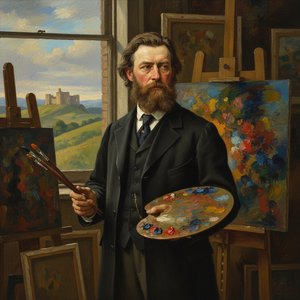
Beyond the rustic charm of the cottage, the museum houses a treasure trove of artistic and literary significance, where the visual and the verbal intertwine in a captivating tapestry of heritage. The collection is anchored by profound portraiture that captures the enigmatic spirit of Robert Burns, offering a visual dialogue between different eras of Scottish art. One cannot encounter the works of Alexander Nasmyth without feeling the weight of national identity; his 1787 portrait is a pivotal masterpiece, imbuing the subject with a blend of rustic charm and intellectual curiosity. This visual narrative is further enriched by Clement Burlison’s 1859 portrait, an exemplar of Victorian sensibility that presents a more dignified, established countenance of the poet. For collectors and art historians, these works—alongside rare handwritten manuscripts—offer a window into the creative process and the social forces that fueled Burns's legendary output.
The museum's curated highlights include:
-
Alexander Nasmyth’s 1787 Portrait:
A seminal work capturing the poet's connection to the land.
-
Clement Burlison’s 1859 Portrait:
A masterful example of mid-century Victorian portraiture.
-
Rare Manuscripts:
Intimate, handwritten glimpses into the bard's creative mind.
-
Historical Artifacts:
Over 5,000 items that illuminate the social fabric of 18th-century Scotland.
Where Folklore Meets the Landscape
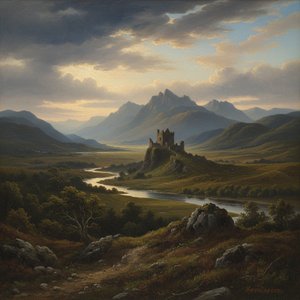
The museum’s influence extends well beyond its exhibition walls, bleeding into the very landscape of Alloway. The proximity to the historic Brig o’ Doon and the Alloway Auld Kirk allows visitors to walk through the literal setting of Burns’s most celebrated tales, such as the haunting
Tam o’ Shanter
. This connection between literature and geography creates a powerful, immersive experience where the wildness of the Scottish countryside mirrors the emotional depth of the poet's verse. For the interior designer or the lover of atmosphere, the museum provides a masterclass in how environment shapes narrative. It is this seamless integration of art, history, and nature that makes the Robert Burns Birthplace Museum a unique destination—a living center for scholarship and a sanctuary for those seeking to reconnect with the profound inspiration that birthed an enduring literary legacy.