
1


10月 2026 更新 · 当サイトの人気スコア(各作品の検索数、閲覧数、注文数)に基づくランキング · 29点の William Ratcliffeの作品がカタログにあります
要約すると
Winter Scene, Sweden (1913)は、William Ratcliffeの作品の中で最も注目を集めている絵画です。 その後、視線はManor Farm, Norton (1912)とAttic Room (1918)へと移ります。 当カタログに含まれるWilliam Ratcliffeの29点の作品のうち、これら29点は最も有名な作品です。制作年、所蔵美術館、そして時代を超えて愛される理由とともに、一点もののオリジナル作品をご紹介します。


In the quiet corners of art history, certain works possess the unique ability to transform a mere space into a profound emotional experience. William Whitehead Ratcliffe’s Attic Room, painted in 1918, is one such masterpiece. This intimate portrayal of a domestic interior invites the viewer to step away from the clamor of the modern world and enter a realm of contemplative solitude. The painting captures a bedroom setting tucked within…


 Summer Landscape1913 · Government Art Collection
12
 The Window1913
13
 The Studio Interior1914
14
 The Coffee House1914
15
 Hertford Landscape1920
16
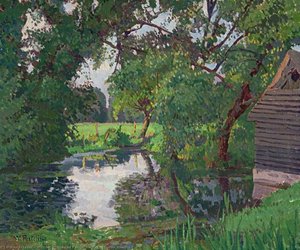 Reflections, Ickleford1918
17
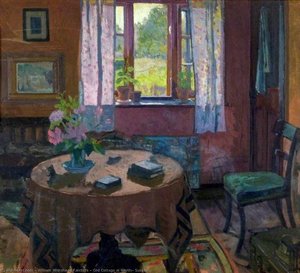 Old Cottage at Worth, Sussex1920
18
 Cottage Interior1920
19
 The Warped Table1921
20
 The Artist's Room, Letchworth1932
21
 Totnes, Devon1931
22
 Bodinnick, Fowey
23
 Farm Buildings
24
 Clarence Gardens
25
 Still Life
26
 Ickleford Farm
27
 Winter Scene with Houses
28
 Regent's Canal at Hammersmith
29
 Sideboardハイ・ミュージアム・オブ・アート
これらのオリジナル作品に繰り返し描かれている4つの主題と、それぞれの最高傑作。
このページに掲載されている絵画を最も多く所蔵している 4 の美術館
| 美術館 | 都市 | William Ratcliffeの作品 | このリストの絵画 |
|---|---|---|---|
 Government Art Collection |
ロンドン | 2 | Beehives in the Snow, Sweden, Summer Landscape |
 テート・リバプール |
リバプール | 1 | Attic Room |
 ウォーカー・アート・ギャラリー |
リバプール | 1 | In the Sun |
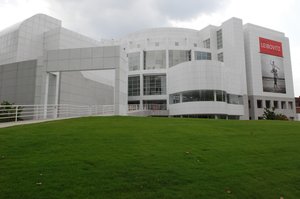 ハイ・ミュージアム・オブ・アート |
アトランタ | 1 | Sideboard |
その時代を象徴する名作を見るために、年代を選択してください。


Winter Scene, Sweden (1913)。続いてManor Farm, Norton (1912)、Attic Room (1918)が続きます。
43歳:Winter Scene, Swedenは1913年の作品で、William Ratcliffeの生年は1870年です。
Winter Scene, Sweden, Manor Farm, Norton, Attic Room, Dieppe, France, Swedish Farm, Clarence Gardens, Still Life by the Fire, Hampstead Garden Suburb from Willifield Way, In the Sun と Beehives in the Snow, Sweden。上記のランキングには、それぞれの制作年と所蔵美術館が記載されています。
当カタログには、1912年から1932年にかけて制作されたWilliam Ratcliffeによる29点の作品が収められています。
主にGovernment Art Collection (ロンドン), テート・リバプール (リバプール) と ウォーカー・アート・ギャラリー (リバプール)に所蔵されています。上記の美術館一覧にすべて記載されています。
1910s年:このページにある全29作品のうち、13作品がその時期に制作されました。そのうちWinter Scene, Sweden作品が含まれます。
このページでは、最も古い作品はManor Farm, Norton (1912)、最新の作品はThe Artist's Room, Letchworth (1932)です。
このページに掲載されている29点の作品におけるRural landscape (2), Domestic scene (2) と British art (2)
Beehives in the Snow, Sweden と Summer Landscape:Government Art Collection, ロンドンには、このページに掲載されている作品のうち2点が所蔵されています。
In the vibrant, often turbulent tapestry of early twentieth-century British art, certain names resonate with thunderous fame, while others whisper with a more profound, enduring grace. William Whitehead Ratcliffe belongs to that latter, more intimate category. A pioneer of the Camden Town Group, Ratcliffe was an artist whose life was characterized by a steadfast commitment to his craft, far removed from the pursuit of fleeting celebrity. Born on October 6th, 1870, in the tranquil village of Clenchwarton near Kings Lynn, Norfolk, his journey began in the modest surroundings of a draper’s assistant's family. Though his early years took him to the industrial landscape of Gorton, Manchester, the seeds of his artistic soul were sown through a disciplined pursuit of beauty and design.
Ratcliffe’s path was never one of sudden inspiration, but rather a gradual, deliberate unfolding of talent. While working as a clerk for a cotton merchant, he sought out evening classes at the Manchester School of Art. It was here that he encountered the influential Walter Crane, a master of the decorative arts who instilled in Ratcliffe a lifelong appreciation for the harmony between pattern and landscape. This early training in wallpaper design, gained while working for the Wallpaper Manufacturers’ Combine, would later manifest in his paintings as a unique sensitivity to texture, rhythm, and the quiet elegance of domestic objects.
The turn of the century brought Ratcliffe to London, a move that would irrevocably alter the trajectory of his life. Drawn to the utopian ideals of the Garden City Movement, he settled in Letchworth Garden City in 1906. This experimental community became more than just a residence; it became a sanctuary for artistic experimentation and fellowship. It was within this setting that Ratcliffe formed a vital artistic circle alongside Harold Gilman and Richard Barry Parker. Under the mentorship and spirited encouragement of Gilman, Ratcliffe underwent a profound metamorphosis, turning his back on the commercial world of illustration to embrace the rigorous and rewarding pursuit of fine art.
Seeking to deepen his technical mastery, Ratcliffe enrolled at the Slade School of Fine Art in London. Studying under figures such as Frank Dobson, he refined his understanding of form and composition, blending the decorative sensibilities of his youth with a burgeoning interest in the immediacy of modern life. This period of formal education provided the structural foundation upon which he would build his most evocative works, allowing him to bridge the gap between the structured world of design and the fluid, emotive realm of painting.
The work of William Whitehead Ratcliffe is often characterized by a remarkable ability to find the extraordinary within the ordinary. As a member of the Camden Town Group, he shared their dedication to capturing the vibrancy of everyday existence, yet his approach often leaned toward a more contemplative, almost spiritual, stillness. His landscapes and interiors are not merely depictions of places, but explorations of atmosphere and emotion.
Consider the following hallmarks of his enduring artistic contribution:
Though he may not have shared the widespread fame of his contemporary Harold Gilman, Ratcliffe’s significance lies in his unwavering authenticity. He remained a full-time artist throughout his life, supported by the very community and family ties that nurtured his early growth. When he passed away in January 1955, he left behind a body of work that serves as a poignant reminder of the beauty found in the quiet corners of the world—a testament to an artist who found greatness not in the spotlight, but in the gentle rhythm of a life lived through art.