William Lamb Picknellの肖像画

ギャラリー厳選、William Lamb Picknellによる最も有名な21の絵画

11月 2026 更新 · 当サイトの人気スコア(各作品の検索数、閲覧数、注文数)に基づくランキング · 22点の William Lamb Picknellの作品がカタログにあります

要約すると

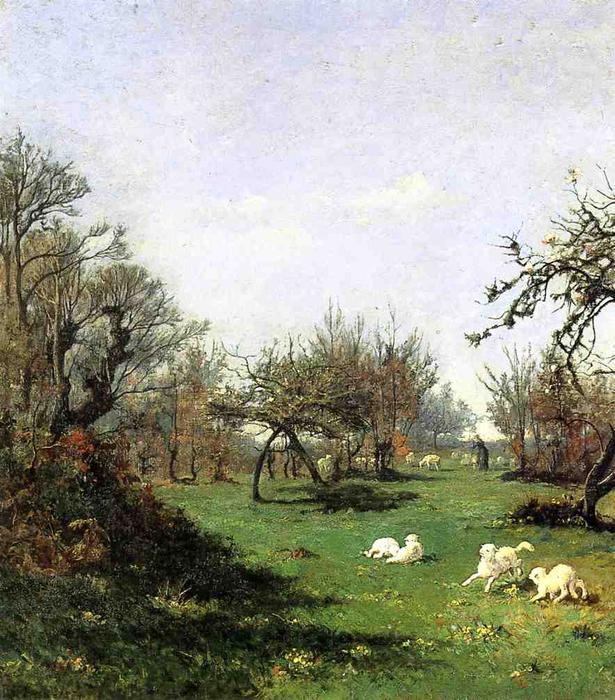
William Lamb Picknellが遺したオリジナル作品の中で最も有名なものは、ニューブリテンのNew Britain Museum of American Artに収蔵されているThe Grand Canal With San Giorgio Maggiore (1875)です。 それに次いで、Spring in Pont Aven (1874)とA French Garden, Provence (1878)が続きます。 William Lamb Picknellによる22点の作品をカタログに掲載しています。当ギャラリーでは、世界が称賛する21点を選定し、制作年、所蔵美術館、そしてその背景にある物語とともにご紹介しています。
1853 – 1897, Hinesburg 最多収蔵館: ボストン美術館

William Lamb Picknellの代表作10選:ギャラリー厳選の作品集

William Lamb Picknellのセレクションが続きます、11から21まで

William Lamb Picknellが心を惹かれた主題

これらのオリジナル作品に繰り返し描かれている4つの主題と、それぞれの最高傑作。

William Lamb Picknellの原画を所蔵する美術館

このページに掲載されている絵画を最も多く所蔵している 7 の美術館

美術館 都市 William Lamb Picknellの作品 このリストの絵画
ボストン美術館, ボストンボストン美術館 ボストン 2 Sand Dunes of Essex, Massachusetts, Morning on the Loing at Moret
ハーバード美術館, ケンブリッジハーバード美術館 ケンブリッジ 2 Springtide, Springtime, Antibes
New Britain Museum of American Art, ニューブリテンNew Britain Museum of American Art ニューブリテン 1 The Grand Canal With San Giorgio Maggiore
クリーブランド美術館, クリーブランドクリーブランド美術館 クリーブランド 1 Pointe de Cabellou, Brittany
フィリップス・コレクション, Washington, D.C.フィリップス・コレクション Washington, D.C. 1 Cottage by the Sea
Phoenix Art Museum, フェニックスPhoenix Art Museum フェニックス 1 Annisquam, Massachusetts
メトロポリタン美術館, ニューヨークメトロポリタン美術館 ニューヨーク 1 Banks of the Loing

William Lamb Picknellの年代別名作:各時代を象徴するオリジナル作品

年代別作品数

その時代を象徴する名作を見るために、年代を選択してください。

William Lamb Picknellの絵画に関するコレクターからの質問

William Lamb Picknellの代表作は何ですか?答えを見る

The Grand Canal With San Giorgio Maggiore (1875)(New Britain Museum of American Art, ニューブリテン)。次いでSpring in Pont Aven (1874)、A French Garden, Provence (1878)が続きます。

The Grand Canal With San Giorgio Maggioreが制作されたとき、William Lamb Picknellは何歳でしたか?答えを見る

22歳:The Grand Canal With San Giorgio Maggioreは1875年の作品で、William Lamb Picknellの生年は1853年です。

William Lamb Picknellの最も有名な10作品とは?答えを見る

The Grand Canal With San Giorgio Maggiore, Spring in Pont Aven, A French Garden, Provence, Pointe de Cabellou, Brittany, Cottage by the Sea, Annisquam, Massachusetts, Sand Dunes of Essex, Massachusetts, On the Borders of the Marsh, Solitude と Wingaersheek Creek Beach, Gloucester, Massachusetts。上記のランキングには、それぞれの制作年と所蔵美術館が記載されています。

William Lamb Picknellが遺した作品数は?答えを見る

当カタログには、1874年から1895年にかけて制作されたWilliam Lamb Picknellによる22点の作品が収められています。

William Lamb Picknellの名作は、どの美術館に収蔵されていますか?答えを見る

主にボストン美術館 (ボストン), ハーバード美術館 (ケンブリッジ) と New Britain Museum of American Art (ニューブリテン)に所蔵されています。上記の美術館一覧にすべて記載されています。

William Lamb Picknellが最も有名な作品を多く描いたのは何年ですか?答えを見る

1880s年:このページにある全21作品のうち、7作品がその時期に制作されました。そのうちPointe de Cabellou, Brittany作品が含まれます。

William Lamb Picknellによる最初と最後の代表的なオリジナル作品は何ですか?答えを見る

このページでは、最も古い作品はSpring in Pont Aven (1874)、最新の作品はMorning on the Loing at Moret (1895)です。

William Lamb Picknell が最も多く描いた主題は何ですか?答えを見る

このページに掲載されている21点の作品におけるUsa (3) と Landscape (3)

ボストン美術館にはどのWilliam Lamb Picknellの作品が展示されていますか?答えを見る

Sand Dunes of Essex, Massachusetts と Morning on the Loing at Moret:ボストン美術館, ボストンには、このページに掲載されている作品のうち2点が所蔵されています。

William Lamb Picknell:生涯と作品

A Life Immersed in Light and Landscape

William Lamb Picknell, born in the quiet Vermont countryside of Hinesburg in 1853, emerged as a significant, though often understated, voice within the evolving landscape of late nineteenth-century American painting. His story is one of artistic pilgrimage, blending rigorous academic training with an increasingly Impressionistic sensibility—a synthesis that allowed him to capture not merely the *appearance* of nature, but its fleeting moods and atmospheric nuances. Picknell’s early life was steeped in New England values; his father, a Baptist minister, instilled a sense of moral grounding that would subtly inform his artistic vision. The family's relocation to Chelsea, Massachusetts following the Reverend Picknell’s death in 1868 proved pivotal, bringing young William into proximity with Boston’s burgeoning art scene and providing him with practical experience working in a frame shop—a formative period where he developed an appreciation for the presentation and detail inherent in artistic creation. This hands-on beginning laid the groundwork for his formal pursuit of painting.

European Influences and Artistic Development

In 1872, Picknell embarked on a journey that would irrevocably shape his artistic trajectory: a voyage to Europe. Like many ambitious American artists of the era, he sought advanced training in the established art centers of the continent. His studies with Jean-Léon Gérôme in Rome from 1874 to 1875 provided him with a solid foundation in academic principles—a mastery of composition and technique that would remain evident throughout his career. However, it was an informal mentorship with Robert Wylie in Brittany, France, that truly ignited Picknell’s passion for *plein air* painting. Wylie encouraged direct observation of nature, urging his students to capture the immediacy of light and atmosphere—a radical departure from the studio-bound traditions of academic art. This exposure proved transformative, fostering a desire within Picknell to translate the ephemeral qualities of the natural world onto canvas with speed and sensitivity. His style began to evolve, moving away from strict realism towards a more expressive interpretation of landscape. He became known for his rapid brushwork, a direct response to the challenge of capturing fleeting moments of light and weather before they vanished.

A Transatlantic Life: New England & France

The 1880s saw Picknell establish himself as a working artist, primarily residing in Waltham, Massachusetts while maintaining a constant connection to Europe through frequent travels. He journeyed extensively throughout the United States—from the rugged coastlines of Florida and California to the serene landscapes of New England—and spent extended periods in England, absorbing diverse influences and honing his skills. However, it was his discovery of Moret-sur-Loing in the 1890s that proved particularly significant. This picturesque village on the edge of the Forest of Fontainebleau, a haven for Impressionist masters like Sisley and Monet, provided Picknell with an environment perfectly suited to his artistic sensibilities. Immersed in the French landscape, he refined his Impressionistic approach, focusing on capturing the subtle nuances of light and color that defined the region. He continued to seek warmer climates during the winter months, venturing south into France, always returning to Moret-sur-Loing when spring arrived. This transatlantic existence—a life divided between the familiar landscapes of New England and the vibrant artistic community of France—became a defining characteristic of Picknell’s career. Sadly, he returned to Massachusetts in 1897 and passed away later that same year, cutting short a promising trajectory.

Themes, Achievements & Legacy

Picknell's oeuvre is characterized by several recurring themes: the majestic beauty of New England landscapes, the dramatic allure of coastal scenes—particularly those along the Massachusetts shoreline—and an unwavering commitment to *plein air* painting. He excelled at depicting the interplay of light and shadow, conveying mood through a masterful use of color and brushwork. His major achievement lies in his ability to synthesize academic rigor with Impressionistic principles, creating paintings that are both technically proficient and emotionally evocative. While he may not be as widely recognized as some of his contemporaries, Picknell’s work offers a valuable glimpse into the artistic landscape of late nineteenth-century America—a period of transition and experimentation. He represents a crucial link between traditional painting styles and the burgeoning Impressionist movement, demonstrating how European trends were adopted and adapted by American artists during this transformative era. His dedication to capturing the immediacy of experience, his sensitivity to atmospheric effects, and his ability to imbue his landscapes with a sense of poetic beauty solidify his place as a notable artist of his time. Picknell’s legacy continues to resonate today, offering viewers a window into a world where light, color, and emotion converge in harmonious expression.

Major Works